
Miriam Adelson’s Investment in Trump May Have Helped Destroy One of the Most Important Peace Deals on Earth
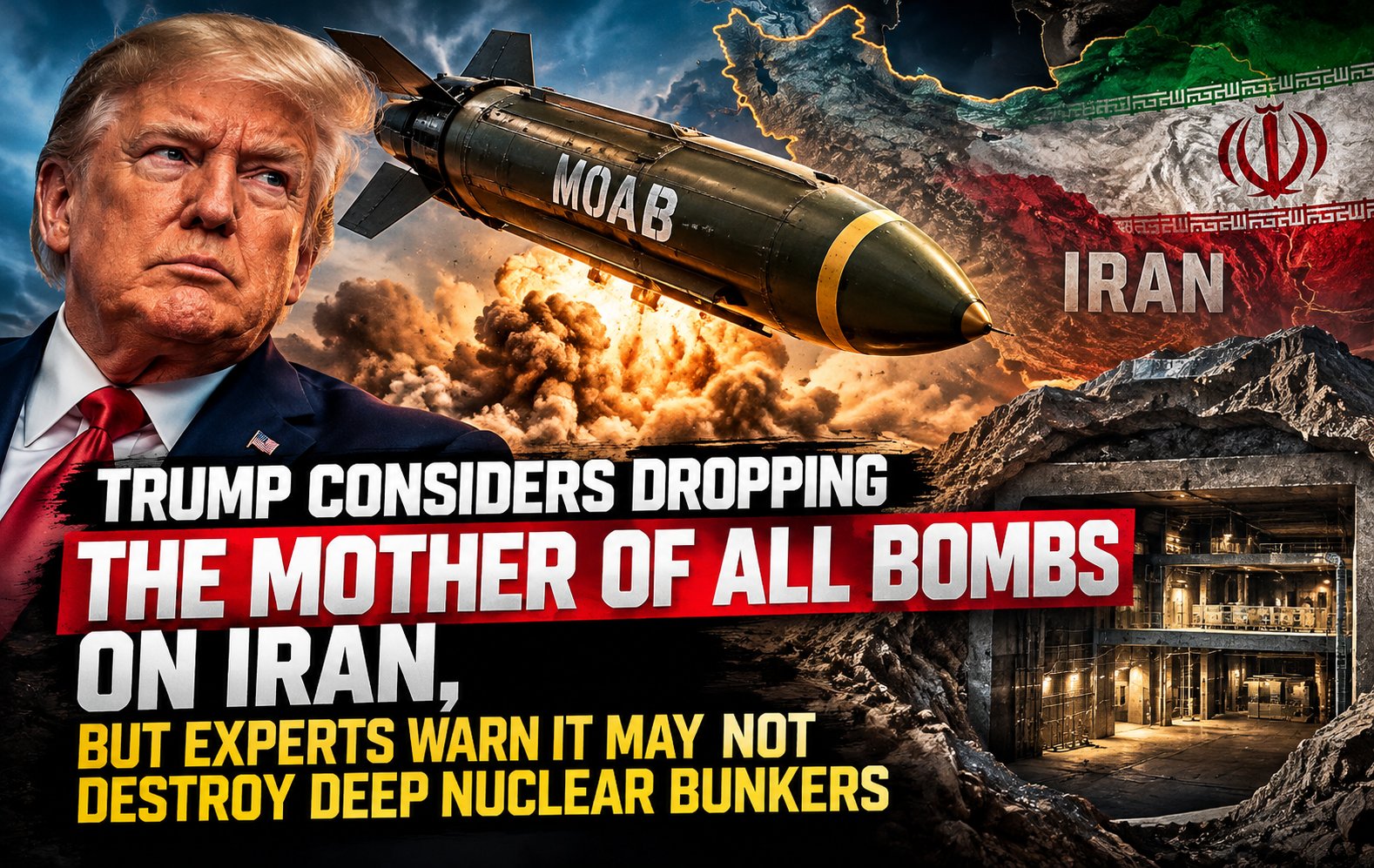
When Donald Trump tore up the Iran nuclear deal in 2018, his administration sold it as strength.
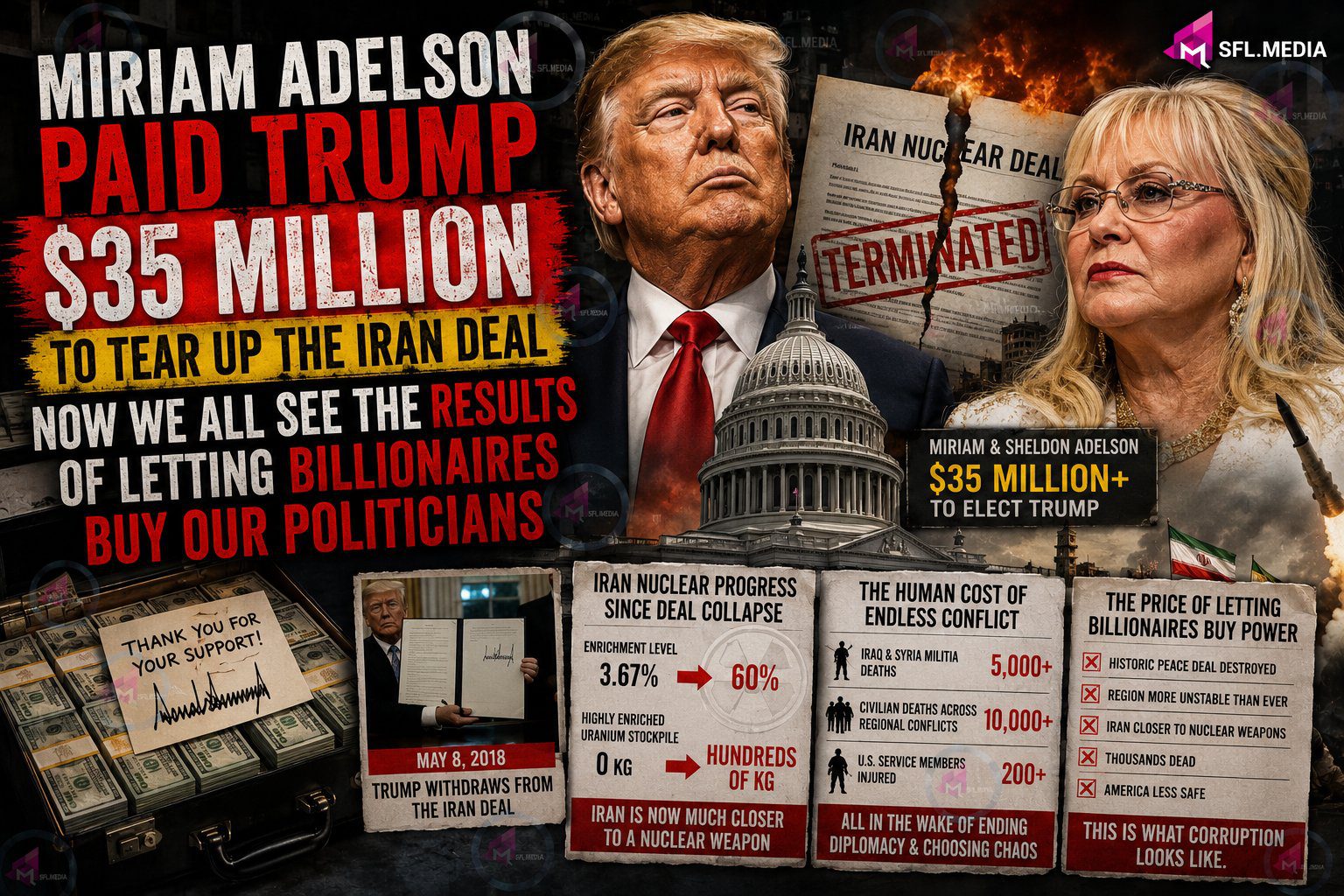
Eight years later, the Middle East is burning, Iran is dramatically closer to nuclear weapon capability than it was under the agreement, thousands are dead across regional proxy conflicts and escalations tied to U.S. Iran tensions, and the world is objectively less stable than before the deal was destroyed.
That reality forces an ugly question into the open:
What happens when billionaires become powerful enough to help shape global security policy around their personal ideology? Because the collapse of the JCPOA, the Iran nuclear agreement negotiated under President Obama alongside Britain, France, Germany, Russia, China, and the European Union, increasingly looks less like strategic statecraft and more like a catastrophic donor driven political decision. And no donor loomed larger over that decision than Miriam Adelson and her late husband Sheldon Adelson.
The Deal Was Containing Iran
The core fact critics of the withdrawal struggle to escape is simple:
The deal was working at its primary mission. Under the JCPOA, Iran’s uranium enrichment was capped at 3.67%, its stockpile was massively reduced, advanced centrifuge deployment was restricted, and international inspectors had access to facilities across the country. At the time Trump withdrew, international monitors repeatedly confirmed Iran was complying with the agreement.
Today, Iran possesses uranium enriched up to 60% purity, dangerously close to weapons grade territory. Experts widely acknowledge the breakout timeline toward a bomb is now vastly shorter than it was under the deal. In other words, the policy designed to stop Iran from advancing its nuclear capabilities ended up accelerating them. That is not opinion. That is the strategic outcome.
The Human Cost of Destroying Stability
The death toll connected to the collapse of U.S. Iran relations since the withdrawal cannot be pinned entirely on one decision. History is more complicated than that. But pretending the withdrawal did not dramatically increase instability would be dishonest. After the United States exited the agreement, the region spiraled through escalating sanctions, tanker seizures, militia warfare, missile strikes, the assassination of Iranian General Qasem Soleimani, retaliatory attacks, proxy escalations in Iraq and Syria, and growing regional confrontation involving Israel, Hezbollah, Hamas, and Iranian backed militias.
Thousands of people across the region have died in conflicts directly or indirectly tied to the post-JCPOA escalation cycle. Hundreds of Iraqi militia fighters and soldiers were killed during U.S. Iran proxy confrontations. Civilians died during retaliatory attacks and regional destabilization campaigns. U.S. service members suffered traumatic brain injuries during Iranian missile strikes following the Soleimani assassination. Shipping lanes destabilized. Oil markets convulsed. Regional wars intensified. Terror organizations exploited the chaos. And looming above all of it is the terrifying reality that Iran is now significantly closer to a nuclear weapon capability than when the agreement existed.
The world paid an enormous price for the destruction of that deal.
Trump’s Foreign Policy for Sale
What makes the story politically toxic is not simply that Trump withdrew. It is the perception that powerful billionaire donors helped create the political environment that made the withdrawal inevitable. The Adelsons spent enormous sums backing Trump and Republican causes. Sheldon Adelson in particular was one of the most aggressively anti-Iran-deal donors in American politics and reportedly pushed relentlessly for withdrawal. Then Trump delivered exactly that.
Critics argue the sequence exposed something deeply dangerous about modern American politics: foreign policy becoming transactional enough that ideological billionaires can help steer civilization level decisions through money and influence. That accusation becomes even harder to dismiss when Trump himself openly frames politics in transactional terms. This is a president who has repeatedly blurred the lines between national interest, personal loyalty, donor relationships, and political favors. And in this case, the transaction may have helped destroy one of the few functioning diplomatic structures preventing nuclear escalation in the Middle East.
The Strategic Result Was a Disaster
Trump promised a “better deal.” There never was one.
Instead, the United States isolated itself from many of its allies, fractured the international coalition enforcing restrictions on Iran, and handed hardliners inside Tehran political ammunition to restart enrichment efforts. The result? Iran is stronger strategically than it was under the agreement. Its nuclear capabilities are more advanced. Its leverage is greater. The region is more unstable. And the risk of catastrophic war is significantly higher. That is the real legacy of destroying the JCPOA. Not strength. Not peace through pressure. Just more death, more instability, and a nuclear crisis far worse than the one the agreement had successfully frozen.
Sources
- Council on Foreign Relations – What Was the Iran Nuclear Deal?
- Reuters – Iran Nuclear Enrichment Escalation
- Congressional Research Service – U.S.-Iran Conflict and Policy
- Arms Control Association – The JCPOA at a Glance
- Al Jazeera – Timeline of U.S.-Iran Escalation After Soleimani Killing
- Wikipedia – Assassination of Qasem Soleimani

























Want to join the conversation?
Create an account or sign in to share your thoughts, vote,
and reply to other readers.
Showing 0 of 0 comments
Don't have an account?
Already have an account?