
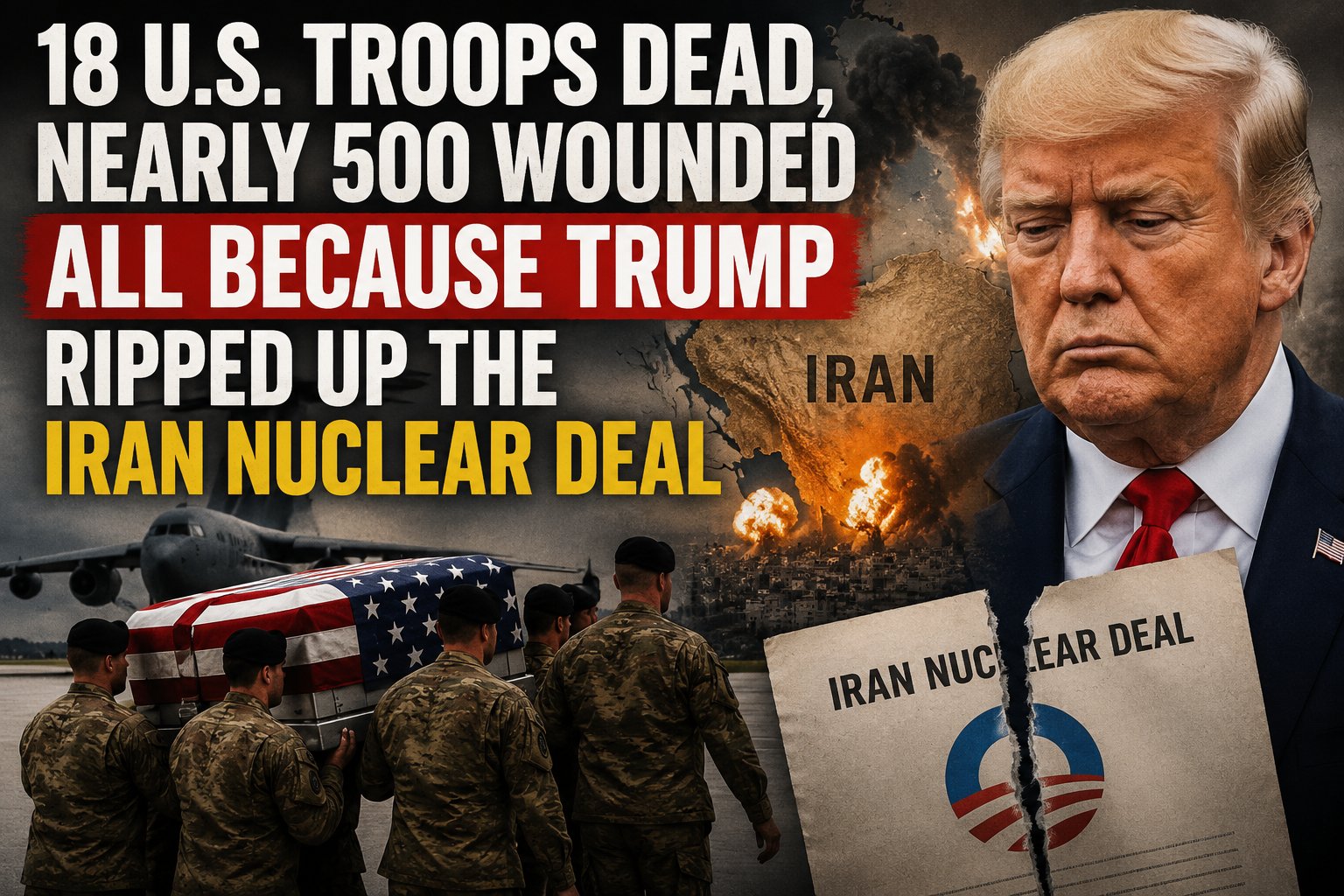
Trump’s Iran War Leaves Thousands Dead, Billions Destroyed, and Raises New Questions About the Cost of a War Critics Say Could Have Been Avoided
WASHINGTON — Nearly five months after President Donald Trump launched military strikes against Iran alongside Israel, the human and financial costs of the conflict continue to mount, fueling renewed debate over whether the war was a strategic necessity or what critics describe as a preventable “war of choice.” The conflict has left thousands dead, tens of thousands wounded, major military infrastructure destroyed across the Middle East, and prompted Congress to approve a dramatic increase in U.S. defense spending as lawmakers brace for a prolonged regional confrontation. (The Guardian)
While the Trump administration argues the campaign was necessary to eliminate Iran’s military capabilities and prevent future nuclear threats, opponents contend the conflict was the culmination of years of escalating tensions that accelerated after the United States withdrew from the 2015 Iran nuclear agreement.
The Human Cost Continues to Grow
The Pentagon has acknowledged roughly 18 to 20 U.S. military personnel killed during the conflict, along with hundreds of wounded service members, though many casualty reports remain fluid as operations continue. Recent reporting also documents additional U.S. deaths and more than 420 injuries from Iranian retaliatory strikes on American installations in Jordan, Bahrain, Kuwait, and elsewhere in the region.
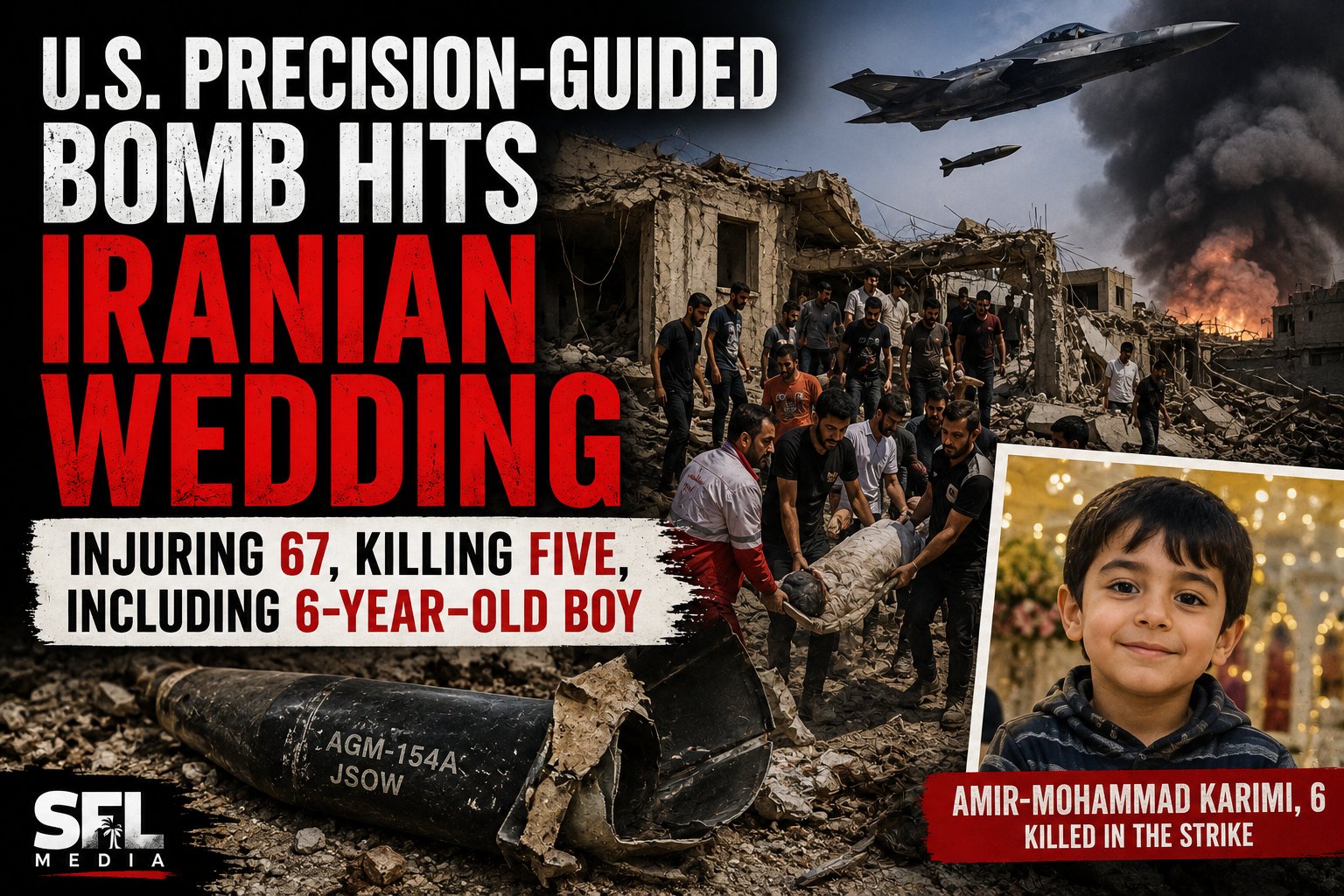
The toll inside Iran has been substantially higher. Independent human rights organizations, Iranian state media, and intelligence assessments vary significantly, but all indicate casualties numbering in the thousands. Estimates cited by rights monitors place total military and civilian deaths well above 3,000, while some assessments are considerably higher. Tens of thousands of Iranians have reportedly been injured during months of airstrikes, missile attacks, and urban combat. (AP News)
The conflict also claimed numerous senior Iranian leaders, including Supreme Leader Ali Khamenei, whose death was confirmed by Iranian state media following the joint U.S. Israeli strike that marked one of the war’s defining moments.
Billions of Dollars in Military Losses
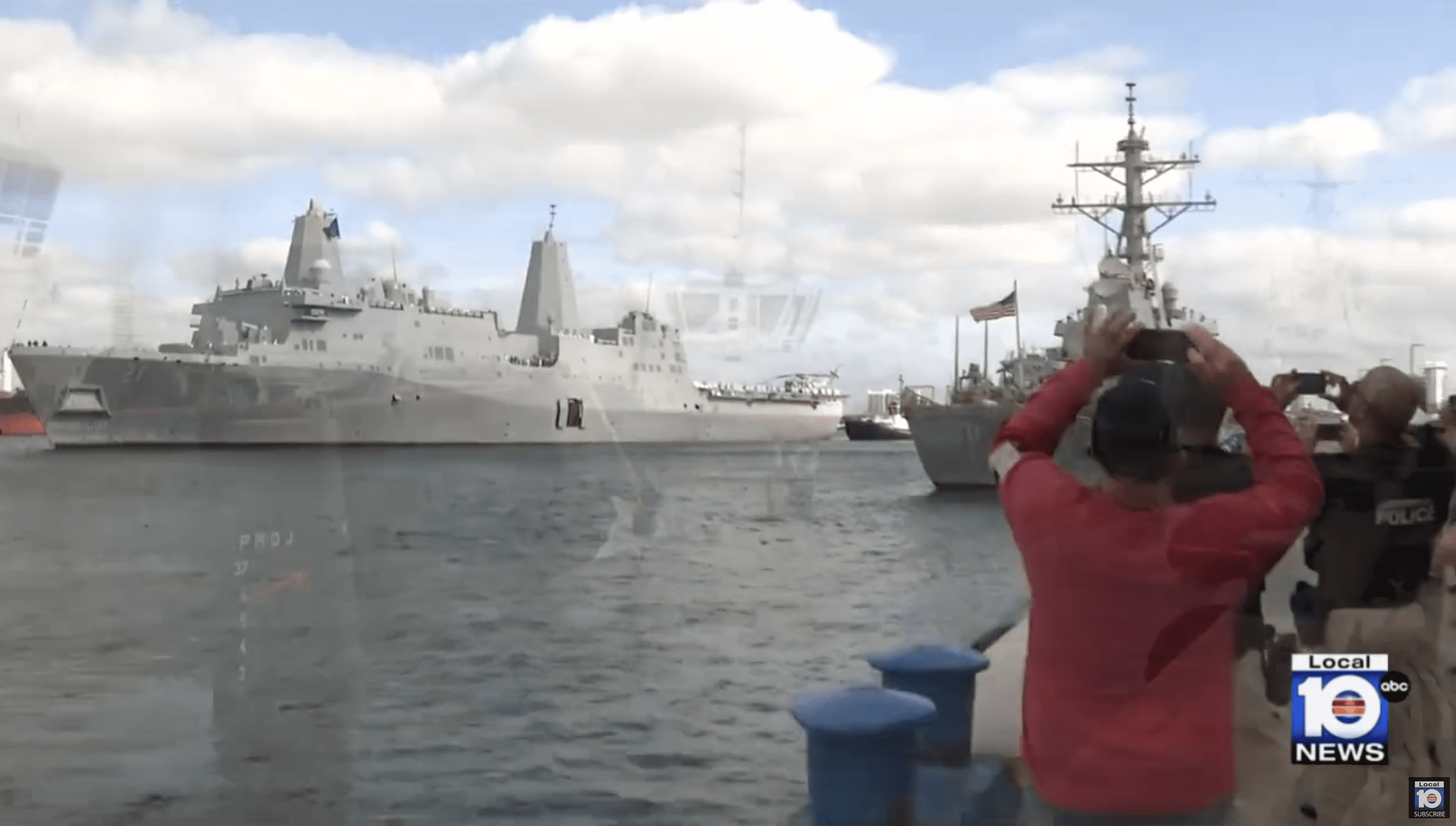
Beyond the human toll, the conflict has inflicted enormous economic damage. U.S. military infrastructure across the Persian Gulf has sustained repeated missile and drone attacks, with damage estimates reaching into the billions of dollars. American aircraft, drones, radar installations, communications equipment, and regional bases have all been targeted during Iranian retaliatory operations, according to defense assessments and congressional reporting.
Iran’s losses have been even more extensive. U.S. and Israeli strikes heavily targeted Iran’s air defenses, missile production facilities, Revolutionary Guard infrastructure, command centers, naval bases, and military airfields, significantly degrading Tehran’s conventional military capabilities. Officials have described the campaign as one of the largest sustained air offensives against Iran in modern history.
A Debate Years in the Making
Whether the war could have been avoided remains one of its most contentious political questions. The roots of today’s conflict stretch back to the 2015 Joint Comprehensive Plan of Action (JCPOA), negotiated during President Barack Obama’s administration between Iran and six world powers. Under the agreement, Iran accepted strict limits on uranium enrichment, reduced its nuclear stockpile, and allowed extensive inspections by the International Atomic Energy Agency in exchange for sanctions relief.
In 2018, President Trump withdrew the United States from the agreement, calling it “the worst deal ever negotiated,” and reinstated sweeping economic sanctions under a “maximum pressure” campaign designed to force Iran into accepting a broader agreement.
Supporters of that decision argued the JCPOA failed to address Iran’s ballistic missile program, regional proxy networks, and sunset provisions that would eventually expire. They contend stronger economic and military pressure was necessary to counter Tehran’s long term ambitions.
Critics argue the withdrawal undermined a functioning diplomatic framework, weakened international monitoring of Iran’s nuclear program, and accelerated a cycle of escalation that eventually culminated in open warfare. They point to years of increasing uranium enrichment, collapsing negotiations, proxy attacks, and retaliatory military actions following the U.S. withdrawal as evidence that diplomatic channels steadily eroded after 2018.
Congress Expands Defense Spending
As the war continues, Congress has moved to dramatically increase military funding. The House recently approved H.R. 8800, authorizing one of the largest defense budgets in U.S. history as lawmakers cite the Iran conflict, competition with China, and broader global instability as justification for increased military spending. (Reddit)
Supporters say the investment is necessary to replenish weapons stockpiles, strengthen missile defenses, and maintain American military readiness. Opponents argue the escalating costs of the Iran conflict demonstrate the financial burden of sustained military engagement at a time when the national debt continues to grow.
The Political Divide
The conflict has become one of the defining foreign policy debates of Trump’s second presidency. Administration officials maintain that military action significantly weakened Iran’s strategic capabilities and reduced long-term threats to the United States and its allies.
Opponents counter that the conflict illustrates the risks of abandoning diplomatic agreements without a viable replacement and warn that the United States may face years of continued military commitments, reconstruction costs, and regional instability.
As casualty figures continue to rise and Congress authorizes hundreds of billions of dollars in additional defense spending, the debate has shifted beyond battlefield victories to a broader question that may shape American foreign policy for years to come: whether the costs of the war ultimately produced security gains that could not have been achieved through diplomacy, or whether they reflect the consequences of a conflict that many analysts and political leaders argue might have been avoided.














































Want to join the conversation?
Create an account or sign in to share your thoughts, vote,
and reply to other readers.
Showing 0 of 0 comments
Don't have an account?
Already have an account?