
JetBlue Faces Bankruptcy Fears Just Months After Spirit’s Collapse Shook South Florida Aviation
The U.S. airline industry may be heading into another brutal financial reckoning and this time, even carriers once viewed as survivors are starting to look vulnerable. Just weeks after the collapse of Spirit Airlines sent shockwaves through the budget travel market and transformed operations at Fort Lauderdale-Hollywood International Airport, one of the most recognizable names in modern aviation is now openly being discussed in bankruptcy terms. And the warning did not come from internet speculation or Wall Street rumor mills. It came from the man who founded JetBlue Airways itself.
JetBlue’s Own Founder Says Bankruptcy Is a Real Possibility
During a discussion with pilots at Breeze Airways, JetBlue founder David Neeleman delivered an unusually blunt assessment of the airline’s financial condition. According to remarks that quickly spread online, Neeleman warned that JetBlue could lose roughly $1.3 billion this year under current fuel cost projections, a figure he suggested could realistically push the airline into bankruptcy territory.
That is an extraordinary statement coming from the architect of the airline itself. Neeleman explained that losses on that scale could drive JetBlue’s debt load toward $9 billion while annual interest obligations balloon from over $600 million to roughly $800 million annually. In simple terms, the company could reach a point where it is spending enormous amounts of money just servicing debt while struggling to remain operationally competitive in an increasingly hostile airline market. And perhaps most tellingly, Neeleman reportedly stated that major airlines including United Airlines, Southwest Airlines, and Alaska Airlines have little interest in acquiring JetBlue due to concerns surrounding its financial burden. That leaves the airline in an increasingly isolated position.

The Spirit Collapse Changed Everything in South Florida
The timing of this crisis matters enormously for South Florida.
Spirit’s collapse earlier this year detonated one of the largest shifts in regional aviation seen in decades. Spirit controlled roughly 30% of traffic at Fort Lauderdale-Hollywood International Airport, making it one of the airport’s defining carriers. When Spirit imploded, it left behind empty gates, abandoned routes, operational chaos, and millions of suddenly displaced passengers.
JetBlue immediately moved to seize the opportunity. The airline aggressively expanded its Fort Lauderdale footprint, announcing plans for approximately 130 daily departures by summer 2026, a massive increase intended to transform JetBlue into the dominant post Spirit carrier in Broward County. New routes were rapidly added across domestic and international markets, including expanded Colombia service to Cartagena, Barranquilla, and Cali. From the outside, it looked like strategic expansion. But critics now argue it may also have been desperation.
The Airline Industry Is Quietly Under Severe Pressure
The broader aviation industry remains under intense financial stress despite strong passenger demand. Fuel costs remain volatile. Labor expenses have surged following post pandemic union negotiations. Aircraft delivery delays continue disrupting fleet planning across the sector. Interest rates remain painfully high for heavily leveraged companies. Budget carriers are being squeezed from every direction. The ultra-low-cost model that once fueled massive growth for carriers like Spirit is now under severe strain as consumers demand lower fares while operational costs continue climbing.
Meanwhile, legacy airlines with stronger balance sheets are increasingly dominating profitable premium and international markets. JetBlue now appears trapped in the middle. It lacks the financial firepower of the largest carriers but also lacks the ultra-low-cost structure that once allowed airlines like Spirit and Frontier to survive brutal pricing wars. That middle ground is becoming dangerous.
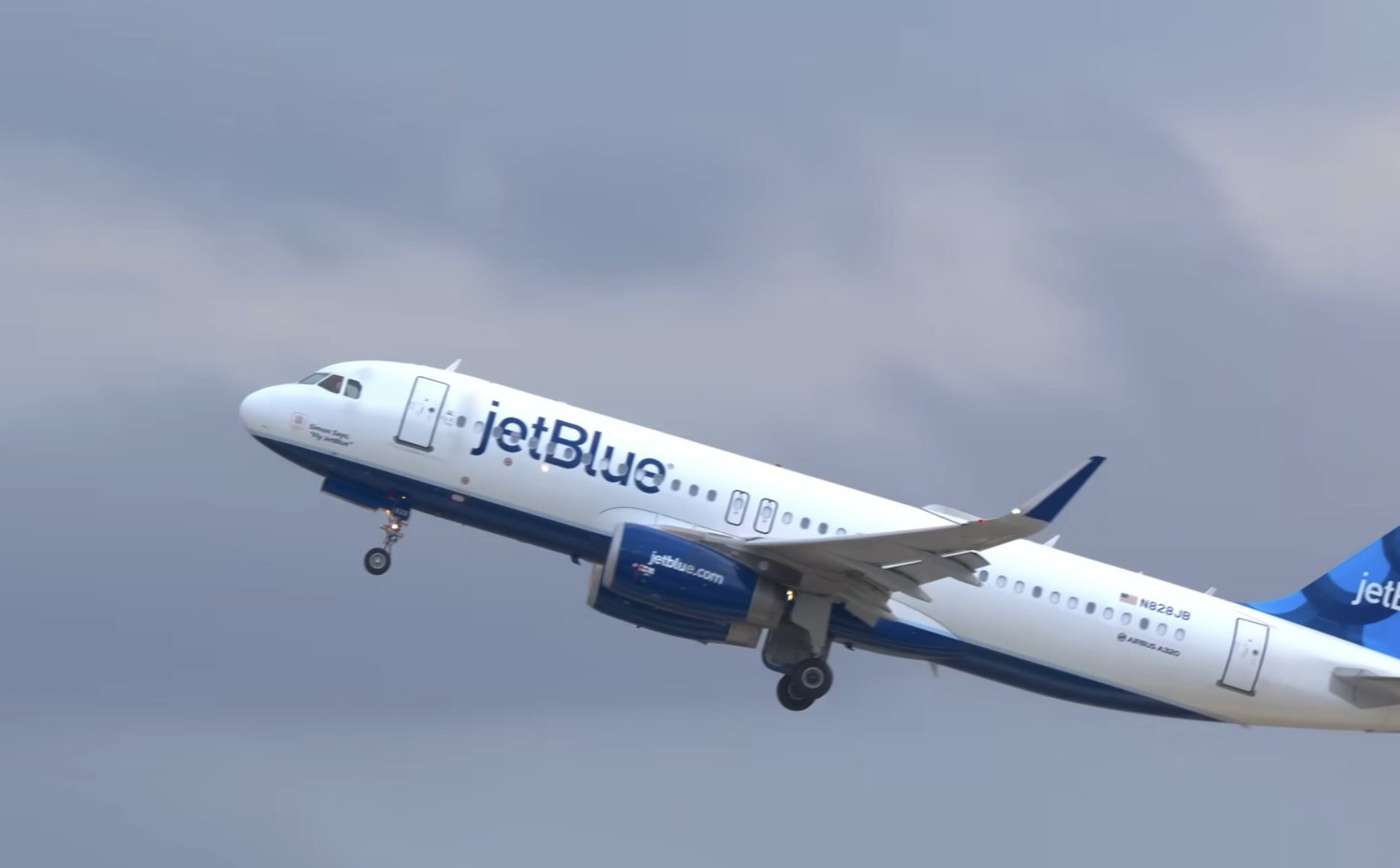
South Florida Could Feel the Pain Again
For South Florida travelers, another airline collapse would be far more than a corporate story. It would directly affect airport traffic, tourism, jobs, flight pricing, and regional connectivity. Fort Lauderdale airport was already forced into a rapid restructuring after Spirit’s downfall. Thousands of jobs tied directly or indirectly to Spirit were impacted across airport operations, contractors, hospitality, and tourism sectors.
If JetBlue were to face severe restructuring or bankruptcy proceedings, the effects could ripple across the region again. And unlike Spirit, JetBlue has aggressively positioned itself as one of the replacement carriers absorbing Spirit’s abandoned market share. That means a JetBlue financial crisis would hit at the exact moment South Florida aviation is still stabilizing from the previous collapse.
Bankruptcy Does Not Always Mean Liquidation, But It Is Still Dangerous
It is important to understand that airline bankruptcies do not always mean planes stop flying overnight. Under Chapter 11 restructuring, airlines often continue operating while cutting debt, renegotiating labor contracts, shrinking fleets, and restructuring routes. But even “successful” bankruptcies can devastate workers, investors, consumers, and local economies. Routes disappear. Employees are laid off. Loyalty programs are weakened. Service quality drops. Ticket prices often rise once competition decreases. South Florida already learned that lesson with Spirit. Now the possibility of JetBlue entering the same conversation is sending another wave of concern through the aviation industry.
The Bigger Problem: America’s Airline Industry Is Becoming Fragile
The deeper issue here is not just JetBlue. It is the growing instability of the American airline ecosystem itself. Over the last twenty years, the industry consolidated into a small group of mega-carriers while smaller airlines took on massive debt trying to compete. The result is a system where only a handful of giants appear financially durable while mid-sized and budget carriers increasingly live on the edge. That creates enormous vulnerability for cities like Fort Lauderdale that depend heavily on tourism, discount travel, and high passenger volume. If competition keeps collapsing, consumers will ultimately pay the price through higher fares, fewer routes, and reduced service. And in South Florida, one of the most airline-dependent regions in America, those consequences would hit especially hard.
















































Want to join the conversation?
Create an account or sign in to share your thoughts, vote,
and reply to other readers.
Showing 0 of 0 comments
Don't have an account?
Already have an account?