
The biggest talking point from the United States dramatic Round of 32 victory over Bosnia and Herzegovina at the 2026 FIFA World Cup was not the result itself, but the controversial red card shown to forward Folarin Balogun after a lengthy Video Assistant Referee (VAR) review.
The dismissal has ignited widespread debate over the use of VAR protocols during the tournament, with many analysts questioning whether the incident met the threshold for serious foul play and whether the review process itself was handled correctly.
Balogun, who had already found the back of the net for the United States, was sent off late in the match following what initially appeared to be an innocuous challenge with Bosnia and Herzegovina defender Tarik Muharemović.
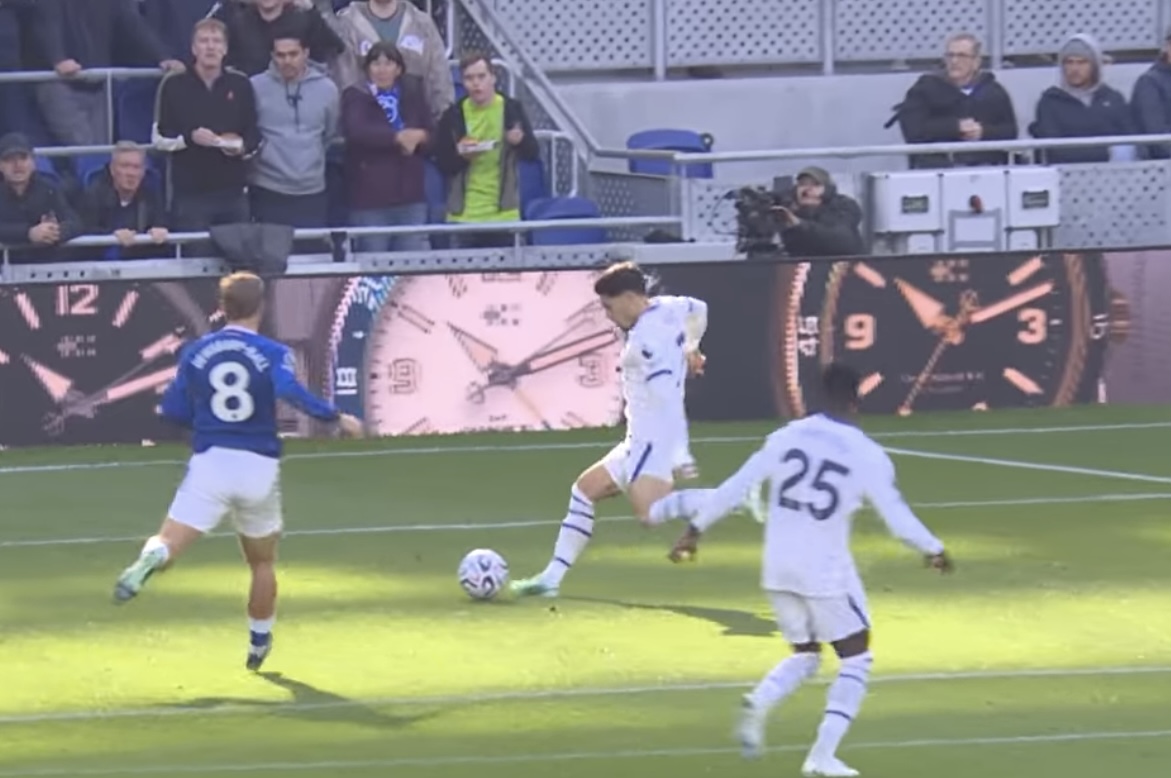
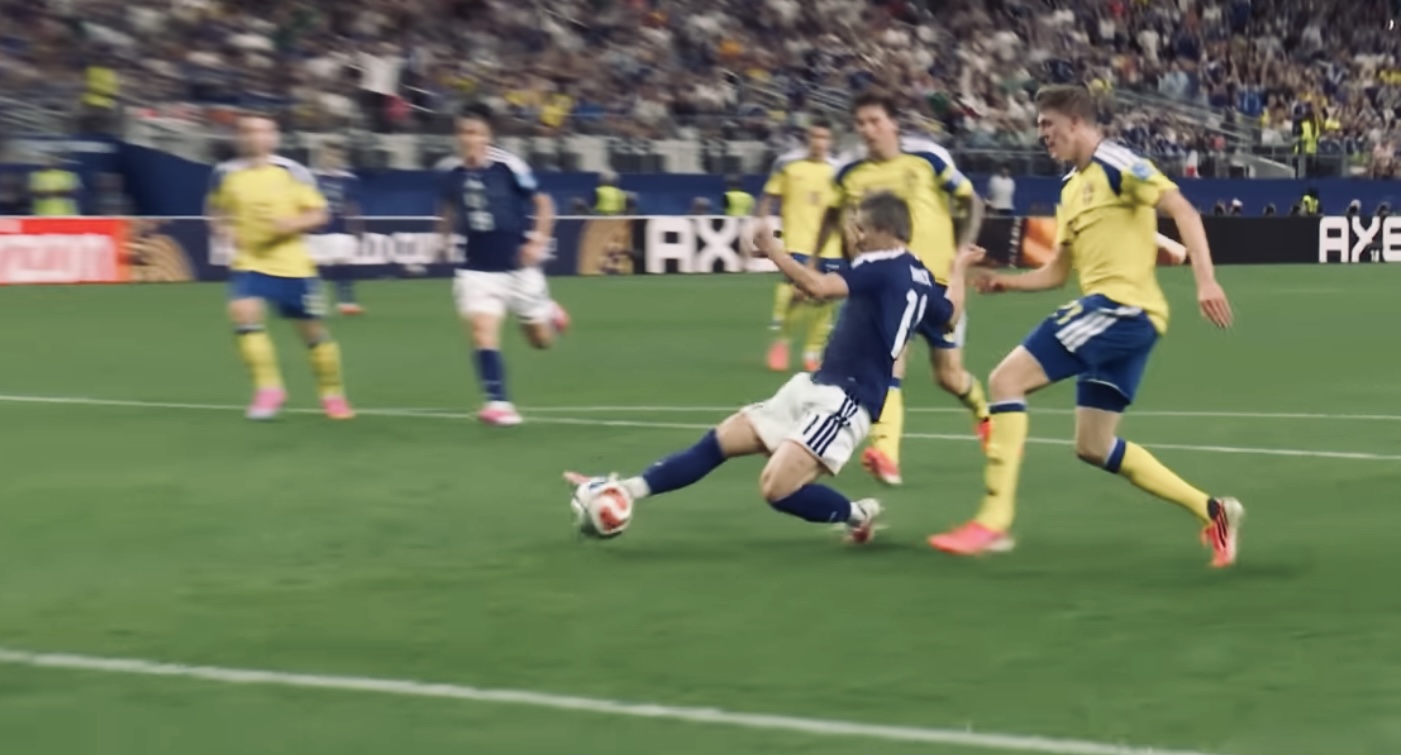
The incident unfolded as both players challenged for a loose ball in midfield. Play continued initially, but the VAR intervened after reviewing footage that appeared to show Muharemović’s right ankle buckling under contact from Balogun.
Believing the challenge may have constituted serious foul play (SFP), the VAR recommended an on-field review.
The referee then visited the pitchside monitor, where he was shown slow-motion replays and still-frame images emphasizing the point of contact between the players.
After reviewing the footage, the referee upgraded the original decision and issued Balogun a straight red card.
Why this decision is being questioned? While the replay looked severe in slow motion, many refereeing experts argue that the incident has become an example of VAR being used outside its intended protocol.
The challenge involved two players legitimately contesting possession, with Balogun making what appeared to be an accidental collision rather than a reckless or deliberate tackle.
Critics believe the replay exaggerated the severity of the contact.
VAR guidelines state that slow-motion footage should primarily be used to identify the exact point of contact in potential red-card incidents, while the overall intensity and nature of a challenge should be judged at normal speed.
Instead, officials relied heavily on slow-motion and freeze-frame images that made the collision appear far more dangerous than it did in real time.
Once those images were presented on the monitor, however, it became increasingly difficult for the referee not to issue a red card.
Many observers believe the process itself influenced the final outcome more than the actual challenge.
The dismissal carries significant consequences for the U.S. men’s national team.
Under FIFA regulations, a straight red card at the World Cup results in an automatic one-match suspension, ruling Balogun out of the Americans’ Round of 16 showdown against Belgium.
Balogun has been one of the United States’ most dangerous attacking players throughout the tournament, and his absence will leave a major gap in the team’s frontline as it prepares for one of its toughest tests of the competition.
No Right to Appeal. Adding to the frustration for the United States, there is no formal avenue to appeal the red card.
Because the decision resulted from an on-field review initiated by VAR rather than a case of mistaken identity, FIFA regulations do not permit the USMNT to challenge the dismissal.
Sources have indicated that the automatic suspension will stand, regardless of the widespread disagreement surrounding the decision.
The situation could become even more damaging for the Americans.
FIFA’s disciplinary panel will review the incident and determine whether Balogun’s challenge deserves punishment beyond the standard one-match suspension.
If the panel concludes the tackle constituted particularly serious foul play, the forward could receive an extended ban, potentially ending his participation in the tournament depending on how far the United States advances. That decision is expected before the Round of 16 fixtures begin.
Balogun’s dismissal has quickly become one of the defining officiating controversies of the 2026 FIFA World Cup and is likely to fuel renewed debate about how VAR should be implemented in high-stakes matches.
While the technology is designed to eliminate clear and obvious errors, critics argue that excessive reliance on slow-motion footage can distort challenges that occur naturally during normal football movements.
The incident serves as another reminder that while VAR continues to improve decision-making in many situations, its application remains heavily dependent on how officials interpret both the Laws of the Game and the established review protocols.
For the United States, the focus now shifts to preparing for Belgium without one of its key attacking threats. For FIFA, Balogun’s controversial dismissal has become another case study in the ongoing effort to balance technology with the spirit and flow of the game on football’s biggest stage.




















































Want to join the conversation?
Create an account or sign in to share your thoughts, vote,
and reply to other readers.
Showing 0 of 0 comments
Don't have an account?
Already have an account?