
Cameras Targeted Across Multiple States
Flock Safety cameras are becoming targets of vandalism across the country as communities continue to debate the benefits and risks of automated license plate reader technology.
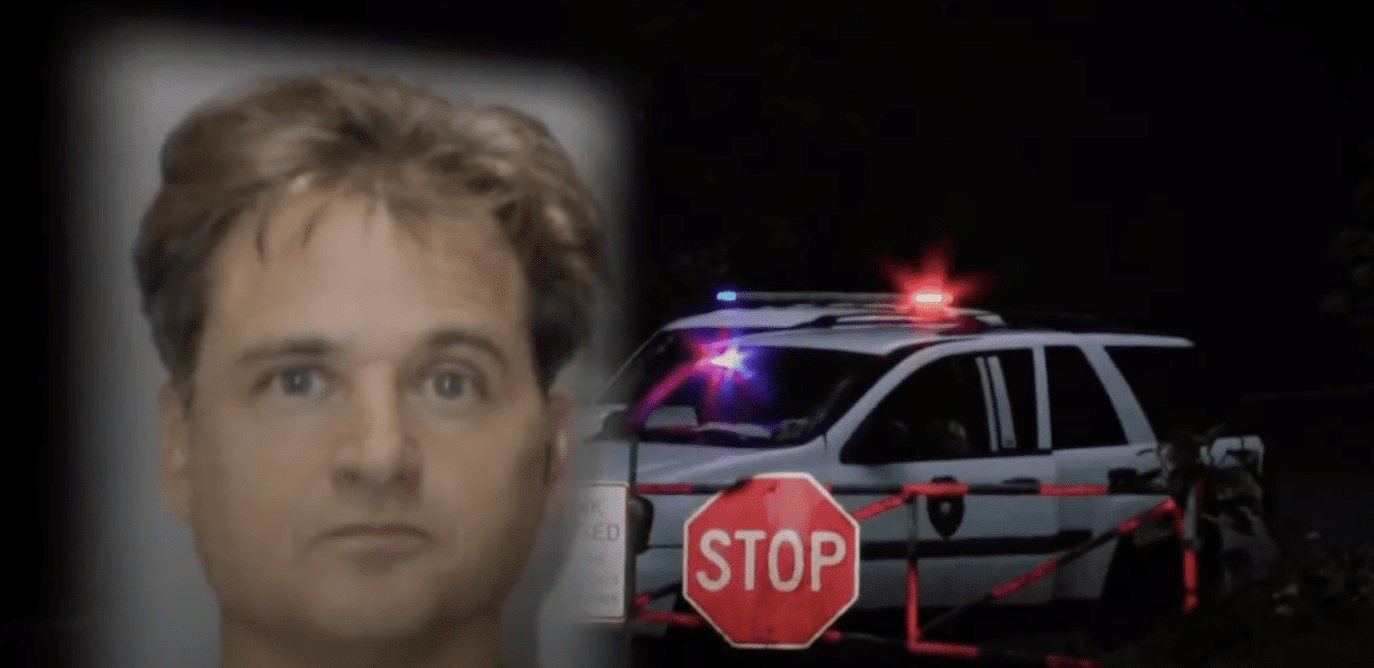
Flock cameras have been damaged, cut down or otherwise vandalized in communities across the United States. Reports have documented dozens of incidents involving the surveillance cameras, with some being targeted shortly after they were installed. The incidents have added another layer to an already heated national debate over how much surveillance should be used in public spaces.
Authorities have investigated the vandalism as criminal activity, with potential charges depending on the circumstances and state laws. In some communities, officials have warned that damaging or destroying the cameras can result in serious criminal penalties.
What Flock Cameras Are Designed To Do
Flock Safety cameras are automated license plate readers designed to capture information about vehicles traveling through an area. The systems can identify license plates and collect additional vehicle characteristics, including the vehicle’s make, model and color.
Law enforcement agencies use the technology as an investigative tool. Police can search the collected information when investigating crimes and attempt to determine whether a particular vehicle was in an area at a specific time. Supporters say the technology can help investigators identify suspects, locate stolen vehicles and develop leads more quickly.
Flock Safety has defended its technology as a public safety tool and says its systems include safeguards intended to prevent misuse. The company maintains that the cameras are designed to assist law enforcement rather than provide unrestricted surveillance of individuals.
Privacy Concerns Drive Opposition
Critics argue that the technology creates significant privacy concerns because it can allow authorities to determine where vehicles have traveled. Civil liberties advocates have questioned how long the information should be retained, who should have access to it and what restrictions should apply when police search historical data.
The concerns have become more prominent as more law enforcement agencies and municipalities have adopted the technology. Privacy advocates argue that people should not have their movements documented and searchable simply because they are driving on public roads.
Questions have also been raised about whether police departments have properly followed their own policies when accessing Flock databases. Allegations of improper searches in some jurisdictions have fueled concerns about the potential for surveillance systems to be abused.
Some Communities Are Reconsidering the Technology
The controversy has prompted some communities to reconsider whether Flock cameras should remain in place. Several cities have ended contracts or placed restrictions on the technology after residents and civil liberties groups raised concerns about privacy and government surveillance.
Other communities have chosen to keep the cameras, arguing that their investigative value outweighs the privacy concerns. That divide has made Flock cameras a growing point of contention between law enforcement officials, elected leaders, privacy advocates and residents.
Supporters Say The Cameras Help Solve Crimes
Law enforcement officials who support Flock cameras argue that the technology can provide investigators with information that would otherwise take significantly more time to obtain. A vehicle captured near the scene of a crime, for example, could provide investigators with an important lead.
Supporters also argue that the cameras do not function like facial recognition systems and are focused on vehicles rather than identifying pedestrians. They say strict policies governing searches and data access can help prevent misuse while allowing police to use the technology when investigating serious crimes.
Critics Say The Technology Goes Too Far
Opponents believe the larger concern is the creation of a searchable record of vehicle movements. Even when a person has not been accused of a crime, information about where their vehicle has traveled could potentially become part of a law enforcement database.
That has led privacy advocates to call for stronger restrictions, including limits on data retention, tighter rules for searches and greater transparency about how information is shared between agencies.
The Debate Is Bigger Than The Cameras
The vandalism has become one of the most visible expressions of opposition to Flock cameras, but destroying the equipment does not resolve the larger questions surrounding the technology.
The debate ultimately centers on how communities should balance public safety with privacy in an increasingly digital world. As more police departments consider automated surveillance tools, residents and elected officials are being forced to decide what level of monitoring they are willing to accept in exchange for potential crime-fighting benefits.
For communities using Flock cameras, the challenge will be determining whether the technology can be deployed with sufficient oversight and transparency to maintain public trust. For critics, the question is whether any safeguards can adequately address the broader privacy concerns created by a growing network of vehicle surveillance.















































Want to join the conversation?
Create an account or sign in to share your thoughts, vote,
and reply to other readers.
Showing 0 of 0 comments
Don't have an account?
Already have an account?