
Candace Owens Challenges Charlie Kirk Murder Investigation on Theo Von’s Podcast, Raising Questions About Security Failures, Forensic Evidence and Turning Point USA
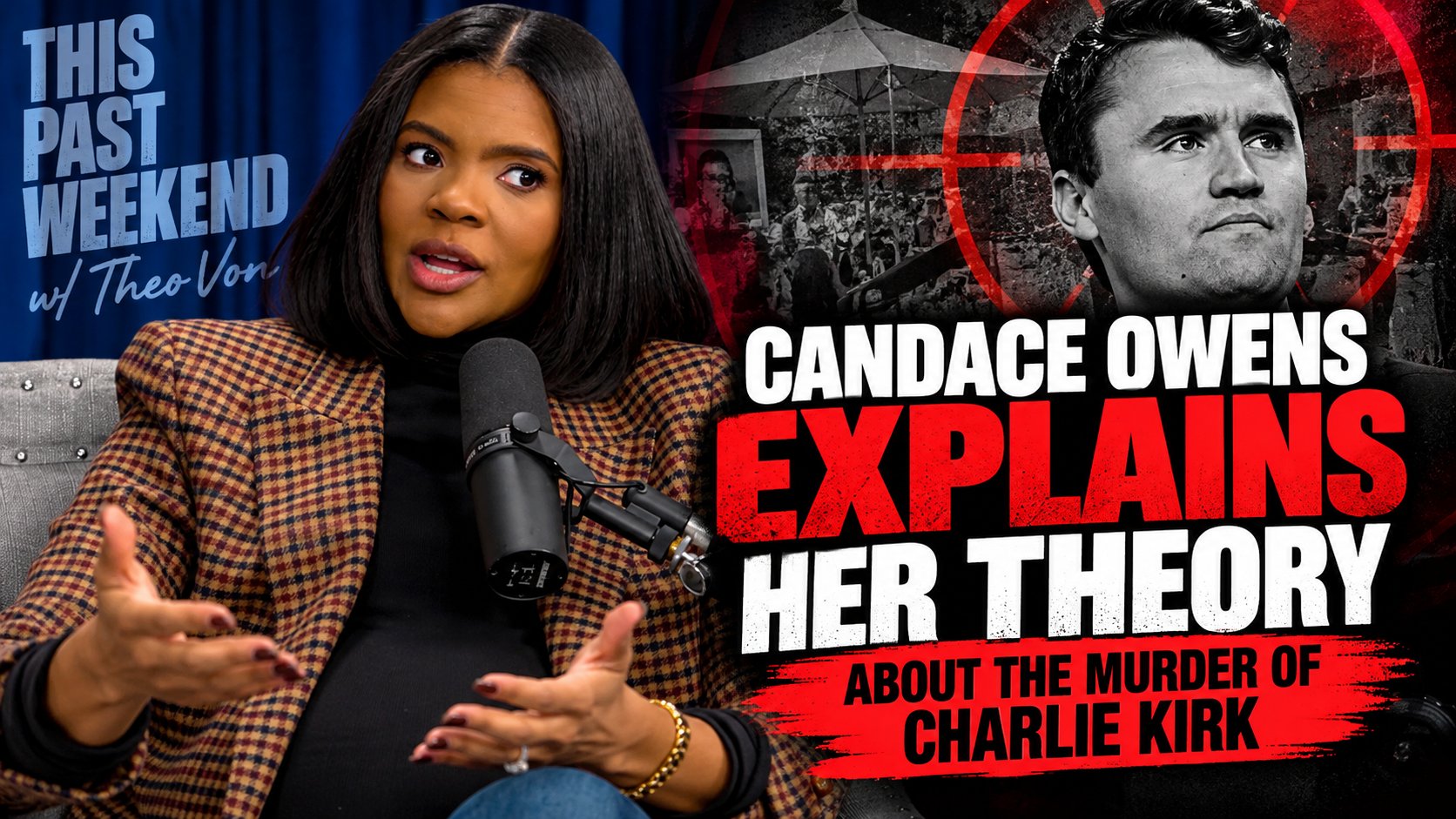
Conservative commentator Candace Owens has intensified her public criticism of the investigation into Charlie Kirk’s assassination, appearing on comedian Theo Von’s podcast to challenge the prosecution’s account of the shooting, question security failures at Utah Valley University, and accuse Turning Point USA of failing to provide adequate transparency about the events surrounding its founder’s death. While some of her concerns are supported by documented security shortcomings and unresolved forensic questions, several of her more provocative theories remain unsubstantiated by the publicly available evidence.
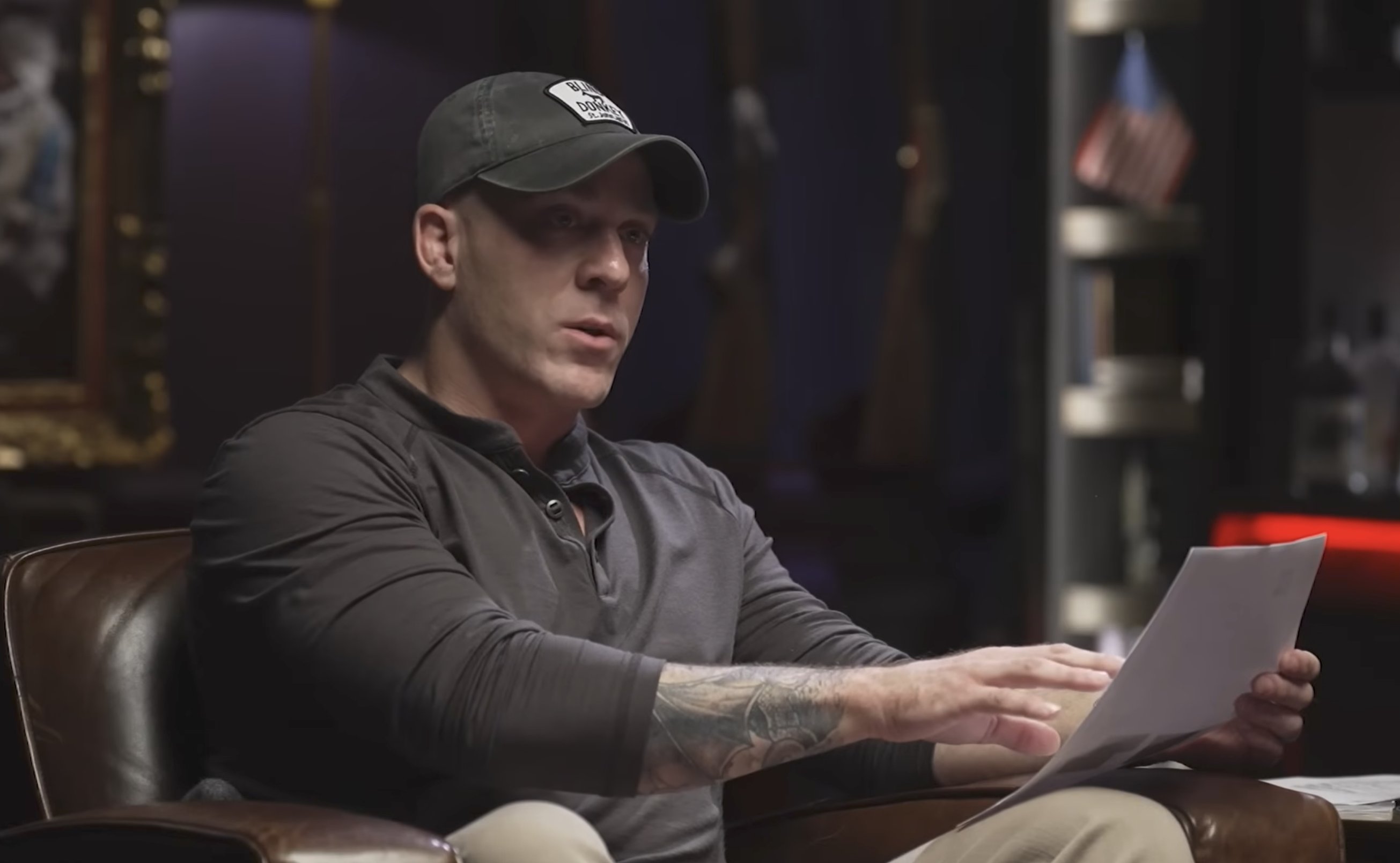
During an extended conversation on This Past Weekend with Theo Von, Owens questioned the circumstances of Kirk’s September 10, 2025, assassination during an outdoor speaking event at Utah Valley University in Orem, Utah. Her criticism focused on the physical evidence from the shooting, inconsistencies she believes exist in the official timeline, the university’s independent security review, and the conduct of Turning Point USA officials before and after the attack.
The interview comes as the criminal case against Tyler Robinson, the Utah man accused of killing Kirk, continues through the court system. Robinson faces an aggravated murder charge and additional offenses, with prosecutors seeking the death penalty. He has not been convicted and is presumed innocent unless proven guilty.
Owens’ appearance also reflects a larger struggle within conservative media over how Kirk’s death should be investigated and discussed. While some commentators have focused on the prosecution’s evidence and the failures that allowed an attacker to target Kirk, Owens has increasingly challenged the underlying account of the assassination itself, raising questions about whether the available evidence supports the conclusions being presented to the public.
The controversy illustrates the difficult boundary between legitimate investigative scrutiny and unsupported speculation. Security failures, inconsistent testimony, and inconclusive forensic findings deserve serious examination, particularly in a politically consequential murder case. However, those issues do not automatically establish that the assassination occurred differently from the prosecution’s account or that additional individuals participated in a conspiracy.
Utah Valley University’s Independent Review Reveals Significant Security Failures
One of the most substantial issues raised during Owens’ interview involves the independent review commissioned by Utah Valley University following Kirk’s assassination. Released in September 2026, the investigation examined the university’s security planning, communication with event organizers, emergency response, and the decisions that preceded the fatal shooting.
The review was conducted by an outside consortium that included security consultants, investigators, and legal professionals. Its findings were based on interviews with university personnel and other individuals involved in the event, along with an examination of institutional records, communications, security procedures, and emergency response documentation.
Investigators identified weaknesses in the planning and coordination surrounding Kirk’s appearance. The event originated with a request from the university’s Turning Point USA student chapter, and organizers initially projected an audience of approximately 600 people. University officials subsequently raised concerns involving the outdoor location, anticipated attendance, protest activity, crowd management, and access control, but the event remained scheduled for the fountain courtyard.
The report also described problems coordinating security arrangements between university officials and Kirk’s private security operation. According to reporting by The Salt Lake Tribune, the university police chief attempted to arrange a final security meeting with Kirk’s private security adviser, but that meeting did not take place.
These findings are significant because they demonstrate that the security operation was not simply a seamless protective arrangement defeated by an unforeseeable attack. University personnel had identified concerns, multiple organizations shared responsibility for different aspects of the event, and coordination problems remained unresolved before Kirk appeared onstage.
Nevertheless, the independent review did not conclude that university employees intentionally endangered Kirk, participated in his killing, or knowingly assisted an attacker. Its findings support scrutiny of security decisions and institutional accountability, but they do not establish a coordinated assassination conspiracy.
Turning Point USA Faces Questions About Cooperation and Transparency
Owens also criticized Turning Point USA, the conservative organization Kirk founded, over its response to the assassination and its participation in the independent investigation. Her criticism centered on whether the organization had adequately explained the security arrangements surrounding Kirk’s appearance and whether its leadership had been sufficiently transparent with investigators and the public.
According to The Salt Lake Tribune, Turning Point USA officials declined to participate in interviews conducted as part of the university’s independent review. The organization maintained that responsibility for campus security rested primarily with university officials and law enforcement, creating a dispute over how accountability should be divided among the groups involved.
The disagreement matters because Kirk’s appearance involved several overlapping layers of responsibility. UVU controlled the campus and maintained its own police department, while event organizers and Kirk’s private security personnel were involved in planning, logistics, and protection of the speaker. Determining which organization was responsible for specific decisions is essential to understanding whether security failures could have been prevented.
Owens has argued that the organization’s response raises additional questions about what its leadership knew and how it handled information following the assassination. Those concerns can be investigated through records, testimony, and documented communications, but a refusal to participate in one independent review does not establish that Turning Point USA participated in or concealed a murder plot.
The distinction is especially important because the organization has faced public criticism, internal political disagreements, and intense speculation since Kirk’s death. Allegations involving identifiable individuals require evidence beyond disagreements over public statements or cooperation with investigators.
The Bullet Evidence Has Become One of the Case’s Most Controversial Issues
Among the most provocative claims discussed in the interview was Owens’ argument that the physical behavior of the bullet that struck Kirk was inconsistent with the prosecution’s account. She questioned how a .30-06 rifle round could enter Kirk’s neck and remain inside his body, suggesting that the reported injuries raised doubts about the alleged shooting mechanism.
The underlying forensic record contains a legitimate point of dispute. In court filings, Robinson’s defense attorneys disclosed that an examination by the Bureau of Alcohol, Tobacco, Firearms and Explosives had not conclusively identified a recovered bullet fragment as having been fired from the rifle investigators associated with Robinson. That finding became a central focus of online commentary, with some accounts incorrectly describing the result as proof that the bullet did not match the weapon.
An inconclusive firearms comparison is not the same as an exclusion. It means the examiner could not establish a definitive identification or elimination based on the available markings and condition of the evidence. Bullet fragmentation, deformation, and damage can limit the microscopic characteristics available for comparison, making definitive conclusions difficult even when investigators possess a suspected firearm.
The preliminary hearing record also included medical evidence describing the projectile’s path through Kirk’s body. According to the testimony summarized in court proceedings, the bullet entered his neck, traveled through tissue, and came to rest in the upper back. The recovered projectile was identified as .30-caliber ammunition, and investigators discussed rifling characteristics relevant to the suspected weapon.
Owens’ suggestion that such a result would be physically impossible is not established by those findings. The behavior of a rifle projectile after impact depends on its construction, velocity, angle of entry, deformation, and interaction with tissue and bone. The caliber alone does not determine whether a projectile must exit the body.
The defense is entitled to challenge the firearm evidence, the medical examiner’s interpretation, and the prosecution’s reconstruction of the shooting. Those disputes should be evaluated through qualified expert testimony and the adversarial court process rather than treated as proof of an alternative theory before the underlying evidence has been fully examined.
Questions About the Shooting Distance and Rooftop Position
Owens also questioned the circumstances of the alleged rifle shot, including the distance between the suspected firing position and Kirk’s location. The interview summary references a distance of approximately 150 feet, but the preliminary hearing evidence described a substantially greater distance between the suspected rooftop position and the stage.
According to the court record, investigators identified a location on the roof of UVU’s Losee Center approximately 415 feet from Kirk’s speaking position, with an elevation difference of roughly 68 feet. Investigators also documented disturbances in the rooftop gravel and other physical evidence they considered consistent with the suspected firing location.
The prosecution alleges that Robinson fired from that rooftop position before leaving the area and concealing the weapon. Surveillance footage, witness information, and physical evidence have been cited in support of that account, although the defense retains the right to challenge the reliability and interpretation of those materials.
Accurate measurements matter because arguments about bullet trajectory, velocity, and the feasibility of a shot depend on the actual geometry of the scene. Substituting an unsupported distance into a forensic analysis can produce misleading conclusions, even when the underlying questions about the shooting deserve examination.
The publicly described rooftop evidence therefore remains a central component of the prosecution’s case. Its ultimate significance will depend on how the evidence withstands legal challenges, expert analysis, and cross-examination.
Owens Raises a Controversial Alternative Theory Involving Kirk’s Microphone
One of the interview’s most speculative discussions involved the microphone equipment positioned near Kirk when he was shot. Owens explored the possibility that the fatal injury might have originated from a device close to Kirk rather than from a rifle fired from a distant rooftop, introducing an alternative explanation that would fundamentally contradict the prosecution’s reconstruction of the assassination.
The suggestion is extraordinary because it would require evidence of a different weapon or mechanism, an explanation for the medical findings, and a credible account of how such a device could have been positioned and activated without detection. The available court record instead describes a gunshot wound, a recovered projectile, an alleged rifle, and a suspected rooftop firing position.
No verified forensic evidence identified in the publicly described proceedings establishes that a modified microphone caused Kirk’s fatal injury. The theory remains speculation, and the existence of disputed or inconclusive evidence involving the rifle does not independently support an alternative device.
The distinction is essential in a murder investigation. Challenging the prosecution’s reconstruction is a legitimate part of journalism and criminal defense, but proposing an entirely different mechanism of death requires affirmative supporting evidence. Without that evidence, the microphone theory cannot responsibly be presented as a credible explanation for the assassination.
Tyler Robinson’s Criminal Case Remains the Central Legal Proceeding
While Owens continues questioning the investigation publicly, the criminal prosecution of Tyler Robinson remains the principal legal proceeding through which the evidence will be examined. Robinson has been charged with aggravated murder and additional offenses related to Kirk’s death, including allegations involving a firearm, obstruction of justice, and witness tampering. Prosecutors are seeking the death penalty, making the reliability of the evidence and the fairness of the proceedings particularly consequential.
During preliminary proceedings, prosecutors presented evidence they contend connects Robinson to the killing, including surveillance footage, physical evidence associated with the suspected rifle, and electronic communications. The defense has challenged aspects of that evidence, including the interpretation of forensic findings and the circumstances surrounding certain statements and records.
Owens and Von also discussed text messages attributed to Robinson and questions involving a person identified in the interview as Lance. Their conversation raised doubts about the apparent detail of certain communications and the circumstances under which testimony or statements may have been obtained.
Those concerns should be evaluated against authenticated court records rather than assumptions about what a suspect would or would not write. A message that appears unusually detailed is not automatically fabricated, just as a statement obtained through an immunity agreement is not automatically reliable. Authentication, context, corroboration, and cross-examination are necessary to establish the evidentiary significance of such material.
Similarly, any claim that a witness received immunity requires careful examination of the specific agreement, its scope, and the circumstances under which it was negotiated. Without those documents, it would be inappropriate to characterize the witness’s legal status or suggest that immunity establishes misconduct.
The prosecution must ultimately prove Robinson’s guilt beyond a reasonable doubt. Until that occurs, he remains presumed innocent, and disputed evidence must be assessed through the courts rather than resolved through competing media narratives.
The Conflict Between Independent Podcasters and Established News Organizations
Beyond the assassination itself, Owens and Von devoted considerable attention to the growing divide between independent commentators and established institutions. Their conversation explored distrust of mainstream news organizations, government investigators, and digital information systems that summarize complicated events for online audiences.
Owens argued that institutional narratives can become entrenched before all the evidence is publicly available, making alternative explanations difficult to discuss without attracting criticism. The conversation drew comparisons to public disagreements over COVID-19, when disputes involving government guidance, scientific uncertainty, and media coverage contributed to broader skepticism toward official sources.
The rise of independent podcasts has fundamentally changed how those debates unfold. Hosts and commentators can now reach enormous audiences without relying on traditional broadcasters, allowing them to investigate overlooked issues, challenge institutional claims, and present competing interpretations of major events.
That independence can serve an important journalistic purpose, particularly when official accounts contain gaps or institutions resist scrutiny. However, it also places considerable responsibility on commentators to distinguish documented findings from suspicions, interpretations, and unsupported allegations.
The Kirk investigation illustrates the challenge. The independent UVU review provides a factual basis for questioning security preparations, while the inconclusive firearms comparison raises an issue that deserves careful forensic examination. Neither finding establishes that a microphone was used as a weapon, that a broader conspiracy existed, or that individuals criticized by Owens participated in Kirk’s killing.
A skeptical approach to official information is valuable only when the same scrutiny is applied to alternative claims. Otherwise, distrust of one narrative can simply produce uncritical acceptance of another.
What the Independent Investigation Actually Establishes
The Utah Valley University review is particularly important because it separates documented institutional failures from the criminal question of who killed Kirk. Its purpose was to examine how the university prepared for the event, how security responsibilities were coordinated, and whether existing policies and procedures were followed.
The findings identified shortcomings involving planning, communication, and security coordination. They also documented concerns raised before the event and the difficulties of managing a high-profile political appearance in an open campus environment. Those conclusions support legitimate questions about whether Kirk’s appearance should have been held in a different location, whether access to nearby rooftops was adequately controlled, and whether university police, event organizers, and private security personnel should have established clearer responsibilities before the event began.
The review also provides a basis for examining institutional accountability. Security planning is not simply a matter of responding after an attack occurs; it requires identifying foreseeable vulnerabilities and taking reasonable measures to reduce them.
However, the review did not determine criminal responsibility for Kirk’s death and did not substantiate allegations that university officials or Turning Point USA personnel knowingly facilitated an assassination. Its findings should therefore be understood as evidence of security and coordination problems, not as proof of a hidden criminal operation. That distinction does not minimize the seriousness of the failures. A preventable security vulnerability can have devastating consequences without being the result of intentional wrongdoing.
Why the Forensic Questions Deserve Serious Scrutiny Without Conspiracy Claims
The firearms evidence presents another area where legitimate investigative questions can become distorted through public commentary. An inconclusive ballistic comparison is a meaningful limitation in the evidence, particularly when prosecutors are attempting to connect a recovered projectile to a specific weapon.
It is appropriate for defense attorneys, forensic specialists, and journalists to examine why the comparison was inconclusive, what markings were available, whether other tests were performed, and how the findings relate to the prosecution’s broader evidence.
It is equally important to avoid treating an inconclusive result as a definitive contradiction. Forensic examinations frequently involve limitations, and a single test may be unable to resolve an issue that investigators attempt to address through other evidence.
The same principle applies to the medical findings. Questions about the bullet’s trajectory, fragmentation, and final position should be addressed through the autopsy record and qualified forensic analysis, not assumptions about how ammunition of a particular caliber must behave.
If additional evidence contradicts the prosecution’s reconstruction, it should be disclosed and examined. If the available evidence supports the reconstruction, that conclusion should also be reported accurately, regardless of whether it aligns with a commentator’s preferred theory. The objective should be to establish what happened, not to defend an institutional narrative or manufacture an alternative one.
Candace Owens’ Criticism Raises a Larger Question About Accountability After Political Violence
Kirk’s assassination occurred in an already polarized political environment, and the resulting investigation has become a subject of intense scrutiny across conservative media. Owens’ criticism has added another dimension to that debate by directing attention not only toward law enforcement and the criminal defendant but also toward organizations and individuals associated with Kirk’s political movement.
Her questions about security planning, organizational cooperation, and forensic evidence warrant examination because the underlying issues are consequential. A prominent political activist was killed during a public appearance, and the circumstances surrounding that event deserve a thorough accounting.
But accountability requires precision. The failure to organize a final security meeting is not equivalent to participation in a murder. An organization’s decision not to cooperate with an outside review is not proof of a cover-up. An inconclusive firearms examination is not proof that the alleged rifle was uninvolved, and speculation about a microphone does not establish an alternative cause of death.
These distinctions are particularly important when public allegations can affect the reputations and safety of people who have not been charged with wrongdoing. Political violence also creates an unusually difficult environment for factual reporting because audiences may approach the evidence through existing political loyalties, institutional distrust, or emotional reactions to the victim. The responsibility of journalists is to resist those pressures and examine the record consistently.
The Questions That Still Need Answers
Several important questions remain relevant as the legal proceedings continue. The adequacy of rooftop security, the division of responsibilities between UVU and Turning Point USA, the handling of advance planning concerns, and the precise interpretation of the forensic evidence all deserve continued scrutiny.
The criminal proceedings may provide additional information through expert testimony, authenticated communications, forensic reports, and challenges to the prosecution’s reconstruction. Separate legal proceedings and institutional reviews may also clarify whether failures in event planning or security contributed to the circumstances of the shooting. Those inquiries are more likely to produce reliable answers when they focus on specific evidence rather than theories that cannot be independently tested.
Owens has positioned herself as a critic of the official account, arguing that the public should not accept incomplete explanations simply because they come from prosecutors, institutions, or established media organizations. That principle is reasonable. Public officials and powerful organizations should be subject to scrutiny, particularly following a high-profile killing.
The same standard must apply to Owens’ own allegations. Claims that contradict the medical and physical evidence require persuasive supporting documentation, and suggestions involving additional participants demand more than perceived inconsistencies or disagreements over institutional conduct.
The Real Test of the Charlie Kirk Investigation Will Be the Evidence, Not the Narratives
Candace Owens’ appearance on Theo Von’s podcast demonstrates how Charlie Kirk’s assassination continues to fuel a contentious debate about institutional trust, political violence, and the reliability of criminal investigations.
Her criticism draws attention to genuine issues, including documented security shortcomings at Utah Valley University and limitations in the publicly described firearms evidence. Those matters deserve rigorous examination, especially because the case involves a potential death sentence and a killing with significant national political consequences.
At the same time, the interview illustrates the risks of allowing unanswered questions to become substitutes for evidence. A disputed forensic result does not establish an alternative weapon, and institutional failures do not prove that a conspiracy existed.
The investigation should be judged by the quality of its evidence, the transparency of the proceedings, and the ability of both prosecutors and defense attorneys to test competing interpretations in court. The public deserves a complete explanation of how Kirk was killed, whether security failures could have been prevented, and whether the state can prove its allegations against Robinson.
Questioning the official account is not inherently irresponsible. Presenting an unproven alternative as established fact is. As the case moves forward, the most meaningful answers will come from authenticated records, qualified forensic testimony, and evidence subjected to legal scrutiny. Neither institutional authority nor the popularity of an independent commentator should determine what the public accepts as true.
Watch Candace Owens Discuss the Charlie Kirk Investigation With Theo Von
The interview, published through Theo Von’s YouTube clips channel under the title Candace Owens Explains Her Theories About the Murder of Charlie Kirk, covers Owens’ criticism of the shooting investigation, the UVU security review, Turning Point USA, ballistic evidence, digital communications, and the broader debate over official narratives.
Sources & Further Reading

Original Interview
– Theo Von Clips — Candace Owens Explains Her Theories About the Murder of Charlie Kirk
Official Records and Security Review
Independent Reporting and Forensic Context
SFL Media Related Coverage




































Want to join the conversation?
Create an account or sign in to share your thoughts, vote,
and reply to other readers.
Showing 0 of 0 comments
Don't have an account?
Already have an account?