
Americans Think They Live in the Future. China Is Already Living in It.
From driverless taxis and 217mph bullet trains to flying aircraft, robotic factories, and electric cars that swap batteries in minutes, China is building a version of everyday life that makes much of America’s infrastructure look decades out of date. The United States still leads in some of the world’s most sophisticated technologies. But when it comes to putting futuristic technology into the hands of ordinary people, the comparison is becoming increasingly uncomfortable.
For generations, Americans have been raised on a powerful national assumption: the United States is the most technologically advanced country on Earth. Silicon Valley invented much of the modern digital economy, American companies helped build the internet, NASA put humans on the moon, and American innovation transformed how billions of people communicate, travel, and work. That reputation was earned through extraordinary scientific discoveries, industrial achievements, and entrepreneurial breakthroughs. But while Americans continue celebrating those accomplishments, another technological revolution has been unfolding on the other side of the Pacific.
China has been building. Not simply laboratories, military installations, or experimental technology parks, but functioning high speed transportation networks, automated factories, electric vehicle infrastructure, digital payment systems, and increasingly autonomous commercial services that ordinary residents can use. The transformation has been particularly dramatic in China’s largest metropolitan areas, where technology that might appear futuristic to an American visitor has become an established part of urban life.
The result is a technological divide that cannot be measured simply by counting patents, comparing stock-market valuations, or asking which country manufactures the most advanced computer chips. The more revealing question is what technology the average person actually encounters during an ordinary day. For millions of urban Chinese residents, that answer can include high speed trains, integrated mobile payments, electric buses, sophisticated delivery networks, and vehicles equipped with advanced technology at surprisingly competitive prices.
For millions of Americans, everyday life still revolves around gasoline powered automobiles, congested highways, fragmented transportation systems, aging public infrastructure, and construction projects that seem to take longer than entire presidential administrations. The country that helped invent the modern technological world often struggles to integrate its own innovations into ordinary civilian life.
This does not mean every Chinese citizen lives in a futuristic metropolis, or that the average Chinese household enjoys a higher standard of living than the average American household. Income, housing affordability, public services, rural development, and personal freedom all complicate that comparison. However, in several highly visible categories of consumer technology and physical infrastructure, China has achieved a level of deployment that deserves far more attention in the United States.
Here are ten technological developments that illustrate just how dramatically the global balance has changed, followed by a space program that challenges one of America’s most deeply rooted assumptions about its technological superiority.
1. Driverless Robotaxis: Cars That Pick You Up Without Anyone Behind the Wheel
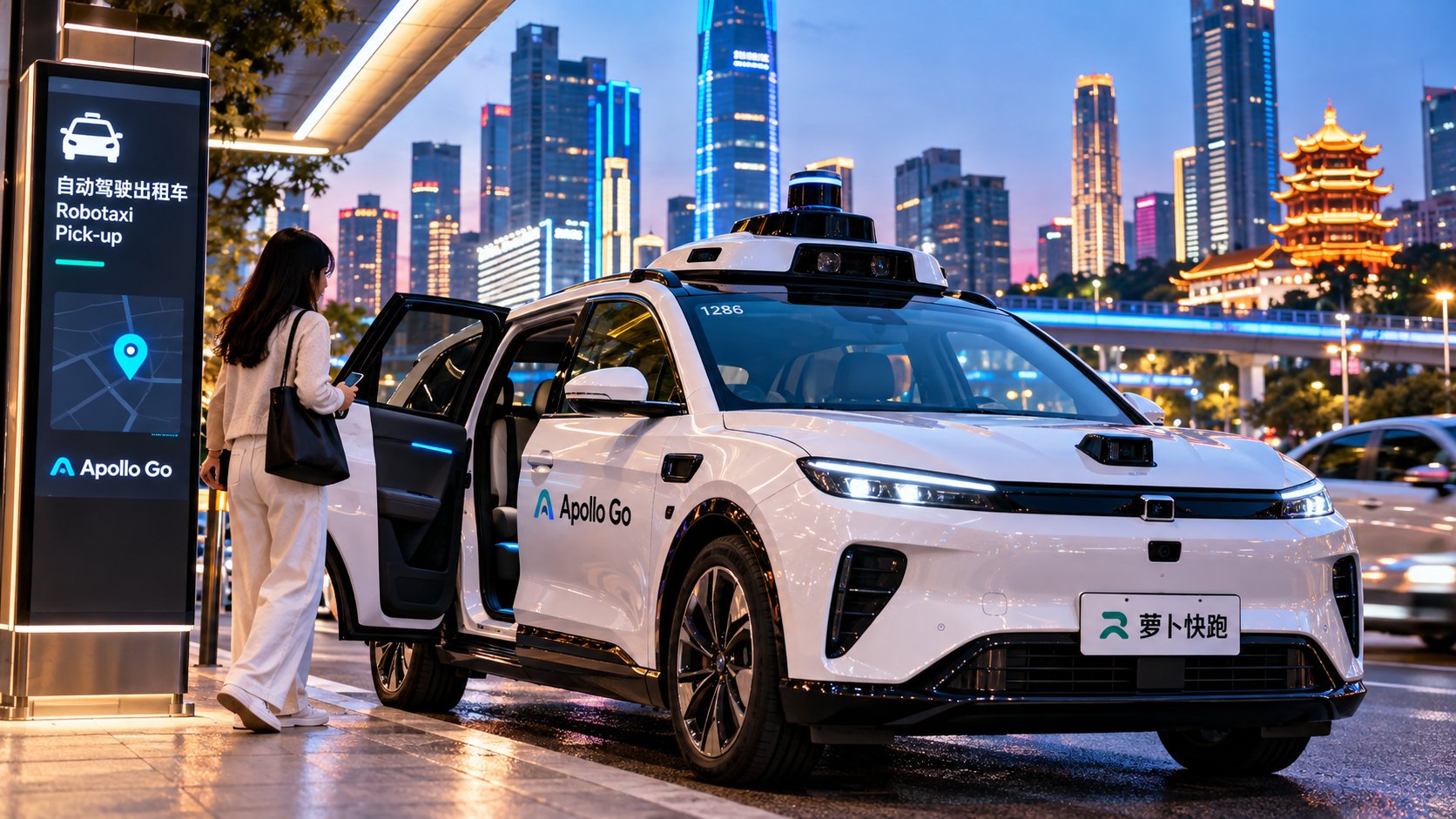
Imagine ordering an Uber, watching the vehicle arrive, and discovering there is nobody behind the steering wheel. No driver, no awkward conversation, and no human physically controlling the vehicle. The car identifies its passenger, unlocks, navigates traffic, and completes the journey using autonomous driving software. What sounds like a scene from a science-fiction movie has become a commercial reality in designated areas of several Chinese cities.
Baidu’s Apollo Go, alongside companies including Pony.ai and WeRide, has developed commercial robotaxi operations using sophisticated autonomous driving technology. Wuhan has emerged as one of the country’s most important markets for driverless passenger transportation, while additional Chinese cities have authorized varying levels of commercial deployment and testing. These services represent a significant shift in how transportation companies envision the future of urban mobility, potentially reducing dependence on human drivers while creating new possibilities for transportation accessibility and operating efficiency.
China’s achievement does not mean Americans failed to develop autonomous vehicles. Alphabet owned Waymo operates commercial driverless services in multiple American markets and remains one of the world’s most advanced autonomous driving companies. The competition instead concerns manufacturing costs, deployment strategies, government approvals, operating environments, and the speed at which autonomous transportation can expand into additional communities.
Chinese companies have aggressively pursued lower vehicle costs and commercial expansion, raising the possibility that autonomous taxis could eventually become an ordinary transportation option rather than an expensive novelty. However, these services remain geographically restricted, and their operational capabilities vary by city and company. Some systems also rely on remote assistance or supervision. The suggestion that every Chinese city is filled with unrestricted driverless taxis would be an exaggeration, but the underlying achievement is unmistakable: paying passengers are already traveling through Chinese cities in vehicles without human drivers behind the wheel.
2. High Speed Rail: While America Debates Trains, China Builds Entire Networks
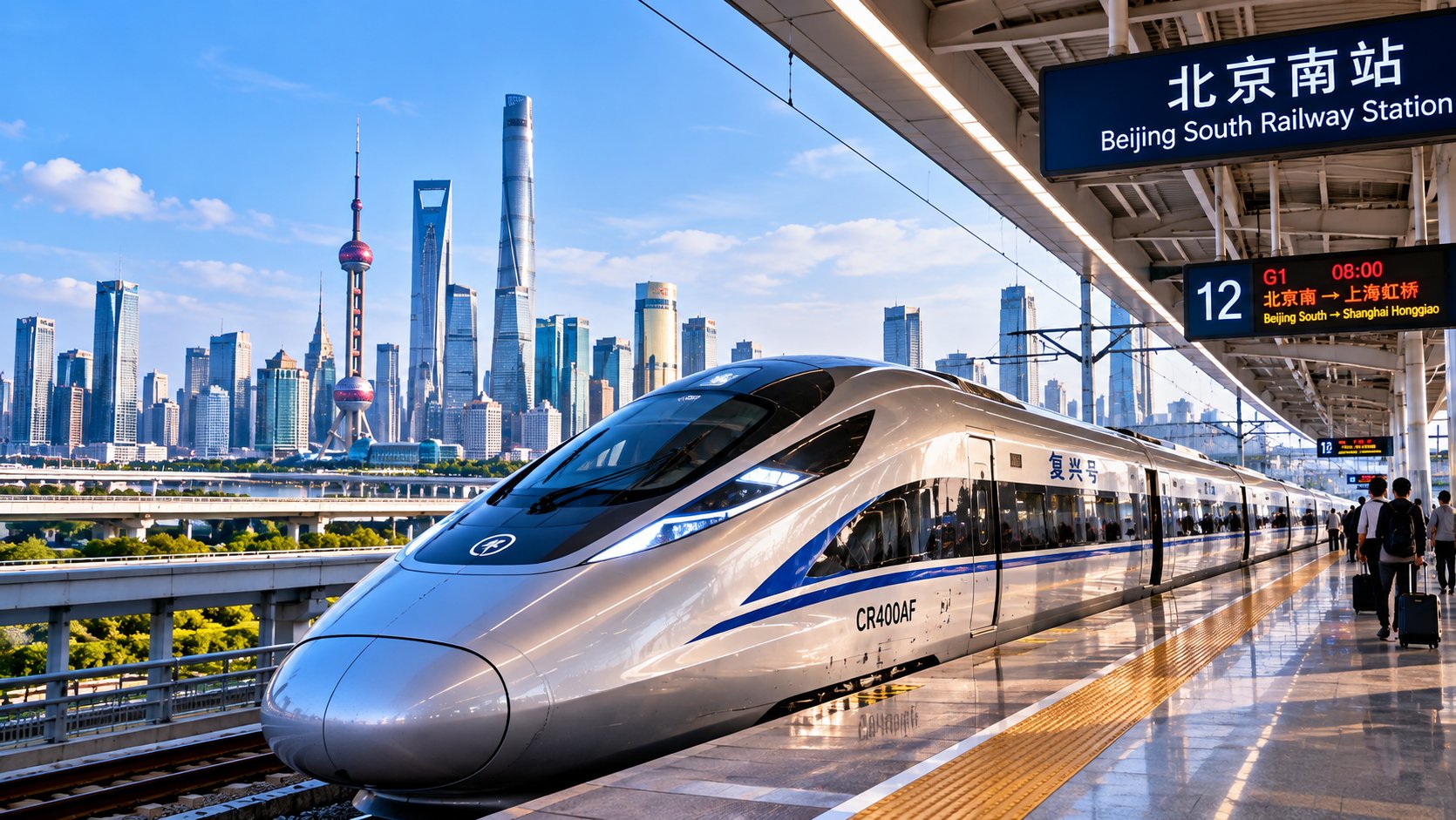
China operates the world’s largest high speed railway network, reaching approximately 50,400 kilometers, or more than 31,000 miles, by the end of 2025, according to Chinese railway authorities. The system connects major economic centers, regional cities, airports, and transportation hubs through an extensive network that has fundamentally transformed domestic travel. Many trains operate at speeds of approximately 300 to 350 kilometers per hour, equivalent to 186 to 217 mph, allowing passengers to cover substantial distances without relying on highways or domestic airline flights.
The comparison with the United States is striking. America possesses one of the world’s most extensive freight railway systems, but passenger rail remains constrained by aging infrastructure, shared tracks, inconsistent investment, and decades of political disputes. Amtrak’s Northeast Corridor offers relatively fast service by American standards, yet the country still lacks anything resembling China’s nationwide high speed passenger network. California’s long running high speed rail project has become a symbol of the financial, political, and administrative challenges facing ambitious American infrastructure development.
China also operates the Shanghai Maglev, a magnetic levitation airport connection that has historically demonstrated commercial operating speeds of up to 431 kilometers per hour, approximately 268 mph. Actual scheduled speeds can be lower, but the technology illustrates the country’s willingness to invest in unconventional transportation systems.
High speed rail is about more than speed. It changes economic geography by connecting labor markets, universities, businesses, and metropolitan regions in ways that become difficult when transportation depends primarily on highways and airports. A journey that might consume most of a working day by car can become a manageable train trip, allowing economic activity to spread across multiple cities.
China’s railway expansion has required enormous public investment, significant borrowing, and operating subsidies on some routes. Not every line is equally profitable, and questions about debt and long-term economic returns are legitimate. Nevertheless, those concerns do not erase the extraordinary engineering achievement or the transportation benefits delivered to millions of passengers.
3. Flying Taxis: China’s Autonomous Passenger Aircraft Are Moving Beyond Science Fiction
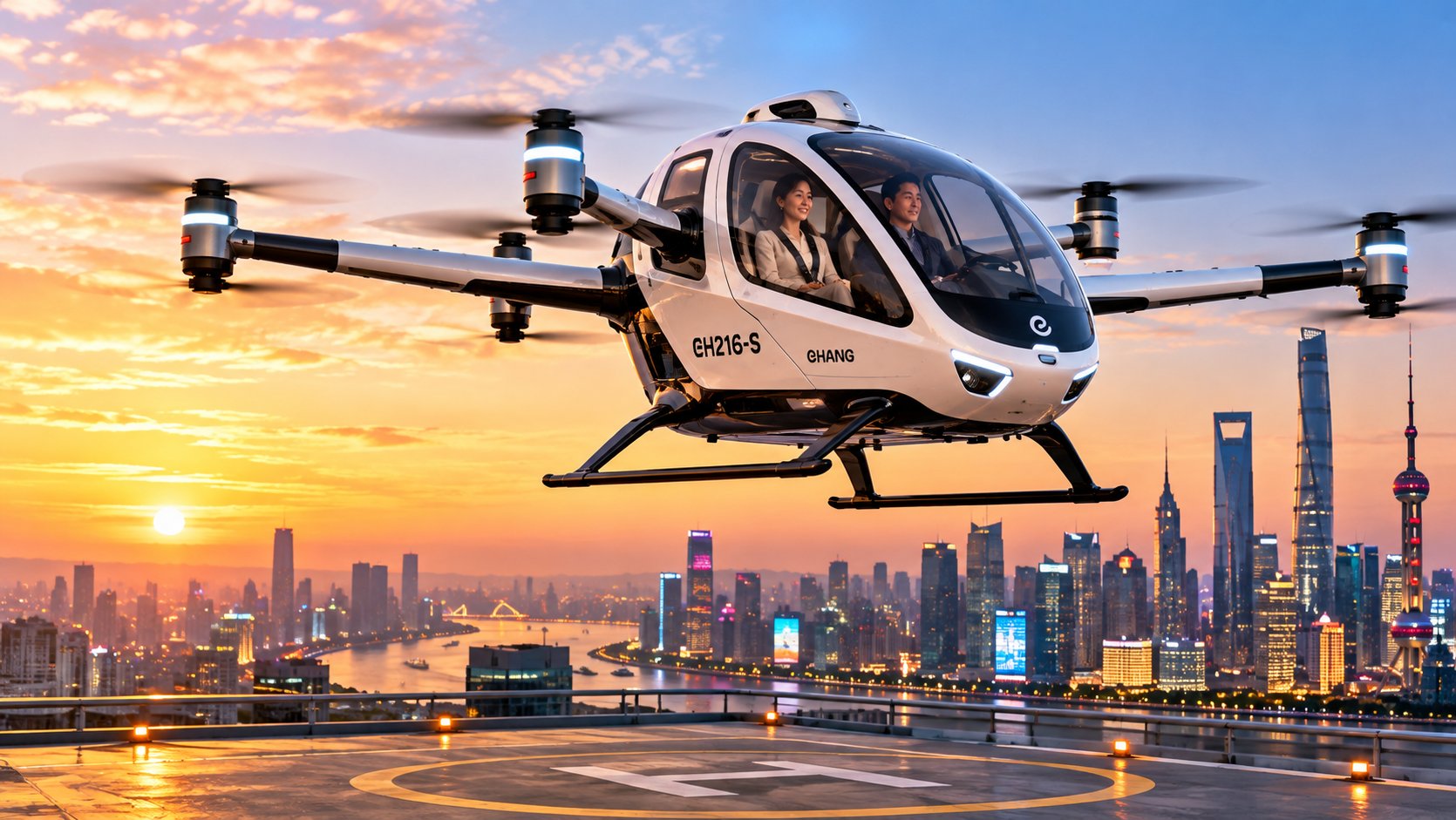
Flying cars have been one of the great unfulfilled promises of technological futurism. For decades, movies and television programs envisioned ordinary commuters traveling above congested streets while the real world continued adding lanes to highways. Chinese aviation company EHang has moved one version of that vision closer to commercial reality with the EH216-S, an autonomous electric vertical takeoff and landing aircraft designed to transport two passengers without an onboard pilot.
The aircraft received a type certificate from the Civil Aviation Administration of China in 2023, followed by additional regulatory approvals supporting production and commercial operations. In 2025, Chinese aviation authorities issued initial air operator certificates to companies operating the EH216-S, marking an important milestone for commercial autonomous passenger aircraft. The vehicle is designed primarily for short-distance operations, including tourism, sightseeing, and specialized transportation services.
This does not mean flying taxis have become a routine method of commuting across Chinese cities. Commercial deployment remains limited, and the industry faces substantial challenges involving weather conditions, battery performance, airspace management, passenger capacity, safety, and operating economics. American companies, including Joby Aviation and Archer Aviation, are also developing advanced electric aircraft, making this an active international technological competition rather than a field China has conquered.
What distinguishes China’s progress is the movement from prototype demonstrations toward certified commercial operations. The ability to develop, certify, manufacture, and authorize autonomous passenger aircraft represents a meaningful technological milestone in an industry where safety requirements and regulatory approvals can take years to satisfy.

4. Facial Recognition, QR Codes, and a Society That Barely Needs Cash
Americans routinely juggle credit cards, debit cards, banking applications, digital wallets, cash, and payment terminals that sometimes seem incapable of completing the simplest transaction. In China, digital payments have become deeply integrated into everyday commercial activity through platforms such as WeChat Pay and Alipay. Consumers can purchase food, pay merchants, transfer money, and access numerous services through smartphone-based systems that have become an established part of urban life.
Even small street vendors can accept digital payments using inexpensive QR code systems without purchasing sophisticated point of sale equipment. Customers scan a merchant’s code, authorize the transaction, and continue with their day. The widespread adoption of mobile payments has helped create a commercial environment in which physical cash is frequently unnecessary, although cash remains legal tender and continues to be used.
China has also introduced facial recognition technology in selected retail, transportation, access control, and identification environments. Certain systems allow users to authenticate transactions or access services through biometric identification, although it would be inaccurate to suggest that facial scanning has universally replaced smartphones, payment cards, or identification documents.
The convenience is undeniable, but so are the privacy concerns. China’s extensive use of biometric identification and surveillance technology raises serious questions about consent, government monitoring, data security, and the ability of individuals to conduct ordinary activities without being tracked. An efficient digital society is not automatically a freer society, and Americans may reasonably reject certain biometric systems even if they offer greater convenience.
The important distinction is between technological sophistication and civil liberty. A system can be remarkably advanced while simultaneously creating serious risks involving surveillance and individual rights. China’s digital payment ecosystem demonstrates the potential of integrated consumer technology, but its broader surveillance infrastructure also illustrates why technological progress should never be evaluated solely through convenience.
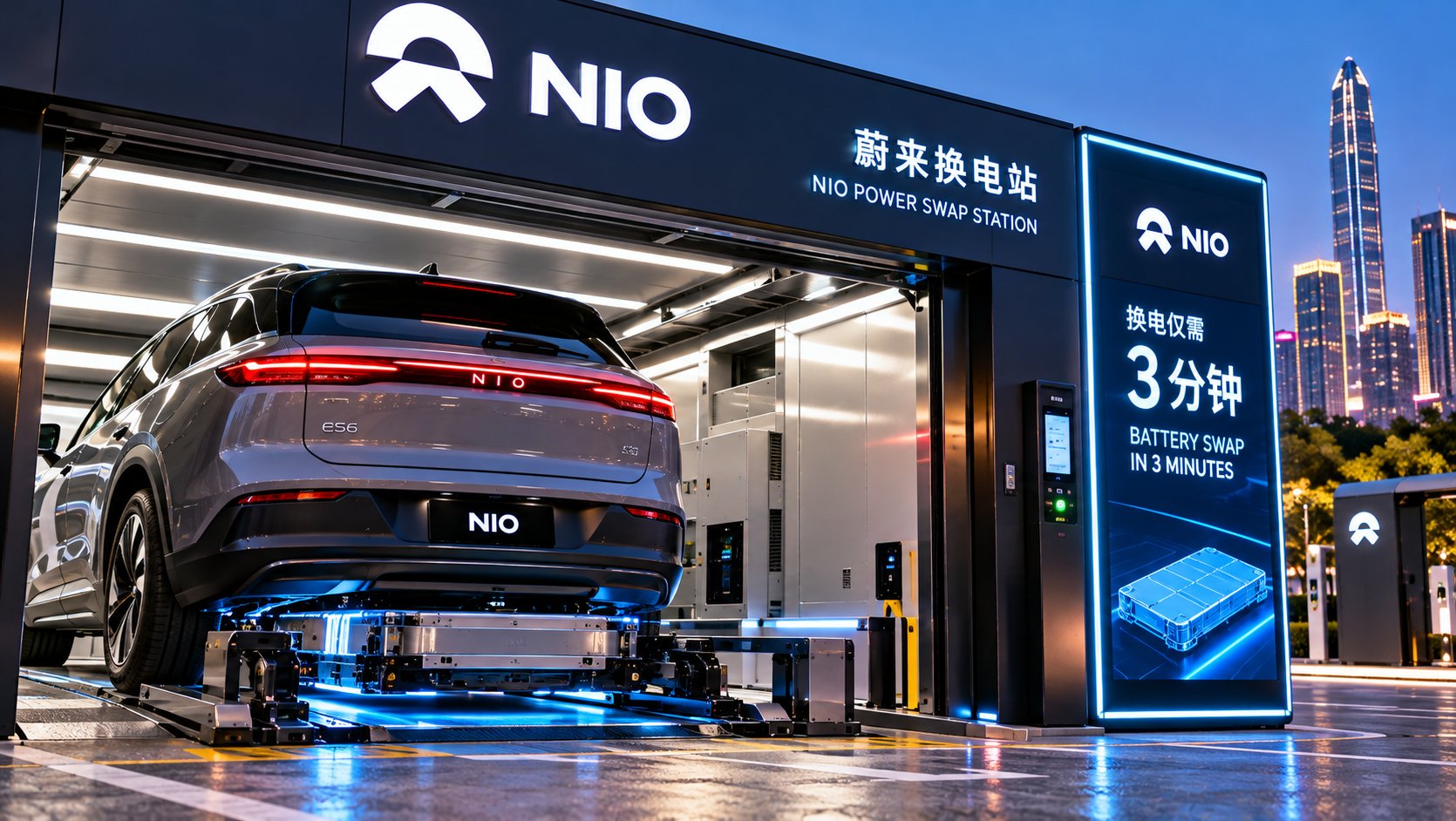
5. Battery Swapping Stations: Recharging an Electric Car Without Waiting for a Charger
One of the most persistent American objections to electric vehicles involves charging time. Even with fast charging equipment, drivers may need to wait substantially longer than they would at a conventional gasoline station. Chinese electric vehicle manufacturer NIO has developed an alternative that challenges the assumption that electric vehicle ownership must involve waiting beside a charging cable.
At a compatible battery swapping station, a driver positions the vehicle inside an automated bay where machinery removes the depleted battery pack from beneath the car and installs another charged battery. The vehicle can then continue its journey without waiting for the original battery to recharge. NIO’s newer swapping systems advertise replacement times of approximately three minutes under suitable conditions, creating an experience that can rival the convenience of refueling a conventional automobile.
By September 27, 2026, NIO reported operating 4,126 battery swapping stations in China and completing more than 125 million cumulative battery swaps. Those figures illustrate how the technology has progressed beyond isolated demonstrations into a substantial commercial infrastructure network. Chinese battery manufacturer CATL has also pursued battery-swapping systems, reflecting broader industry interest in standardized energy infrastructure.
Battery swapping introduces an alternative ownership model as well. Customers can potentially subscribe to battery services rather than purchasing the battery outright, reducing certain upfront vehicle costs while creating opportunities to access different battery capacities. However, the approach requires compatible vehicle designs, significant station investment, battery inventories, and standardization that the automotive industry has not universally adopted.
Battery swapping is not suitable for every vehicle or market, and conventional charging remains the dominant approach to electric vehicle infrastructure. Nevertheless, China has demonstrated that the charging experience Americans often consider an unavoidable limitation of electric vehicles can be redesigned through engineering, automation, and coordinated infrastructure investment.
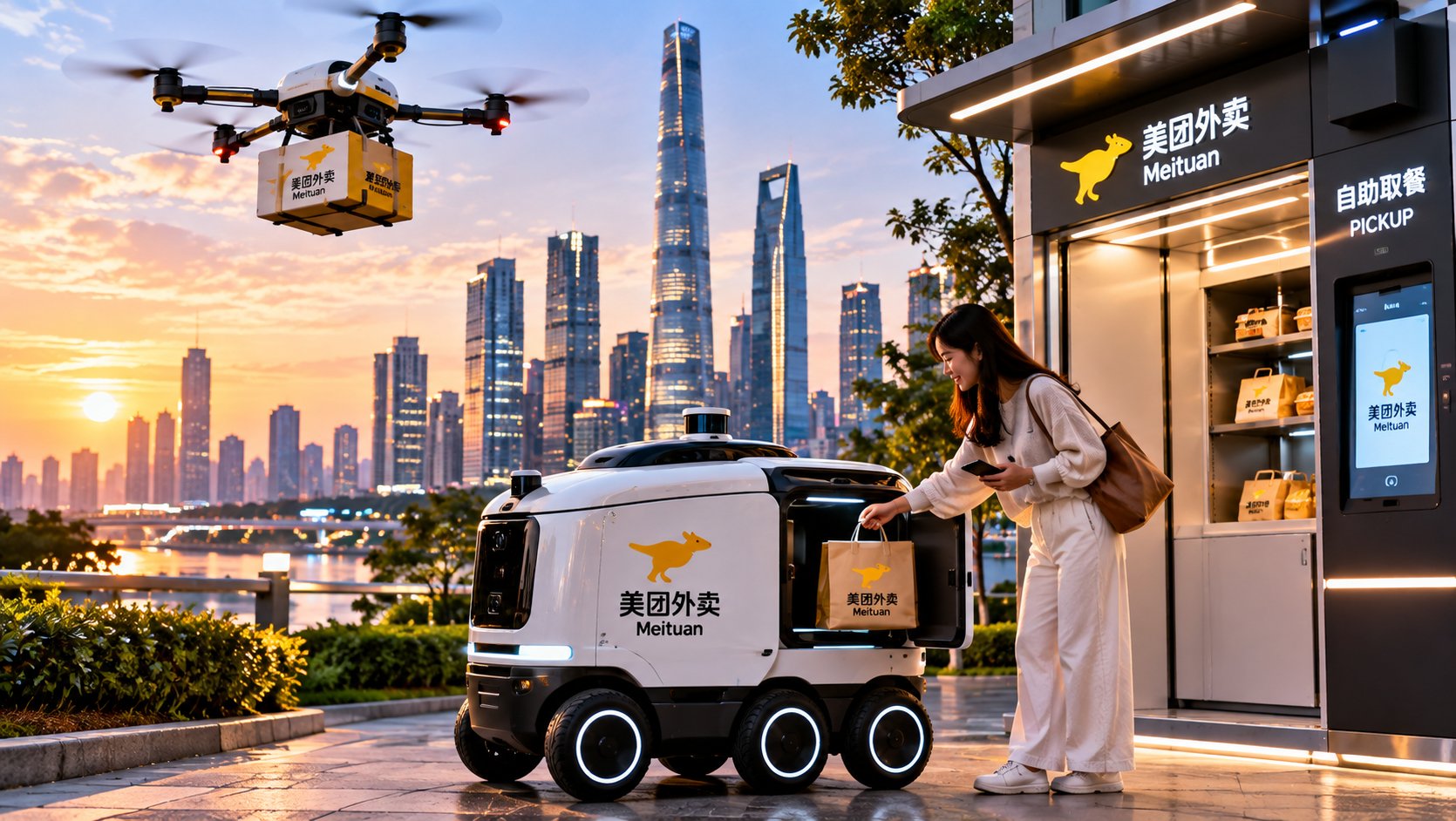
6. Delivery Drones and Sidewalk Robots: The Last Mile Is Becoming Automated
Americans have become accustomed to ordering practically anything online, but the final stage of delivery still depends heavily on human drivers navigating traffic, locating buildings, and transporting individual packages to customers. Chinese technology companies are developing a different model that combines drones, autonomous ground vehicles, automated warehouses, and digitally coordinated logistics systems.
Meituan, JD.com, and other Chinese logistics operators have invested in autonomous delivery technology designed to reduce transportation costs and improve efficiency. In Shenzhen, Meituan has established drone delivery services connecting restaurants and merchants with designated collection points. Customers can order food or beverages through an application and retrieve their purchases from specialized delivery infrastructure after a drone completes the aerial portion of the journey.
Autonomous ground vehicles have also been deployed in controlled environments such as university campuses, business parks, and certain residential developments. These robotic delivery vehicles use cameras, sensors, and navigation software to avoid obstacles and transport packages along approved routes. Their operations demonstrate how robotics can become part of ordinary commercial logistics rather than remaining confined to industrial facilities.
China has not eliminated delivery workers, and human couriers remain essential to the country’s enormous delivery economy. Drone operations face restrictions involving weather, airspace, payload capacity, and designated landing locations, while ground robots encounter challenges involving pedestrian safety and unpredictable urban environments.
American companies, including Amazon and specialized drone-delivery operators, are developing comparable technologies. China’s advantage lies partly in its dense urban markets, extensive manufacturing capabilities, enormous e-commerce industry, and willingness to experiment with automated logistics infrastructure. The larger transformation is not the disappearance of human delivery workers but the gradual integration of autonomous systems into commercial transportation networks.
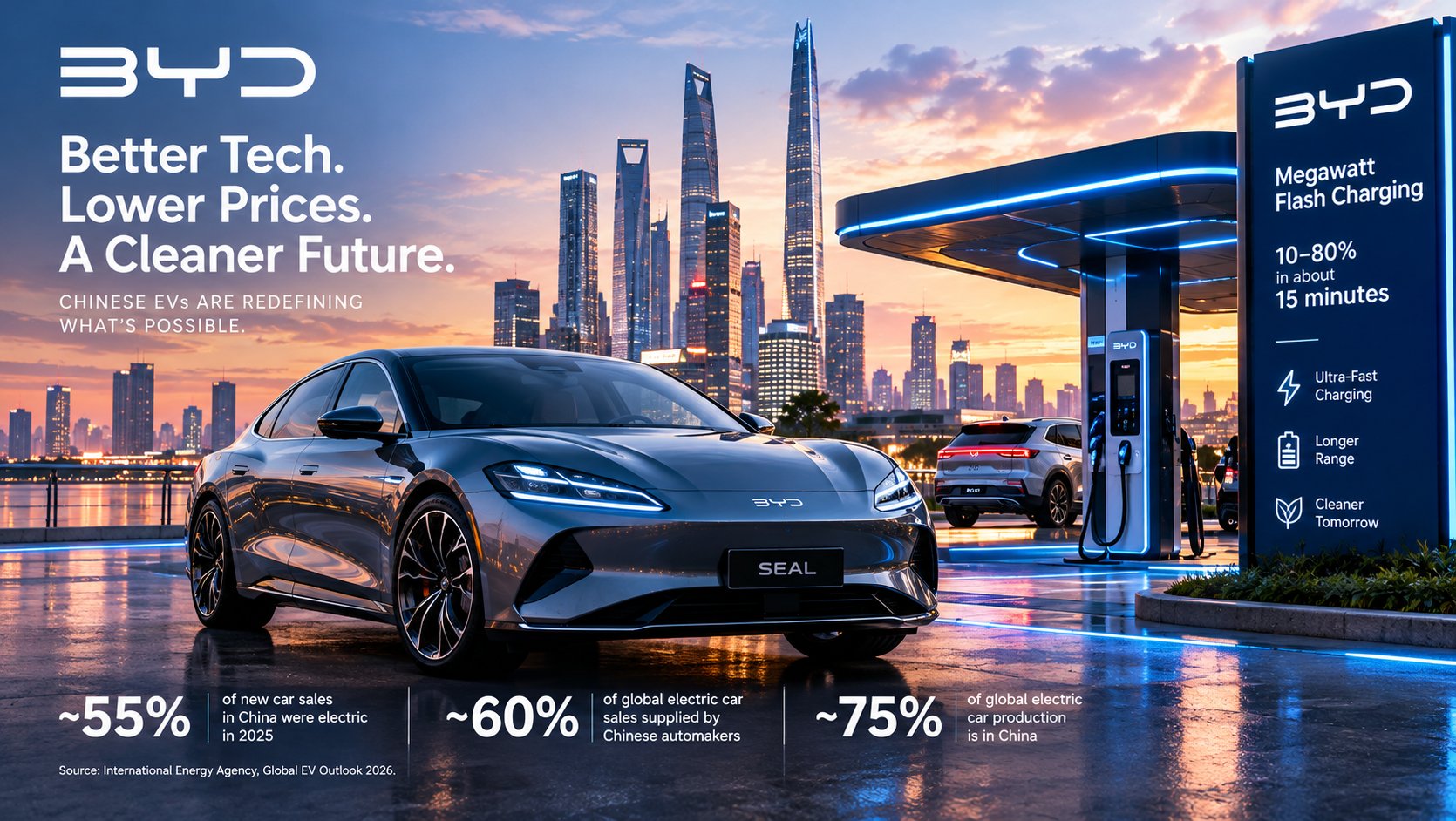
7. Electric Cars That Make American Automobiles Look Overpriced and Outdated
Perhaps nowhere is China’s technological transformation more visible than in the automotive industry. For decades, American, Japanese, and European manufacturers dominated the global car business, while Chinese automakers were frequently dismissed as producers of inexpensive vehicles with limited technological sophistication. That perception is now dangerously outdated.
BYD, Geely, Xiaomi, Zeekr, and other Chinese manufacturers have developed increasingly competitive electric vehicles featuring advanced driver assistance systems, sophisticated digital interiors, integrated software platforms, powerful electric drivetrains, and increasingly fast charging capabilities. Chinese companies have also become major players in battery chemistry, electric motors, power electronics, and the industrial supply chains required to manufacture affordable electric vehicles at scale.
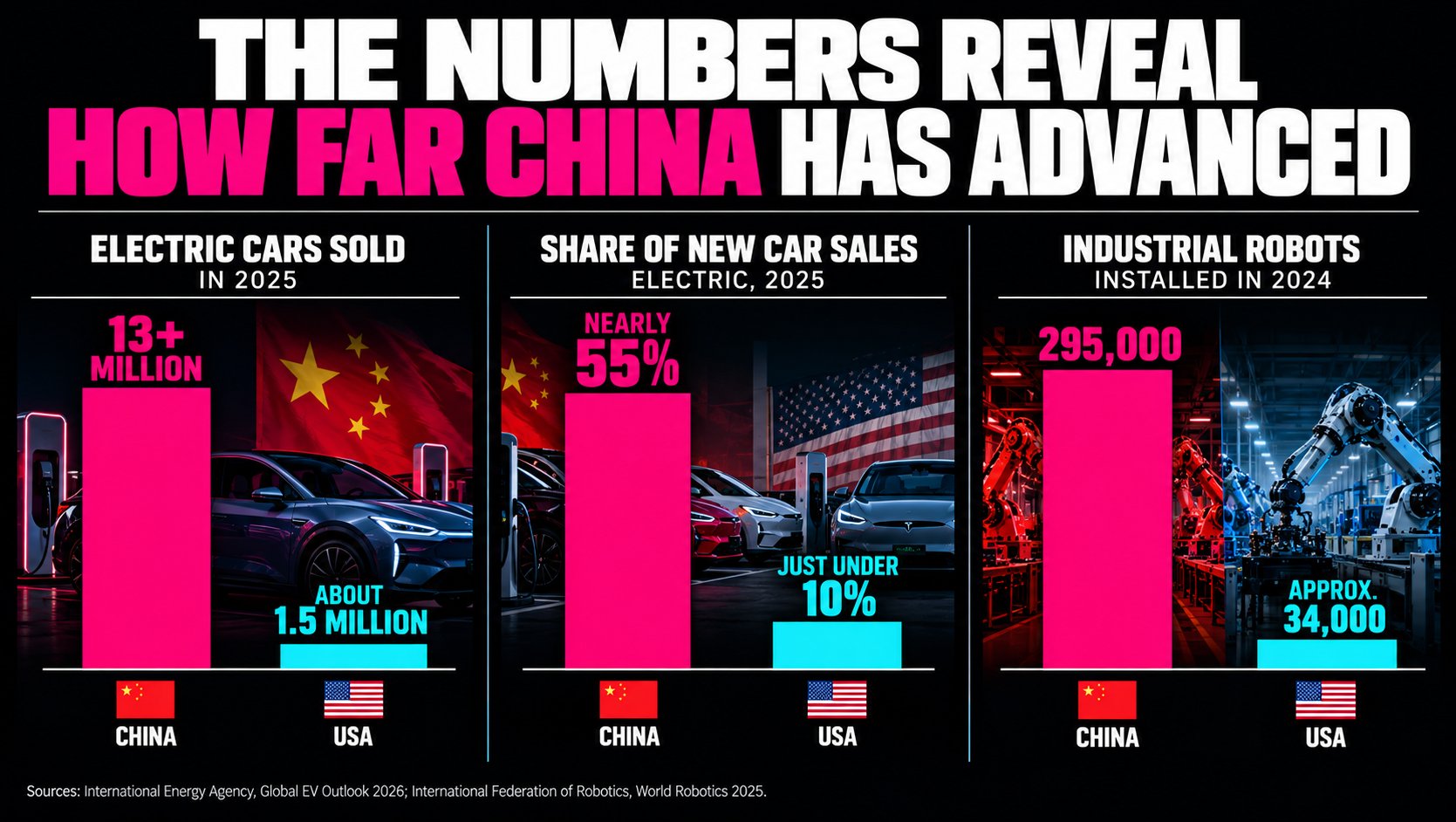
According to the International Energy Agency’s Global EV Outlook 2026, electric vehicles accounted for almost 55% of new car sales in China during 2025, including battery electric and plug in hybrid models. Chinese automakers supplied approximately 60% of electric cars sold worldwide, while China accounted for nearly three quarters of global electric car production. These figures demonstrate that China is no longer merely participating in the electric vehicle revolution; it has become its largest manufacturing center.
The country’s competitive advantage extends beyond vehicle assembly. Chinese battery manufacturers have developed formidable positions in lithium-ion battery production, while automakers have introduced increasingly sophisticated charging architectures and energy-management systems. BYD has demonstrated megawatt class charging technology, and other manufacturers are developing high voltage systems intended to reduce charging times under suitable conditions.
Some claims surrounding these developments require caution. Not every Chinese electric vehicle can recharge in five minutes, and the fastest advertised charging rates depend on particular vehicles, compatible infrastructure, battery conditions, and charging specifications. Solid state batteries remain an emerging technology rather than a standard feature of mass-market Chinese automobiles, while sodium-ion batteries have entered limited commercial applications without replacing conventional lithium-ion systems.
The underlying story is already remarkable without exaggeration. China has become the center of global electric vehicle manufacturing, combining aggressive pricing with rapid product development and increasingly sophisticated technology. American consumers are largely insulated from direct competition with many Chinese vehicles because of tariffs and trade restrictions, which may protect domestic manufacturers in the short term while limiting consumer access to certain internationally available models.
The long term question is whether protecting American automakers from foreign competition will help them develop better products or reduce the competitive pressure that historically drives innovation.
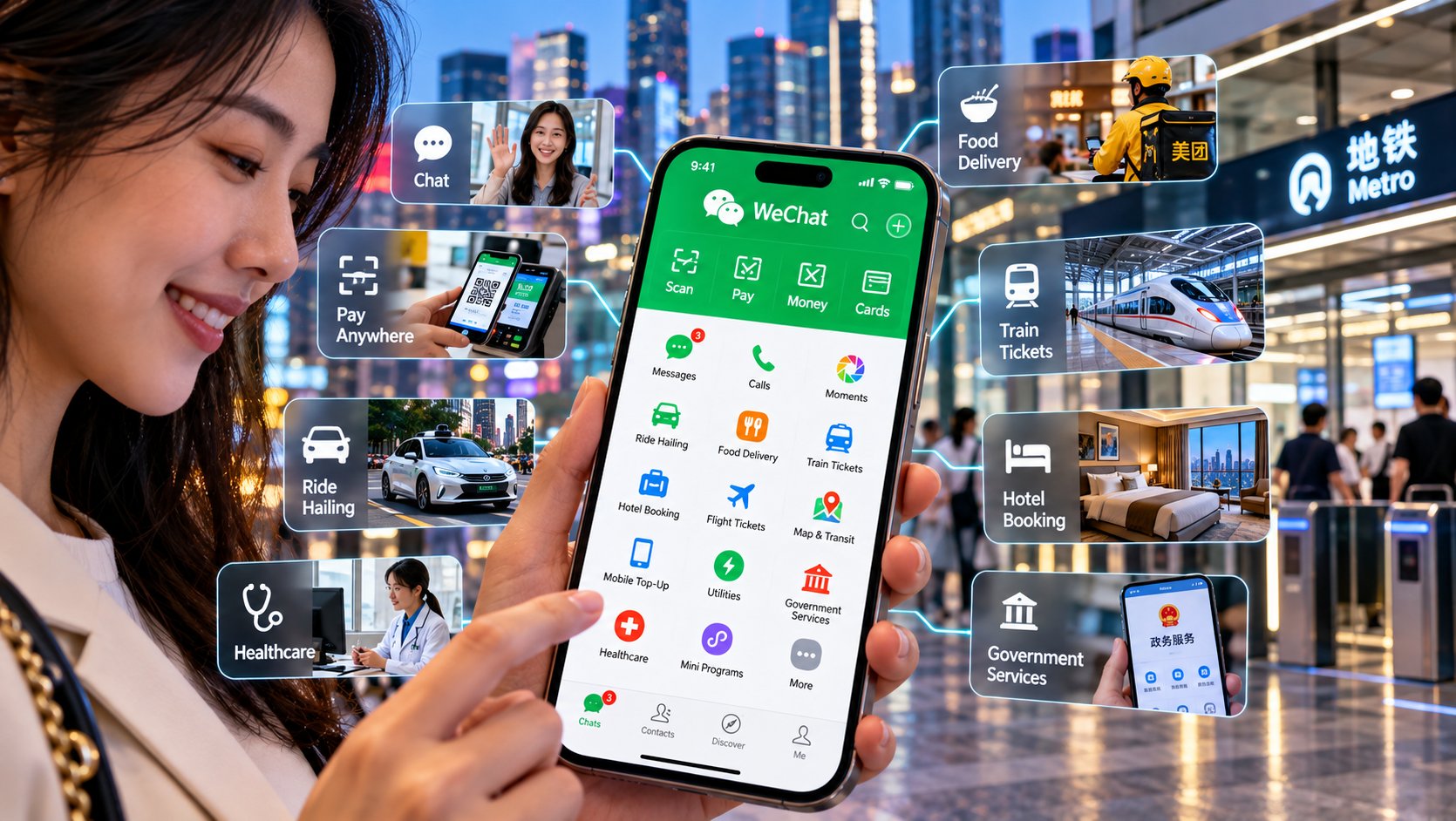
8. WeChat and Alipay: One App That Can Run Your Entire Day
Imagine opening one smartphone application in the morning and using it to message a friend, pay for breakfast, arrange transportation, schedule an appointment, purchase a train ticket, settle a restaurant bill, and transfer money to a family member. That is the appeal of China’s super-app economy, where digital platforms have evolved far beyond their original purposes into integrated ecosystems serving multiple aspects of everyday life.
Tencent’s WeChat and Ant Group’s Alipay have become central components of China’s digital economy. WeChat combines messaging, payments, commerce, and numerous services through an extensive network of mini-programs that allow businesses and organizations to offer functionality inside the platform without requiring users to download separate standalone applications for every interaction.
The American digital economy operates differently. Consumers frequently move between messaging services, banking applications, ride-hailing platforms, restaurant ordering systems, travel websites, and separate payment providers. This fragmentation can encourage competition and give consumers more choice, but it can also create inconvenience when ordinary activities require multiple accounts, passwords, applications, and payment systems.
China’s integrated platforms reduce many of those barriers. Restaurants can offer QR-code ordering, merchants can accept payments, customers can access transportation services, and businesses can communicate with consumers within familiar digital environments. The result is a level of integration that can make everyday commercial activity considerably more convenient.
However, concentrating so many services within a small number of dominant platforms also creates risks involving competition, privacy, consumer dependence, and control over personal information. The same integration that simplifies daily life can give technology companies enormous influence over commerce and communication.
China’s super app economy illustrates an important principle: technological progress is not always about inventing a completely new device. Sometimes it involves integrating existing technologies so effectively that ordinary activities become dramatically easier.
9. Lights Out Factories: Manufacturing Plants Where Robots Do Much of the Work
American manufacturing once represented the pinnacle of industrial power. Detroit built the automobiles that defined the twentieth century, American factories helped win World War II, and the country’s industrial workforce supported the development of a vast middle class. China’s industrial transformation now presents a major challenge to that legacy.
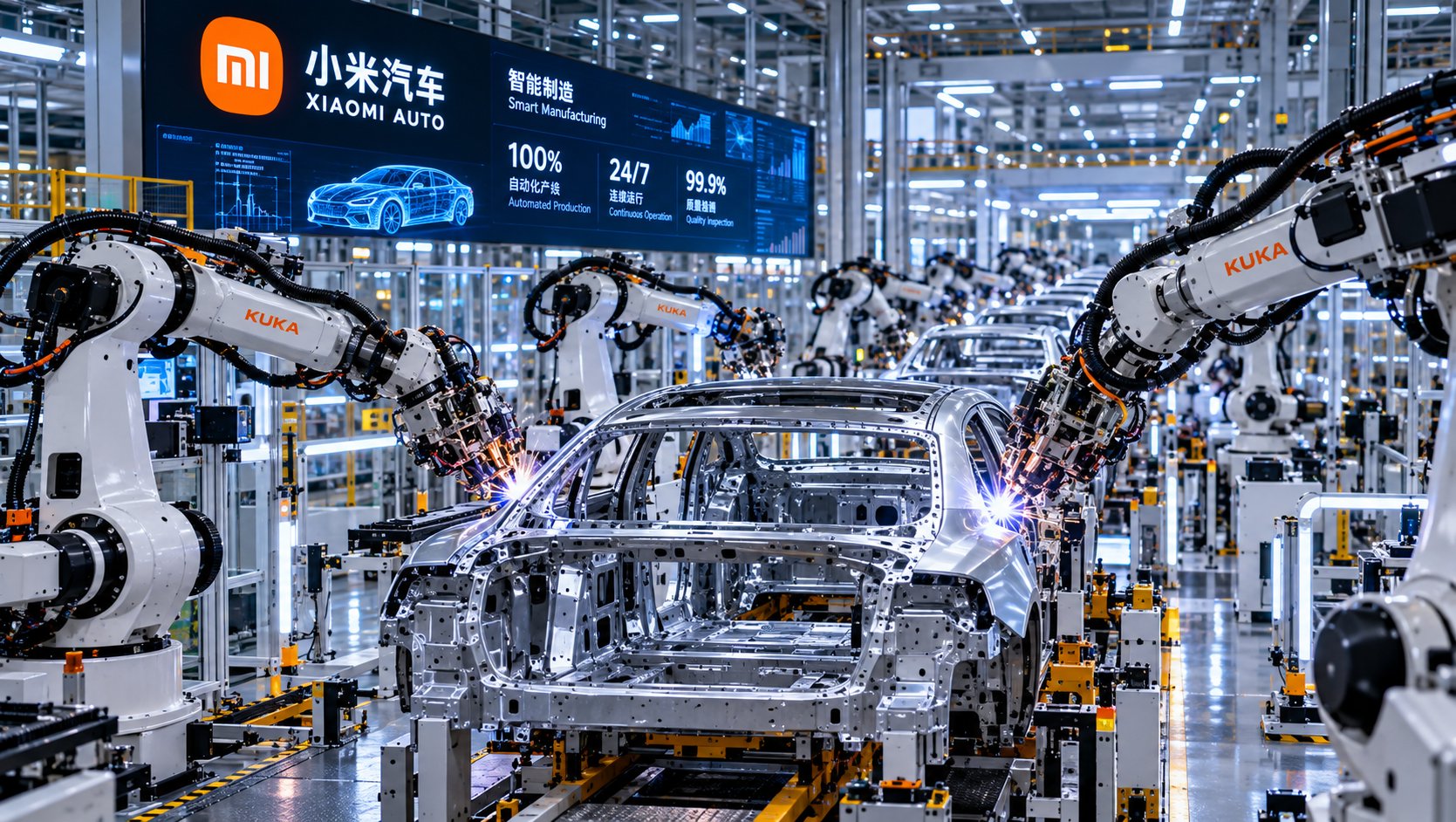
China has become the world’s largest manufacturing economy, and its industrial sector is increasingly adopting robotics, artificial intelligence, automated quality inspection, and sophisticated digital production systems. So called lights out factories represent one of the most visually striking examples of this transformation. These facilities use extensive automation to conduct production processes with limited direct human involvement, sometimes operating sections of a factory without the lighting ordinarily required for human workers.
Xiaomi has publicized highly automated manufacturing operations, while Chinese electronics, automotive, and industrial manufacturers have expanded their use of robotic assembly lines, autonomous logistics vehicles, and computer controlled production systems. The International Federation of Robotics reported that China installed approximately 295,000 industrial robots in 2024, accounting for 54% of worldwide industrial robot installations that year. More than two million industrial robots were operating in Chinese factories, illustrating the extraordinary scale of industrial automation.
The implications extend far beyond cheaper consumer electronics. Advanced manufacturing requires expertise in industrial software, machine vision, precision machinery, sensors, robotics, and artificial intelligence. A country that masters these technologies can develop competitive advantages across multiple industries simultaneously, creating a manufacturing ecosystem capable of supporting everything from electric vehicles to renewable energy equipment.
However, claims that China’s factories operate entirely without people are misleading. Even highly automated facilities require engineers, maintenance personnel, quality specialists, logistics workers, and human oversight. American manufacturers also operate sophisticated automated facilities, including semiconductor plants, automotive factories, and aerospace production lines.
The important question is not whether China invented industrial robotics. It did not. The question is how effectively the country is deploying automation across an enormous manufacturing base and using that capability to compete in industries previously dominated by foreign companies.
10. Smart Cities: Infrastructure That Responds to the People Using It
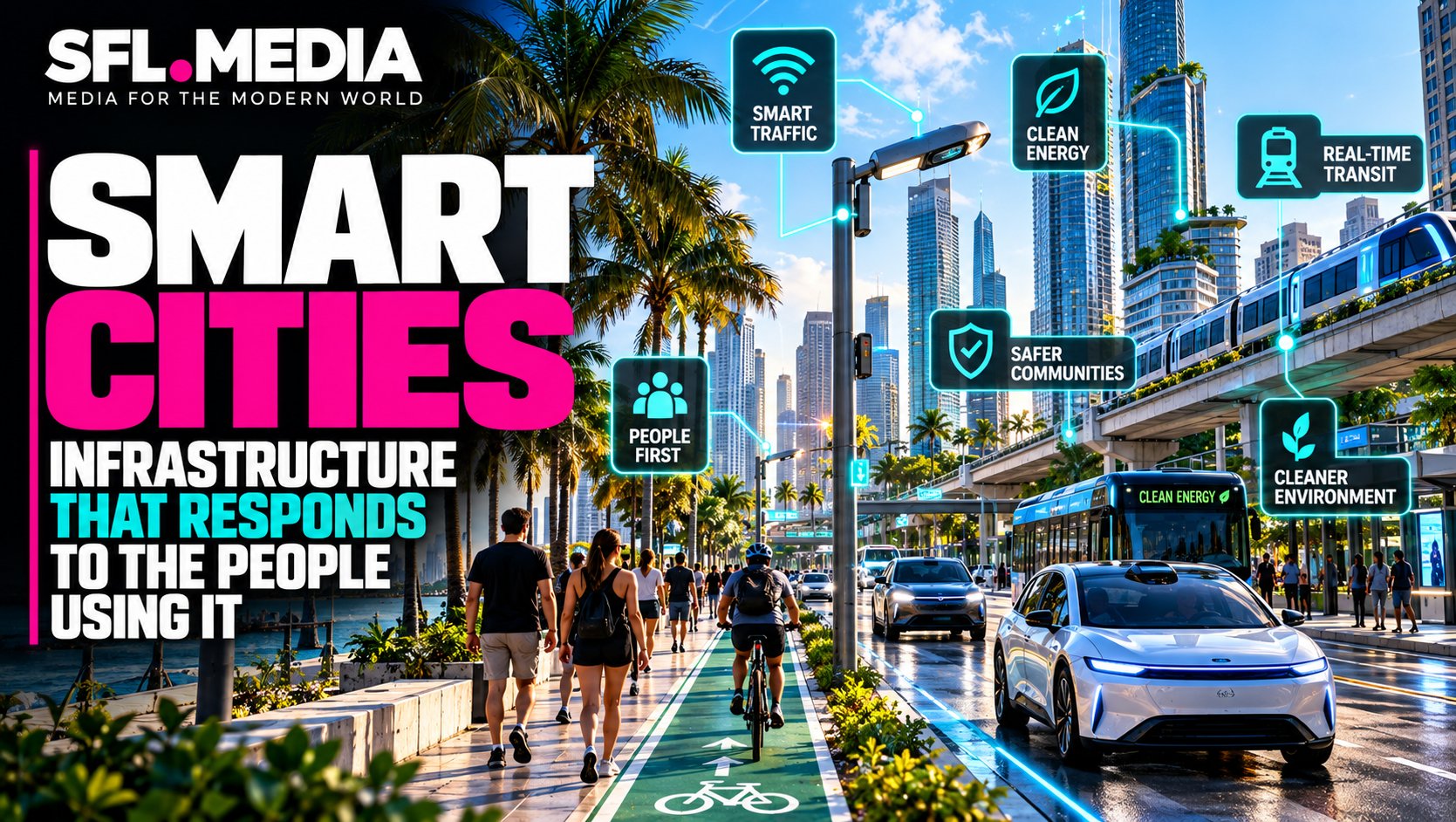
Imagine a city where traffic signals adjust to congestion, public transportation systems communicate with digital infrastructure, municipal services operate through integrated platforms, and new developments are designed around modern connectivity rather than retrofitted decades later. China has made smart-city development a significant component of its urban modernization strategy, investing in digital infrastructure, transportation networks, electrification, and technology driven municipal management.
Projects such as Xiong’an New Area have been designed around integrated transportation, advanced utilities, digital infrastructure, and coordinated urban planning. In Hangzhou, intelligent traffic management initiatives have demonstrated how data analysis can support transportation operations and emergency response. Other Chinese cities have deployed electric bus fleets, modern metro systems, digitally managed public services, and sophisticated infrastructure-monitoring technologies.
These projects illustrate what becomes possible when governments treat urban infrastructure as an interconnected technological system rather than a collection of unrelated construction projects. Traffic management, public transportation, utilities, communications, and urban development can potentially become more efficient when coordinated through modern digital systems.
The marketing surrounding smart cities, however, deserves skepticism. Some projects are expensive showcases rather than proven models of economic efficiency, and not every advertised technological capability is deployed throughout an entire city. Experimental infrastructure should not be confused with universally available services, while large scale data collection introduces concerns about surveillance, government authority, and individual privacy.
Nevertheless, the broader contrast remains difficult to ignore. While many American cities struggle to maintain basic infrastructure, Chinese metropolitan areas have invested heavily in new transit systems, electrification, and digital public services.
For residents of Miami, Fort Lauderdale, and the broader South Florida region, where congestion, transit limitations, and development pressures remain persistent political issues, the comparison is especially relevant. South Florida has attracted enormous investment in real estate, tourism, and luxury development, but constructing expensive condominiums is not the same as building a technologically advanced metropolitan transportation system.
A city can have billion dollar waterfront towers and still require most of its residents to sit in traffic every morning.
Beyond the Top Ten: China’s Space Program Is Challenging America’s Greatest Technological Legacy
There is one additional technological achievement that deserves special attention because it challenges perhaps the most deeply rooted American assumption of all: that the United States is the unquestioned leader in space exploration.
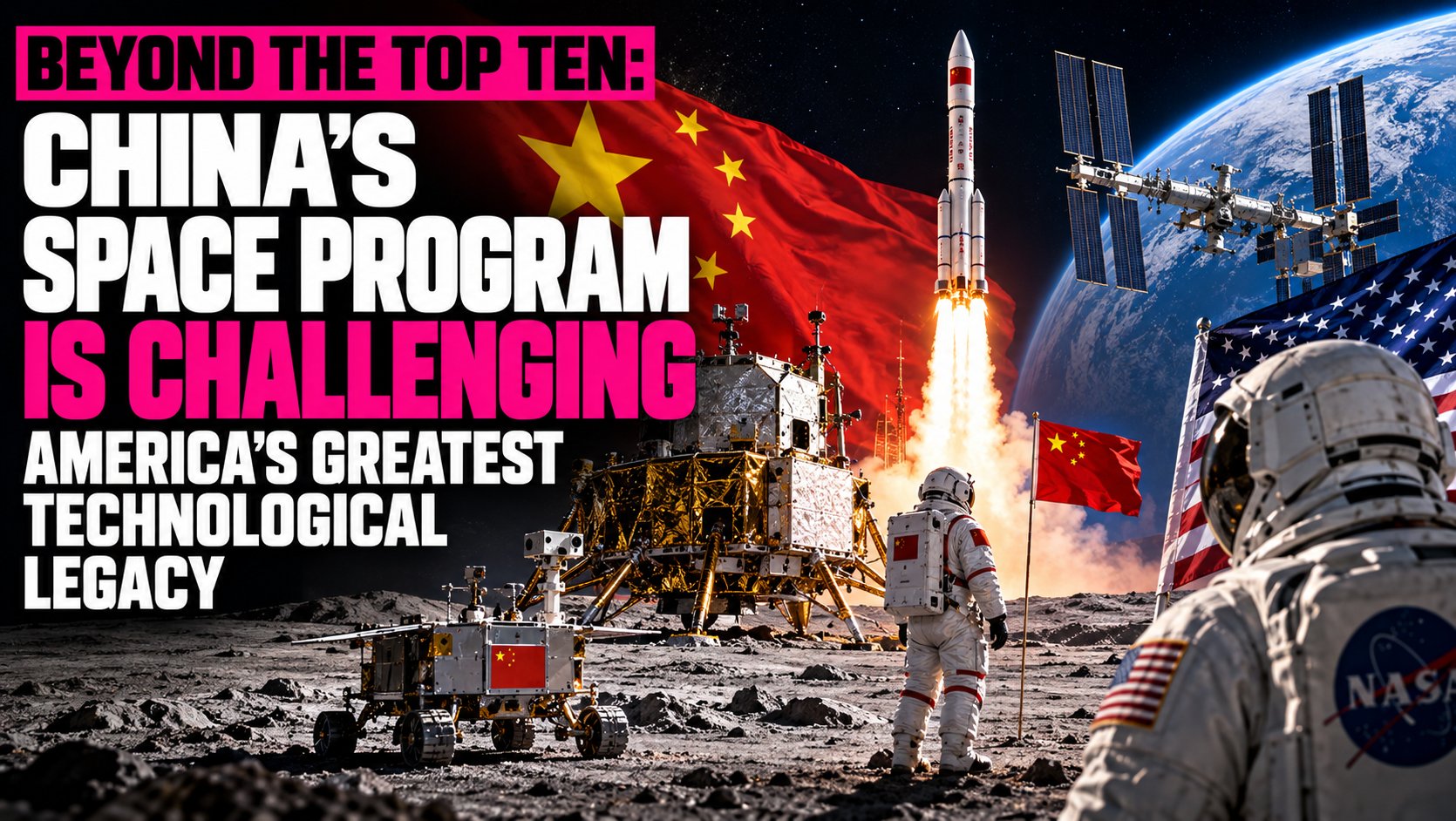
China operates its own permanently crewed orbital space station, Tiangong, built through a series of missions that established an independent human spaceflight infrastructure. The station includes laboratory modules, docking systems, and facilities supporting scientific experiments, while Chinese astronauts travel to the orbiting facility aboard Shenzhou spacecraft launched using Long March rockets.
China also accomplished a historic lunar milestone in 2024 when its Chang’e 6 mission returned samples from the far side of the moon, the first successful sample-return mission from that region in human history. NASA independently documented the mission’s landing site using its Lunar Reconnaissance Orbiter, providing additional confirmation of the spacecraft’s presence on the lunar surface.
The achievement was technically extraordinary. Because the moon’s far side cannot communicate directly with Earth, the mission required relay communications and carefully coordinated robotic operations to collect and return samples. It represented another major step in China’s expanding lunar exploration program, which includes plans for a crewed moon landing before 2030 and longer-term international lunar research infrastructure.
That does not mean China has surpassed the United States in every dimension of space technology. NASA’s scientific missions, American commercial launch capabilities, SpaceX’s reusable rockets, the James Webb Space Telescope, and the United States’ extensive satellite infrastructure remain formidable achievements. NASA’s Artemis II mission also successfully carried astronauts around the moon in April 2026, demonstrating continued American human deep space capability.
But the idea that China is merely copying decades old American space technology is no longer defensible. China is executing sophisticated independent missions, operating a national space station, and competing directly in the next era of lunar exploration.
For Americans who grew up believing the space race ended when Neil Armstrong stepped onto the moon, the twenty first century is delivering a very different reality.
The Numbers Reveal How Far China Has Advanced
The strongest evidence of China’s technological progress is not a collection of impressive promotional videos or futuristic product demonstrations. It is the scale of deployment documented by international research organizations, transportation authorities, and manufacturers.
China’s national railway operator reported approximately 50,400 kilometers of operational high-speed rail by the end of 2025. The International Energy Agency documented more than 13 million electric car sales in China during 2025, while Chinese automakers supplied approximately 60% of electric cars sold globally. NIO reported operating 4,126 battery-swapping stations in China by late September 2026, and the International Federation of Robotics documented approximately 295,000 industrial robot installations in China during 2024.
These figures represent substantial investments in physical infrastructure, manufacturing systems, and commercial technologies already in operation. They are not speculative predictions about what might exist in 2040. They demonstrate the cumulative effect of industrial strategy, engineering capabilities, manufacturing scale, and infrastructure investment over many years.
China’s technological progress is especially significant because many of these industries reinforce one another. Advanced battery manufacturing supports electric vehicles and energy storage. Robotics improves manufacturing productivity. High-speed rail connects regional economic centers. Digital payment systems support electronic commerce, while sophisticated logistics networks help businesses distribute products efficiently.
The result is an interconnected industrial and technological ecosystem that can create advantages far beyond any individual invention.
Why Is America Falling Behind in Everyday Infrastructure?
The answer is considerably more complicated than Americans being lazy or Chinese engineers simply being smarter. China has spent decades pursuing industrial policy, infrastructure investment, and manufacturing capacity as national priorities. Its political system allows authorities to coordinate long-term projects, direct state financing, and mobilize resources in ways that differ substantially from the American model.
The United States operates through a decentralized system involving federal, state, and local governments, private property rights, environmental reviews, public participation, and multiple layers of legal oversight. Those protections serve important democratic purposes, but they can also create opportunities for delays, contradictory policies, cost overruns, and political obstruction.
China’s system has different liabilities, including the potential for wasteful investment, excessive debt, compulsory land acquisition, limited public accountability, and decisions that affected communities have relatively little power to challenge. It would be foolish to suggest that America should surrender democratic protections simply to construct infrastructure faster. It would be equally foolish to pretend that every American construction delay represents a triumph of democracy rather than a failure of planning, management, or political leadership.
The United States has repeatedly demonstrated that it can accomplish extraordinary technological and industrial achievements when national priorities, financing, and engineering capabilities align. The interstate highway system, Apollo program, and development of the internet are historic examples of what coordinated investment and scientific ambition can achieve.
The challenge is translating that capability into modern civilian infrastructure. America has enormous technological resources, world-class engineers, influential research institutions, and access to capital. Yet the country frequently struggles to deliver the transportation systems, public facilities, and urban infrastructure that would allow ordinary residents to benefit from those advantages.
Where America Still Leads And Why That Matters
China’s progress does not mean the United States has become technologically irrelevant. American companies remain extraordinarily influential in artificial intelligence, advanced semiconductor design, cloud computing, biotechnology, aerospace, and enterprise software. Nvidia’s advanced processors, American hyperscale cloud infrastructure, leading artificial intelligence laboratories, and SpaceX’s reusable launch systems demonstrate that the United States retains formidable technological capabilities.
America’s research universities, venture capital ecosystem, intellectual property institutions, and international scientific partnerships remain major competitive advantages. The United States also continues to lead or compete at the highest levels in many specialized fields that are less visible to ordinary consumers but essential to modern technology.
China, meanwhile, faces serious challenges involving advanced semiconductor manufacturing equipment, demographic pressures, local government debt, property-market weakness, and geopolitical restrictions on access to certain technologies. Its technological progress has not eliminated broader economic and political vulnerabilities.
The distinction is between inventing advanced technology and deploying advanced technology at population scale. A country can produce the world’s most powerful artificial intelligence chips while failing to build a modern passenger rail network. Another country can face restrictions on advanced semiconductor equipment while becoming the world’s largest electric vehicle producer.
Technological leadership is not a single trophy that one country wins and another loses. It is a collection of capabilities, and the balance differs dramatically by industry. The United States remains an innovation powerhouse, but its achievements in software, aerospace, and advanced computing do not automatically establish superiority in public transportation, electric vehicle infrastructure, or everyday digital services.

The American Dream Should Include a Better Train, Not Just a Bigger Pickup Truck
There is a particularly American contradiction at the center of this debate. The United States celebrates technological progress as a defining national value, yet much of its infrastructure still reflects design decisions made during the middle of the twentieth century.
Millions of Americans depend on automobiles for nearly every essential activity. Residential development is frequently separated from employment centers, shopping districts, and public services, making car ownership a practical necessity rather than a genuine choice. Highway expansion continues to dominate transportation policy in many regions, even as persistent congestion demonstrates the limitations of endlessly increasing road capacity.
South Florida illustrates the problem. Miami-Dade, Broward, and Palm Beach counties form a densely populated metropolitan corridor with enormous economic potential, but transportation remains heavily dependent on automobiles. Brightline has demonstrated demand for modern intercity passenger rail, yet it is not a comprehensive metropolitan transit network capable of replacing the need for cars throughout the region.
China’s railway and urban transportation systems offer a reminder that mobility can be organized differently. A functioning modern transportation system should not require every citizen to own an expensive machine, purchase insurance, pay for maintenance, and spend hours navigating congested roads simply to participate in everyday economic life.
The ability to travel quickly, safely, and affordably is itself a form of technological progress. A city filled with luxury vehicles and expensive real estate is not necessarily more advanced than one where ordinary residents can reach employment centers, schools, hospitals, and public services through efficient transportation networks.

The Real Threat Is American Complacency
The most dangerous American misconception is not that China has become technologically advanced. Increasing numbers of Americans recognize that reality. The dangerous misconception is that American technological superiority is permanent, automatic, and guaranteed by history.
It is not.
Industrial leadership can migrate, manufacturing expertise can accumulate elsewhere, infrastructure can deteriorate, and companies can lose competitive advantages. Countries can become so accustomed to celebrating their past achievements that they fail to recognize when competitors have surpassed them in important areas. China’s technological transformation is not proof that its political system is superior, that its citizens enjoy greater freedom, or that every aspect of Chinese life is more advanced. It is proof that sustained investment, manufacturing capacity, engineering talent, and national infrastructure priorities can fundamentally transform how a country functions.
The United States does not need to become China to learn from China’s accomplishments. It needs to abandon the assumption that being American automatically means being ahead.
The next technological revolution will not be judged exclusively by who develops the most advanced fighter jet, produces the most expensive computer chip, or lands the next astronaut on the moon. It will also be judged by whether ordinary people can travel efficiently, access affordable technology, obtain reliable services, and benefit from the scientific achievements their societies produce.
America may still invent much of the future. But China is demonstrating that inventing the future and actually living in it are two very different things.
Sources & Further Reading

International Research and Independent Data
- International Energy Agency — Global EV Outlook 2026
- International Energy Agency — Electric Vehicle Sales and Market Trends
- International Federation of Robotics — World Robotics 2025
- International Federation of Robotics — China’s Industrial Robot Deployment
Transportation, Manufacturing, and Aviation
- China State Railway Group — High-Speed Rail Network Statistics
- NIO — Battery-Swapping Network and Infrastructure Data
- EHang — Commercial Certification for Autonomous Passenger Aircraft
- Meituan — Annual Report and Autonomous Delivery Operations
Space Exploration
- NASA — Chang’e 6 Lunar Far-Side Landing Documentation
- NASA — International Lunar Mission History and Results
SFL Media Related Coverage



















































Want to join the conversation?
Create an account or sign in to share your thoughts, vote,
and reply to other readers.
Showing 0 of 0 comments
Don't have an account?
Already have an account?