
Iran Rejects Latest Ceasefire Proposal
Iran has rejected a U.S.-backed ceasefire proposal, according to state media, signaling a hardening stance as tensions escalate across the Middle East. The proposal reportedly included a short-term pause in fighting, but Iranian officials dismissed it, arguing that a temporary ceasefire would not address the root causes of the conflict. Instead, Tehran is demanding a permanent end to the war, along with broader guarantees tied to sanctions relief and long-term security.
Trump Issues Stark Warning
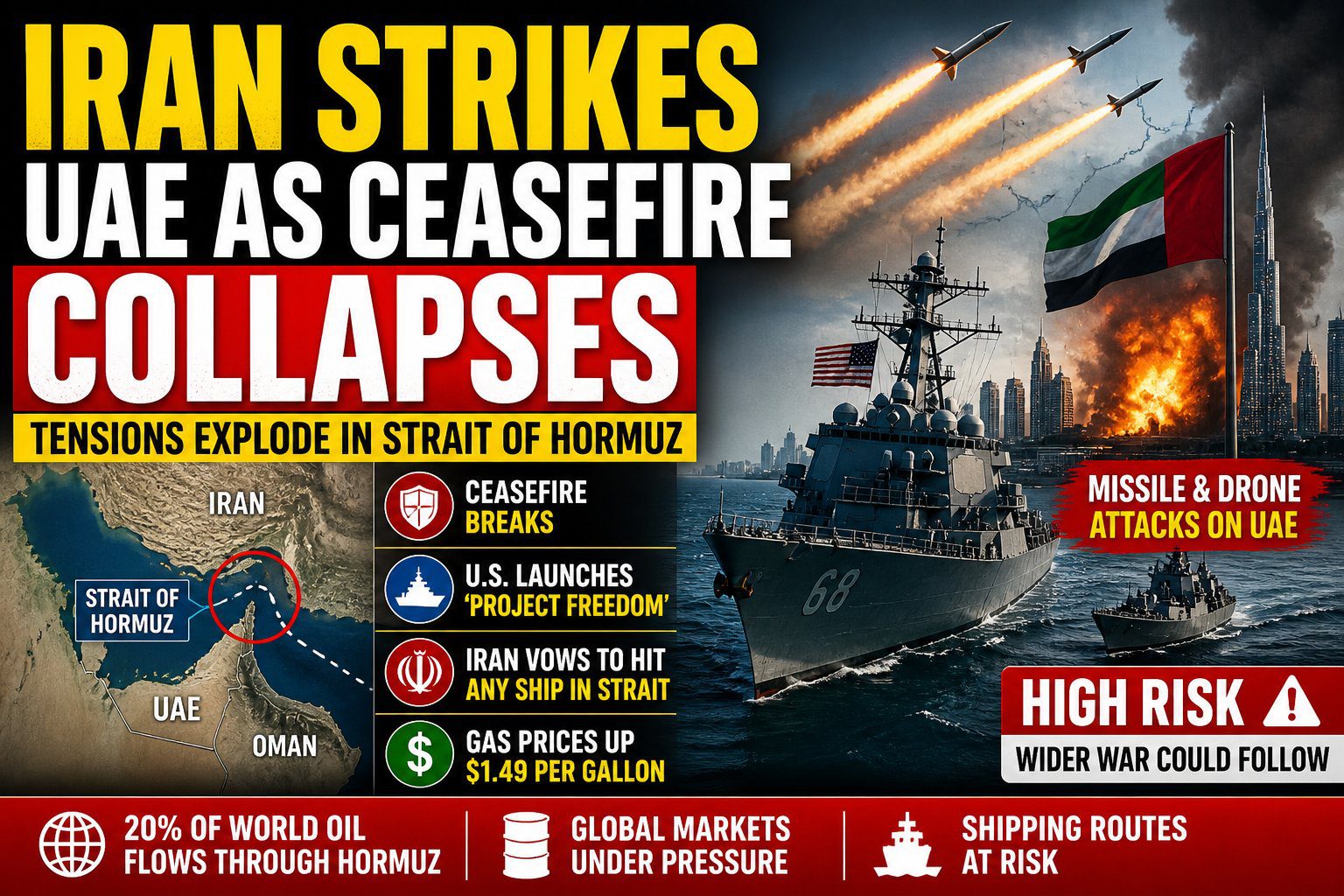
Donald Trump has intensified pressure on Iran by setting a firm deadline for compliance with U.S. demands. He warned of severe consequences if Tehran refuses to cooperate, signaling that military escalation remains on the table. The administration is pushing for immediate de-escalation measures, including ensuring open access to key global shipping routes, particularly the Strait of Hormuz, which remains critical to global energy markets.
Escalating Military Tensions
The breakdown in diplomacy comes as fighting continues to intensify across multiple fronts. Israeli strikes have reportedly targeted Iranian infrastructure and military positions, while retaliatory threats from Tehran have raised fears of a broader regional conflict. Civilian and military casualties continue to rise, with the violence spilling beyond national borders and drawing in neighboring countries.
Global Economic and Security Concerns
The conflict is already impacting global markets, particularly oil prices, due to instability around the Strait of Hormuz. Any prolonged disruption could trigger significant economic consequences worldwide. International observers warn that continued escalation risks not only a humanitarian crisis but also a shock to global supply chains and financial systems.
Diplomacy on the Brink
Efforts to mediate the conflict are ongoing, but the gap between the two sides remains wide. Iran has indicated it will not negotiate under ultimatums, while U.S. officials have shown little willingness to accept Tehran’s conditions. With the deadline approaching and both sides entrenched, the chances for a diplomatic breakthrough appear increasingly slim.
A Critical Moment
The situation now stands at a pivotal moment. Iran’s rejection of the ceasefire proposal, combined with mounting military threats and a rapidly approaching deadline, has created a high-risk environment where a single miscalculation could trigger a much larger war. The coming days are likely to determine whether diplomacy can still prevail or if the conflict will escalate into a broader regional crisis.















































Want to join the conversation?
Create an account or sign in to share your thoughts, vote,
and reply to other readers.
Showing 0 of 0 comments
Don't have an account?
Already have an account?