
Israeli Man Who Attacked Christian Nun Acquitted After Court Accepts Insanity Defense
A brutal daylight attack on a Christian nun in Jerusalem has ended without a criminal conviction after an Israeli court accepted psychiatric findings that the attacker was legally incapable of understanding or controlling his actions at the time of the assault.
Yona Simcha Schreiber, a 36 year old Israeli from the West Bank settlement of Peduel, was captured on video running toward a visibly identifiable Christian nun near King David’s Tomb on Mount Zion on April 28, 2026, violently knocking her to the ground and then returning to kick her while she remained down. When a passerby attempted to intervene, Schreiber attacked him as well.
Prosecutors initially treated the incident as more than an ordinary street assault. Schreiber was charged with assault causing actual bodily harm motivated by hostility toward a religious group, along with an additional assault charge. According to the indictment, Schreiber recognized the victim as Christian from her religious clothing before attacking her.
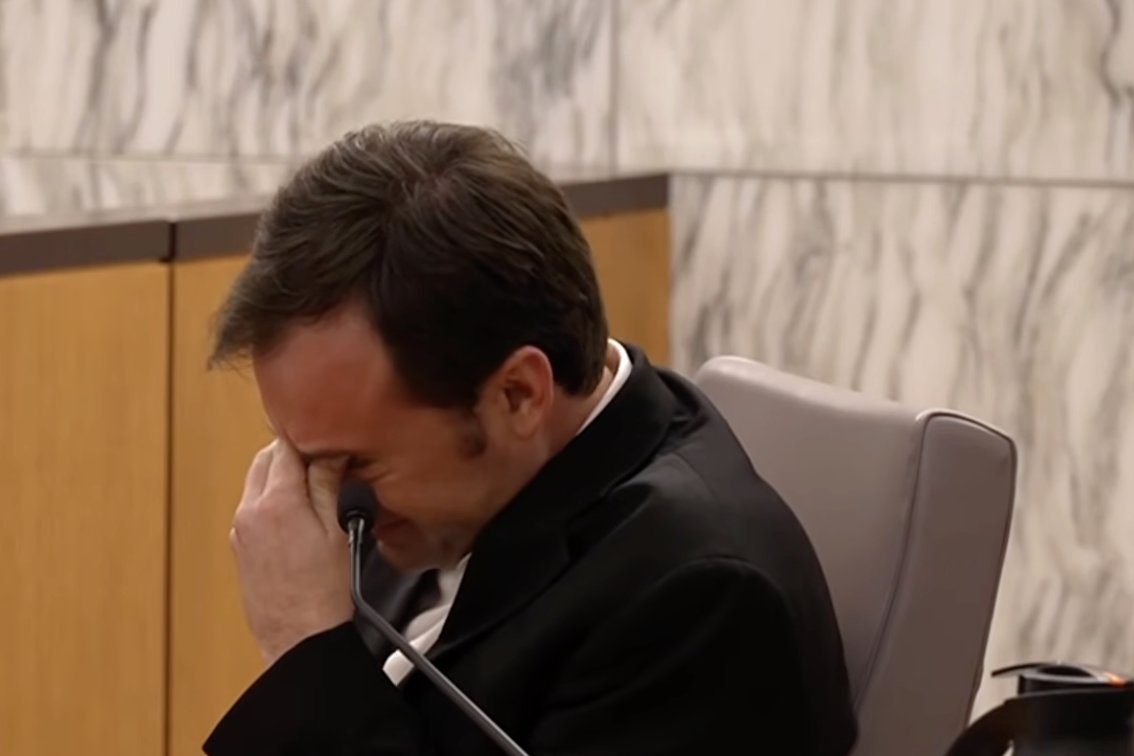
Yet on August 26, the Jerusalem Magistrate’s Court determined that although Schreiber committed the acts described in the indictment, he could not be held criminally responsible because of his psychiatric condition. Rather than receiving a criminal sentence, Schreiber was acquitted and ordered into compulsory psychiatric hospitalization for up to six years, with the possibility that medical authorities could approve his release earlier.
The ruling has transformed an already disturbing assault into a broader debate about religious violence, psychiatric defenses and what justice means when a court determines that someone committed a violent act but was legally incapable of being held criminally responsible for it.
The Attack Was Captured on Video
There is little dispute about what physically occurred on Mount Zion. Video of the April 28 attack shows Schreiber approaching the nun from behind near King David’s Tomb and violently knocking her to the ground. He then moved away before returning and kicking her while she remained down. A passerby who attempted to intervene was also assaulted.
The victim, a 48 year old French nun and researcher associated with Jerusalem’s French School of Biblical and Archaeological Research, suffered injuries that reportedly included bruising, a head wound and dizziness. The location added another layer of sensitivity to the attack. Mount Zion contains sites sacred to multiple religions, including the Cenacle, traditionally associated by Christians with the Last Supper, and the site traditionally identified as King David’s Tomb.
Israeli authorities publicly condemned the violence. Police arrested Schreiber shortly afterward, and Israel’s Foreign Ministry described the attack as shameful while reaffirming the country’s commitment to protecting religious freedom.

Prosecutors Alleged the Nun Was Targeted Because She Was Christian
The original indictment is particularly important because prosecutors did not initially characterize the attack as random violence. They alleged religious hostility. According to the prosecution’s case, Schreiber noticed the woman’s clothing, recognized that she was a Christian nun and then ran toward her before knocking her to the ground. He was subsequently charged with assault causing actual bodily harm motivated by hostility toward a religious group, an allegation carrying substantially greater significance than a routine assault charge.
That alleged sequence later became central to questions surrounding Schreiber’s psychiatric defense. The victim’s representatives questioned how an attacker supposedly incapable of understanding his actions appeared to select a visibly identifiable Christian woman from among other people in a public area. Selective behavior does not by itself disprove psychosis or schizophrenia, and a severely mentally ill person can still engage in actions that appear deliberate. Nevertheless, the apparent selection of the victim explains why questions persisted about the relationship between Schreiber’s psychiatric condition and the religiously charged nature of the assault.
A Psychiatrist Diagnosed Schreiber With Schizophrenia
The case ultimately turned on Schreiber’s mental condition rather than whether he physically committed the attack. A district psychiatrist diagnosed Schreiber with schizophrenia and concluded that he had experienced psychosis while lacking meaningful insight into his condition. According to the psychiatric findings accepted by the court, Schreiber was experiencing a psychotic state during the April assault and was legally incapable of understanding the nature of his actions or controlling his behavior.
The psychiatric assessment nevertheless contained an important complication. According to reporting on the proceedings, the evaluation did not establish conclusive evidence of a specific psychotic thought that directly caused Schreiber to attack the nun. The psychiatrist still concluded that Schreiber’s schizophrenia and psychotic condition influenced his behavior sufficiently to satisfy the legal standard for lack of criminal responsibility.
Prosecutors initially sought clarification regarding the psychiatric findings. After additional review, however, the prosecution ultimately accepted the psychiatrist’s conclusion, and the prosecution and defense jointly requested that the court acquit Schreiber because of his mental condition.
The Court Found Schreiber Committed the Attack but Was Not Criminally Responsible
Jerusalem Magistrate’s Court Judge Ofir Tishler ultimately accepted the psychiatric assessment, producing an outcome that requires an important legal distinction. Schreiber was not acquitted because the court determined that he had been falsely accused or because prosecutors could not prove that he attacked the nun. The court found that he committed the acts described in the indictment. The issue was criminal responsibility.
Under the insanity finding accepted by the court, Schreiber’s psychiatric condition prevented him from being held legally responsible for conduct the court determined he physically committed. Describing the case simply as prosecutors dropping the charges would therefore obscure what actually happened. A violent assault occurred, the defendant was identified, prosecutors filed charges alleging religious motivation, and the court determined that Schreiber committed the underlying acts. The criminal case ended in acquittal because the court concluded that his mental condition prevented criminal responsibility.
Whether that represents a proper application of Israel’s insanity defense or an excessively lenient outcome is where legitimate public scrutiny begins.
Six Years in a Psychiatric Hospital Is a Maximum, Not Necessarily His Sentence
Schreiber did not simply walk out of the courtroom following his acquittal. Judge Tishler ordered him into compulsory inpatient psychiatric treatment for a period of up to six years, corresponding to the maximum punishment associated with the most serious offense established in the case.
The critical words, however, are “up to.” Six years represents the maximum period of hospitalization rather than a guaranteed period of confinement. Under the applicable psychiatric framework, a medical committee can potentially authorize Schreiber’s release earlier if professionals determine that his condition has sufficiently improved. Prosecutors and the defense are to be notified of decisions concerning his release.
That possibility is likely to remain one of the most controversial aspects of the case. Schreiber originally faced a criminal prosecution alleging not merely assault, but violence motivated by religious hostility. Following the psychiatric ruling, the duration of his confinement will instead be determined through the mental health system and could end before the maximum six year period expires.
The Victim’s Side Questioned the Psychiatric Findings
The nun’s representatives did not accept the psychiatric explanation without concern. Her attorney raised questions about the finding that Schreiber was incapable of understanding or controlling his actions, particularly given the apparently selective nature of the attack. Schreiber did not simply lash out indiscriminately at everyone around him. According to the original prosecution theory, he noticed a woman wearing identifiable Christian religious clothing and targeted her.
That does not establish that the psychiatric diagnosis was incorrect. Schizophrenia is a serious medical disorder, and people experiencing psychosis can behave selectively while remaining profoundly detached from reality. It does, however, create an understandable question for the victim and the public: if prosecutors initially believed Schreiber specifically selected the woman because she was Christian, how should that apparent motive be reconciled with the conclusion that he lacked meaningful criminal responsibility for the attack?
The court ultimately resolved that question in Schreiber’s favor under the applicable insanity standard. The disturbing factual circumstances surrounding the assault nevertheless remain unchanged.
The Attack Comes Amid Broader Concerns About Christians in Jerusalem
The case did not occur in a vacuum. Christian organizations, clergy and religious leaders have raised continuing concerns about harassment directed toward Christians and Christian institutions in Jerusalem, particularly in and around the Old City. Reported incidents have ranged from verbal abuse and spitting at clergy to vandalism of religious property and physical confrontations.
The assault on the French nun attracted particular international attention because the violence was captured so clearly on video. There was no ambiguous description of a confrontation or grainy image requiring extensive interpretation. A visibly identifiable Christian nun was approached from behind, violently knocked to the ground and then kicked while she was down.
Israeli authorities themselves treated the incident seriously. Police investigated the attack, prosecutors brought a religious hostility allegation, and the Foreign Ministry publicly condemned the violence. The controversy surrounding the outcome therefore should not be reduced to a claim that Israeli authorities simply ignored what happened. They did not. The harder question concerns what happened when a prosecution for alleged religiously motivated violence collided with psychiatric law.
Mental Illness Can Be Real and the Outcome Can Still Deserve Scrutiny
Politically charged criminal cases often get reduced to two competing absolutes. Either Schreiber genuinely suffers from severe schizophrenia and therefore the court’s ruling should be beyond criticism, or the psychiatric defense was illegitimate and the diagnosis should be dismissed entirely.
The reality can be considerably more complicated. Schreiber may genuinely suffer from severe schizophrenia. The psychiatrist may have correctly concluded that he was psychotic at the time of the assault, and compulsory psychiatric hospitalization may ultimately be more medically appropriate than placing someone experiencing profound mental illness inside an ordinary prison.
The public can still reasonably scrutinize whether the legal standard was applied correctly, whether victims receive sufficient protection under the insanity framework, how early release decisions are made and whether adequate safeguards exist when someone who committed serious violence is eventually returned to the community. Those are legitimate questions about criminal justice and public safety, not arguments against recognizing or treating mental illness.
A Christian Nun Was Attacked and the Legal System Still Owes Her Justice
The most important person in this story should not disappear beneath arguments about psychiatric evaluations and criminal statutes. A woman was walking through Jerusalem when a stranger approached her from behind, violently knocked her down and kicked her while she was on the ground. She suffered the physical and psychological consequences of that attack regardless of whether her attacker was legally capable of understanding what he was doing.
The court has now determined that Schreiber should receive psychiatric treatment rather than criminal punishment, and Israeli law provides a legitimate mechanism for reaching that conclusion when a defendant is genuinely incapable of understanding or controlling his actions. That legal finding should not erase the underlying violence from the public record. The court determined that Schreiber committed the attack. Prosecutors originally alleged that the nun’s Christian identity motivated it. The assault was captured on video. The victim was injured, and another person was attacked while attempting to intervene.
Those facts remain regardless of the final legal classification. As Jerusalem continues confronting allegations of harassment and violence targeting Christians and Christian institutions, the question extends beyond one defendant and one psychiatric evaluation. It is whether Christians walking through one of the holiest cities on Earth can reasonably expect both protection from religious violence and meaningful accountability when that protection fails.

Sources
Associated Press — Israeli Man Indicted in Attack on Christian Nun in Jerusalem
Associated Press — Israeli Police Arrest Suspect Following Attack on Nun Near Jerusalem’s Old City
The Times of Israel — Court Acquits Man Who Attacked Nun and Orders Psychiatric Hospitalization
The Times of Israel — Original Indictment Alleged Assault Motivated by Religious Hatred
Vatican News — Suspect Arrested Over Attack on French Nun in Jerusalem
Jewish Telegraphic Agency — Israeli Man Indicted Following Attack on Catholic Nun
OSV News — Jerusalem Court Finds Attacker Not Criminally Responsible Due to Mental Illness



















































Want to join the conversation?
Create an account or sign in to share your thoughts, vote,
and reply to other readers.
Showing 0 of 0 comments
Don't have an account?
Already have an account?