
The 2026 SEC football season is shaping up to be one of the most demanding campaigns in conference history, with the Georgia Bulldogs and Texas Longhorns entering the year as the consensus heavyweights expected to battle for the league championship on Dec. 5 in Atlanta.
This season also marks a major change for the SEC. The conference moves to a nine-game league schedule, creating an even tougher weekly gauntlet for its 16 members. With the expanded 12-team College Football Playoff, every conference loss could carry major consequences, while the depth of the SEC could produce several playoff caliber teams.
Georgia Bulldogs
Georgia enters the season as the reigning back-to-back SEC champion and one of the nation’s most complete teams.
Quarterback Gunner Stockton returns to lead the offense, while star running back Nate Frazier gives the Bulldogs a dynamic weapon in the ground game. The biggest reason for optimism, however, could be the defense, which brings back eight starters.
That combination of returning experience and elite recruiting talent has Georgia positioned to compete for another SEC championship and a top seed in the CFP.
Texas Longhorns
Texas is widely projected to be the favorite to win the SEC. Arch Manning takes complete control of the Longhorns’ offense after finishing the 2025 season on an impressive and highly efficient run. With Manning now firmly established as the centerpiece, expectations are enormous in Austin.
Texas also enters the season with Will Muschamp calling the shots defensively, adding another layer of experience to a roster already loaded with talent.
A showdown with Ohio State on Sept. 12 could provide one of the first major tests of Texas’ championship credentials.
Oklahoma Sooners
Oklahoma has quietly emerged as one of the most intriguing teams in the conference. The Sooners made the CFP last season and return a defense capable of keeping them in virtually every game under head coach Brent Venables.
Offensively, the development of quarterback John Mateer entering his second year could determine whether Oklahoma takes another step forward.
The Sooners are also expected to benefit from a significant offensive jump under coordinator Ben Arbuckle, making them one of the conference’s most dangerous potential playoff teams.
Alabama Crimson Tide
Alabama enters the season with more uncertainty than usual at quarterback. The Crimson Tide have turned to highly touted young quarterback Keelon Russell, creating a fascinating wildcard for head coach Kalen DeBoer’s team.
If Russell develops quickly, Alabama has enough talent around him to challenge for the SEC title. The question is whether the young quarterback can handle the pressure of the SEC’s new nine-game schedule.
LSU Tigers
Few teams enter 2026 with more intrigue than LSU. The Tigers made a blockbuster coaching move by hiring Lane Kiffin, immediately raising expectations in Baton Rouge. Kiffin’s offensive reputation and ability to develop quarterbacks have generated significant optimism.
LSU’s early season matchup against Clemson on Sept. 5 will provide an immediate opportunity to show whether the Tigers are ready to move into the conference’s elite tier.
Sleepers and Dark Horses
The SEC’s depth means there is no shortage of teams capable of disrupting the championship race.
Texas A&M is one of the most intriguing candidates. After a late season collapse last year, the Aggies enter 2026 with something to prove. Their defensive line additions through the transfer portal could make them a nightmare matchup and potentially push them into the playoff conversation.
Florida is another team receiving significant sleeper attention. New head coach Jon Sumrall inherits a program with plenty of talent, and bold projections have the Gators potentially starting 6-0 before reaching the toughest portion of their schedule.
Ole Miss also deserves attention. The Rebels have enough offensive firepower and roster talent to compete for a 10-win season, although the new conference schedule leaves little room for error.
Early Out-of-Conference Tests
The SEC’s conference schedule will be difficult enough, but several programs also face enormous nonconference challenges.
Among the biggest early season matchups are:
- Sept. 5: Clemson at LSU
- Sept. 6: Louisville vs. Ole Miss in Nashville
- Sept. 12: Ohio State at Texas
- Sept. 12: Oklahoma at Michigan
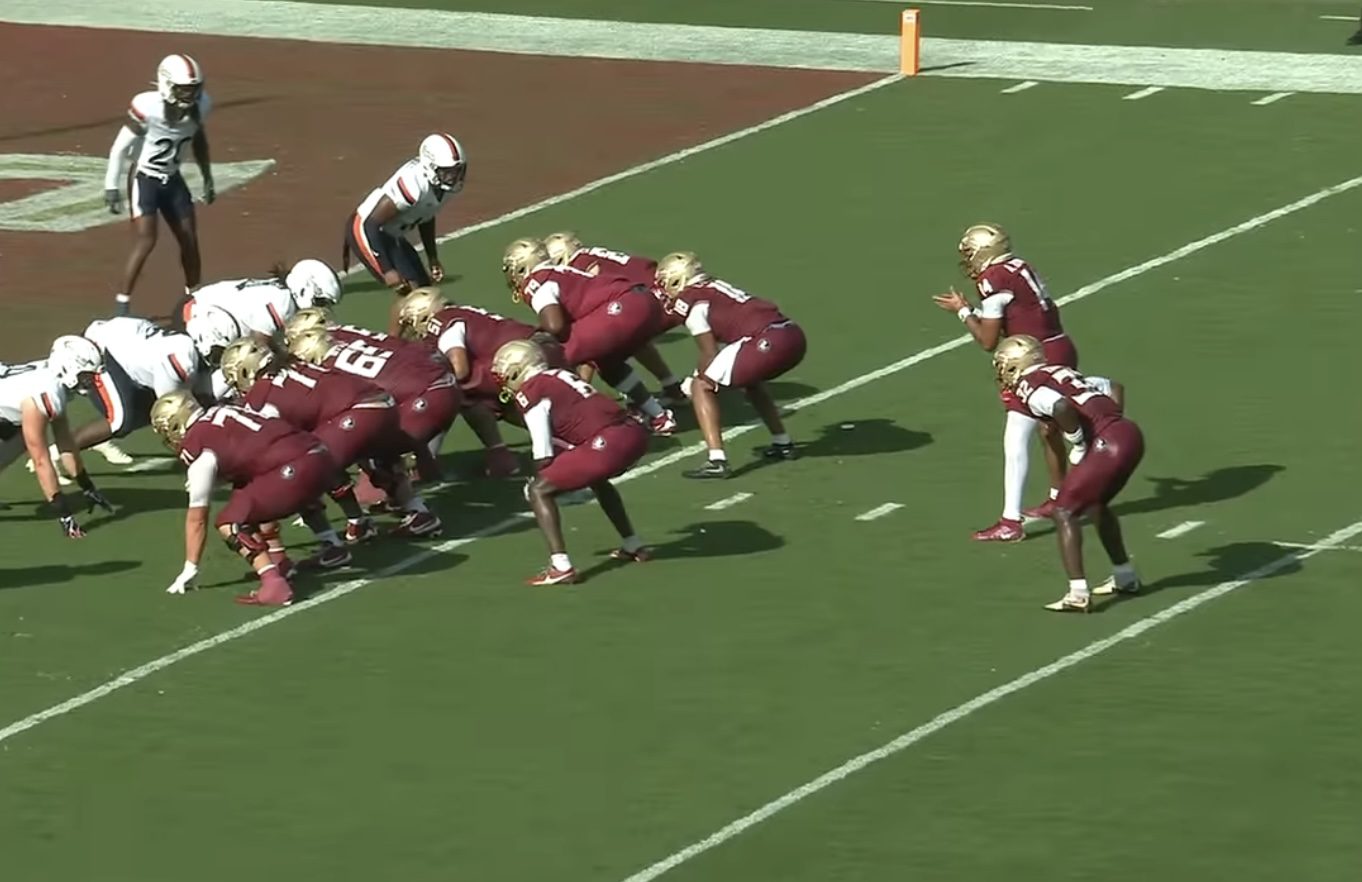
- Sept. 19: Florida State at Alabama
The Texas-Ohio State matchup is particularly significant because of the championship pedigree surrounding both programs. Oklahoma’s trip to Michigan and Florida State’s visit to Alabama could also have major implications for the national playoff picture.
The SEC’s CFP Outlook
National analysts expect the SEC to be the dominant conference in the 12-team CFP race, with projections generally calling for four to six SEC bids.
The new nine game league schedule could create more losses for contenders, but it also gives the conference an enormous opportunity to place multiple teams in the field.
Texas and Georgia are viewed as the conference’s clearest playoff locks. Texas is widely projected as the SEC champion and is frequently placed among the projected top four seeds, which would provide a first round bye.
Georgia is also consistently projected as a top-five national team. Analysts such as Josh Pate have backed the Bulldogs to win the SEC, while other projections have Georgia comfortably reaching the playoff even if it falls short in Atlanta.
The Bubble Contenders
The battle for the remaining SEC playoff spots could be fascinating. Oklahoma has strong analytical support, with ESPN’s FPI among the models projecting the Sooners around the playoff boundary.
Their elite defense could be enough to keep them in the field even if the offense experiences growing pains. LSU could become one of the year’s biggest surprises under Kiffin. A strong season could put the Tigers in position to earn a lower playoff seed and potentially travel to Miami for a first round game.
Alabama remains difficult to project. The Crimson Tide have enough talent to contend, but their ceiling could depend heavily on Russell’s development.
Texas A&M and Ole Miss represent two more dangerous wildcards. Both have the talent to reach 10-2, but the SEC schedule could just as easily turn those seasons into three-loss campaigns.
Which SEC Teams Reach Bowl Eligibility?
The conference’s depth is expected to extend well beyond the playoff field. National analysts project as many as 13 of the SEC’s 16 teams to reach bowl eligibility in 2026.
If the conference places five or six teams in the CFP, the remaining bowl eligible programs would create a remarkably deep postseason lineup. The top SEC programs are expected to occupy a significant portion of the CFP field and New Year’s Six quarterfinal picture. Projected SEC playoff teams include:
- Georgia
- Texas
- Oklahoma
- Alabama
- Ole Miss
- LSU
For teams missing the CFP, several SEC programs could fill the conference’s traditional postseason slots.
Projected Traditional SEC Bowl Matchups
Citrus Bowl — Orlando: Texas A&M
ReliaQuest Bowl — Tampa: LSU or Ole Miss (If they miss CFP)
Las Vegas Bowl — Las Vegas: South Carolina
Music City Bowl — Nashville: Tennessee or South Carolina
Gator Bowl — Jacksonville: Florida
Texas Bowl — Houston: Auburn or Tennessee
A Season Built for Chaos
The 2026 SEC season could ultimately come down to surviving the schedule. Texas and Georgia begin the year as the clear favorites, but Oklahoma, Alabama and LSU have the talent to challenge them, while Texas A&M, Ole Miss and Florida could disrupt the expected order.
The nine game conference schedule adds another layer of difficulty, making every Saturday potentially consequential. A two loss SEC team could still have a strong CFP résumé, while a third loss could turn a playoff contender into a bubble team.
By the time the SEC Championship Game arrives in Atlanta on Dec. 5, the conference could have several teams fighting not only for the league title, but also for playoff seeding and postseason survival.
One thing is certain: the 2026 SEC season promises to be a brutal race from opening weekend through championship weekend.


































































Want to join the conversation?
Create an account or sign in to share your thoughts, vote,
and reply to other readers.
Showing 0 of 0 comments
Don't have an account?
Already have an account?