
The Law Firm Shielding Meta: Inside Kellogg Hansen’s High-Stakes Defense Strategy to Protect the Pedophiles on Social Media
When states accuse Meta Platforms of failing to protect children from sexual exploitation and addictive design, Meta does not show up with a mid-level regional firm. It shows up with Kevin Huff of Kellogg Hansen. The Washington, D.C. based litigation firm has built a reputation on complex commercial battles, billion-dollar verdicts, and Supreme Court advocacy. Founded in 1993, the firm now boasts more than 100 attorneys and markets itself on “talent, creativity, and hard work” in high-stakes disputes. Now, it stands at the center of one of the most politically and emotionally charged tech trials in the country.
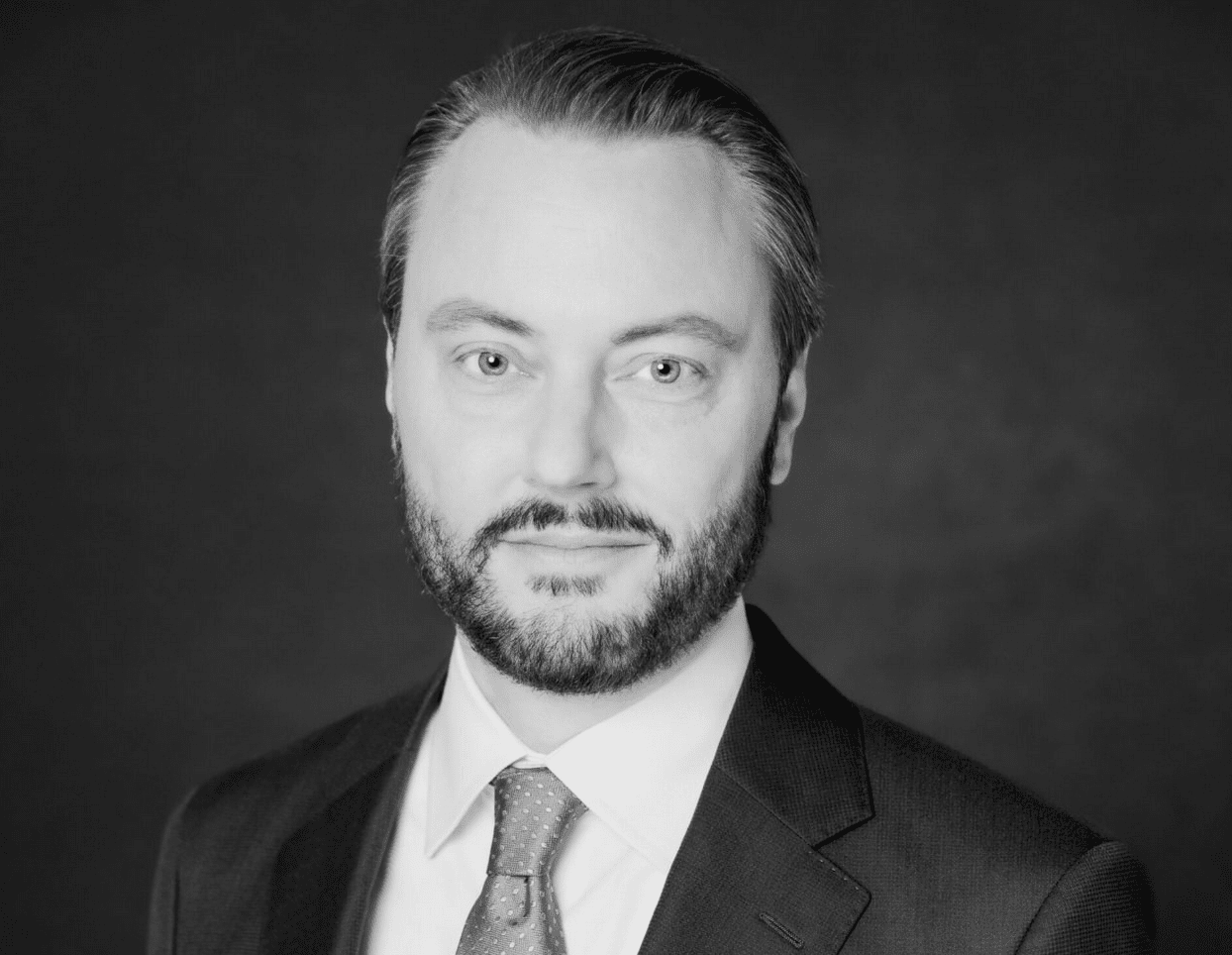
The Resume of the Lawyer Meta Hired to Protect Pedophiles
Kevin B. Huff, the Kellogg Hansen partner representing Meta in the New Mexico youth exploitation case, is not a fringe litigator.
His credentials are elite:
• Columbia Law School, Harlan Fiske Stone Scholar
• Former clerk to Justice Antonin Scalia at the U.S. Supreme Court
• Admitted before the Supreme Court of the United States
• Lead counsel in major corporate defense actions
Huff specializes in complex commercial litigation, securities disputes, fiduciary duty cases, business fraud claims. Now he is defending Meta against allegations that the company misrepresented the safety of its platforms for minors.
The Strategy
In court, Meta’s position has been clear:
The existence of bad actors does not equal deception. The company argues it disclosed risks, invested in safety systems, and cannot be held liable simply because harmful content exists on its platforms. That is the legal framework Kellogg Hansen is advancing. Not a denial that exploitation happens online. Not a denial that predators exist. But a narrower fight over disclosure, consumer protection law, and liability standards.
The only problem is that no one in the world believes this anymore, especially in the shadow of the Epstein files being released, where Mark Zuckerberg and Peter Thiel are both mentioned.
Kellogg Hansen is not a public relations firm, they don’t even have a strong website, and that’s going to hurt them in a case that will be tried in the media as much as in the courtroom. It is not a policy shop or a news connected firm. It is a litigation machine.
The firm has:
• Won multiple verdicts exceeding $1 billion
• Argued before the United States Supreme Court
• Secured high-profile dismissals in Delaware Chancery Court and federal appellate courts
When a corporation hires Kellogg Hansen, it signals something unmistakable: It intends to fight aggressively, strategically, and without blinking.
But here’s the reality in today’s political climate:
Allegations involving child sexual exploitation are radioactive in the United States right now. Public trust in institutions is low. The Epstein files have reignited scrutiny of elite networks. Both parties campaign on protecting children. No issue cuts across ideological lines more sharply than the protection of minors from sexual harm. In that environment, defending a tech giant accused by a state of failing to protect children is not just another commercial dispute.
It is reputational dynamite.
This is no longer a quiet securities case or a boardroom fiduciary battle. This is a courtroom fight framed around whether a global platform did enough to prevent predators from targeting minors. Fair or not, nuance disappears in that arena. Elite credentials, Supreme Court clerkships, billion-dollar verdicts, appellate victories, do not shield a firm from public perception. In fact, they amplify the contrast. The more powerful the firm, the more it can look like institutional muscle being deployed against child safety claims.
That does not mean the firm is endorsing misconduct. Every defendant deserves representation. That principle is foundational. But in this political moment, the optics are unforgiving. No matter how much the engagement pays, no matter how strong the legal arguments about disclosure and liability standards may be, the association with a case centered on child exploitation allegations carries a reputational cost. The courtroom battle may be about statutory interpretation and Section 230. The public conversation is about children. And those are two very different fights.
The Power Imbalance
In New Mexico, prosecutors allege that Meta knew children were exposed to sexual exploitation risks and that its design choices prioritized engagement over youth safety. The state is asking for algorithmic reforms, stronger age verification, and corporate accountability. Meta responds with a firm built for constitutional and commercial warfare. This is not accidental.
It reflects a broader reality in American litigation: when public entities attempt to regulate or penalize tech giants, they must go toe-to-toe with firms staffed by former Supreme Court clerks and appellate heavyweights.
The Ethical Crossroads
Every defendant deserves representation. That is foundational to the legal system. But when the underlying allegations involve children and exploitation, the optics change.
The question is not whether Kevin Huff is qualified. He clearly is. The question is whether the tech industry’s reliance on elite courtroom defenses reflects a deeper unwillingness to fundamentally redesign platforms that prosecutors argue are structurally unsafe for minors.
If Huff and his firm have won billion dollar cases, they do not need the money, and they may be fools to accept this losing case at this moment in the global news cycle. Only time will tell, but it is not looking good for them so far. Mark Zuckerberg’s testimony in the Los Angeles addiction litigation is unlikely to help Meta in the court of public opinion as scrutiny intensifies in the New Mexico child-exploitation case. The public scrutiny in this case will be far too intense for comfort, and the district attorney appears more than prepared.
The Larger Pattern
This New Mexico trial is one of several landmark cases testing whether social media companies can continue to rely on Section 230 protections and First Amendment defenses when accused of facilitating harm to children. Kellogg Hansen is part of that defense architecture. And as more states bring cases against Meta, Google, and other platforms, the role of elite litigation firms will become even more central. The courtroom fight is about disclosure and liability.
But beneath it lies a larger tension:
Can corporate legal firepower indefinitely outmatch public accountability efforts when the issue is child safety? That is the real trial unfolding, and Meta and Kellogg Hansen are likely going to lose in spectacular fashion.

















































Want to join the conversation?
Create an account or sign in to share your thoughts, vote,
and reply to other readers.
Showing 0 of 0 comments
Don't have an account?
Already have an account?