
Telegram is Huge and So is This Story
The long-running battle between Russia and Telegram has entered a dramatic new chapter after Russian authorities formally charged Telegram founder Pavel Durov with facilitating terrorist activities, accusing him of allowing the messaging platform to be used by terrorist organizations and Ukrainian intelligence services to organize attacks, recruit operatives, and coordinate sabotage inside Russia.
The charges, announced by Russia’s Federal Security Service (FSB), also include placing Durov on an international wanted list, where he could theoretically face life imprisonment if ever extradited to Russia. Durov, who has spent years resisting government pressure from multiple countries, responded defiantly on his personal Telegram channel rather than attempting to negotiate with Moscow, continuing his long-standing reputation as one of the tech world’s most outspoken advocates for digital privacy and free speech.
Who is Pavel Durov?… (Russia’s Mark Zuckerberg)
To understand why Russia is targeting Durov, it’s important to understand who he is. Pavel Durov is often referred to as the “Mark Zuckerberg of Russia.” In 2006, he co-founded VKontakte (VK), Russia’s largest social networking site. After repeatedly refusing demands from Russian authorities to censor opposition groups and provide user information, Durov lost control of the company and left Russia in 2014.
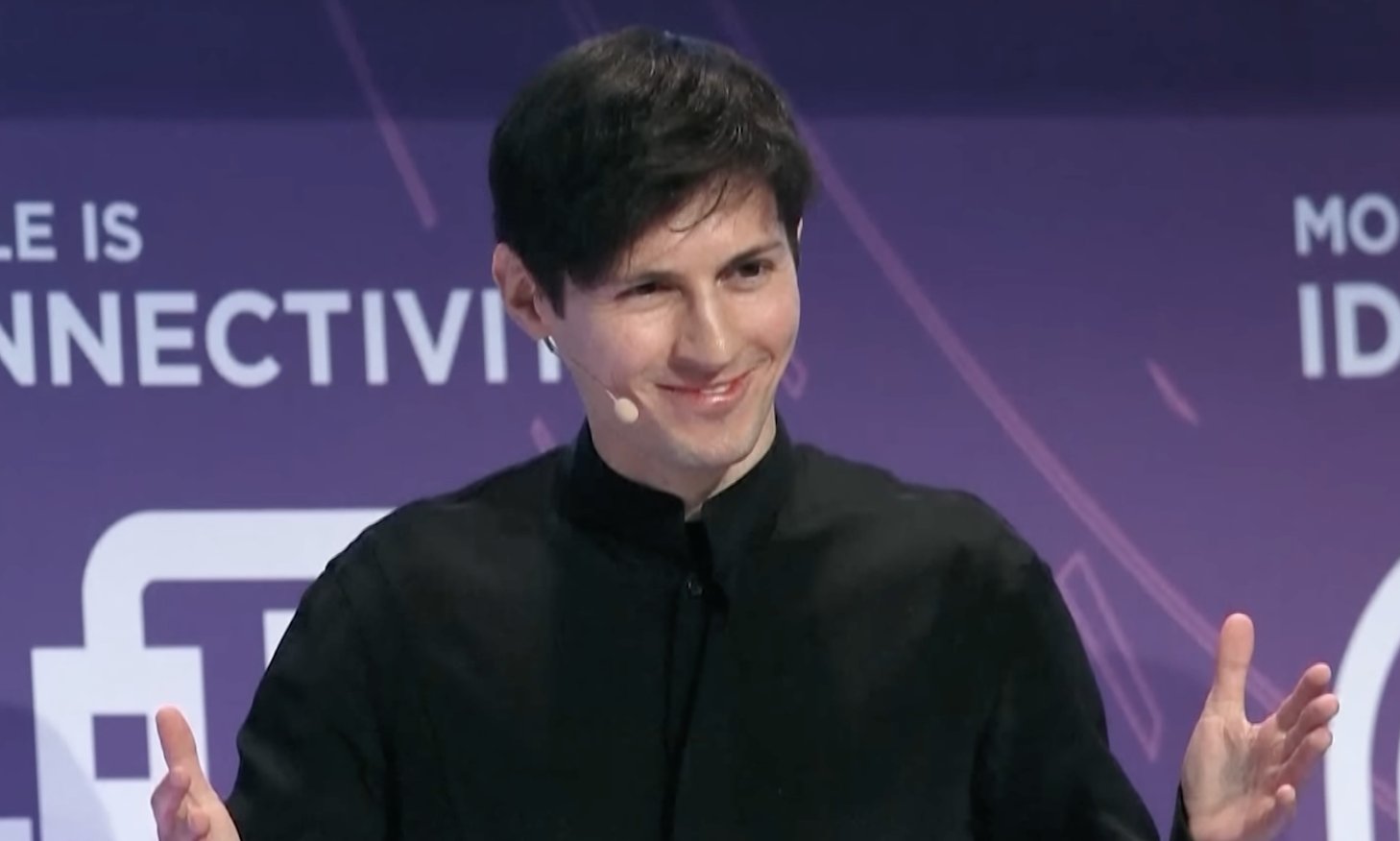
Even before his departure, he had become a symbol of resistance against government censorship. Rather than disappear from the technology world, Durov and his brother Nikolai had already begun developing Telegram in 2013, envisioning a messaging platform built around speed, encryption, and user privacy. Today, Telegram is headquartered in Dubai and has grown into one of the world’s largest messaging platforms with more than one billion users. The app has become especially popular among journalists, businesses, political movements, military organizations, cryptocurrency communities, and users seeking greater privacy than traditional social media platforms provide.
Telegram’s emphasis on privacy has also made it controversial. Unlike many competing platforms, Telegram has historically resisted government requests to hand over user information or weaken its encryption systems. The company argues that it cannot compromise the privacy of millions of legitimate users simply because criminals may also use the service.
Critics, however, argue that the platform’s loose moderation policies have allowed extremist organizations, organized crime groups, scammers, drug traffickers, and terrorist networks to communicate more freely than they could on more heavily moderated platforms. This balancing act between protecting privacy and policing illegal activity has placed Telegram under scrutiny in numerous countries, including France, Australia, and now Russia.
What is Russia Claiming?
According to Russian authorities, the current charges stem from Telegram allegedly failing to remove channels, bots, and chat groups that the FSB claims were used by Ukrainian intelligence agencies and organizations designated by Moscow as terrorist groups. Russia alleges these channels were used to recruit Russian citizens for sabotage operations, coordinate attacks, spread extremist propaganda, and facilitate cybercrime. Russian investigators argue that Durov knowingly refused repeated requests to remove the content and therefore bears criminal responsibility for allowing the activity to continue. Moscow has framed the case as part of its broader fight against terrorism and national security threats during its ongoing war with Ukraine.
Supporters of Durov see the situation very differently. They argue that Russia’s charges are less about terrorism and more about controlling information. Telegram has become one of the few remaining platforms where Russians can access independent reporting, opposition voices, and uncensored discussions about the war in Ukraine.
Although Russian officials themselves continue to use Telegram extensively for official announcements and military communications, the Kremlin has repeatedly sought greater control over the platform. Russia famously attempted to ban Telegram in 2018 after Durov refused to provide encryption keys to the FSB, but the effort largely failed as Telegram found technical workarounds to remain available across the country. The Russian government eventually lifted the ban in 2020 while continuing to pressure the company behind the scenes.
France Has Something to Say & the Future of Telegram
The charges also arrive while Durov continues to face legal pressure elsewhere. In 2024, French authorities arrested him as part of an investigation into whether Telegram had done enough to combat criminal activity occurring on its platform. Those allegations were unrelated to Russia’s accusations but centered on claims that Telegram had not sufficiently cooperated with law enforcement investigating crimes such as child exploitation, fraud, and drug trafficking.
Durov has consistently denied wrongdoing, arguing that holding the owner of a communications platform criminally responsible for the actions of its users would set a dangerous precedent for the entire technology industry.
Whether Russia’s case ultimately succeeds may matter less than its symbolic value. The charges represent another escalation in the ongoing global conflict between governments seeking greater control over digital communications and technology companies built around encryption and user privacy.
As Telegram continues to serve hundreds of millions of people around the world, Pavel Durov remains at the center of one of the biggest debates of the internet age: where the line should be drawn between protecting privacy, preventing crime, and preserving freedom of communication. As governments continue demanding greater access to private communications in the name of national security, that debate is unlikely to end anytime soon.











































Want to join the conversation?
Create an account or sign in to share your thoughts, vote,
and reply to other readers.
Showing 0 of 0 comments
Don't have an account?
Already have an account?