
The Reverse Midas Touch: Elon Musk Spent Nearly $500 Million Trying to Buy the Midterms, Now Democrats Are Coming for the Receipts
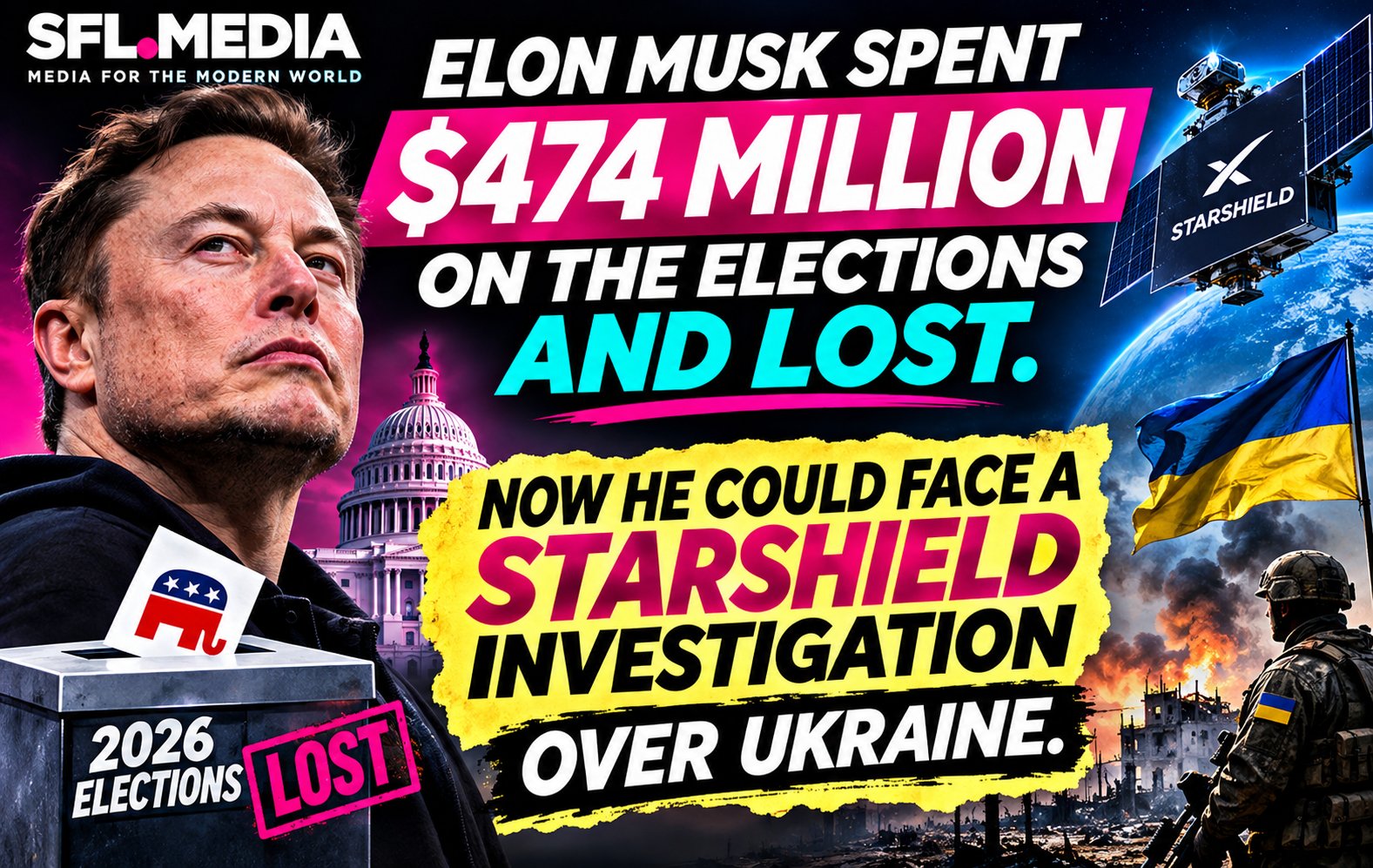
Elon Musk poured nearly half a billion dollars into the 2026 midterm elections, attempting to preserve Republican control of Congress, protect his sprawling business empire and keep Texas firmly in conservative hands. Instead, Democrats captured both chambers of Congress, flipped the Texas governorship and defeated the billionaire’s preferred Senate candidate, leaving Musk facing the prospect of congressional investigations into his government contracts, his controversial Department of Government Efficiency operation, his foreign relationships and the national security implications of his satellite communications network. The world’s richest man may have discovered that unlimited money cannot guarantee political power and that losing an election can be considerably more expensive than winning one.
Nearly Half a Billion Dollars, and a Political Disaster
Elon Musk entered the 2026 midterm elections with financial resources unmatched by virtually any other individual in American politics. As the billionaire behind Tesla, SpaceX, X and several other technology ventures, Musk had already established himself as a major Republican donor and an influential figure in President Donald Trump’s political orbit. This election cycle, however, represented an extraordinary escalation of his political spending, with hundreds of millions of dollars directed toward Republican candidates, political action committees and organizations working to preserve GOP control of Washington.
According to federal election filings analyzed by the nonpartisan campaign finance organization OpenSecrets, Musk contributed more than $445 million to Republican candidates and political organizations during the 2026 election cycle. Other published estimates placed his broader political spending between approximately $458 million and $474 million, depending on the reporting period and whether state races, nonprofit organizations and other political expenditures were included. The figures made Musk the largest individual donor of the midterm cycle and placed him among the most financially consequential political contributors in modern American history.
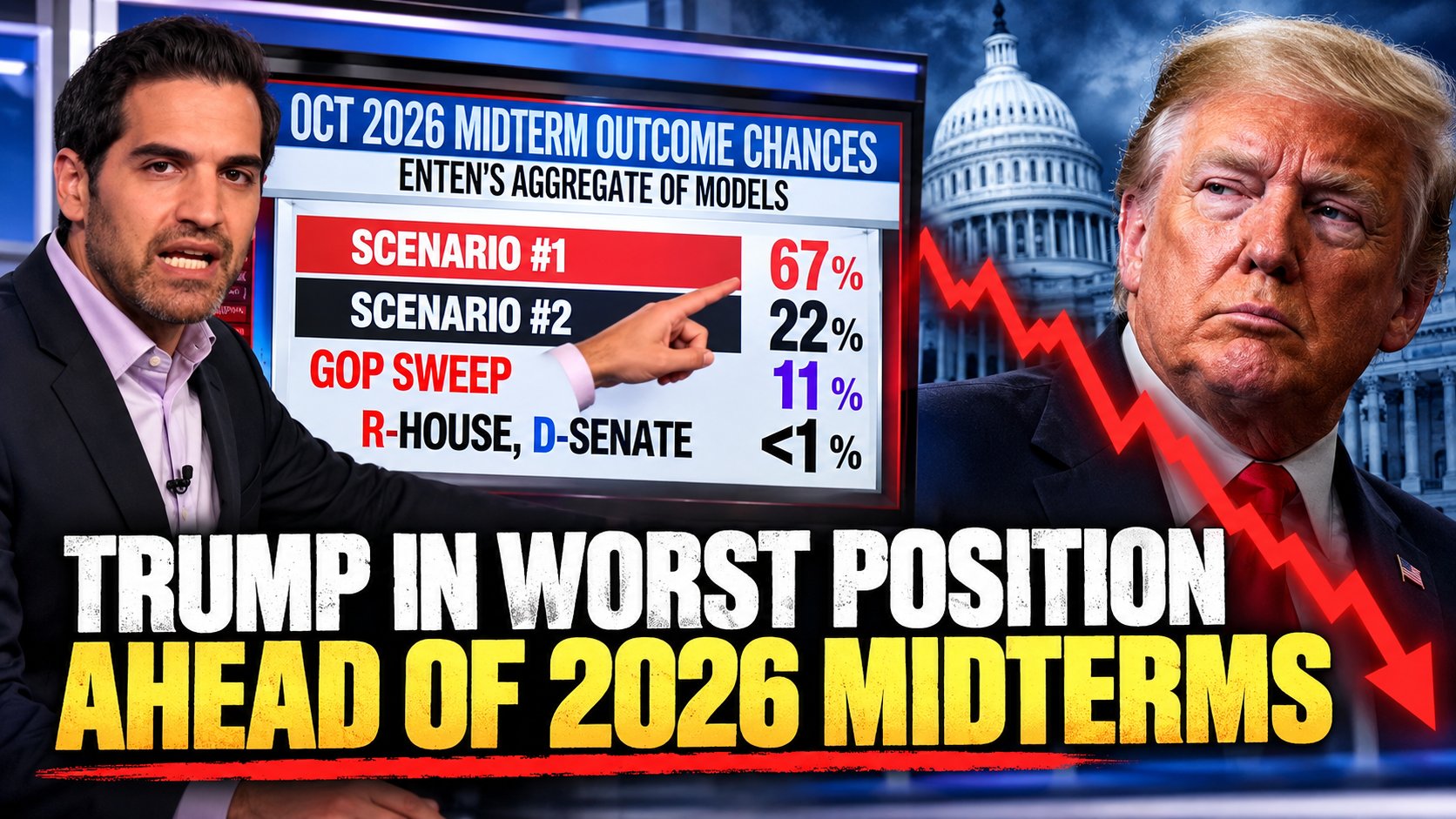
Despite that enormous investment, the results delivered a sweeping repudiation of the political outcome Musk had sought. Democrats won control of the U.S. House of Representatives and Senate, defeated Republicans in several high-profile statewide contests and achieved historic victories in Texas, where Musk had concentrated a substantial portion of his financial and political influence. The results did not mean that every candidate receiving Musk’s support lost, nor do they establish that his involvement caused Republican defeats. They do, however, demonstrate the limitations of an electoral strategy built around extraordinary wealth, aggressive political advertising and the assumption that financial dominance can overcome widespread voter dissatisfaction.
For Musk, the consequences extend far beyond the embarrassment of spending hundreds of millions of dollars without achieving his principal political objectives. The incoming Democratic congressional majority will possess investigative and subpoena powers that Republicans controlled during the previous Congress, creating new opportunities to examine Musk’s relationships with federal agencies, his role in the Trump administration and the government contracts awarded to companies he controls.
The Texas Catastrophe: Musk Spent a Fortune and Lost His Political Stronghold
Texas was supposed to be the centerpiece of Musk’s political strategy. Over the past several years, the billionaire transformed the state into the operational center of much of his business empire, relocating Tesla’s corporate headquarters to Austin, expanding SpaceX operations around Starbase in South Texas and developing additional manufacturing, artificial intelligence and infrastructure projects. Republican Gov. Greg Abbott had cultivated a business friendly political environment that Musk and other technology executives found attractive, while Texas Republicans maintained control over statewide offices and most major policy decisions.
Musk invested heavily in preserving that arrangement. Reporting based on campaign finance disclosures placed his Texas political spending at approximately $225 million or more, including substantial support for Republican Attorney General Ken Paxton’s U.S. Senate campaign and Abbott’s reelection effort. Reuters reported particularly large expenditures connected to the Senate race, while additional funds supported other Republican candidates and political organizations. Those amounts should not be treated as a single expenditure exclusively benefiting Paxton, because the money flowed through different committees and political operations.
Texas voters nevertheless delivered a historic Democratic victory. State Rep. James Talarico defeated Paxton in the U.S. Senate contest, becoming the first Democrat elected to represent Texas in the Senate since 1988. Democrat Gina Hinojosa defeated Abbott, ending Republican control of the governor’s office that had lasted since the mid-1990s and becoming the state’s first Latina governor. Democrats also won control of the Texas House, dramatically changing the political balance in a state that Republicans had treated as one of their most dependable strongholds.
The losses were particularly damaging because Musk had made himself a central figure in the Texas Senate campaign. He used his social media platform to attack Talarico, promoted Republican messaging and helped finance an expensive political operation designed to prevent the Democrat from winning. Talarico, in turn, made Musk’s involvement a defining campaign issue, portraying the election as a confrontation between ordinary voters and extraordinarily wealthy political donors attempting to control the state’s future.
In his victory speech, Talarico argued that the election had demonstrated the limits of billionaire political influence and declared that political power ultimately belonged to the people. His message resonated with a broader Democratic argument that wealthy donors should not be permitted to dominate public policy simply because they can spend more money than their political opponents.
For Musk, the Texas results represent more than a symbolic defeat. The governor elect has expressed skepticism about large technology developments that impose substantial demands on electricity, water and public infrastructure, and she has previously sought greater transparency concerning Abbott’s communications with Musk. Her administration could bring closer scrutiny to corporate incentives, environmental permits, energy-intensive data centers and infrastructure arrangements involving Musk’s companies. Existing contracts and permits remain subject to applicable law, however, and a change in political leadership does not automatically establish wrongdoing or authorize the cancellation of legally binding agreements.
The Numbers Reveal How Badly Musk’s Political Strategy Failed
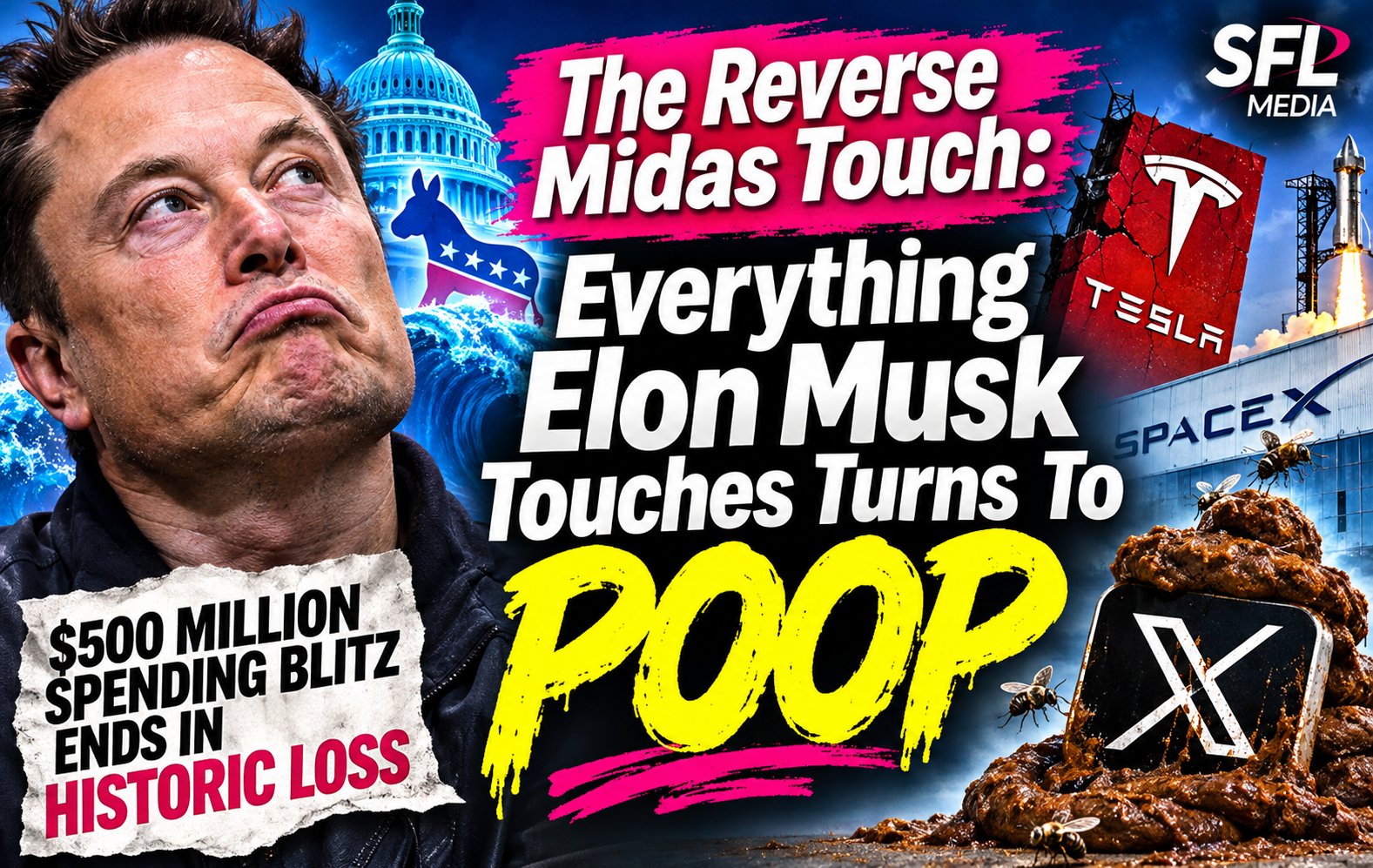
The national results were equally striking. Reuters reported on November 5 that just three of the 43 Republican House candidates Musk supported had won their races, while 33 had lost and seven contests remained unresolved at the time of publication. Among seven Republican Senate candidates he backed, six had been defeated, with the remaining contest in Alaska still undecided. Those figures provide a more precise picture of his electoral performance than simply counting the total number of Republican defeats nationwide.
The numbers are remarkable given the resources Musk deployed. His spending supported advertising, voter outreach and political organizations across multiple states, while his ownership of X gave him an additional platform for promoting preferred candidates and attacking their opponents. His public endorsements and statements also helped make him a prominent figure in campaigns where he was not personally on the ballot.
Yet the financial advantage did not translate into widespread electoral success. Republican candidates lost major races in Texas, Maine, Ohio and other states despite substantial outside spending, while Democrats capitalized on voter frustration over economic conditions, the Trump administration and the broader direction of the country. The election results suggest that Musk’s political involvement may have become a liability in some races, particularly where Democratic candidates successfully portrayed him as a billionaire seeking influence over government decisions affecting his businesses.
That conclusion requires an important qualification. Elections are shaped by multiple factors, and campaign spending alone cannot explain why voters support or reject individual candidates. Musk’s contributions may have helped some Republicans remain competitive or narrow their margins of defeat, even where those candidates ultimately lost. What the results demonstrate is that his extraordinary financial intervention was insufficient to accomplish his primary political goal of preserving Republican control of Congress.
Democrats Are Preparing to Investigate Musk’s Government Role
The most consequential outcome for Musk may be the Democratic takeover of Congress. Beginning in January 2027, Democratic committee chairs will have the authority to initiate oversight investigations, conduct hearings, request federal records and issue subpoenas, subject to congressional rules and applicable legal protections. Those powers could expose Musk and his businesses to a level of public examination that was far less likely under unified Republican control.
Democratic lawmakers have already identified several areas of concern, including Musk’s role in the Department of Government Efficiency, potential conflicts of interest involving federal contracts, access to sensitive government information, his relationships with foreign governments and the operation of SpaceX’s Starlink satellite network. Some inquiries were initiated before the election, while others are being discussed as priorities for the incoming congressional majority.
Rep. Robert Garcia of California, who is positioned to lead the House Oversight and Government Reform Committee, has expressed interest in examining Musk’s government activities and introducing legislation addressing the ability of extremely wealthy individuals to spend unlimited personal funds influencing elections. Other Democratic lawmakers have raised concerns about the relationship between Musk’s political influence and the billions of dollars in federal business received by his companies.
The distinction between an investigation and a finding of wrongdoing is essential. Congressional committees can examine government conduct, compel testimony and recommend legislative reforms, but they do not have the authority to convict individuals of crimes. Any criminal prosecution would require action by appropriate law enforcement authorities, while administrative penalties and contract disputes must follow their own legal procedures. Nevertheless, the prospect of sworn testimony, internal records and public hearings represents a substantial political and reputational challenge for Musk.
DOGE: What Did Musk Actually Save, and What Did His Cuts Cost?
One of the most obvious subjects for congressional oversight is the Department of Government Efficiency, commonly known as DOGE. Musk became the initiative’s most prominent public advocate during the early months of Trump’s second administration, promoting sweeping federal workforce reductions, canceled contracts and the restructuring of government agencies as necessary measures to eliminate waste and reduce spending.
The initiative also generated controversy over its methods, the accuracy of its claimed savings and the consequences of abruptly eliminating government programs and personnel. Critics argued that DOGE’s calculations often failed to account for the costs associated with severance payments, litigation, interrupted services, replacement contracts and the potential expense of rebuilding institutional capacity. Supporters maintained that the effort challenged an inefficient federal bureaucracy and identified spending that deserved closer scrutiny.
A Democratic investigation could examine whether DOGE’s reported savings were supported by verifiable financial records, whether federal agencies complied with applicable laws when terminating employees or contracts and whether the initiative’s actions produced unintended costs for taxpayers. Investigators could also examine the extent of Musk’s authority, the decisions he personally influenced and whether his status as a special government employee created conflicts involving companies that depended heavily on federal contracts.
Those questions have significant legal implications because federal ethics rules restrict certain government employees from participating in official matters affecting their personal financial interests. Musk’s ownership interests in SpaceX, Tesla and other companies make the precise scope of his government responsibilities particularly relevant. A conflict of interest investigation would need to establish which decisions Musk participated in, what financial interests were affected and whether any applicable exemptions or authorizations existed.
The central question is whether Musk’s government role served the public interest while complying with federal law, or whether it created opportunities for private business interests to influence decisions involving taxpayer money and government operations. That question cannot be answered simply by pointing to his wealth or political affiliations; it requires records, testimony and a careful examination of specific government actions.
The Federal Data Question: What Happened to Americans’ Private Information?
DOGE’s access to sensitive federal databases represents another potentially significant area of investigation. During the initiative’s operations, personnel associated with DOGE obtained or sought access to government systems containing information about federal employees and members of the public, prompting lawsuits and concerns about privacy protections, cybersecurity and compliance with federal law.
Legal challenges involving the Treasury Department, the Office of Personnel Management and other agencies questioned whether access to sensitive information had been properly authorized and whether existing privacy safeguards were followed. Those proceedings raised broader concerns about the handling of personal records entrusted to the federal government, including information that Americans are required to provide when paying taxes, receiving benefits or interacting with federal agencies.
Congressional investigators could seek to determine which databases DOGE personnel accessed, who approved that access, whether information was copied or transferred, what cybersecurity controls were in place and whether records remained in systems outside their authorized environment. Lawmakers could also examine whether agency privacy officers, inspectors general and legal advisers were consulted before access was granted.
The existence of litigation does not establish that Musk personally misused federal data or committed a crime. However, the handling of sensitive government information is a legitimate oversight issue regardless of the political affiliation of the individuals involved. Americans have a right to expect that personal records maintained by federal agencies will be protected under applicable privacy and security laws.
SpaceX: Billions in Federal Contracts and the Conflict of Interest Problem
Musk’s ownership of SpaceX presents another major oversight question because the company is deeply integrated into American space exploration and national security operations. SpaceX launches astronauts and cargo for NASA, provides satellite launch services for government agencies and supports communications systems used by the military and other public institutions. Its technological achievements have made it an important government contractor, but that commercial relationship also creates substantial financial interests in federal procurement decisions.
NPR reported that Musk received at least $6.3 billion in government contracts for his companies during the four months he led DOGE, with at least another $10 billion awarded afterward, citing an analysis by the Democracy Defenders Fund. Those figures describe contracts awarded to businesses associated with Musk, not payments made personally to him, and they do not establish that the contracts were improperly awarded. Nevertheless, they illustrate the extraordinary scale of the financial relationships that investigators may examine.
Democratic lawmakers could review whether procurement decisions involving SpaceX and other Musk controlled businesses complied with competitive bidding requirements, whether federal officials appropriately addressed potential conflicts of interest and whether Musk participated in government decisions that affected his companies. They could also examine communications between administration officials and corporate representatives to determine whether political influence affected contract awards, regulatory treatment or government policy.
There is an important difference between a company receiving legitimate government business and a company receiving preferential treatment because of political connections. SpaceX’s capabilities may provide entirely lawful reasons for agencies to award it substantial contracts. Investigators would need documentary evidence of improper influence, violations of procurement rules or other specific misconduct before concluding that a contract was corrupt. The broader issue is whether a billionaire can simultaneously hold extraordinary influence inside the federal government, contribute hundreds of millions of dollars to the governing political party and maintain enormous financial interests in contracts awarded by that same government without creating conflicts that require independent scrutiny.
Starlink, Ukraine and the National Security Questions
Musk’s political vulnerability also extends into national security through Starlink, SpaceX’s satellite internet network. The technology has become an important communications resource in Ukraine and other locations where conventional infrastructure is damaged, unavailable or vulnerable to attack. Its military significance has raised questions about the extent to which critical communications systems should depend on decisions made by private companies.
Reuters reported that Democratic lawmakers had already requested information from SpaceX, the Department of Defense and the White House concerning restrictions involving Starlink service in Ukraine during a critical period of the war against Russia. Lawmakers have also expressed interest in Musk’s contacts with Russia and the broader implications of his international business relationships.
These inquiries involve serious national security questions, but they should not be confused with established findings of criminal conduct. A congressional investigation would need to determine the applicable contractual obligations, the circumstances surrounding service restrictions, the communications between company executives and government officials and whether any decisions violated legal requirements or endangered operations covered by government agreements.
The policy implications extend beyond Musk. As private satellite networks become increasingly important to military operations, governments must determine whether they have sufficient contractual and operational safeguards to ensure continuity of service during emergencies. The United States and its allies cannot responsibly treat critical communications infrastructure as an afterthought, particularly when access may influence battlefield decisions and national security outcomes.
Texas Democrats Could Reconsider the Corporate Benefits Musk Enjoyed
The political transformation in Texas could also affect Musk’s companies through state-level oversight. Tesla’s Austin manufacturing operations, SpaceX’s Starbase facilities and planned semiconductor and data center projects depend on infrastructure, regulatory approvals and relationships with state and local governments. Those relationships developed during a period when Republican leaders actively promoted large corporate investments and emphasized policies favorable to business expansion.
Governor elect Gina Hinojosa has signaled greater skepticism toward certain large scale technology projects, particularly developments that require substantial electricity and water resources or receive public benefits without demonstrating sufficient returns for surrounding communities. Her campaign included concerns about data center expansion, environmental protection and transparency in government dealings with major corporations.
Fortune reported that Musk directed at least $225 million toward Texas political contests and that Hinojosa had previously sought records concerning communications between Abbott and Musk. The publication also highlighted a planned $16.8 billion semiconductor venture in Texas involving Musk’s businesses, underscoring the financial significance of state cooperation for his future projects.
A Democratic administration could seek more detailed environmental reviews, reconsider the terms of future corporate incentives and scrutinize how infrastructure costs are distributed between private businesses and taxpayers. Such actions would need to comply with existing laws, contracts and regulatory procedures, and the Republican-controlled Texas Senate could limit the scope of legislative changes. Nevertheless, the election has replaced a politically accommodating governor with one who has campaigned on greater accountability for large corporate interests.
The implications for Musk are clear: Texas may remain an attractive place to manufacture vehicles, launch rockets and build technology infrastructure, but the assumption that state government will consistently support his preferred policies can no longer be taken for granted.
Tesla Faces Its Own Regulatory and Political Challenges
Tesla’s business challenges provide another source of potential scrutiny, although they must be distinguished from Musk’s political activities. The company has faced federal regulatory inquiries concerning vehicle safety, advanced driver assistance systems, automated driving technology and its expanding robotaxi operations. Those matters involve established government oversight processes and do not depend on which political party controls Congress.
Regulators have examined questions surrounding automated driving performance, safety reporting and compliance with federal vehicle standards. Tesla has disclosed that government agencies have requested information concerning several aspects of its operations, while maintaining that the existence of such inquiries does not establish wrongdoing. Congressional committees could examine whether federal safety agencies enforced applicable rules consistently, whether political relationships influenced regulatory decisions and whether the public received accurate information about vehicle capabilities. Such investigations would need to distinguish legitimate safety concerns from disagreements with Musk’s political statements or public persona.
Tesla also faces a broader reputational challenge. When a chief executive becomes one of the country’s most polarizing political figures, public reaction to that executive can influence consumer perceptions of the company. That does not mean every sales fluctuation or stock movement is attributable to politics, but it does create an additional business risk that shareholders and corporate leaders must consider.
The Election Also Hit Musk’s Fortune
The political defeat coincided with a financial setback for Musk’s publicly traded and privately held business interests. The Associated Press reported that declines in Tesla and SpaceX valuations following the election contributed to an estimated $45 billion reduction in Musk’s paper wealth. Such estimates depend on market prices, private-company valuations and the timing of calculations, and they should not be interpreted as cash losses or money Musk personally paid out.
The distinction matters because Musk’s political spending and changes in his net worth are separate financial events. Campaign contributions represent actual expenditures, while fluctuations in the value of his ownership stakes reflect changing market assessments of his businesses. The two can be related through investor expectations about regulation, government contracts and political risk, but they are not interchangeable.
Even after the reported decline, Musk remained extraordinarily wealthy, and his companies retained substantial technological capabilities and commercial opportunities. The election did not destroy Tesla or SpaceX, nor did it eliminate their importance to American manufacturing, space exploration and communications infrastructure. What changed was the political environment in which those businesses operate, along with investors’ assessment of the risks associated with their founder’s unusually visible partisan activities.
The Campaign Finance Problem: Can One Billionaire Spend Too Much?
Musk’s spending has revived a fundamental debate about the role of concentrated wealth in American elections. Federal campaign finance law allows individuals to contribute unlimited amounts to certain independent political committees, provided those organizations comply with restrictions on coordination with candidates. That framework permits billionaires to finance enormous advertising and political operations even though direct contributions to individual federal candidates remain subject to legal limits.
Musk used that system on an unprecedented scale during the 2026 midterms, helping finance Republican aligned organizations across multiple states while using X to promote his preferred political outcomes. His activity demonstrated how an individual with extraordinary financial resources can become a central participant in national elections without holding public office or appearing on the ballot.
Incoming House Oversight Chairman Robert Garcia has discussed legislation addressing what he describes as the Musk loophole, a reference to the ability of wealthy individuals to deploy enormous personal fortunes through political spending structures. Any effort to impose significant restrictions would face constitutional challenges under existing Supreme Court precedents protecting independent political expenditures, making meaningful reform a complicated legal and legislative undertaking.
The election produced an important contradiction. Musk’s financial intervention failed to deliver the victories he wanted, suggesting that voters remain capable of rejecting candidates despite enormous spending advantages. Yet the fact that one individual could invest nearly half a billion dollars attempting to influence a single election cycle raises questions about whether ordinary citizens enjoy anything approaching equal political influence.
Democratic reform proposals will therefore face two separate challenges: demonstrating that the existing campaign finance system creates unacceptable concentrations of political power and developing legally sustainable measures that address those concerns without violating constitutional protections.
Musk’s Public Threats Could Complicate the Coming Investigations
As Democratic prospects improved before Election Day, Musk adopted an increasingly confrontational posture toward political opponents and lawmakers discussing potential investigations. He publicly criticized Democrats, attacked candidates he opposed and suggested that individuals pursuing him should expect retaliation. His statements reflected a political style that relies heavily on personal confrontation and the direct use of his social media platform to challenge critics.
Following the election, Musk also appeared to acknowledge the failure of his political intervention through a sarcastic social media post about his supposed election-interfering space lasers. The remark was a joke rather than an admission of actual election interference, but it captured the awkward position of a billionaire whose extraordinary spending had failed to prevent a major Republican defeat.
Musk has every right to defend himself publicly, criticize elected officials and challenge investigations he believes are politically motivated. At the same time, congressional oversight is a legitimate constitutional function when it concerns federal spending, government operations, potential conflicts of interest and national security. Lawmakers must exercise that authority within legal limits, while witnesses retain applicable constitutional rights and protections.
The coming confrontation could become one of the most politically charged oversight battles of the new Congress. Musk’s supporters are likely to portray investigations as retaliation against a prominent Republican donor, while Democrats will argue that the combination of enormous political spending, federal government influence and lucrative government contracts demands independent examination. The credibility of either position will ultimately depend on the evidence produced rather than the volume of the political rhetoric surrounding it.
Democrats Can Investigate Musk, but They Cannot Simply Punish Him
The Democratic takeover of Congress significantly changes Musk’s political exposure, but it does not give lawmakers unlimited authority over his businesses or personal affairs. Congressional committees can investigate matters related to legitimate legislative purposes, demand records, hold hearings and issue subpoenas. They cannot independently prosecute criminal cases, revoke legally awarded contracts without proper authority or impose penalties simply because they disagree with an individual’s political activities.
Any evidence suggesting criminal violations would have to be evaluated by appropriate law enforcement authorities, while procurement disputes, regulatory actions and administrative sanctions would remain subject to their respective legal procedures. Courts may also review congressional subpoenas and executive branch actions when constitutional or statutory disputes arise.
That distinction is especially important in an environment where political retaliation has become a recurring accusation across party lines. If Democrats intend to make government accountability a central feature of their new majority, their investigations will need to rely on specific evidence, transparent procedures and clearly defined public interests. An inquiry into potential conflicts involving SpaceX contracts, for example, should identify the contracts and decisions at issue rather than treating the mere existence of government business as proof of corruption.
The same principle applies to DOGE, Starlink and Tesla. Investigators can legitimately examine whether laws were followed, whether public money was properly spent and whether national security interests were protected. They should not assume wrongdoing merely because Musk is wealthy, politically controversial or closely associated with the defeated Republican majority.
The Reverse Midas Touch: When Unlimited Money Meets the Limits of Political Power
The central irony of Musk’s 2026 election campaign is difficult to ignore. A billionaire whose reputation was built on extraordinary ambition, disruptive technology and an ability to accomplish what others considered impossible invested nearly half a billion dollars attempting to shape the American political system, only to watch voters deliver many of the outcomes he had spent so heavily trying to prevent.
His preferred Republicans lost control of Congress. His enormous investment in Texas failed to stop Democrats from winning the governorship, a U.S. Senate seat and control of the state House. Most of the congressional candidates he backed were defeated, and the incoming Democratic majority is preparing to examine the government activities and business relationships that became intertwined with his political influence.
The election does not establish that Musk committed any crime, nor does it erase the accomplishments of Tesla, SpaceX or his other companies. He remains one of the world’s wealthiest individuals, and his businesses continue to occupy important positions in transportation, space exploration, artificial intelligence and communications. But the results have exposed the limitations of his political strategy and created the possibility that his involvement in government will receive substantially more scrutiny than it did under Republican congressional control.
The larger issue extends beyond Musk himself. American democracy must continually confront the relationship between private wealth and public power, particularly when the individuals financing political campaigns also control companies that receive enormous government contracts and operate infrastructure essential to national security. The public has a legitimate interest in knowing whether those relationships are governed by transparent rules, whether conflicts are appropriately managed and whether taxpayer resources are protected from improper influence.
Musk attempted to use extraordinary wealth to preserve a favorable political environment. Instead, voters delivered a Democratic Congress with the power to demand answers about that environment and the decisions made within it. Whether those investigations ultimately uncover misconduct, expose weaknesses in federal oversight or produce legislative reforms remains to be seen.
The ancient legend of King Midas describes a man whose touch turned everything to gold. Musk’s political experience in 2026 suggests a very different metaphor: an enormously expensive effort to turn money into political power that instead produced electoral defeats, hostile congressional committees and the prospect of years of public scrutiny.
The reverse Midas touch may be a political punchline. The investigations that follow could be considerably more serious.

Sources & Further Reading
- Reuters — November 5, 2026: Musk Has Little to Show for His Record Spending on Republican Campaigns in U.S. Midterms
- Reuters — November 4, 2026: Elon Musk’s Business Empire Braces for Democratic Wave as Texas Flips Blue
- Associated Press: Musk Gambled $445 Million to Boost Republicans in the Midterms and Came Up Short
- NPR — November 4, 2026: Elon Musk Will Face Scrutiny From Democrats After Midterms
- The Washington Post — November 4, 2026: Musk Threw His Fortune at the Midterms. Voters Handed Him a Stunning Defeat
- Fortune — November 5, 2026: Elon Musk Spent at Least $225 Million in Texas. Gina Hinojosa Won Anyway
- Reuters — November 4, 2026: Democrats Remake Texas Politics in Historic Election Rout
- San Antonio Express-News — November 4, 2026: Musk Spent at Least $224 Million to Keep Texas Red. Now the Internet Is Roasting Him
- The American Prospect — November 4, 2026: Let’s All Point and Laugh at Elon Musk
- OpenSecrets: Federal Campaign Finance Data and Political Spending Research
- U.S. House Committee on Oversight and Government Reform: Congressional Oversight and Investigations
- Federal Election Commission: Campaign Finance Disclosure Database
- Tesla Investor Relations: Financial Reports and Regulatory Filings
- National Highway Traffic Safety Administration: Vehicle Safety Investigations and Recalls
- Source Video: Elon Musk’s 2026 Election Spending and Political Fallout
- SFL Media: Politics, Technology and Investigative News










































Want to join the conversation?
Create an account or sign in to share your thoughts, vote,
and reply to other readers.
Showing 0 of 0 comments
Don't have an account?
Already have an account?