
Zelenskyy Defies Trump, Orders New Strikes on Russian Oil Refineries as Ukraine Accuses Washington of Undermining Its Defense
After Russian forces continued bombing Ukraine’s energy infrastructure during a brief pause in Ukrainian refinery attacks, President Volodymyr Zelenskyy has ordered his military to resume striking Russia’s oil industry, escalating a confrontation with the Trump administration over sanctions, satellite communications, military intelligence, and America’s increasingly controversial relationship with Moscow.
Ukraine Draws the Line as Trump’s Energy Truce Unravels
Ukrainian President Volodymyr Zelenskyy has ordered the resumption of long-range attacks against Russian oil refineries following a temporary three day pause, directly challenging pressure from President Donald Trump to stop targeting the infrastructure that helps finance Russia’s invasion of Ukraine. The decision follows another wave of Russian missile and drone attacks against Ukrainian power plants and gas infrastructure, raising fundamental questions about why Washington has sought to restrain Ukrainian strikes while Moscow continues attacking its neighbor.
According to Bloomberg Television’s October 15 report, citing an interview with the Financial Times, Zelenskyy’s decision comes amid mounting frustration with the Trump administration’s handling of the war, particularly its efforts to increase Russian diesel supplies to global markets while pressing Kyiv to reduce attacks against Russian energy facilities. Ukrainian officials have also raised concerns about disruptions involving American controlled satellite communications technology used by their military forces. Together, the developments suggest that relations between Washington and Kyiv are facing renewed strain as Ukraine questions whether American policy is strengthening its defense or limiting its ability to resist Russian aggression.
The latest confrontation follows South Florida Media’s earlier reporting on restrictions affecting satellite communications systems used by Ukrainian drones during Russian attacks. Those restrictions are now part of a larger diplomatic dispute involving American military support, Russian energy exports, and the increasingly difficult position facing a Ukrainian government attempting to defend its territory while preserving its relationship with Washington.
Russia Continued Attacking Ukraine While Kyiv Paused Its Refinery Strikes
The immediate dispute centers on an American backed effort to reduce attacks against energy infrastructure. Trump has promoted an energy truce between Russia and Ukraine while his administration has pursued arrangements intended to increase Russian diesel supplies and ease pressure on international fuel prices. Ukrainian officials, however, have questioned whether a meaningful reciprocal agreement exists, particularly when Russian forces continue attacking Ukraine’s energy system.
Ukraine temporarily suspended certain long range refinery strikes, but Russian forces continued attacking Ukrainian energy facilities. Those assaults threatened power generation, gas infrastructure, and essential services at a time when Ukraine remains heavily dependent on its electrical grid to support hospitals, businesses, military operations, and civilian communities. The situation left Zelenskyy confronting a fundamental imbalance: Ukraine was being pressured to stop damaging Russia’s oil industry while Russian missiles and drones continued targeting infrastructure essential to Ukrainian civilian life.
Zelenskyy’s decision to resume refinery attacks represents a rejection of that arrangement. Ukrainian officials have maintained that Russian oil infrastructure can constitute a legitimate military objective because petroleum revenue helps sustain Moscow’s war effort, while refineries provide fuel and other products important to military logistics and transportation. Whether an individual facility qualifies as a lawful military target depends on its use and the circumstances of the attack, including the requirements of distinction, proportionality, and precautions under international humanitarian law.
Ukraine’s broader strategy is to reduce Russia’s capacity to process petroleum, disrupt military fuel supplies, and impose economic costs on a government that continues financing its invasion through energy revenues. By striking facilities deep inside Russian territory, Kyiv can also demonstrate that Moscow’s industrial infrastructure is not immune from the consequences of a war Russia initiated.
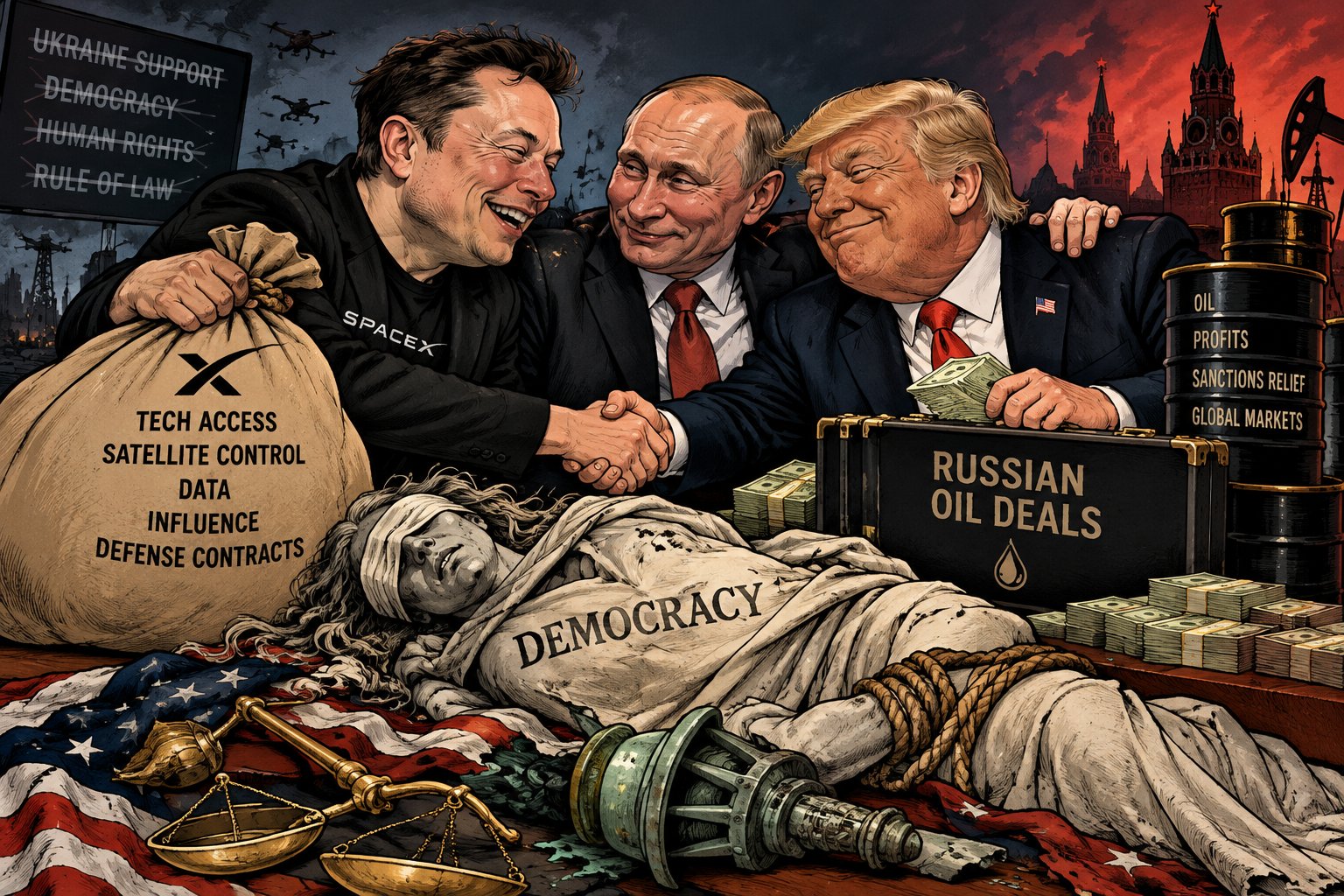
Trump’s Russian Diesel Deal Creates a New Political Firestorm
At the center of the diplomatic confrontation is a controversial American arrangement intended to bring additional Russian diesel onto international markets. The reported deal comes amid elevated energy prices and political pressure on the Trump administration to reduce fuel costs ahead of the November midterm elections. However, it also raises an important contradiction in American policy: Washington is seeking to increase the availability of Russian petroleum products while Russia continues financing and conducting its invasion of Ukraine.
The Bloomberg report describes growing opposition to the diesel arrangement, including bipartisan criticism in Washington. The concern is straightforward. Russia relies heavily on energy exports for government revenue, and petroleum income contributes to the broader financial resources available to sustain its military operations. Increasing Russian diesel exports could therefore provide Moscow with additional revenue even as Western governments continue attempting to constrain Russia’s ability to finance the war through sanctions and other economic restrictions.
The administration’s approach also raises questions about the strategic consequences of asking Ukraine to suspend refinery attacks. Those operations are designed to damage Russia’s petroleum processing capacity and impose economic pressure on Moscow. If Ukraine is required to stop those attacks while Russian energy products receive greater access to international markets, the combined effect could reduce economic pressure on Russia without securing equivalent concessions for Ukraine.
American officials have emphasized the importance of stabilizing global energy markets and pursuing diplomatic arrangements that could reduce escalation. Those are legitimate policy objectives, particularly when rising fuel prices affect consumers and businesses around the world. But the central question remains whether such arrangements can produce meaningful progress toward peace if they preserve Russian economic capacity without requiring Moscow to stop attacking Ukrainian infrastructure.
Bipartisan Opposition in Washington Complicates Trump’s Strategy
The controversy has also exposed divisions in Washington over how aggressively the United States should continue pressuring Russia. Bloomberg reported that the Russian diesel arrangement has encountered bipartisan pushback, while the Senate has advanced a major sanctions package intended to strengthen economic pressure on Moscow and entities supporting its war effort. The disagreement illustrates a broader conflict between competing approaches to ending the war. One approach emphasizes diplomatic negotiations, energy-market stability, and incentives that might encourage Moscow to participate in a settlement. The other argues that Russia is unlikely to make meaningful concessions unless sanctions, military resistance, and international economic pressure increase the cost of continuing its invasion.
For lawmakers supporting tougher sanctions, expanding access to Russian petroleum products risks undermining the very financial restrictions intended to pressure Putin’s government. The concern extends beyond the immediate value of diesel exports. It also involves the political signal sent when Washington seeks additional Russian energy supplies while asking Ukraine to limit attacks against Russian refineries. The bipartisan nature of the criticism complicates any suggestion that opposition to Trump’s Russia policy is exclusively partisan. Support for Ukraine and tougher sanctions against Moscow has existed among lawmakers in both major political parties, even as disagreements over military assistance, negotiations, and America’s broader role in the conflict have intensified.
Starlink and Starshield Restrictions Deepen the Crisis
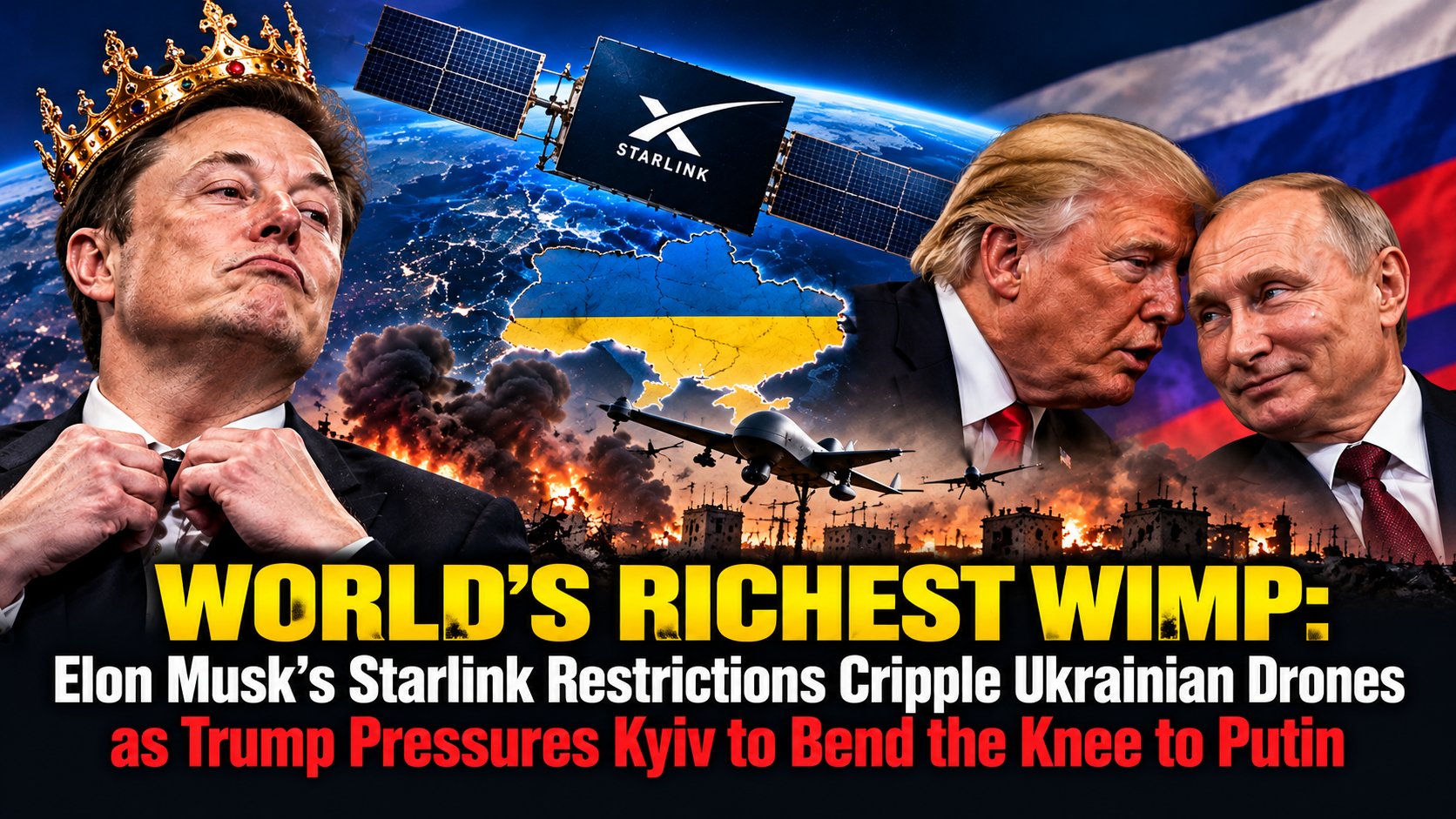
The latest confrontation also provides an important update to South Florida Media’s earlier reporting on restrictions affecting satellite communications systems used by Ukraine’s military. According to Bloomberg’s report, Ukrainian officials experienced slowdowns involving Starshield during weekend defense operations, raising concerns about the reliability of communications technology supporting Ukrainian military activities. The distinction between Starlink and Starshield is essential. Starlink is SpaceX’s commercial satellite communications network, while Starshield is a military oriented program developed by SpaceX for government and national security applications. Although both involve technology associated with Elon Musk’s company, their contractual arrangements, operational controls, and military applications are not necessarily identical.
Bloomberg described the affected Starshield service as owned and operated by the Pentagon. That account raises questions about the role of American government authorities in determining access to satellite communications used by Ukrainian forces. However, the report does not establish that Trump personally ordered the disruptions, that Musk independently imposed them, or that the slowdowns were deliberately intended to punish Ukraine for resisting American demands. Those distinctions matter because satellite communications are critical to modern warfare. Ukrainian forces rely on secure, reliable connections for battlefield coordination, drone operations, intelligence transmission, and other military activities. Interruptions during an active Russian bombardment can create operational challenges, particularly when personnel must respond quickly to incoming threats.
The timing of the reported disruptions has intensified Ukrainian frustration with Washington, especially as the United States simultaneously pressures Kyiv over its attacks against Russian energy infrastructure. Yet determining whether the incidents were technical failures, operational restrictions, or deliberate policy decisions requires additional evidence. The immediate issue is therefore not simply whether a particular satellite service experienced problems. It is whether Ukraine can reliably depend on military communications capabilities connected to the United States during a period of serious disagreement between the two governments.
Ukraine’s Dependence on American Military Technology Creates a Strategic Vulnerability
The satellite dispute highlights a broader vulnerability facing Ukraine: its continued dependence on American technology, weapons, intelligence, and military support. Although European governments have expanded assistance and Ukraine has developed increasingly sophisticated domestic weapons systems, certain American capabilities remain difficult to replace. Modern warfare depends on interconnected systems that extend far beyond traditional battlefield equipment. Satellite communications, intelligence gathering, navigation, air-defense coordination, and long range targeting all require reliable technological infrastructure. When access to those systems becomes uncertain, military planners must account for the possibility that capabilities available one day could be restricted or degraded the next.
That dependence also creates political leverage. Washington can influence Ukraine’s military options through decisions involving weapons deliveries, intelligence cooperation, export restrictions, and access to certain communications systems. Such leverage does not automatically establish that American officials are deliberately undermining Ukraine, but it does mean that disagreements between the governments can have consequences extending beyond diplomatic statements.
For Zelenskyy, the strategic dilemma is significant. Ukraine needs continued American cooperation, particularly advanced air defense systems and military technology, but accepting restrictions that protect Russian energy infrastructure without comparable protections for Ukrainian civilians could weaken Kyiv’s military position and negotiating leverage. The dispute underscores why Ukrainian officials have increasingly emphasized domestic weapons production, independent drone capabilities, and expanded European defense cooperation. Reducing dependence on any single foreign government could provide Ukraine with greater freedom to determine its own military strategy, although achieving that independence would require substantial investment and time.
Europe Faces Growing Pressure as Washington and Kyiv Clash
The confrontation also places European governments in a difficult position. European leaders have continued supporting Ukraine through military assistance, financial commitments, sanctions, and diplomatic initiatives, but many remain dependent on American participation in the broader Western response to Russia’s invasion. A sustained breakdown in relations between Washington and Kyiv could complicate European efforts to coordinate military aid and maintain a unified negotiating position. It could also encourage Moscow to believe that divisions among Ukraine’s allies will eventually weaken Western support, reducing Russia’s incentive to make concessions.
European governments face their own economic challenges, including energy prices, defense spending, and political disagreements over the costs of supporting Ukraine. Those pressures make the Russian diesel dispute especially sensitive. Policies intended to reduce energy costs may provide short-term economic benefits, but they could also undermine sanctions designed to restrict Moscow’s ability to finance the war. The central challenge for Europe is determining how to maintain pressure on Russia while managing an American administration whose priorities do not always align with those of Kyiv or European capitals. If Washington increasingly favors arrangements that reduce immediate economic pressure on Moscow, European governments may face greater responsibility for sustaining Ukraine’s defense and enforcing restrictions on Russian energy revenues.
For Russia, divisions among Western governments could provide an important strategic advantage even without a decisive military breakthrough. Moscow has long sought to exploit disagreements over sanctions, energy security, and military assistance, calculating that political fatigue and economic pressure could eventually weaken international support for Ukraine.
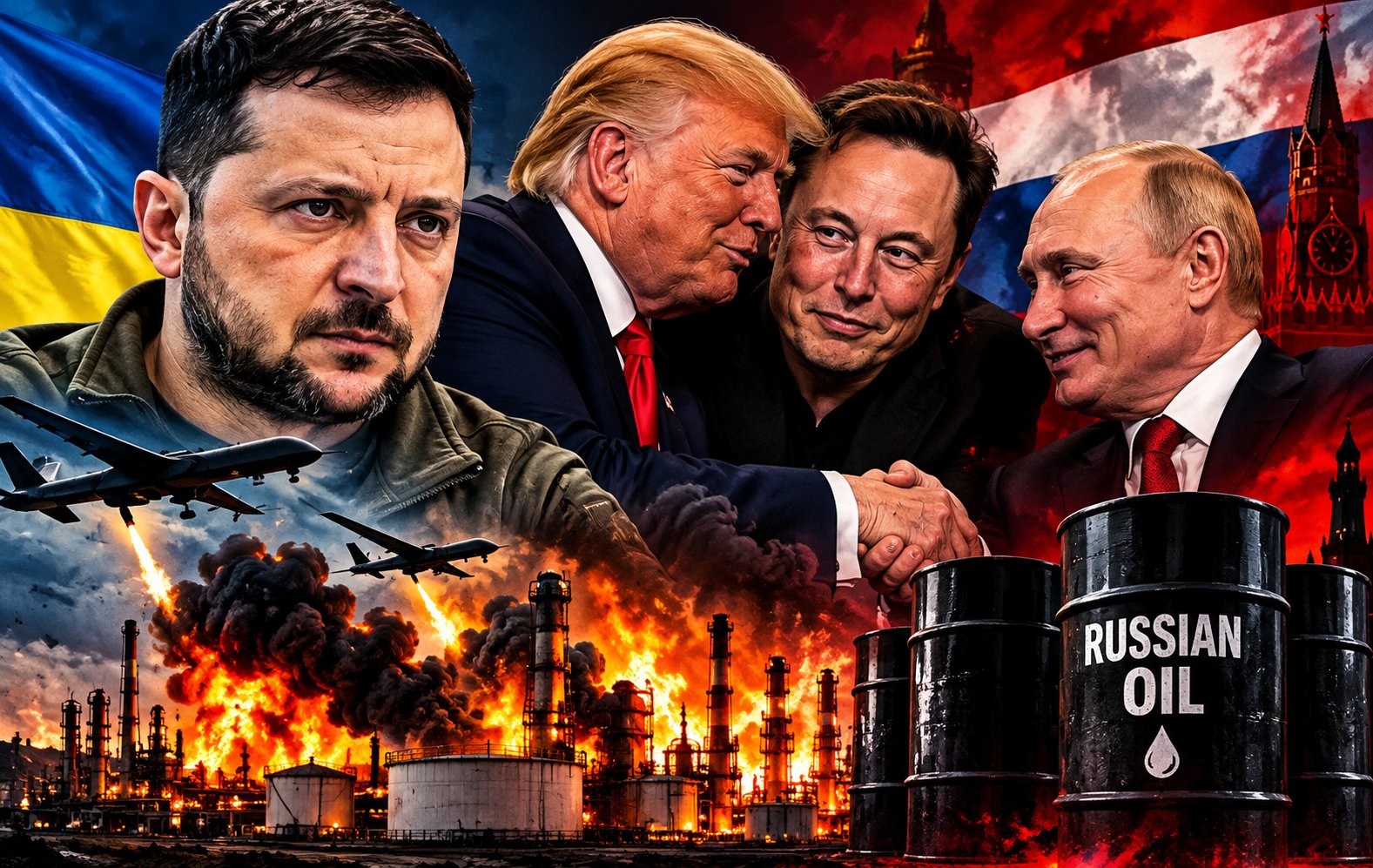
The Bigger Question: Why Is Ukraine Being Pressured to Protect Russia’s Oil Industry?
The latest developments expose a central contradiction in the Trump administration’s approach to the war. Ukraine is being asked to reduce attacks against Russian energy infrastructure while Russia continues attacking Ukrainian energy facilities, and Washington is simultaneously pursuing arrangements intended to increase Russian petroleum supplies on international markets. The administration’s stated interest in stabilizing energy prices and reducing attacks on infrastructure is understandable. A genuine agreement limiting strikes against energy systems could protect civilians, reduce economic disruption, and potentially create an opening for broader negotiations. However, such an agreement would need clear reciprocal commitments, credible verification, and consequences for violations.
Without those safeguards, restricting Ukrainian attacks risks preserving Russian economic assets while leaving Ukraine’s civilian infrastructure exposed. That imbalance is at the heart of Zelenskyy’s decision to resume refinery strikes.
There is also a distinction between pursuing peace and pressuring one side to accept military limitations that the other side does not observe. A negotiated settlement requires concessions, but those concessions must be evaluated in the context of the war’s underlying circumstances. Russia launched the full scale invasion in February 2022, and Ukraine continues fighting to defend its territory and sovereignty. The renewed refinery campaign does not guarantee that Ukraine can force Russia into negotiations, nor does it eliminate the risk of further Russian retaliation. Attacks against energy infrastructure can produce broader economic consequences, and every operation must be assessed under the laws of armed conflict.
Nevertheless, Kyiv’s strategic calculation is clear: if Russia continues attacking Ukrainian infrastructure, Ukraine intends to retain the ability to impose economic and military costs on Russia.
A Growing Test of American Credibility and Ukraine’s Independence
Zelenskyy’s latest order represents more than another escalation in the exchange of long range strikes. It is a public demonstration that Ukraine is prepared to resist American pressure when that pressure appears to constrain its military options without securing equivalent Russian concessions. The dispute over Russian diesel adds another dimension to the confrontation. Washington must explain how increasing Russian petroleum exports, discouraging Ukrainian refinery attacks, and maintaining reliable military support for Kyiv can fit together within a coherent strategy for ending the war.
For Trump, the challenge is balancing domestic economic concerns, diplomatic ambitions, and America’s commitments to European security. For Zelenskyy, the challenge is preserving essential American support without surrendering Ukraine’s ability to determine how it defends itself. The satellite communications controversy makes those competing interests even more consequential. If Ukraine cannot be confident that critical military systems will remain available during diplomatic disagreements, its leaders may conclude that technological independence and stronger European partnerships are essential to long term national security.
Ultimately, the confrontation raises a question that extends beyond the latest refinery attacks or diesel negotiations: whether American efforts to end the war will impose meaningful obligations on both Russia and Ukraine or place disproportionate restrictions on the country defending itself. The central issue is no longer simply whether Ukraine should attack Russian oil refineries. It is whether an American backed peace initiative can succeed when the country defending itself is being asked to exercise restraint that the invading country has not demonstrated.


















































Want to join the conversation?
Create an account or sign in to share your thoughts, vote,
and reply to other readers.
Showing 0 of 0 comments
Don't have an account?
Already have an account?