
Study Links Energy Drinks to Higher Risk of Cardiac Arrest Reports
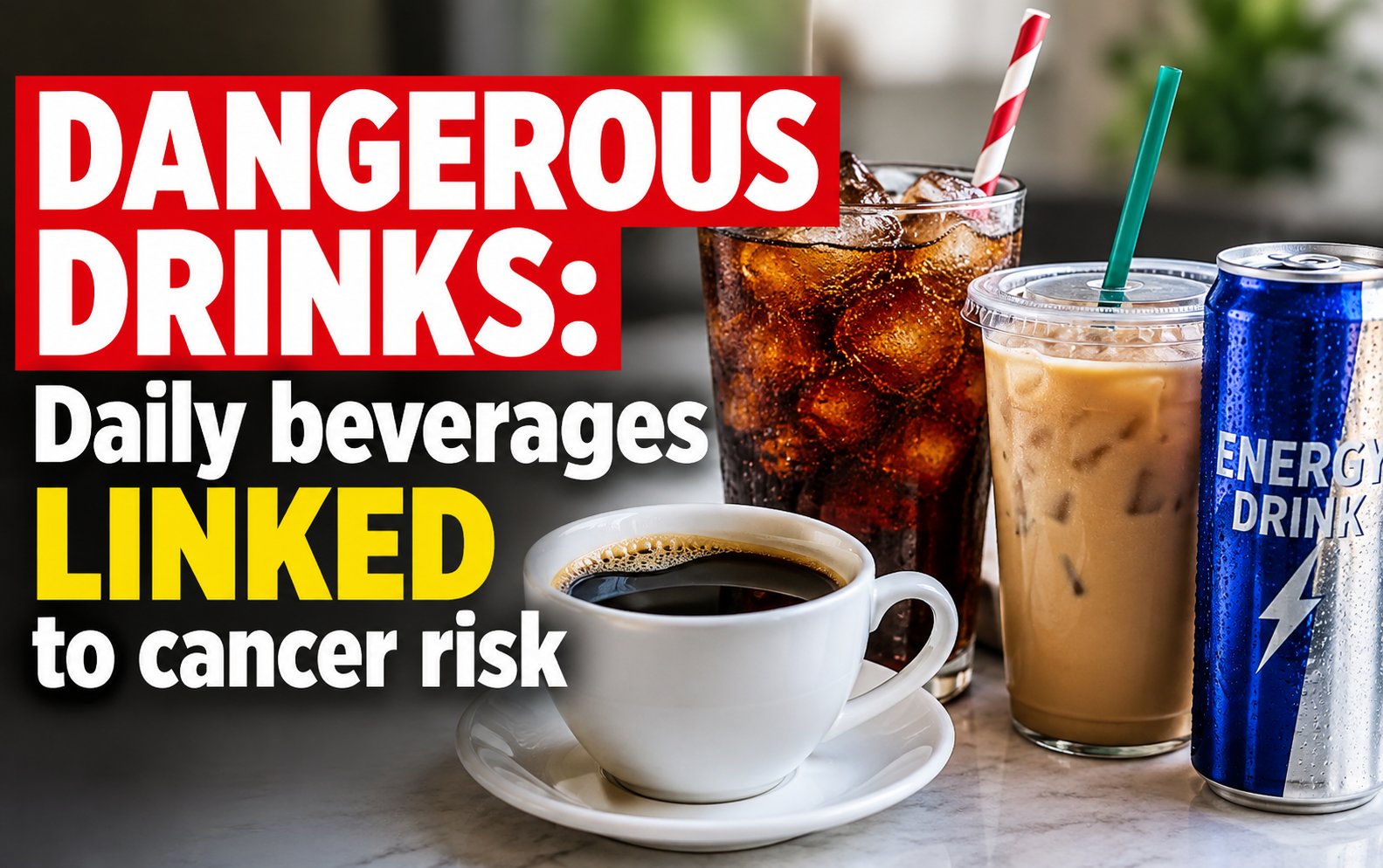
New research raises concerns about energy drinks and stimulant supplements after finding cardiac arrest was reported 11 times more frequently in related FDA safety reports. Young adults ages 18 to 34 accounted for a significant share of the reported heart-related events. Energy drinks are often marketed as a convenient way to stay awake, improve concentration and increase energy. However, new research is raising questions about the potential cardiovascular risks associated with these popular products, particularly among younger adults.
An analysis of more than 28,000 reports submitted to a federal food and supplement safety database found that cardiac arrest was reported approximately 11 times more often in connection with caffeine-containing energy drinks and stimulant supplements than with products that did not contain those ingredients. The preliminary findings were announced November 2, 2026, by the American Heart Association ahead of its Scientific Sessions 2026, scheduled for November 6 through November 9 in Chicago.
Researchers also found that reports involving energy drinks and stimulant supplements were more likely to include heart attacks, abnormal heart rhythms, elevated heart rates, chest pain and fainting. However, researchers emphasize that the findings do not establish that energy drinks directly cause cardiac arrest. The study examined voluntary safety reports rather than tracking the actual risk among people who consume these products.
What the New Study Found
Researchers analyzed 28,345 adverse-event reports submitted to the U.S. Food and Drug Administration between 2017 and 2025. Of those reports, 854 involved products containing caffeine or other stimulants. The remaining 27,491 involved products without those ingredients, including soft drinks, protein bars, meal replacement products and vitamins.
The analysis identified several notable differences in the types of health problems reported.
Among the findings:
Cardiac arrest: Reported approximately 11 times more frequently in connection with caffeine and stimulant-containing products.
Heart attacks: Appeared approximately 4.5 times more frequently in the reports.
Abnormal heart rhythms: Ventricular arrhythmias and heart palpitations appeared approximately four times more frequently.
Elevated heart rate: Reported nearly three times more frequently.
Chest pain: Appeared approximately 2.71 times more frequently.
Fainting: Reported approximately twice as frequently.
Approximately 45% of the reports involving cardiovascular events and caffeine or stimulant-containing products involved adults between the ages of 18 and 34. The researchers observed similar reporting patterns among men and women.
Why Energy Drinks May Affect Heart Health
Energy drinks can contain substantial amounts of caffeine, along with other ingredients intended to increase alertness and stimulation. Caffeine stimulates the central nervous system and can temporarily increase alertness, heart rate and blood pressure. When consumed in large quantities, it can contribute to symptoms such as heart palpitations, anxiety, elevated blood pressure and abnormal heart rhythms.
The concern is not limited to caffeine alone. Researchers also examined products containing other stimulant ingredients, including:
Guarana
Yerba mate
Green tea and green coffee extracts
Theobromine
Synephrine
Yohimbine
Ephedra
DMAA
Higenamine
Some of these ingredients contain caffeine or have additional stimulant effects. Combining multiple stimulants can make it more difficult for consumers to understand how much stimulation they are actually receiving. Researchers also noted that some energy drinks contain as much as three times the caffeine per fluid ounce found in brewed coffee. Certain pre-workout supplements can contain more than 12 times as much caffeine per fluid ounce. This is particularly important for consumers who drink multiple energy drinks throughout the day or combine them with pre-workout products, prescription stimulants or other sources of caffeine.
Young Adults Are a Particular Concern
One of the most notable findings involved adults between 18 and 34 years old. This age group accounted for approximately 45% of the reports involving cardiovascular events associated with caffeine and stimulant-containing products. Researchers said several factors could help explain the pattern. Young adults may consume these products more frequently, use them before strenuous exercise or combine them with alcohol or other substances.
Another concern is that some people may have underlying heart conditions that have never been diagnosed. Certain inherited heart rhythm disorders can increase a person’s vulnerability to dangerous arrhythmias. These conditions may not produce obvious symptoms until an individual experiences a serious cardiac event. The findings do not establish why younger adults appeared so frequently in the reports. Researchers said additional studies are necessary to determine whether consumption patterns, underlying medical conditions or other factors contributed to the results.
Does Drinking Energy Drinks Cause Cardiac Arrest?
The study raises concerns, but it does not prove that energy drinks cause cardiac arrest. That distinction is important when interpreting the 11-fold finding. Researchers examined voluntary reports submitted to the FDA. These reports identify potential safety concerns but do not establish how frequently a particular health problem occurs among all consumers. For example, researchers do not know how many millions of people consumed energy drinks during the study period without experiencing heart problems. They also cannot determine how many cardiac events went unreported.
Consequently, the finding does not mean someone who drinks an energy drink is 11 times more likely to experience cardiac arrest. Instead, it means cardiac arrest appeared approximately 11 times more frequently in the analyzed reports involving caffeine and stimulant-containing products compared with reports involving products without those ingredients. The research was also presented as an abstract for the American Heart Association’s Scientific Sessions. Meeting abstracts are not peer-reviewed journal publications, meaning the findings remain preliminary until published as a full scientific manuscript. Gregory M. Marcus, a cardiologist and chair of the American Heart Association’s 2026 scientific statement on caffeine and cardiovascular disease, cautioned that other factors could have influenced the findings. He said additional research is necessary to determine whether these products are responsible for the reported cardiac events.
How Much Caffeine Is Considered Safe?
The American Heart Association’s 2026 scientific statement identifies up to 400 milligrams of caffeine per day as generally safe for most healthy adults. However, that figure is not a recommended target or a guarantee that every person can safely consume that amount.
Individual sensitivity to caffeine varies, and people with certain cardiovascular conditions may need to limit their intake further. Consumers should also remember that caffeine comes from more than energy drinks. Coffee, tea, soda, chocolate, pre-workout supplements and certain medications can contribute to total daily consumption. Reading product labels is particularly important because caffeine levels can vary considerably between brands, serving sizes and formulations.
The FDA has identified several potential signs of consuming excessive caffeine, including:
Increased heart rate
Heart palpitations
Elevated blood pressure
Anxiety and nervousness
Shakiness and jitters
Nausea
Headaches
Children and teenagers are a separate concern. Health experts generally advise against energy drinks for these age groups because of their caffeine and stimulant content.
Previous Research Has Also Raised Concerns
The latest findings add to earlier research examining the relationship between energy drinks and dangerous heart rhythm abnormalities. A 2024 study published in the medical journal Heart Rhythm examined 144 survivors of sudden cardiac arrest who were referred to the Mayo Clinic’s specialized genetic heart rhythm clinic.
Researchers identified seven patients, approximately 5% of the group, who experienced sudden cardiac arrest in close temporal proximity to energy drink consumption. The patients had underlying heart rhythm conditions, including long QT syndrome and catecholaminergic polymorphic ventricular tachycardia. Other patients were diagnosed with idiopathic ventricular fibrillation.
Six of the seven patients required an electrical shock to restore their heart rhythms. Researchers concluded that larger studies were needed to establish the frequency of these events and better understand the potential risks associated with energy drink consumption. The study did not establish that energy drinks caused the cardiac arrests, but it highlighted concerns about their potential to trigger dangerous heart rhythm disturbances in people with underlying genetic conditions.
What Consumers Should Know
The latest research does not mean everyone who drinks energy drinks is at immediate risk of cardiac arrest. However, it does reinforce the importance of understanding caffeine intake and recognizing potential warning signs. People experiencing heart palpitations, unexplained fainting, chest pain or unusually rapid heartbeats should seek medical evaluation, particularly if symptoms occur after consuming energy drinks or stimulant supplements.
Severe or sudden chest pain, fainting or difficulty breathing warrants emergency medical attention. Anyone experiencing a suspected cardiac arrest needs immediate emergency assistance and CPR, if available. Researchers are also encouraging healthcare professionals to ask younger patients experiencing unexplained cardiovascular symptoms about their consumption of energy drinks, pre-workout supplements and other stimulant-containing products. The findings underscore a broader issue involving the growing popularity of highly caffeinated products that are widely available to consumers but may contain combinations of stimulants that are not always easy to recognize.
More Research Needed on Energy Drinks and Heart Risks
Energy drinks have become a multibillion-dollar industry, with U.S. sales exceeding $20 billion in 2024, according to the American Heart Association. As consumption continues to grow, researchers say better safety monitoring and additional scientific studies are needed to understand the potential cardiovascular consequences.
The latest analysis provides an important warning signal, particularly because cardiac arrest and other serious heart conditions appeared disproportionately often in reports involving stimulant-containing products. Still, the findings should be interpreted carefully. The research does not establish individual risk, prove causation or demonstrate that all energy drinks carry the same level of danger.
For consumers, the takeaway is straightforward: Pay attention to caffeine levels, avoid stacking multiple stimulant products and take unexplained heart symptoms seriously. The question researchers are now trying to answer is whether the ingredients in some of these popular products could pose a greater cardiovascular threat than consumers realize.










































Want to join the conversation?
Create an account or sign in to share your thoughts, vote,
and reply to other readers.
Showing 0 of 0 comments
Don't have an account?
Already have an account?