

Trump Defends Calling Putin a Friend After China Summit as Russia Launches New Attacks on Ukraine and Violates Polish Airspace
President Donald Trump returned to Washington defending his summit with Russian President Vladimir Putin and Chinese President Xi Jinping, praising his personal relationships with both leaders and insisting that diplomatic engagement makes the United States safer. But reports of renewed Russian attacks on Ukraine and airspace violations involving NATO member Poland presented a sharp contrast to the president’s optimistic assessment. The controversy has intensified questions about what Washington gained from a summit that challenged the International Criminal Court, offered Putin a prominent diplomatic platform, and produced no binding agreement to end Russia’s war.
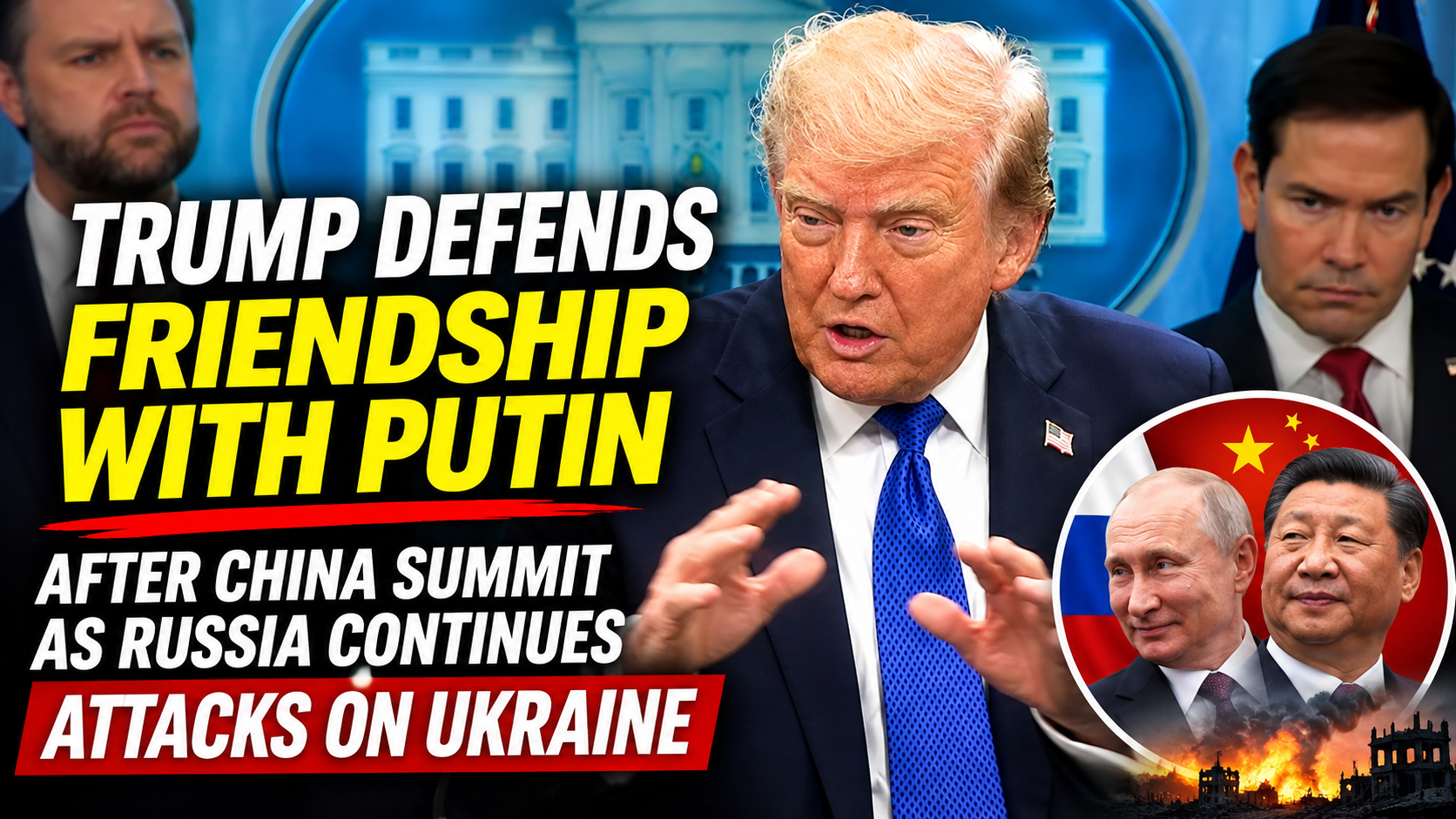
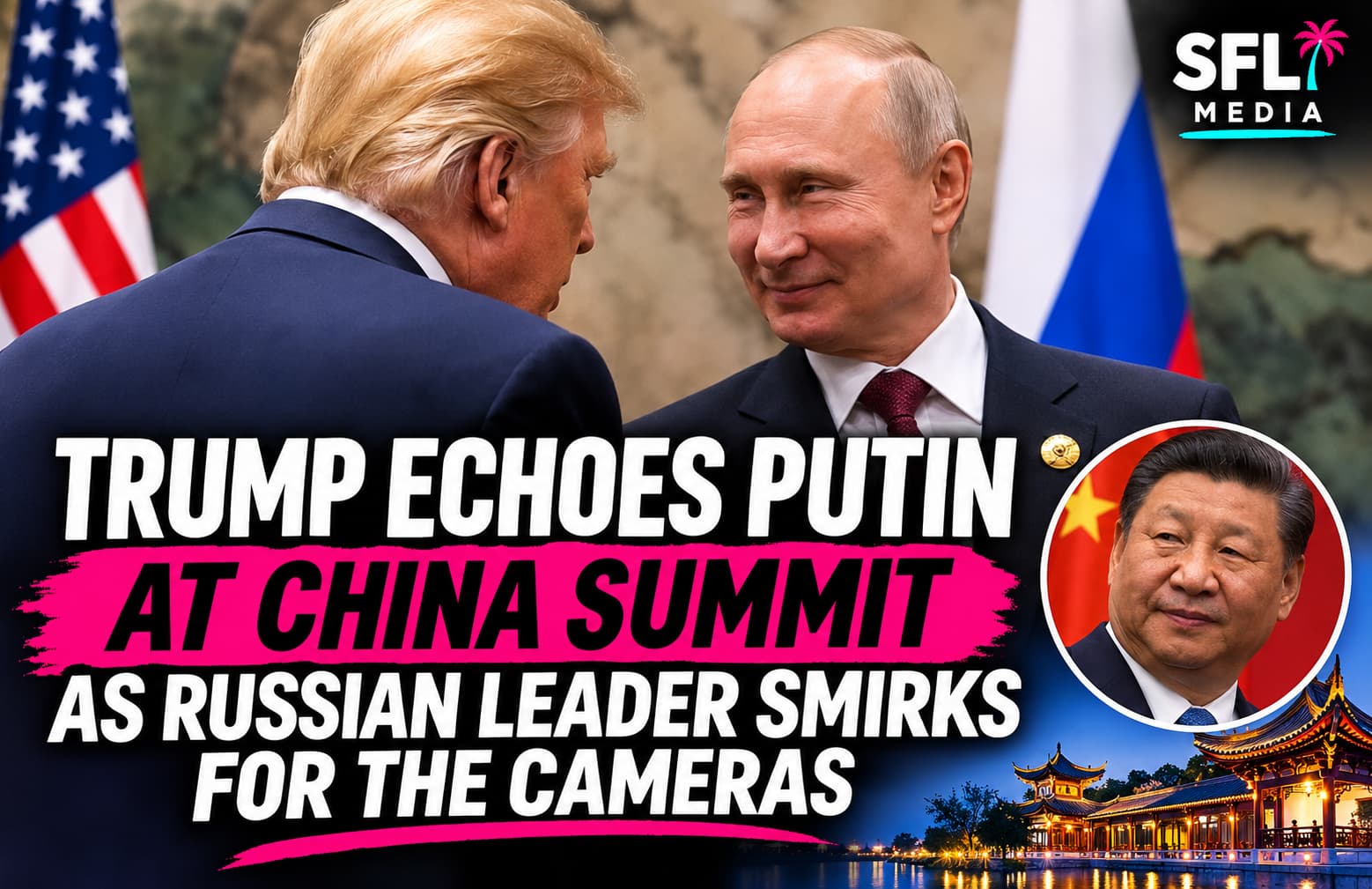
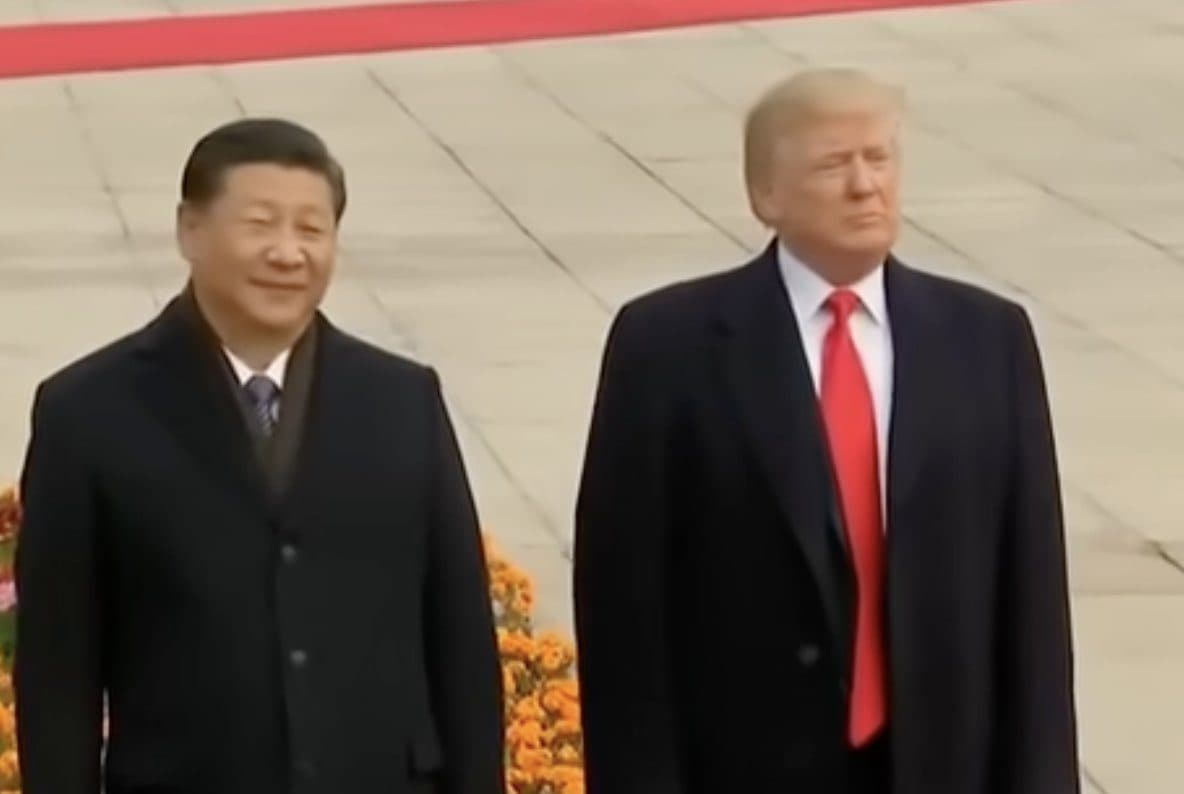
WASHINGTON, D.C. — President Donald Trump defended his relationship with Russian President Vladimir Putin on Friday, November 20, 2026, following a trilateral summit in Shenzhen, China, that brought together the leaders of the United States, Russia, and China for discussions about international security, nuclear weapons, and global institutions.
Speaking at the White House after returning from Asia, Trump characterized his meeting with Putin and Chinese President Xi Jinping as a diplomatic success, arguing that his ability to maintain relationships with leaders of rival nuclear powers strengthens American security. He rejected criticism of his friendly approach toward Putin and presented direct engagement as an alternative to confrontation, emphasizing the importance of communication between governments possessing some of the world’s largest nuclear arsenals.
The president’s defense came amid reports of continued Russian military operations against Ukraine and new concerns about Polish airspace security. The contrast between Trump’s diplomatic optimism and Moscow’s continuing military activity raised questions about whether the summit had changed Russia’s calculations or produced meaningful progress toward ending the war. The meeting also generated controversy over a joint declaration in which the United States, Russia, and China criticized potential abuses of international judicial authority. The language was particularly significant because Putin has faced an International Criminal Court arrest warrant since March 2023 over allegations involving the unlawful deportation and transfer of Ukrainian children.
Trump Defends His Friendship With Putin and Xi
During Friday’s White House news conference, Trump praised his relationships with both foreign leaders, arguing that personal diplomacy gives the United States greater leverage in international affairs. He described his relationships with Putin and Xi as positive and emphasized that direct communication between nuclear powers should be viewed as an advantage rather than a weakness. Trump also portrayed the China trip as a major diplomatic accomplishment, claiming that the three leaders had developed a productive working relationship and that their discussions could contribute to international stability. His defense reflected a longstanding element of his foreign policy approach: the belief that personal relationships with powerful leaders can help resolve disputes that traditional diplomatic institutions have struggled to address.
The president’s assessment contrasted with the developments unfolding in Eastern Europe, where Russia continued military operations against Ukraine and remained publicly divided with Washington over potential security guarantees for Kyiv. Those events highlighted the distinction between positive diplomatic statements and measurable changes in an adversary’s conduct, a central issue in evaluating the summit’s results.
Russia Attacks Ukraine as Trump Insists Putin Wants Peace
One of the most significant developments following the Shenzhen summit was Russia’s continued bombardment of Ukrainian territory. Reports described a major missile and drone assault targeting Ukrainian infrastructure and causing civilian casualties, even as Trump expressed confidence that his conversations with Putin had been productive.
The attacks illustrated the continuing disconnect between diplomatic discussions and conditions on the battlefield. Russia has repeatedly combined negotiations and public statements about peace with ongoing military operations, while Ukraine has insisted that any settlement must include credible guarantees against another Russian invasion. The continuation of hostilities after the summit demonstrated that the meeting had not produced an immediate ceasefire or a publicly announced agreement restricting Russian military activity.
Trump maintained that the conflict could eventually be resolved through diplomacy but acknowledged the difficulty of negotiations between Putin and Ukrainian President Volodymyr Zelenskyy. He emphasized the hostility between the two leaders as an obstacle to reaching an agreement, although the war involves broader disputes over Ukrainian sovereignty, territorial control, international security guarantees, and Russia’s military objectives.
Russia launched its full-scale invasion of Ukraine in February 2022, following its earlier seizure of Crimea and intervention in eastern Ukraine in 2014. The conflict has resulted in extensive civilian casualties, widespread destruction of infrastructure, and millions of displaced Ukrainians. Against that backdrop, diplomatic progress must ultimately be measured by changes in military conduct and enforceable agreements rather than expressions of personal goodwill.
Poland Reports Russian Airspace Violations, Raising NATO Concerns
The diplomatic controversy intensified amid reports that Poland had identified additional violations of its airspace involving Russian missiles and a suspected drone. Poland’s membership in NATO makes such incidents particularly sensitive because the alliance maintains collective defense commitments intended to deter military aggression against its members.
Unauthorized incursions involving Russian weapons do not automatically constitute an armed attack triggering NATO’s collective defense provisions. Those determinations depend on the circumstances, available evidence, and decisions made by alliance members. Nevertheless, the reported incidents added urgency to European concerns about Russian military operations near NATO territory and the credibility of Western deterrence.
The timing was politically significant. While Trump emphasized the benefits of maintaining friendly relations with Putin, European governments continued confronting the security risks associated with Russia’s war. The contrast reinforced the argument that personal diplomacy, however valuable, cannot independently guarantee military restraint or compliance with international agreements.
Marco Rubio Defends the Summit as a Matter of Nuclear Security
Secretary of State Marco Rubio defended the administration’s decision to bring the leaders of the United States, Russia, and China together, emphasizing the enormous nuclear arsenals controlled by the three governments and the dangers of allowing their relationships to deteriorate without meaningful communication.
Rubio’s argument reflects a longstanding principle of nuclear diplomacy: countries capable of inflicting catastrophic destruction on one another must maintain channels of communication, even during periods of intense geopolitical confrontation. During the Cold War, American and Soviet leaders negotiated arms control agreements despite profound ideological differences, and diplomatic engagement helped establish mechanisms for managing military crises.
That historical precedent provides a rationale for the Shenzhen meeting. Russia and the United States continue to possess the world’s largest nuclear arsenals, while China is expanding its nuclear capabilities. Reducing the risk of miscalculation among those governments is a legitimate American national security objective, particularly following the expiration of the New START treaty.
However, the distinction between holding a meeting and achieving a meaningful arms control agreement remains important. The declaration attributed to the summit reaffirmed the principle that nuclear war must never be fought and called for discussions about nuclear risks and nonproliferation, but it did not establish enforceable weapons limits, verification procedures, or a timetable for a replacement arms control treaty. The administration can point to high level dialogue as a diplomatic objective, but the summit’s ultimate value will depend on whether those discussions produce measurable security commitments.
Trump Doubles Down on Criticism of the International Criminal Court
Another major controversy surrounding the summit involved Trump’s decision to join Putin and Xi in challenging the authority of the International Criminal Court. During the trilateral meeting, Trump criticized the ICC as an international institution that had exceeded its proper jurisdiction, while the three governments endorsed language emphasizing state sovereignty, consent, and the immunity of government officials.
The declaration stated that respect for state consent and official immunities was of paramount importance and argued that international judicial institutions should not abuse their jurisdiction. That language has particular significance for Putin, who has been subject to an ICC arrest warrant since March 2023. The court alleges that he bears responsibility for the unlawful deportation and transfer of Ukrainian children from occupied Ukrainian territory into Russia, allegations that Putin and the Russian government reject.
The United States, Russia, and China are not parties to the Rome Statute establishing the ICC. American objections to aspects of the court’s jurisdiction also predate Trump’s presidency, and his administration has imposed sanctions on ICC officials over investigations involving American and Israeli personnel. Those longstanding objections provide a policy explanation for Trump’s position independent of Russia, although endorsing language concerning official immunity alongside a leader wanted by the court creates a clear diplomatic overlap between Washington’s position and Moscow’s interests.
The declaration did not cancel Putin’s arrest warrant, alter the court’s legal proceedings, or establish that sitting government officials enjoy blanket immunity from ICC prosecution. Its significance was primarily political and diplomatic, demonstrating that the three governments were prepared to challenge aspects of international judicial authority together.
What Did the United States Actually Gain From the China Summit?
The White House portrayed the Shenzhen meeting as a historic diplomatic achievement, emphasizing that the leaders of three major nuclear powers had engaged directly on international security, energy supplies, and institutional reform. The reported joint declaration addressed United Nations reform, refined petroleum supplies, international legal jurisdiction, and nuclear risk reduction. Those subjects are consequential, but the declaration contained few specific mechanisms for implementing them. It did not establish binding nuclear limits, announce a Ukraine ceasefire, resolve disagreements over territorial control, or provide enforceable commitments concerning future Russian military operations.
That leaves a significant question about the diplomatic exchange. Putin received the opportunity to appear alongside Trump and Xi at a highly publicized international meeting, while the three governments endorsed language consistent with Moscow’s longstanding objections to international judicial scrutiny. The United States, meanwhile, secured a commitment to further dialogue but no publicly announced agreement ending Russia’s war or limiting its nuclear arsenal.
The administration argues that diplomacy should be measured over time and that relationships developed through such meetings can create opportunities for future negotiations. That position has historical support, particularly in arms control diplomacy, where agreements often emerge only after prolonged discussions. The counterargument is that high profile summits can provide political legitimacy without requiring meaningful concessions, especially when one participating government continues military operations against a neighboring country immediately afterward.
Trump Says Putin Would Never Have Invaded Ukraine if He Had Been President
During Friday’s news conference, Trump repeated his longstanding claim that Russia would not have launched its full scale invasion of Ukraine had he remained president after the 2020 election. Trump said he had raised the question directly with Putin and claimed that the Russian president agreed the invasion would not have occurred under his leadership. That account reflects Trump’s description of a private conversation. It cannot independently establish what Putin would have done under different political circumstances, nor does it change the documented fact that Russia invaded Ukraine in February 2022. The assertion is a counterfactual political claim rather than a verifiable conclusion about Russia’s decision making.
Trump also emphasized the intense hostility between Putin and Zelenskyy, suggesting that their personal relationship complicates negotiations. Although leadership relationships can influence diplomacy, the conflict involves fundamental questions about Ukrainian independence, occupied territory, Russian military objectives, and the security arrangements necessary to prevent another invasion. The president expressed confidence that negotiations could eventually produce a settlement, but Moscow’s continued military operations and opposition to certain proposed security guarantees demonstrated that substantial disagreements remained.
Russia Rejects NATO Style Security Guarantees for Ukraine
The summit’s aftermath also exposed disagreement over possible American and European security guarantees for Ukraine. Trump adviser Jared Kushner reportedly suggested that Washington was open to commitments resembling NATO’s Article 5 collective defense provisions, while indicating that Russian officials might be receptive to certain arrangements. Russian Deputy Foreign Minister Sergei Ryabkov subsequently rejected arrangements resembling Ukrainian membership in NATO, underscoring Moscow’s longstanding opposition to Western military guarantees that it considers equivalent to alliance membership.
That disagreement matters because credible security guarantees are among the central issues in negotiations over ending the war. Ukraine and its European supporters have argued that a ceasefire without meaningful protections could leave the country vulnerable to renewed Russian aggression, particularly given Moscow’s previous violations of Ukrainian sovereignty. Trump characterized some of the conflicting public statements as negotiating tactics, maintaining that Putin wanted an agreement. However, the opposing positions demonstrated that the parties remained divided over fundamental elements of a potential settlement, illustrating why diplomatic progress cannot be measured solely through positive descriptions of private meetings.
The Difference Between Diplomatic Relationships and Diplomatic Results
Trump has repeatedly emphasized his personal relationships with foreign leaders as an advantage in international negotiations. His approach places considerable weight on direct conversations, personal trust, and the belief that disagreements can be resolved through relationships between powerful individuals.
Supporters argue that this approach creates opportunities for dialogue that more confrontational diplomatic strategies might foreclose, particularly when dealing with governments possessing substantial nuclear arsenals. Maintaining communication with Putin and Xi can serve American interests even when Washington fundamentally disagrees with their governments’ policies.
Critics focus on whether those relationships produce concessions that advance American interests. They argue that favorable public comments and elaborate diplomatic ceremonies have limited value unless accompanied by measurable changes in military conduct, enforceable agreements, or improvements in international security.
The events surrounding the Shenzhen summit illustrate both arguments. The meeting offered an opportunity for nuclear-risk discussions among three major powers, but it did not produce a binding arms control agreement or a ceasefire in Ukraine. A personal relationship may facilitate diplomacy, but it cannot substitute for the agreements, verification mechanisms, and changes in government behavior necessary to establish whether diplomacy has succeeded.
The Bigger Question: Can Trump Turn His Relationship With Putin Into Peace?
The November 20 White House news conference demonstrated that Trump remains committed to defending his relationship with Putin, even as Russia continues its military campaign against Ukraine and raises security concerns among NATO allies. The president believes direct engagement with Moscow and Beijing provides diplomatic leverage and reduces the dangers of confrontation among nuclear powers, while his administration points to the historic three-way meeting as evidence of that strategy.
Yet the reported immediate aftermath offered little indication of a breakthrough on Ukraine. Russian attacks continued, Moscow rejected certain proposed security guarantees, and the summit’s declaration avoided the central territorial and military disputes driving the conflict. The ICC controversy added another dimension, as the United States endorsed language that also serves an identifiable Russian diplomatic interest without announcing corresponding concessions from Moscow on Ukraine, nuclear arms, or European security.
Trump’s personal relationship with Putin is not itself proof of diplomatic success or failure. The measurable test is whether that relationship produces agreements that protect American interests, reduce the danger of nuclear confrontation, and contribute to a durable end to Russia’s war in Ukraine.
For now, the contrast remains striking. Trump returned from China praising his friendship with Putin and celebrating a historic meeting, while Russia continued its military campaign against Ukraine and Europe confronted renewed security concerns. Whether Shenzhen ultimately becomes the beginning of a substantive agreement or remains a high-profile summit whose political symbolism exceeded its results will depend on what happens after the cameras disappear.

Sources & Further Reading
-
CBS19 — Trump Defends Putin Remarks After Meeting With Russia and China Leaders
-
The White House — Official Presidential Statements and Briefings
-
Reuters — International Reporting on Russia, Ukraine and U.S. Diplomacy
-
NATO — Official Statements and Collective Defense Information
-
International Criminal Court — Official Court Records and Arrest Warrants
-
U.S. Department of State — Official Foreign Policy Statements
-
Stockholm International Peace Research Institute — Nuclear Forces and Arms Control Research











Loading comments…