

Trump Jokes Stephen Miller Should Run for President in 2028 as JD Vance and Marco Rubio Stand Behind Him
WASHINGTON, D.C. — President Donald Trump turned a nearly 90 minute White House press conference on Friday, November 20, into an unexpected preview of the 2028 Republican presidential race, publicly comparing Vice President JD Vance and Secretary of State Marco Rubio to his newly appointed chief of staff, Stephen Miller, before joking that Miller should consider running for president himself.
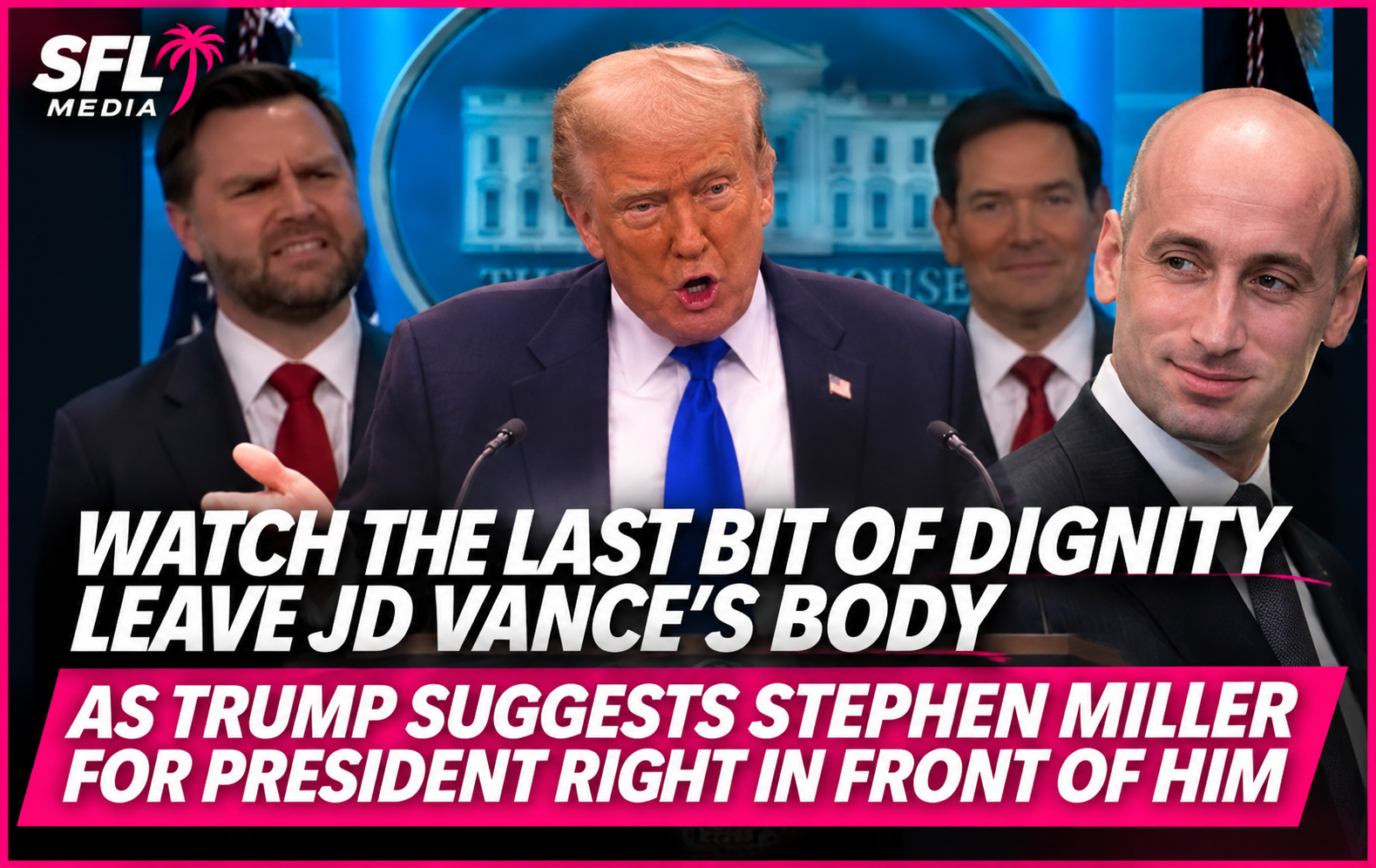
The exchange unfolded inside the James S. Brady Press Briefing Room, where Vance and Rubio spent much of the afternoon standing behind Trump, praising his administration and defending his foreign policy. But as the briefing approached its conclusion, Trump invited Miller to the podium, listened to another round of enthusiastic praise, and then delivered a punchline at the expense of his two most prominent potential successors.
“We have breaking news. We have breaking news. He was better than these two guys,” Trump announced, referring to Miller’s performance while Vance and Rubio stood nearby. Turning toward his chief of staff, the president followed with another question: “Do you want to run for president?”
The room laughed, but the political implications were difficult to ignore. With Republicans recovering from significant losses in the November midterm elections and Trump’s final constitutionally permitted term approaching its conclusion, the president once again declined to identify a preferred successor. Instead, he introduced another name into the conversation, even if only as a joke.
A White House Press Conference Becomes a Presidential Audition
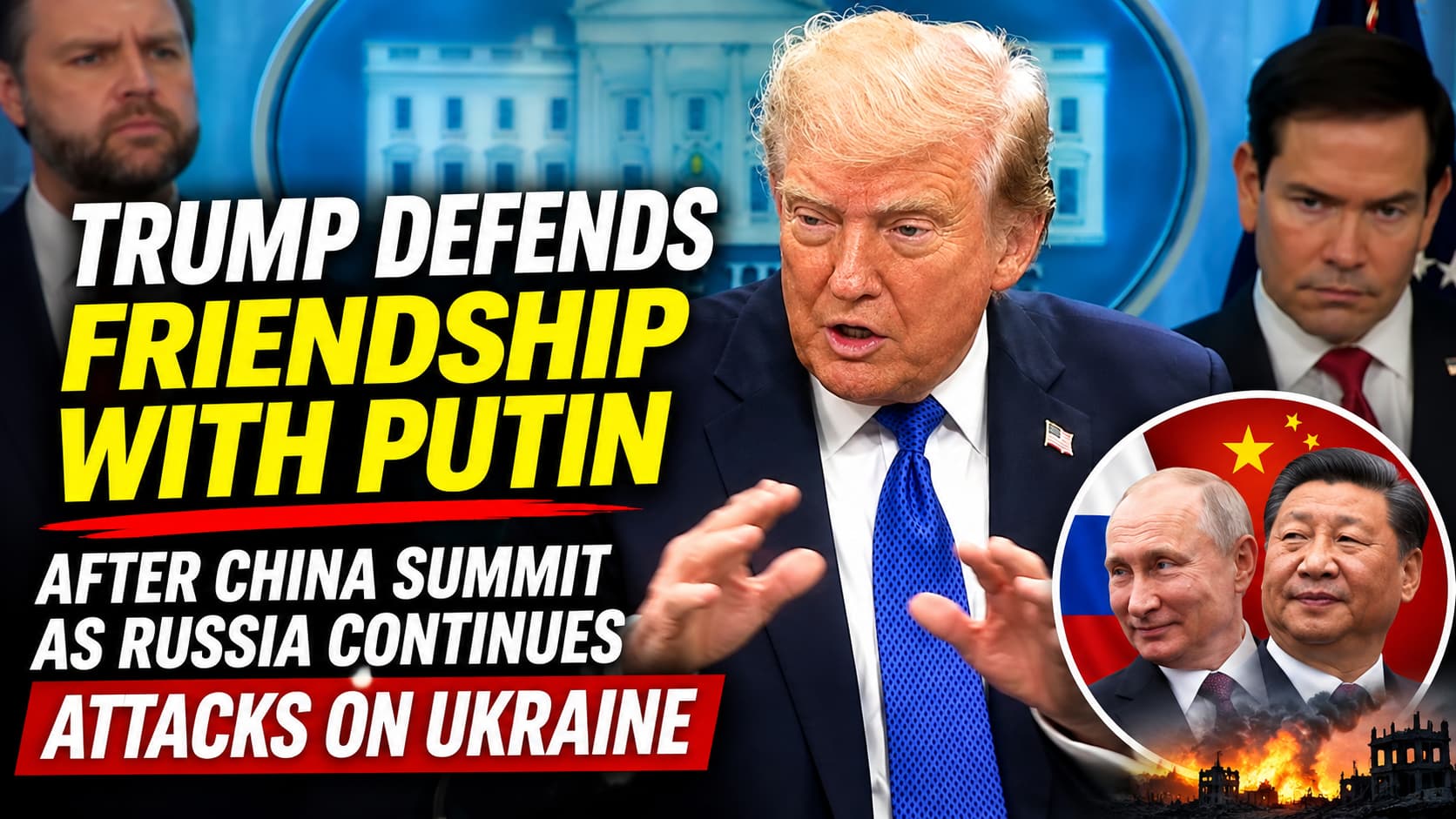
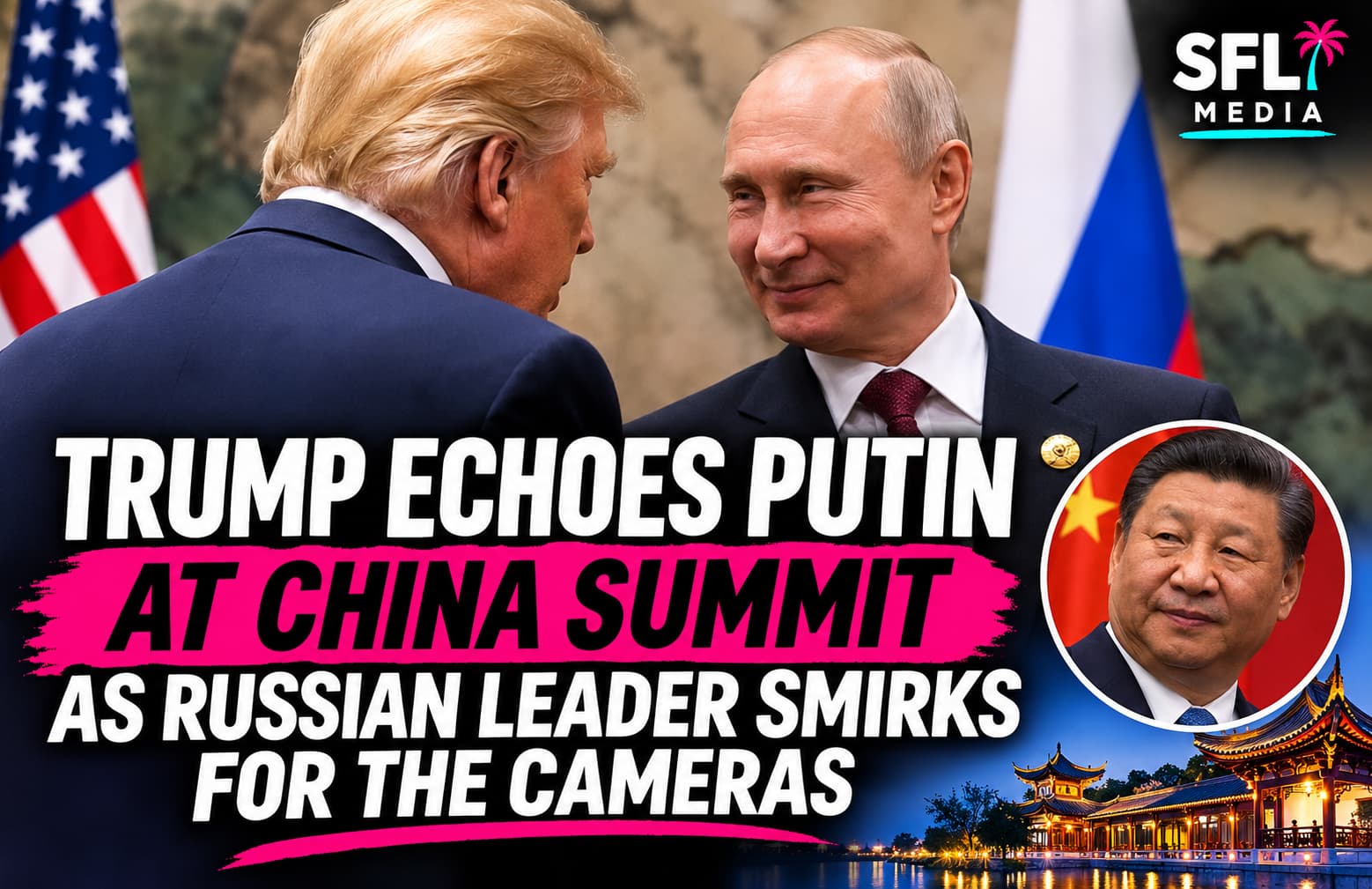
The briefing was originally intended to highlight Trump’s return from a diplomatic trip to Asia, where he met with Chinese President Xi Jinping, Russian President Vladimir Putin, and other international leaders. Trump used the appearance to promote trade negotiations, defend his relationships with foreign leaders, and discuss domestic economic priorities. Standing behind him were two Republicans whose political futures have become central to speculation about the party’s direction after Trump leaves office.
Vance, the sitting vice president, occupies a traditionally advantageous position in presidential succession politics. Rubio, a former Florida senator who challenged Trump for the Republican nomination in 2016, has emerged as another prominent administration figure through his role as secretary of state. Both men were given opportunities to address reporters and praise the administration’s accomplishments, with Vance highlighting Trump’s economic agenda and the potential benefits of permitting reform while Rubio defended the president’s diplomatic outreach to China and Russia.
The Associated Press described the appearance as another episode in Trump’s continuing public examination of possible successors, noting that the president has repeatedly praised both men without formally endorsing either one.
Stephen Miller Steals the Spotlight
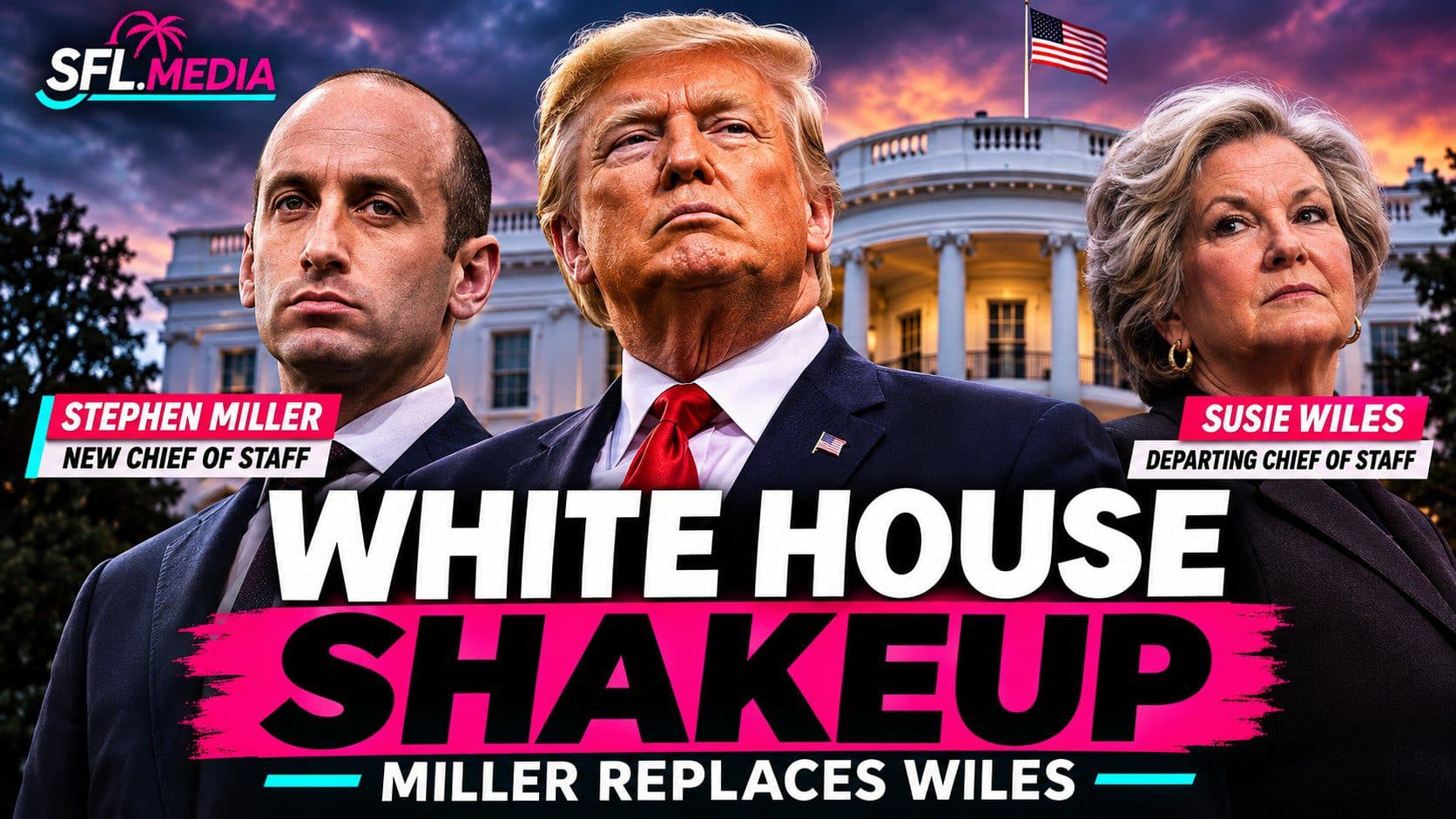
The most politically revealing moment came near the end of the briefing, when Trump called Miller to the lectern. Miller, a longtime Trump adviser and one of the administration’s most influential figures on immigration policy, had recently replaced Susie Wiles as White House chief of staff. His elevation followed Republican setbacks in the midterm elections and placed him in a position of even greater influence over the president’s remaining two years in office.
Rather than offering a conventional policy briefing, Miller delivered an enthusiastic defense of Trump’s record, portraying the administration’s accomplishments as historically significant and predicting even greater achievements before the president’s term concludes. He declared that what Trump had achieved over the previous two years was “more than any president has achieved by far in American history” and predicted that the next two years would be “the greatest two years in American history.”
Trump appeared pleased by the presentation. After Miller finished, the president compared his performance favorably with those of Vance and Rubio, delivering the remark about Miller having outperformed both men before raising the possibility of a presidential campaign. Trump also praised Miller’s abilities and personal character, describing him as a talented and influential member of his administration.
The exchange was playful on its surface, and there was no indication that Miller had announced a candidacy or that Trump was formally endorsing him. Nevertheless, the moment demonstrated how easily Trump could redirect attention toward another potential successor, even while his vice president and secretary of state stood beside him. For Miller, whose influence has largely come from advising Trump and shaping administration policy rather than seeking elected office, the public attention represented a notable departure from his usual political role.
Rubio Smiles as Vance Faces an Uncomfortable Moment
The television cameras captured contrasting reactions from the two potential Republican contenders throughout the lengthy appearance. Rubio frequently shifted his position, adjusted his clothing, and appeared restless during the extended briefing, while Vance generally stood with his hands clasped, occasionally laughing at Trump’s remarks while maintaining a more restrained expression.
As Trump delivered his joke about Miller, Rubio appeared to take the moment in stride, smiling and exchanging a glance with Vance. The vice president’s more reserved reaction attracted attention, although brief facial expressions cannot establish what either man was privately thinking. Neither publicly objected to the president’s remarks, and both continued participating in the briefing.
The scene carried particular significance because Trump had already been asked directly which of the two men would make a better president. Rather than choosing between them, he avoided giving a substantive answer, consistent with his broader approach to the succession question: keeping multiple prominent Republicans in the conversation without committing himself to any one candidate.
Vance’s Iran War Comments Complicate the Political Picture
The exchange also occurred against the backdrop of an increasingly consequential debate within the Republican Party over the political costs of Trump’s foreign policy. Following the November midterm elections, Vance publicly argued that the war involving Iran had contributed to Republican losses, alongside inflation, affordability concerns, and dissatisfaction with the administration’s relationship with Israel.
His comments drew scrutiny because they appeared to acknowledge that one of Trump’s major foreign policy decisions had damaged the party politically. During Friday’s briefing, Trump was asked whether he was unhappy with the vice president’s assessment, but the president rejected that characterization and described Vance’s statement as accurate.
When Vance was given an opportunity to discuss whether the war had been worth its political consequences, he declined to make that judgment himself, instead emphasizing that the president was responsible for the decision. The distinction was significant because Vance continued to support Trump’s authority and leadership while stopping short of personally defending the political price Republicans had paid.
Rubio, whose position as secretary of state has closely associated him with the administration’s foreign policy, faces a different set of questions as the party considers its future direction. Any eventual contest between the two could involve competing explanations of Trump’s second term record, including the war, the economy, and relations with China and Russia.
New Polling Shows the 2028 Republican Race Is Already Competitive
The White House exchange came as new polling suggested that Rubio’s political standing among Republican voters had improved considerably. An Emerson College national survey conducted November 14–16 found Rubio receiving 44% support in a hypothetical Republican presidential primary, compared with 24% for Vance. Florida Gov. Ron DeSantis received 9%, while Donald Trump Jr. registered 6%.
The survey also included an open-ended question in which Rubio received 36% and Vance 20%, suggesting that the secretary of state’s support was not limited to respondents choosing from a predetermined list of candidates. However, other recent surveys produced different results, including an Echelon Insights poll conducted during approximately the same period that found Vance at 40% and Rubio at 26%.
The Emerson survey included 1,000 registered voters overall, with a smaller Republican subgroup answering the primary questions. As with all early presidential polling, the results represent a snapshot of voter preferences rather than a reliable forecast of an election more than two years away.
For Rubio, the numbers are especially notable given his history in Florida politics. The former senator built his national reputation through his 2016 presidential campaign before eventually joining the administration of the man who defeated him. For Vance, the emerging competition creates a different challenge because, although he holds the vice presidency and maintains a prominent role in the administration, the polling indicates that his position does not automatically translate into unified Republican support for a future presidential campaign.
Trump Still Refuses to Choose His Political Heir
Despite repeated opportunities to identify his preferred successor, Trump has continued to praise both Vance and Rubio while avoiding a definitive endorsement. The two men have publicly described themselves as friends, and Rubio has indicated that he would not seek the Republican nomination if Vance entered the race. Those statements have helped keep the possibility of an open confrontation at a distance, but they have not eliminated questions about the party’s future leadership.
Trump’s decision to bring Miller into the conversation added another dimension to that uncertainty. The chief of staff has not established himself as a presidential candidate, and Friday’s exchange provided no evidence of an organized campaign. Still, the president’s remarks demonstrated that the succession conversation need not remain limited to the two officials standing behind him.
There is also a distinction between Trump’s influence over Republican voters and his ability to determine the eventual nominee. Although his endorsement remains politically important, the 2028 nomination will ultimately be decided through the Republican primary process.
The 2028 Republican Succession Battle Moves Into Public View
Friday’s briefing offered a revealing picture of the Republican Party’s leadership question as Trump prepares to govern through the final two years of his presidency. Vance and Rubio appeared together to defend the administration’s record, but their proximity also highlighted their separate political futures. Miller, meanwhile, demonstrated how a senior adviser without an established electoral campaign could become part of the presidential conversation through a single exchange with Trump.
Whether the president intended the remarks as political theater, genuine encouragement, or simply a joke remains unknown. His words alone do not establish that Miller plans to run or that Trump intends to support him. What is clear is that the Republican succession debate is increasingly taking place in public, with the president himself participating. And on Friday, with his vice president and secretary of state standing only a few feet away, Trump again declined to name either one as his political successor.

Sources & Further Reading
-
Associated Press — Trump Auditions Potential Successors as Rubio and Vance Join White House Briefing
-
The Guardian — Trump Turns White House Press Conference Into a 2028 Succession Audition
-
Fox News — Trump Floats Stephen Miller as Potential Successor
-
WPLG Local 10 — Trump, Vance and Rubio at White House Briefing
-
RealClearPolling — 2028 Republican Presidential Primary Polling
-
SFL Media — South Florida News, Politics and National Coverage










Loading comments…