
Trump’s Crypto Empire Faces Renewed Scrutiny After John Oliver Details Billions in Family Profits and Foreign Ties
WASHINGTON, D.C. — President Donald Trump’s cryptocurrency empire is once again under intense scrutiny after HBO’s Last Week Tonight with John Oliver devoted an extended investigative segment to the president’s growing financial interests in digital assets, raising questions about conflicts of interest, foreign investment, and the administration’s aggressive push to deregulate the crypto industry.
The report examines how Trump, who once dismissed Bitcoin as a “scam” that threatened the U.S. dollar, has transformed into one of cryptocurrency’s most influential political advocates while simultaneously profiting from a rapidly expanding portfolio of crypto ventures.
According to financial disclosures cited during the program, Trump earned more than $2.2 billion in personal income during his first year back in office, with roughly $1.4 billion reportedly tied to cryptocurrency ventures operated by the Trump family.
From Crypto Critic to “Crypto President”
Trump’s embrace of cryptocurrency marks a dramatic reversal from his previous public position.
In 2019, Trump criticized Bitcoin and other digital currencies, arguing they were highly volatile and posed risks to the U.S. financial system. During the 2024 campaign, however, he actively courted the crypto industry, declaring himself America’s “first crypto president” and promising to make the United States the “crypto capital of the planet.”
Since returning to the White House, the administration has pursued policies widely viewed as favorable to the digital asset industry, including regulatory changes and support for legislation backed by major crypto companies.
Trump Memecoin Generated Massive Windfall
Among the most controversial ventures highlighted in the report is the launch of the official $TRUMP memecoin just days before Trump’s second inauguration. The token’s value surged immediately after launch, briefly placing the theoretical value of Trump related holdings in the tens of billions of dollars. Days later, First Lady Melania Trump launched her own cryptocurrency token.
While both assets later collapsed, John Oliver cited declines of approximately 92% for the Trump token and 99% for Melania Trump’s coin, the program noted that insiders profited substantially before the market downturn. Citing blockchain analyses, the report said nearly one million retail investors collectively lost an estimated $3.8 billion, while Trump personally received an estimated $636 million from the venture.
The report also focused on a promotional event in which the top 220 holders of the Trump token were invited to an exclusive dinner with the president, an incentive critics argued effectively linked cryptocurrency purchases with access to the White House. Supporters of the initiative have argued the event was lawful and represented a promotional opportunity for holders of the digital asset.
World Liberty Financial Becomes Family’s Largest Business
Oliver’s investigation also examined World Liberty Financial, a cryptocurrency company co-founded by Trump, his sons, and business partners. According to the report, the venture has grown into the Trump family’s largest financial asset, surpassing many of its traditional real estate holdings.
The program highlighted several major international investors, including crypto entrepreneur Justin Sun, who reportedly invested $75 million in World Liberty governance tokens and an additional $38 million in the Trump memecoin.
Oliver noted that after Sun’s investments, the Securities and Exchange Commission ultimately settled its civil fraud case against him for a $10 million penalty without requiring an admission of wrongdoing. The program did not present evidence that the settlement resulted from Sun’s investments, and federal regulators have not stated that the two events were connected.
Foreign Investments Draw Ethics Questions
The report also examined significant foreign investment in World Liberty Financial. According to the program, an investment firm tied to the United Arab Emirates purchased $2 billion worth of World Liberty’s USD1 stablecoin through an arrangement involving Binance.
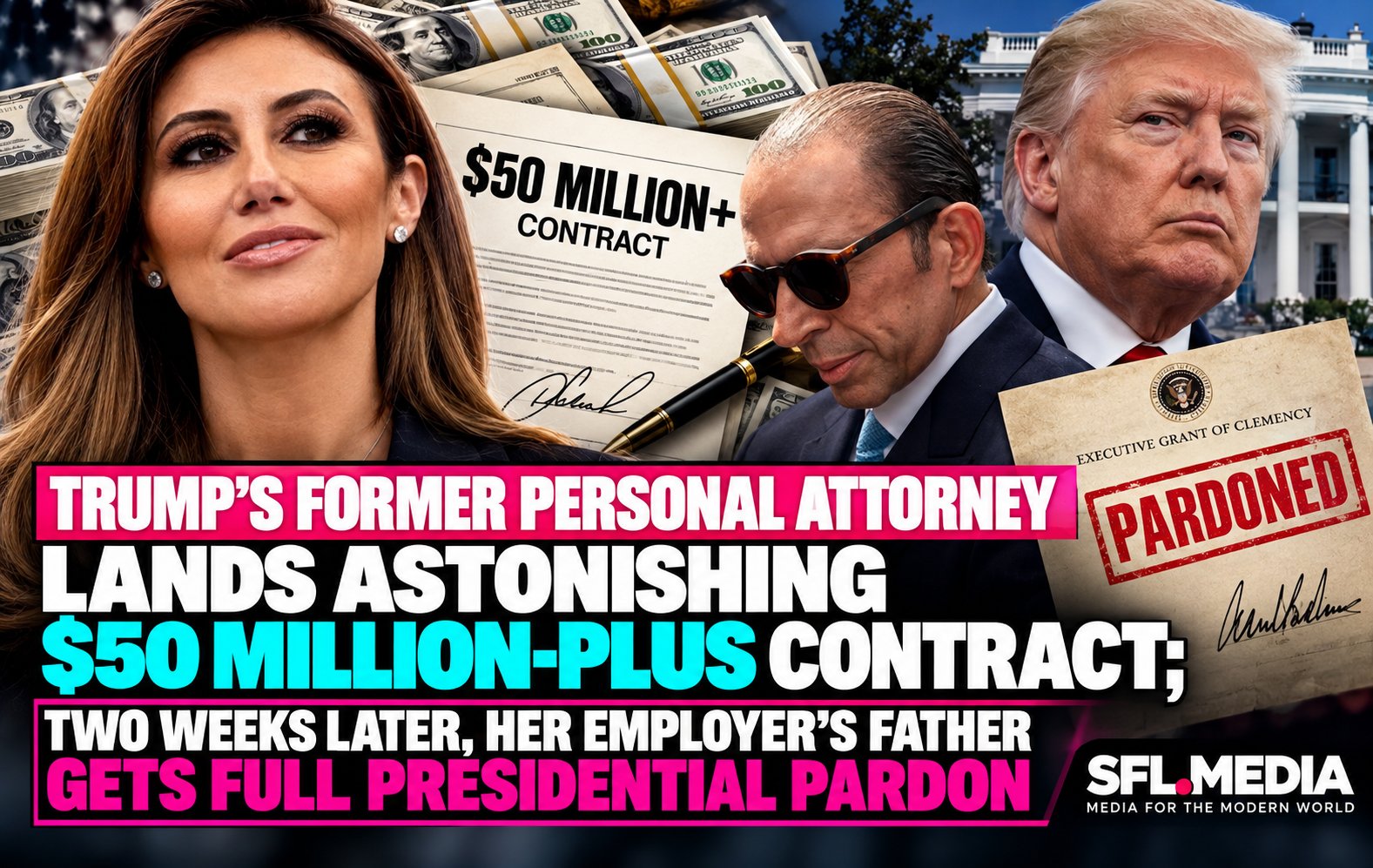
Oliver further noted that Binance founder Changpeng Zhao later received a presidential pardon. The report also pointed to the Trump administration’s subsequent approval of a major agreement allowing the UAE to acquire advanced Nvidia artificial intelligence chips, while emphasizing that no direct evidence has been presented showing the actions were linked.
The segment also highlighted a reported $500 million investment by Sheikh Tahnoun bin Zayed Al Nahyan, the UAE’s national security adviser, for a 49% ownership stake in World Liberty Financial. According to figures cited during the program, the transaction directed approximately $187 million to the Trump family. Neither the White House nor World Liberty Financial has acknowledged any improper relationship between foreign investments and U.S. government policy.
Administration Pushes Crypto Deregulation
Beyond Trump’s personal financial interests, Oliver argued the administration has significantly reshaped federal cryptocurrency oversight. Following the appointment of SEC Chairman Paul Atkins, the Securities and Exchange Commission has withdrawn, paused, or dismissed numerous enforcement actions previously initiated under former Chairman Gary Gensler.
The report cited industry analyses estimating that more than 60% of pending SEC crypto enforcement actions were halted or resolved following the leadership change. The administration has also backed the Clarity Act, legislation designed to shift much of the cryptocurrency industry’s oversight from the SEC to the Commodity Futures Trading Commission.
Supporters say the measure would establish clearer regulatory rules and encourage innovation in the United States. Critics argue the proposal would weaken investor protections because the CFTC has a smaller enforcement budget and was not originally structured as the nation’s primary securities regulator.
Debate Over Conflicts of Interest Continues
The rapid expansion of Trump’s cryptocurrency businesses while serving as president has fueled continuing debate among ethics experts, lawmakers, and financial regulators. Critics argue that foreign investments in businesses tied directly to the president create unprecedented opportunities for perceived or actual conflicts of interest.
Supporters counter that Trump’s assets are publicly disclosed, that cryptocurrency represents an emerging sector critical to American competitiveness, and that the administration’s regulatory reforms are intended to promote innovation rather than benefit any individual company.
As Congress continues debating cryptocurrency legislation and federal regulators reshape oversight of the industry, Trump’s financial involvement in digital assets is likely to remain a focal point in the broader discussion over ethics, transparency, and the future of cryptocurrency regulation in the United States.











































Want to join the conversation?
Create an account or sign in to share your thoughts, vote,
and reply to other readers.
Showing 0 of 0 comments
Don't have an account?
Already have an account?