
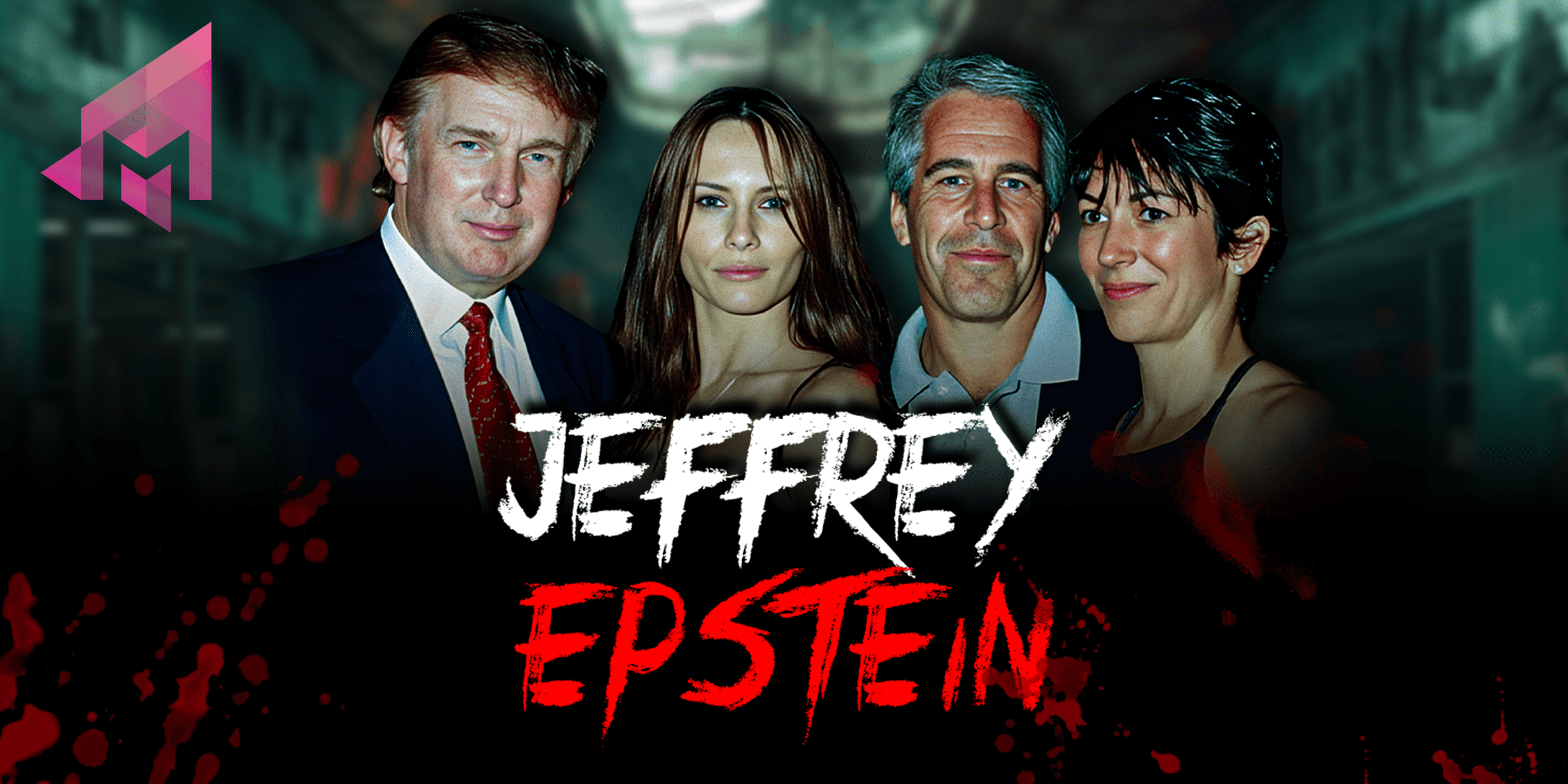
FBI Intake Memo in Epstein Case Contains Explosive Allegations Against Trump and Robin Leach
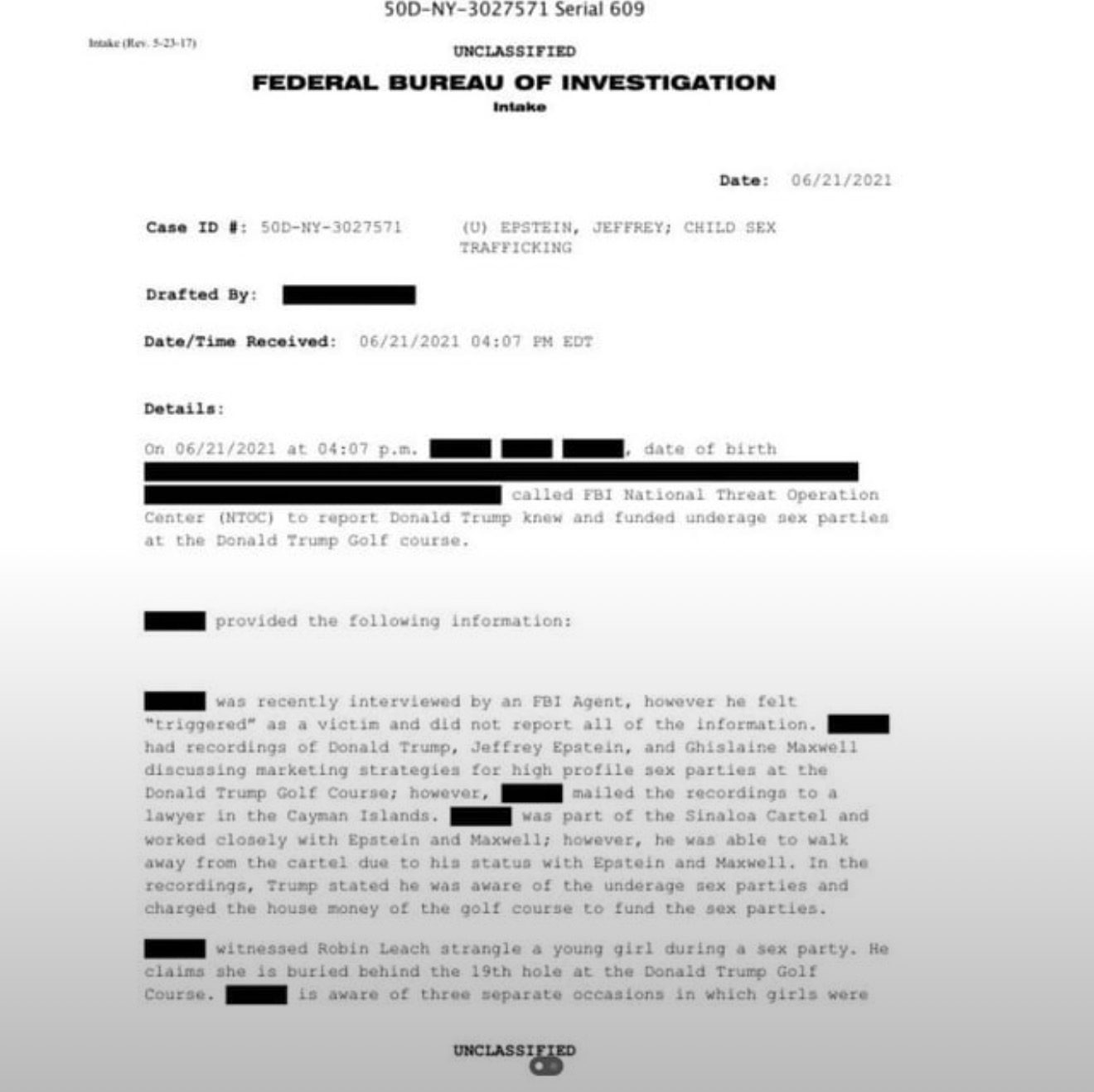
A newly circulated FBI intake document tied to the Jeffrey Epstein case is igniting fresh controversy online. The two-page memo, dated June 21, 2021, is labeled “UNCLASSIFIED” and logged under Case ID 50D-NY-3027571, a New York field office file associated with the broader Epstein investigation. The document is real in format. The allegations inside it are extreme. And as of this writing, none of them are proven. That distinction is critical.
What the Document Actually Is
The memo is marked “Federal Bureau of Investigation — Intake.” That designation matters. An intake form is not a finding, not an indictment, and not a conclusion. It is a log of a tip or report submitted to the FBI’s National Threat Operations Center (NTOC).
The June 21, 2021 entry summarizes a caller’s claims alleging:
• That Jeffrey Epstein, Ghislaine Maxwell, and Donald Trump discussed organizing underage sex parties.
• That such events allegedly occurred at a Trump-owned golf course.
• That recordings of those discussions supposedly existed.
• That a person described as connected to the Sinaloa Cartel was involved.
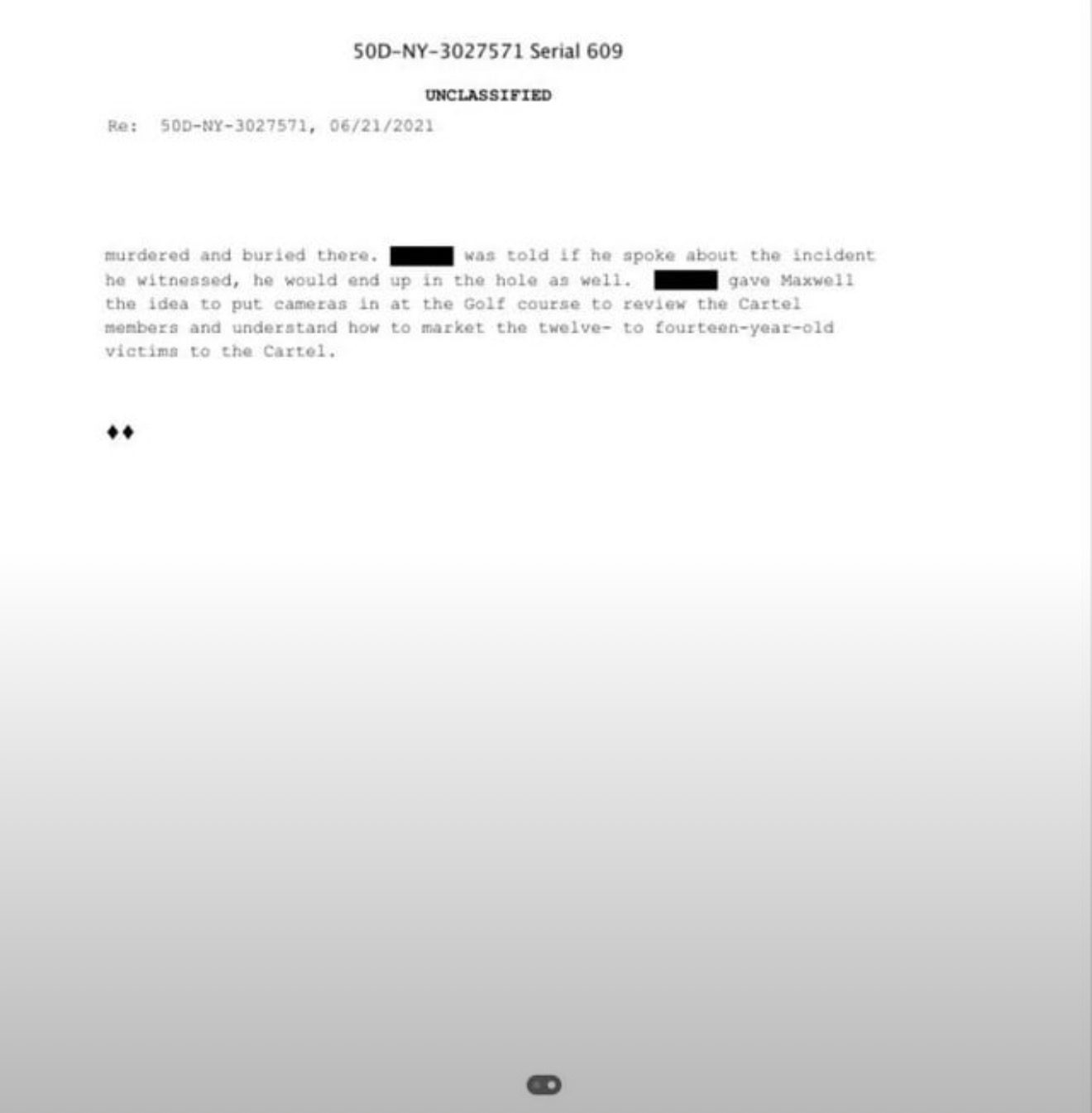
• That a young girl was allegedly strangled at a party and buried behind the 19th hole of the golf course.
• That cameras were allegedly installed to “review” and market underage victims.
Those are the allegations described in the intake summary. There is no evidence attached to the two pages released publicly. There is no indication within the document that the claims were corroborated, investigated to conclusion, or substantiated. It records what someone told the FBI. Nothing more.
Why This Matters And Why It’s Dangerous
The Epstein case remains one of the most disturbing federal criminal matters in modern American history. Epstein died in federal custody in 2019 while awaiting trial on sex trafficking charges. Ghislaine Maxwell was convicted in 2021 and sentenced to 20 years in prison for recruiting and grooming minors.
Given that backdrop, any document mentioning additional potential crimes, especially homicide or cartel involvement, immediately draws attention. But here’s the problem: intake documents are raw tips. The FBI receives thousands of them annually. Many are credible. Many are speculative. Some are false. Some are malicious. The presence of a claim inside an FBI intake file does not mean the FBI confirmed it. It means someone made the allegation. That nuance separates journalism from conspiracy.
The Trump Context
Donald Trump and Jeffrey Epstein were socially acquainted in the 1990s and early 2000s. In 2002, Trump told New York Magazine that Epstein “likes beautiful women as much as I do, and many of them are on the younger side.” Trump later stated he banned Epstein from Mar-a-Lago and distanced himself from him years before Epstein’s 2019 arrest. Trump has not been charged in connection with Epstein’s sex trafficking crimes.
The intake memo’s allegations go far beyond what has been publicly proven in any court proceeding. There are currently no public criminal charges alleging homicide at any Trump-owned golf property connected to Epstein. There is also no publicly confirmed federal case linking Epstein’s network to the Sinaloa Cartel. If such evidence existed and were substantiated, it would represent one of the largest criminal scandals in U.S. political history. There is no public confirmation of that.
The Burial Allegation
One of the most explosive elements in the memo is the claim that a young girl was murdered and buried behind the 19th hole of a Trump golf course. If that were credible and verified, it would trigger massive excavation, forensic, and homicide investigations at both state and federal levels. There is no public record of such an investigation resulting in confirmed remains or homicide charges tied to this allegation. The memo does not state that excavation occurred. It does not state that remains were found. It does not state that charges followed. It documents the allegation.
What Responsible Reporting Requires
Publishing documents like these without context fuels misinformation. Ignoring them entirely raises transparency concerns.
The responsible approach is straightforward:
• Confirm the document format appears consistent with FBI intake records.
• Make clear that it is a tip summary, not a verified finding.
• Note that no charges have emerged from these specific claims.
• Avoid presenting allegations as established facts.
That is the difference between journalism and amplification. At South Florida Media, our standard is simple: if something is proven, we say it’s proven. If it’s alleged, we say it’s alleged. If it’s unverified, we say that too. This intake memo confirms that someone reported severe allegations to the FBI in 2021. It does not confirm those allegations occurred.
The Bigger Question
The Epstein case continues to generate document releases that raise as many questions as they answer. The American public deserves transparency. If allegations were investigated and dismissed, the public should know that. If investigations remain sealed, that too should be clarified. What the country does not need is more confusion masquerading as fact. Until corroborating evidence surfaces recordings, forensic findings, indictments, cooperating witnesses these claims remain what they are inside the file: Unverified allegations recorded by federal intake. And in the news, that line is everything.






































Want to join the conversation?
Create an account or sign in to share your thoughts, vote,
and reply to other readers.
Showing 0 of 0 comments
Don't have an account?
Already have an account?