
Epstein’s Extraordinary Last Minute Trust Deserves Renewed Scrutiny
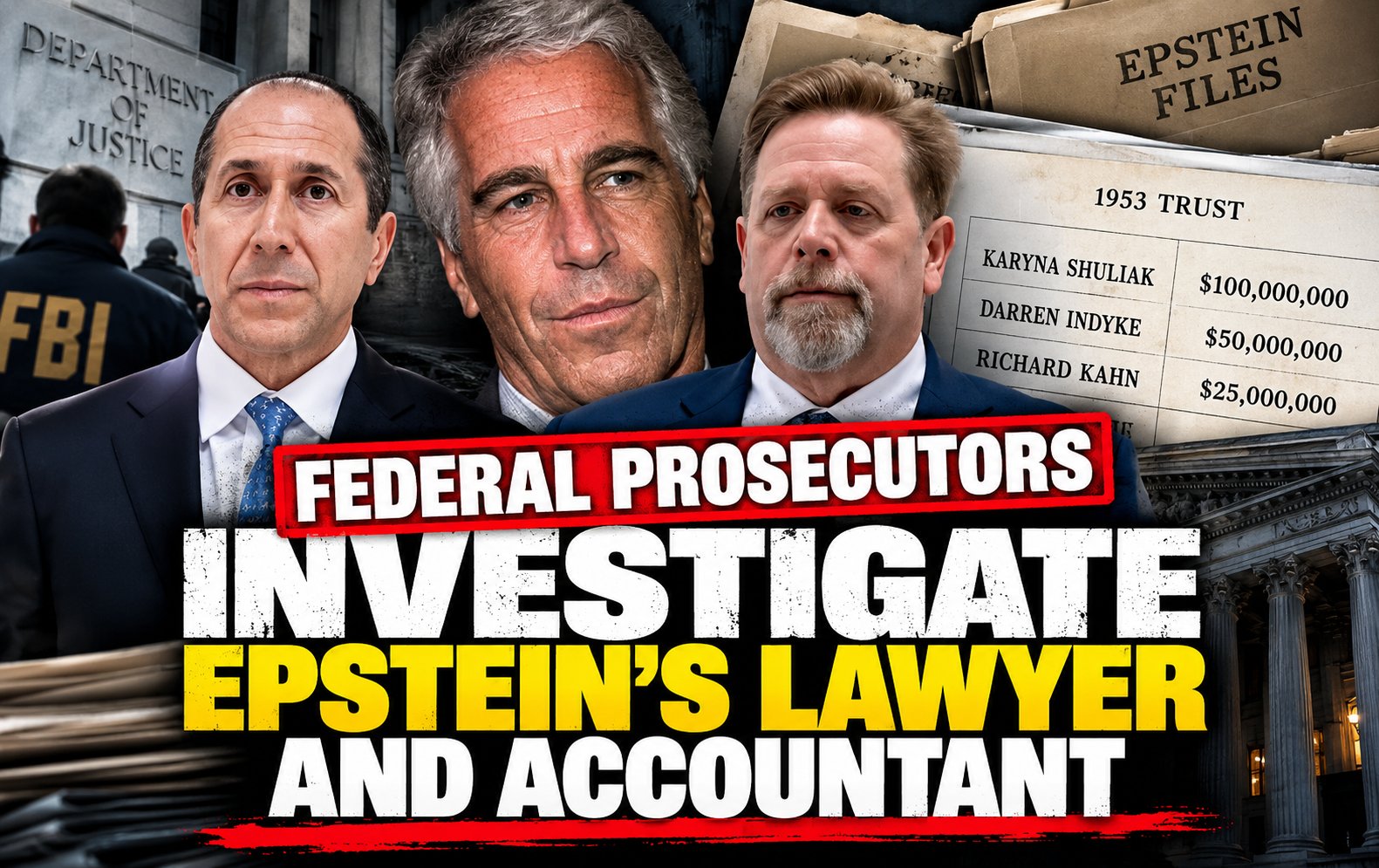
The renewed attention on Indyke and Kahn also places Epstein’s estate planning back under the microscope. Two days before Epstein died at the Metropolitan Correctional Center in Manhattan, he executed a 32 page document establishing the 1953 Trust, named for the year of his birth. The document, subsequently released through the Epstein files, provides an extraordinary window into how Epstein intended to distribute his fortune immediately before his death.
The largest contemplated individual beneficiary was Karyna Shuliak, Epstein’s longtime girlfriend. The trust directed that Shuliak receive $50 million outright and that another $50 million be used to purchase an annuity for her benefit, potentially giving her approximately $100 million. It also contemplated transferring substantial personal property to her. Shuliak, however, was not the only person positioned to receive an enormous amount of Epstein’s wealth: Epstein directed that Darren Indyke receive $50 million and Richard Kahn receive $25 million, making his longtime lawyer and accountant two of the trust’s largest intended beneficiaries.
Those figures are not allegations or estimates; they appear in the trust itself. The amounts beneficiaries ultimately received are a separate matter. Epstein’s estate has since been substantially reduced through victim compensation, settlements, taxes, attorneys’ fees, property sales and other obligations, and estate representatives have maintained that beneficiaries cannot receive distributions until valid creditor and survivor claims are satisfied. Nevertheless, the document demonstrates just how financially significant Indyke and Kahn were within Epstein’s world. Together, Epstein contemplated transferring $75 million to his lawyer and accountant while simultaneously entrusting them with administering the estate and trust through which potential distributions would be made.
That arrangement does not establish criminal conduct, but it provides an obvious reason for investigators to examine the relationships, transactions and corporate structures surrounding Epstein’s estate.
Epstein Did Not Simply Leave His Fortune to His Family
The trust also challenges the assumption that Epstein intended his surviving relatives to inherit most of his fortune. Instead, some of the largest contemplated transfers went to Shuliak and two members of Epstein’s professional inner circle, making the origins, ownership and movement of Epstein’s wealth a legitimate subject of continued investigative scrutiny.
There have long been theories that Epstein maintained relationships with intelligence services or operated as part of a broader intelligence gathering or blackmail operation, while his documented relationships with powerful political, financial and international figures have helped fuel those theories. The evidence currently available, however, does not establish that Karyna Shuliak was a Mossad agent, that Epstein’s fortune consisted of Israeli intelligence operational funds, or that wealthy Jewish Americans systematically financed Epstein as part of a Mossad operation. Those claims cannot responsibly be presented as established facts without documentary evidence demonstrating the financial and operational relationships involved.
The more consequential question does not require speculation: Where did Epstein’s enormous fortune come from, how was that money structured, who controlled the entities surrounding it, where did the money move, and why did Epstein arrange for enormous potential transfers to Shuliak, Indyke and Kahn immediately before his death? Those questions can be investigated through bank records, corporate documents, tax filings, trust documents, emails, congressional testimony and federal investigative files. If evidence eventually establishes an intelligence connection, those same records should demonstrate it.
The Estate Became a Massive Financial Operation After Epstein’s Death
Epstein’s death did not end the financial machinery surrounding him; it transformed it. Indyke and Kahn became responsible for administering an estate initially valued at roughly $600 million. The estate subsequently established a compensation program for survivors, paid substantial sums to victims, reached major settlements, sold properties and absorbed taxes, legal expenses and other obligations. More recent filings have placed the estate’s remaining value far below what Epstein controlled when he died.
Their roles therefore gave Indyke and Kahn enormous responsibility not only for administering Epstein’s remaining wealth but also for responding financially to the consequences of his crimes. The same men were identified as co-trustees of the 1953 Trust and were associated through their professional responsibilities with numerous Epstein controlled entities and related businesses. That corporate architecture now takes on greater significance as federal investigators begin interviewing witnesses and examining the financial structures surrounding Epstein.
Their Denials Will Now Be Tested Against the Records
Indyke and Kahn maintain that they were not involved in Epstein’s crimes. Their attorney has emphasized that neither man has been accused of personally committing sexual abuse or trafficking and rejects any suggestion that they knowingly facilitated Epstein’s sexual abuse, arguing that the abuse occurred behind closed doors, in secluded locations and at times when neither man was present. Their attorney has also pointed to previously released federal records that he says show prosecutors investigating Epstein in 2018 and 2019 did not identify Indyke and Kahn as potential co-conspirators.
Those are significant defenses and belong in any fair account of the investigation. Federal investigators, however, now have another opportunity to compare those explanations with financial records, emails, corporate documents, banking transactions, estate records, congressional testimony and witnesses who interacted with Epstein’s financial network. The Justice Department has declined to confirm or deny details of the investigation, saying it does not comment on the existence or absence of active investigations while reiterating that authorities will investigate Epstein related matters when evidence warrants it.
The stakes are particularly significant because both men have now provided sworn testimony to Congress about what they knew and did not know. Their congressional depositions, professional records and financial activities create separate bodies of evidence that investigators can compare. Any material contradiction would have to be evaluated in context and would not by itself establish criminal conduct, but the existence of sworn testimony gives investigators a detailed record against which documentary evidence and witness accounts can be measured.
Follow the Money
For years, public attention surrounding Jeffrey Epstein has concentrated heavily on the presidents, billionaires, celebrities, politicians, academics and other powerful people who entered his orbit. The investigation now being reported points toward another potentially consequential layer of the story: the professionals who established companies, prepared legal documents, handled transactions, managed accounts, administered trusts and ultimately controlled the estate left behind after Epstein died.
That distinction matters because a sophisticated criminal operation involving enormous wealth does not exist only through social relationships. It also operates through accounts, corporations, contracts, transfers, professional services and records. The newly disclosed 1953 Trust makes those financial relationships particularly difficult to ignore: Epstein contemplated leaving $100 million to Shuliak, $50 million to Indyke and $25 million to Kahn, while Indyke and Kahn were simultaneously entrusted with administering his estate and trust. None of that proves they participated in Epstein’s crimes, but it makes the financial records surrounding Epstein impossible to dismiss as a secondary part of the story.
The renewed federal scrutiny therefore represents something potentially more consequential than another examination of who appeared in Epstein’s address book or traveled in his social orbit. Investigators now have an opportunity to examine the machinery behind the fortune itself: who created Epstein’s entities, who controlled them, what money passed through them, who received that money, what the professionals administering those structures knew and whether the financial record supports or contradicts the explanations they have given publicly and under oath.
Whatever secrets remained after Jeffrey Epstein’s death were not contained only in photographs, address books, flight logs and the testimony of powerful people who knew him. They were also contained in the money.

Sources & Further Reading
NBC News — Video Report: Federal Authorities Investigating Epstein’s Lawyer and Accountant
U.S. House Oversight Committee — Richard Kahn and Darren Indyke Deposition Videos
House Oversight — Subpoena and Document Schedule for the Epstein Estate
ABC News — What Indyke and Kahn Told Congressional Investigators
Associated Press — Darren Indyke’s Congressional Testimony
New York Times — Jeffrey Epstein’s 1953 Trust and Its Beneficiaries
Federal Court Docket — Doe and Amy v. Indyke and Kahn
The Guardian — New Epstein Estate Lawsuit Concerning Child Sexual Abuse Material














































Want to join the conversation?
Create an account or sign in to share your thoughts, vote,
and reply to other readers.
Showing 0 of 0 comments
Don't have an account?
Already have an account?