
Spicy-Fast Food Trends
Fast-food chains across the U.S. are heating up the competition by rolling out a record number of spicy dishes. From fiery chicken wraps to chili-laced bowls, restaurants are betting that bold flavors can draw in younger, social media–savvy diners — and the numbers back it up. According to Datassential, a leading food industry research firm, 76 new spicy menu items were launched by U.S. restaurant chains between March and June 2025. That’s a sharp uptick in limited-time offers (LTOs) designed to generate buzz and keep foot traffic high in an increasingly competitive market. “Spicy foods hit that sweet spot — they’re craveable, exciting, and photograph well,” said Mark Brandau, associate director at Datassential, in a recent interview. “For younger consumers, it’s also about the experience. They want food that sparks a reaction, literally.”
Spicing Things Up for Gen Z and Gen Alpha
Chains like Chipotle, Cava, Taco Bell, and Shake Shack are tailoring their newest offerings to a younger demographic — particularly Gen Z (born 1997–2012) and Gen Alpha (born 2013–present) — who are not just adventurous eaters, but also digital natives. In May, Chipotle rolled out its “Smoked Ghost Pepper Chicken Bowl,” featuring one of the world’s hottest peppers, which sold out in multiple locations. Taco Bell brought back its “Volcano Menu” by popular demand, including the famous Lava Sauce, and launched a “Flamin’ Hot Cool Ranch Doritos Locos Taco” — combining nostalgia and novelty in one bold bite. Cava, a Mediterranean-inspired chain known for customizable bowls, has leaned into spice with its Spicy Harissa Honey Chicken and Hot Garlic Dressing, both of which have gained strong traction on TikTok food reviews.
Why It’s Happening Now
The surge in spicy menu items is no coincidence. Operators are under pressure to deliver low-cost innovation — meals that feel new but don’t require complex kitchen overhauls. “It’s a smart, low-labor way to drive trial and excitement,” said Bonnie Riggs, a former restaurant industry analyst for NPD Group. “You’re often just adding a spicy sauce or seasoning, but the impact — especially online — is huge.” With food inflation still affecting margins, spicy LTOs are a cost-effective strategy. A bold seasoning blend or limited-edition hot sauce can be layered onto existing items, creating an entirely new SKU with minimal operational strain.
Social Media’s Role: TikTok Drives the Trend
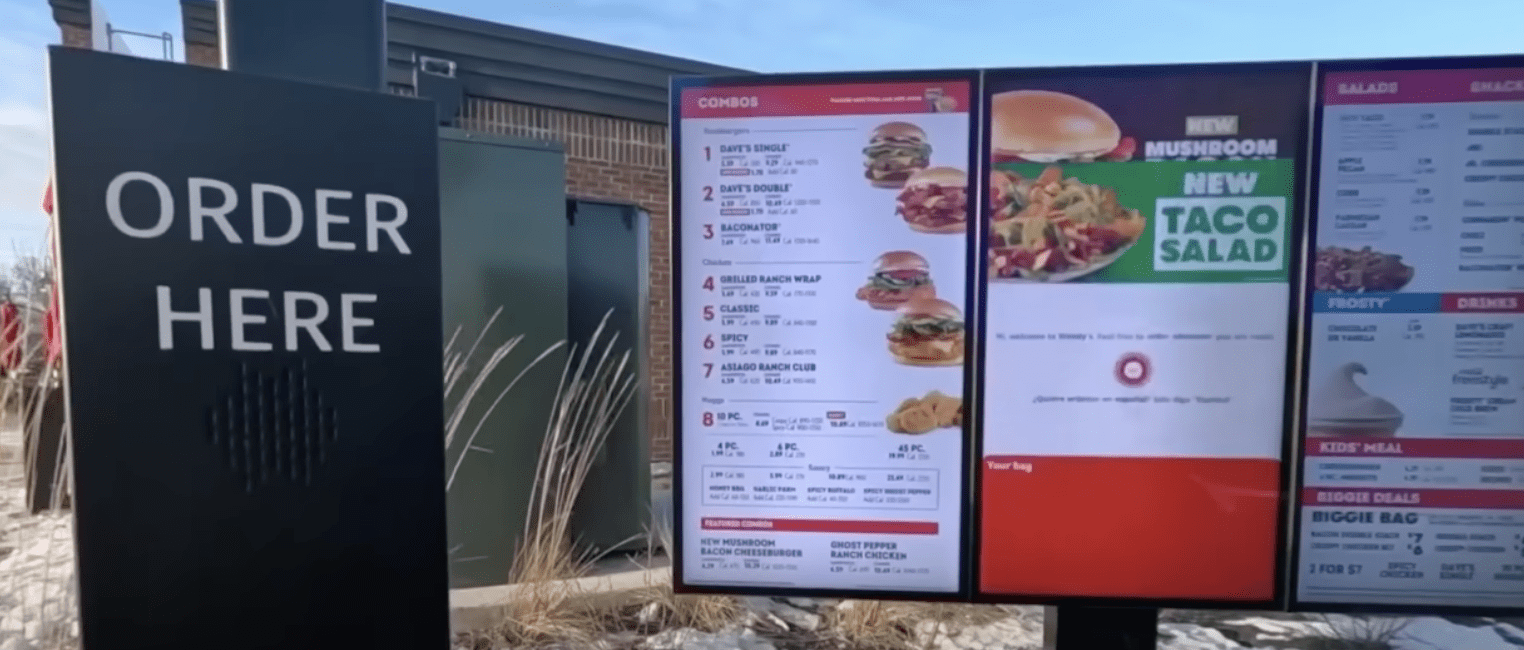
This isn’t just about taste — it’s about clicks, shares, and virality. Spicy food challenges, reaction videos, and bold flavor content perform exceptionally well on TikTok and Instagram. Consumers — especially teens and young adults — are filming themselves trying the hottest new items and challenging friends to do the same. “TikTok is fueling this trend by turning spicy food into a spectacle,” said Maeve Webster, president of Menu Matters, a food industry consultancy. “Fast-food brands know that if a new spicy item goes viral, it can translate directly to lines at the drive-thru.” Chains are even collaborating with influencers or launching exclusive online-only items to increase digital engagement. McDonald’s, for example, recently teamed up with content creators to promote its Spicy McCrispy Sandwich, driving millions of views on social platforms.
The Big Picture: What This Means for Fast-Food’s Future
While spicy food has long had its niche — think Buffalo wings and jalapeño poppers — it’s now evolving into a mainstream marketing weapon for fast-casual and QSR (quick-service restaurant) brands. “We’re seeing a cultural shift toward bolder palates, driven by younger generations who are more exposed to global cuisines,” noted Datassential’s Brandau. “The definition of ‘spicy’ is expanding, and so are the opportunities.” Expect this trend to stick around. As consumer tastes evolve and Gen Z and Gen Alpha shape the future of dining, chains that fail to embrace heat risk getting left in the cold.














































Want to join the conversation?
Create an account or sign in to share your thoughts, vote,
and reply to other readers.
Showing 0 of 0 comments
Don't have an account?
Already have an account?