
Beef Prices
Beef lovers across the United States are feeling the pinch as prices soar to unprecedented levels. For the first time in recorded history, the average price of ground beef has climbed above $6 per pound, and popular cuts like steak have risen more than 8% compared to last year. This sharp increase comes at a time when American consumers are already grappling with broader economic uncertainty and the ongoing effects of inflation.
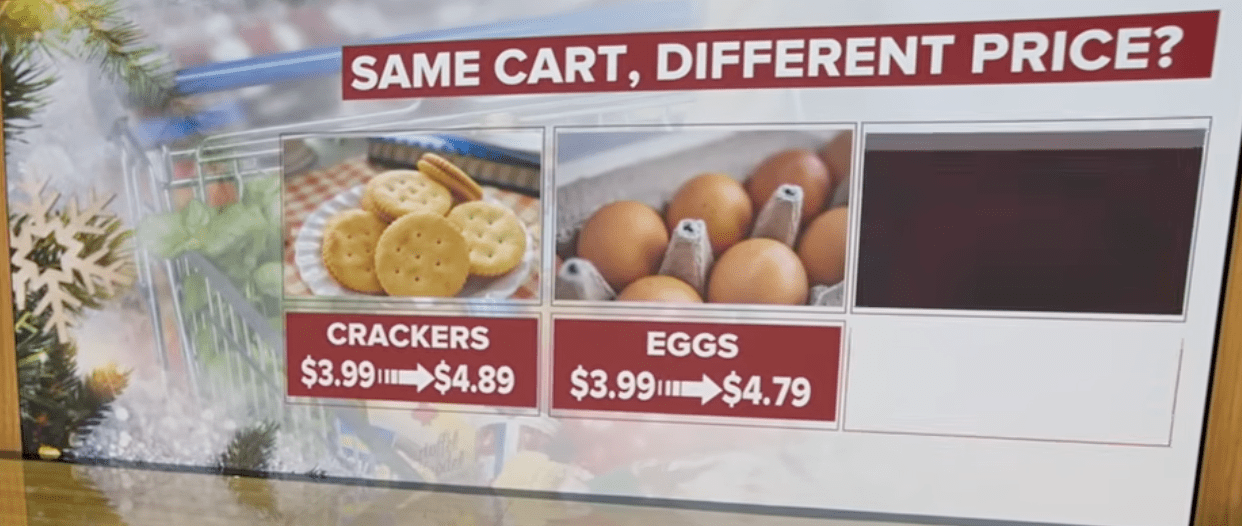
Experts point to a perfect storm of factors behind the beef price surge: inflation, ongoing drought in cattle-raising regions, reduced herd sizes, and international trade challenges. While prices for some grocery staples—such as eggs—have eased in recent months, beef remains firmly on an upward trend.
What’s Behind the Spike?
At the core of the price surge is inflation, which continues to raise the cost of nearly everything in the production chain—feed, fuel, labor, and transportation. Cattle producers have seen input costs rise dramatically since the pandemic, and those costs are now being passed on to retailers and, ultimately, to consumers.
Adding to the pressure is a prolonged drought affecting key cattle-producing states like Texas, Oklahoma, and Kansas. The dry conditions have severely reduced pastureland, leading ranchers to sell off parts of their herds early due to a lack of water and affordable feed. According to recent data from the U.S. Department of Agriculture (USDA), the nation’s cattle inventory is at its lowest point in over a decade.
“The reduction in the size of the national herd is directly impacting supply,” said Dr. James Mahoney, an agricultural economist at Kansas State University. “With fewer cattle going to market, it’s only natural that prices are climbing. The problem is, it takes years to rebuild herds. There’s no quick fix.”
Import Issues and Global Demand
International trade has also played a role in keeping beef prices high. With domestic supply constrained, the U.S. has increased its reliance on beef imports from countries such as Australia and Brazil. But global shipping delays, higher transportation costs, and shifting trade policies have made imported beef more expensive as well.
Additionally, global demand for U.S. beef remains strong, particularly in Asian markets like South Korea and Japan. While exports are a boon for producers, they can exacerbate shortages at home, further tightening the supply available to American consumers.
How It’s Hitting Consumers
For shoppers at the grocery store, the sticker shock is real. What used to be an affordable protein option—ground beef—is now becoming a splurge item for many families. High-end cuts like ribeye and tenderloin are becoming even more cost-prohibitive.
Some families are rethinking their weekly meal planning. “I used to buy a few pounds of ground beef every week for tacos and pasta,” said Maria Evans, a mother of three from Ohio. “Now I only buy it if it’s on sale, and even then, I’m cutting back. We’ve been eating more chicken, beans, and plant-based meals instead.”
Restaurant owners are also feeling the pressure. Menu prices at steakhouses and burger joints have increased, and some smaller establishments are switching to lower-cost beef blends or shrinking portion sizes to manage costs.
A Silver Lining: Falling Egg Prices
While beef prices continue to rise, there’s at least one area of relief in the grocery store: eggs. After hitting record highs in early 2023 due to avian flu outbreaks and supply chain issues, egg prices have dropped significantly. The USDA reports that as of mid-2025, wholesale egg prices have returned closer to pre-pandemic levels, thanks to a rebound in egg-laying hen populations and improved feed supply.
This shift highlights the volatility of food markets—and the potential for recovery when supply conditions stabilize.
What’s Next?
The outlook for beef prices remains uncertain. Some analysts believe prices could stay elevated through at least early 2026 due to how long it takes for the cattle industry to recover from a supply shock. Others suggest that if feed prices fall and weather conditions improve, we could see stabilization by the end of the year.
In the meantime, consumers can expect beef to remain expensive—and are advised to shop smart. Bulk purchasing, choosing cheaper cuts, and keeping an eye on local butcher specials are just a few ways households can adapt.
“Unfortunately, high beef prices are something we’ll be dealing with for a while,” said Mahoney. “This is part of a larger pattern of post-pandemic food inflation that we’re still navigating.”
As the summer grilling season continues, Americans may find themselves flipping fewer burgers or turning to alternative proteins—at least until the cattle industry catches up with demand.


















































Want to join the conversation?
Create an account or sign in to share your thoughts, vote,
and reply to other readers.
Showing 0 of 0 comments
Don't have an account?
Already have an account?