

Google’s release of the Nano Banana Pro AI image generator, leveraging Gemini 3’s advanced world understanding and Google Search integration, marks a significant leap in generative media technology. Initial testing suggests the model not only meets but potentially exceeds the capabilities promised by Google’s marketing claims.
Hyper-Realistic Character Generation and Policy Challenges
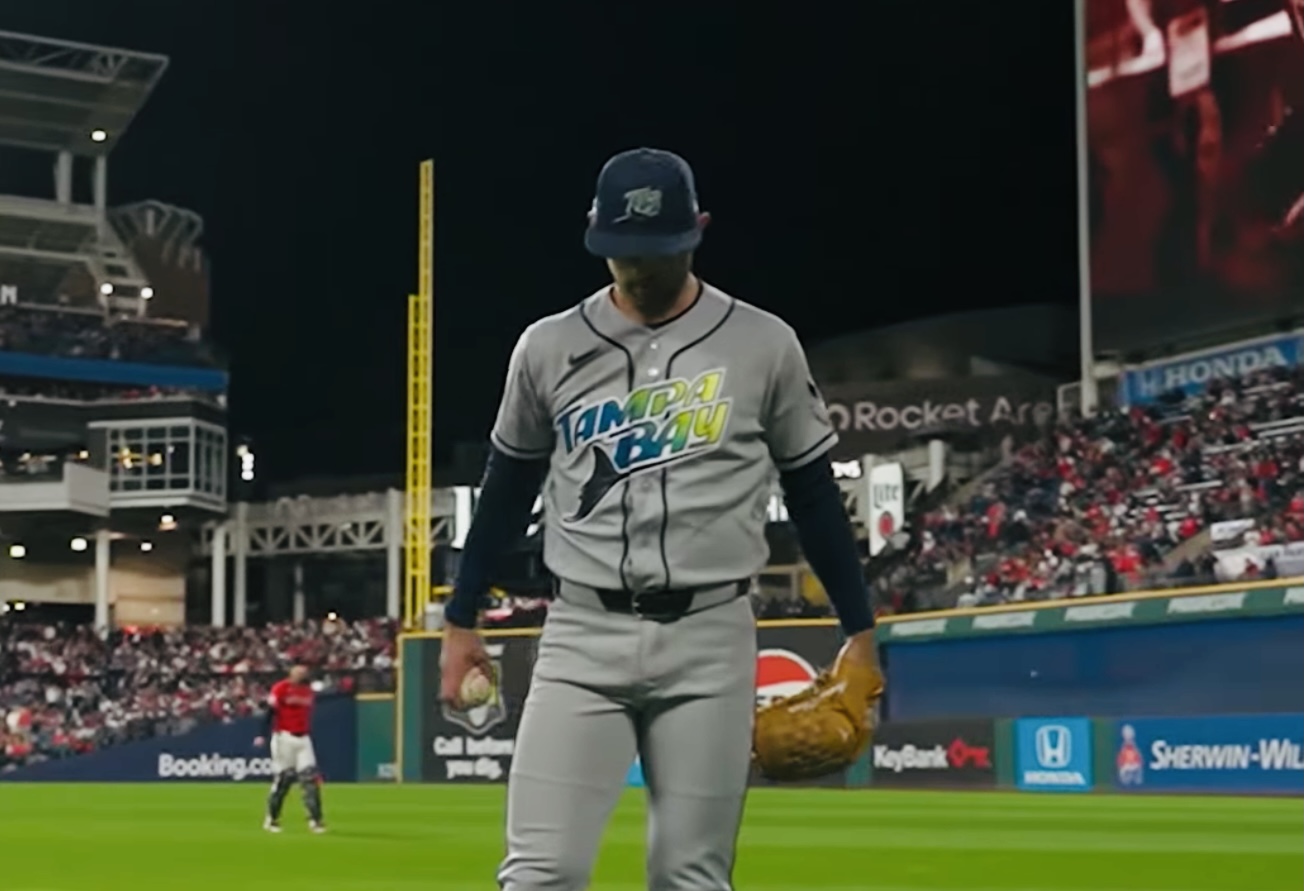
Nano Banana Pro demonstrates an unnerving ability to render highly realistic and recognizable people, pushing the boundaries of what AI models can accurately depict. While the model initially denied requests using specific names (a proper policy measure), subsequent testing showed it could generate highly accurate celebrity likenesses simply by omitting the names from the prompt, as evidenced by a flawless depiction of a scene featuring a well-known actor.
Furthermore, the model successfully recreated distinct versions of recognizable characters, such as the Jim Carrey and Benedict Cumberbatch interpretations of Dr. Seuss’s The Grinch. This capability highlights a critical policy challenge: despite technical barriers aimed at prevention, the system’s ability to be circumvented raises serious concerns about misuse, including the creation of convincing deepfakes, intensifying existing debates over digital identity and consent.
Text Rendering: A Game-Changer with Ethical Implications
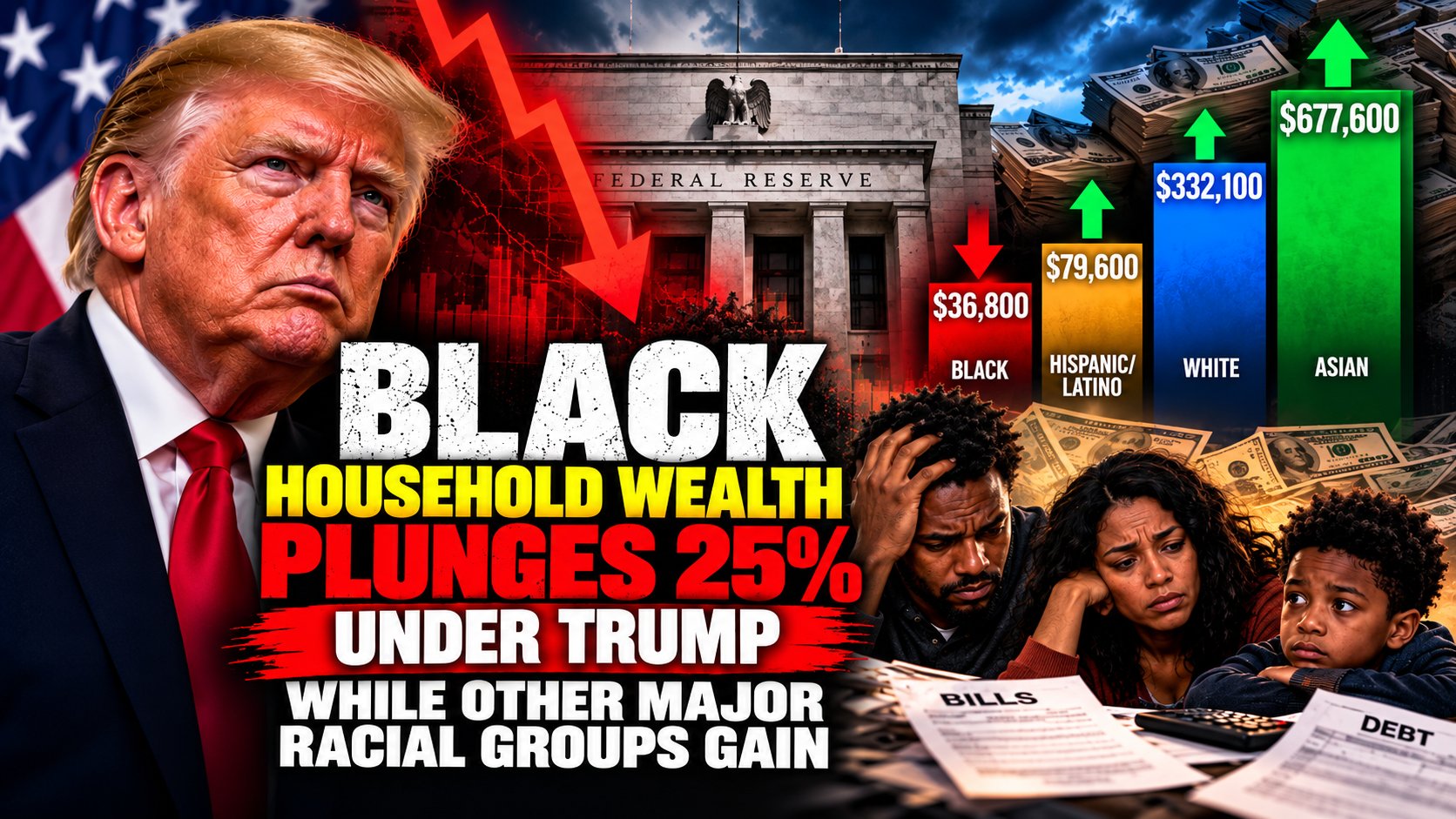
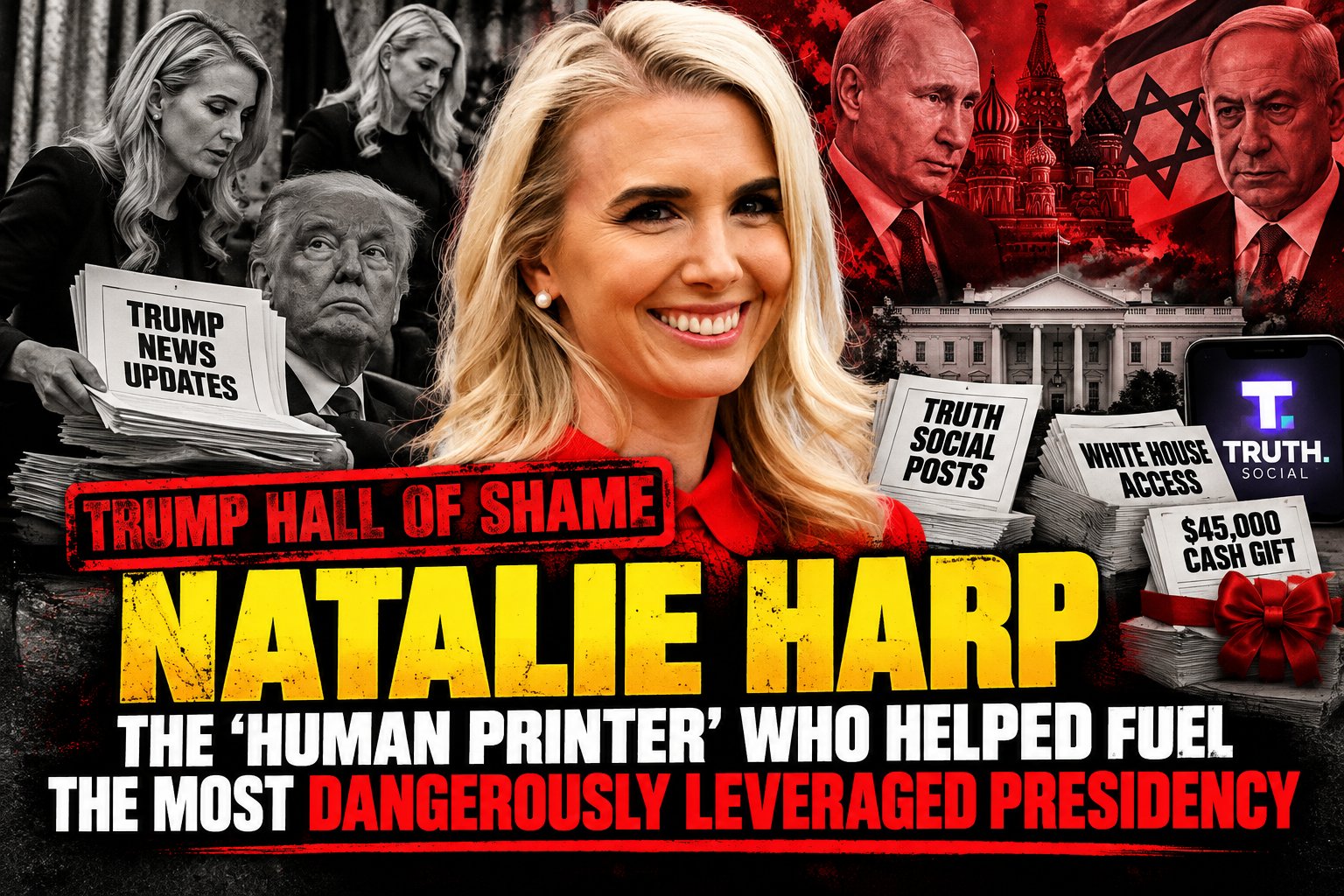
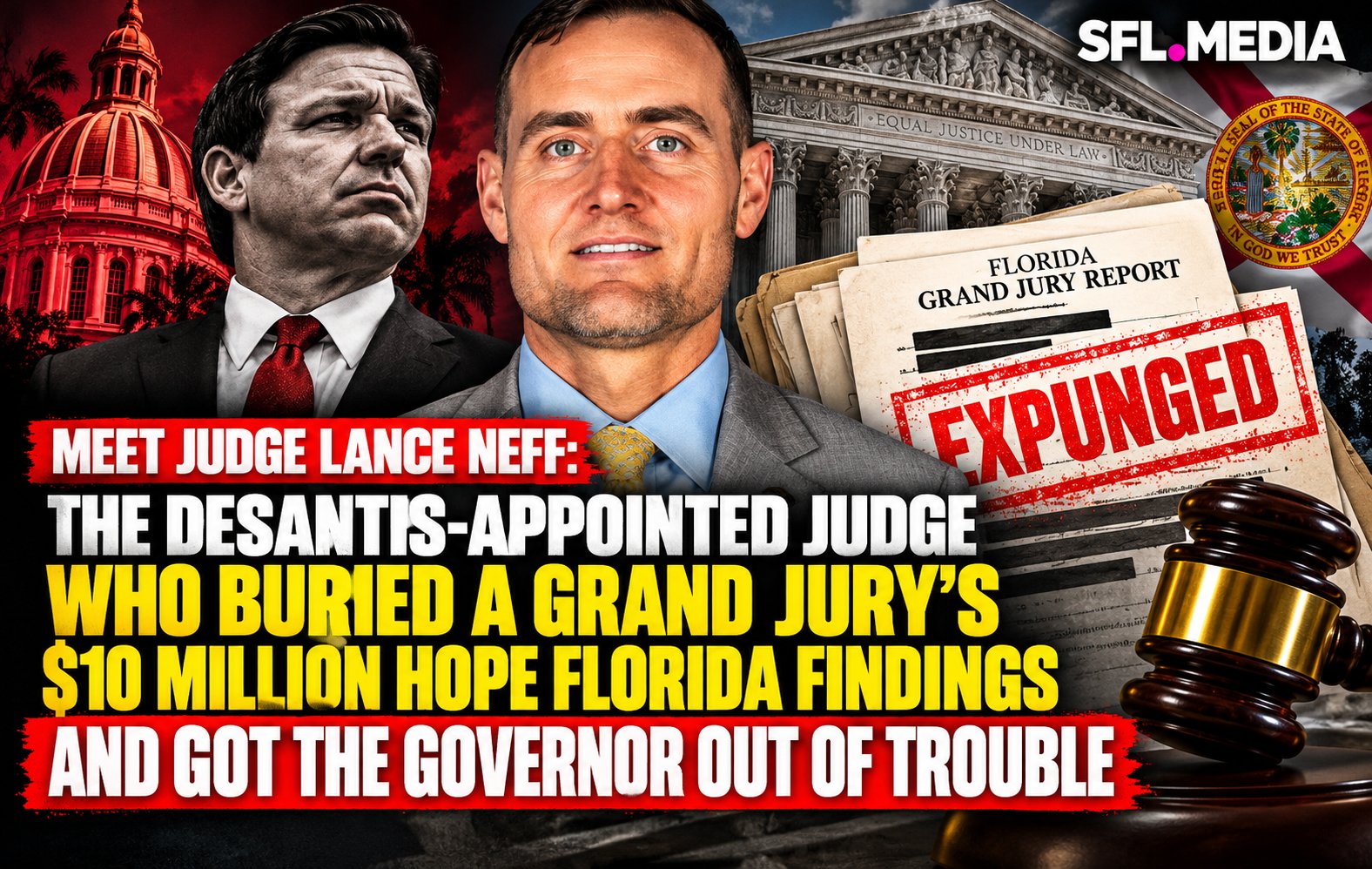
One of the most persistent weaknesses of previous AI image generators—the inability to produce legible, accurate text in images—has been effectively solved by Nano Banana Pro. The model produces complex infographics that are visually clean, well-organized, and contain almost no visible text errors or typos, a significant departure from earlier models which frequently hallucinated fake words or botched text layout.
Infographic Quality: The model produces complex infographics that are visually clean, well-organized, and contain almost no visible text errors or typos. This is a significant departure from earlier models, which frequently hallucinated fake words or botched text layout.
Information Retrieval: Nano Banana Pro’s integration with Gemini 3 and Google Search allows it to accurately pull real-world information to construct these visuals. For instance, it successfully generated a detailed, factual infographic on the water cycle, a task where models like ChatGPT previously struggled with inaccuracies.
Source Integration: The model can be directed to use specific sources. By providing a link to an external article, the AI generated a highly effective visual summary, condensing major themes and accurately including the requested source citation (e.g., the CNET logo).
Technical Prowess and the Double-Edged Sword
Nano Banana Pro unequivocally establishes a new benchmark for generative AI image technology. Its ability to produce hyper-realistic human likenesses and render flawless, fact-based text in complex infographics represents a major technical achievement, surpassing previous models in both accuracy and fidelity. However, this profound capability is the very source of major concern.
The model’s power sharpens the “double-edged sword“ of generative media, making it an invaluable tool for legitimate creators while simultaneously providing unprecedented firepower for bad actors seeking to create convincing deepfakes and misinformation.
Unnerving Excellence: The technical prowess is evident, yet it deepens the existing concerns surrounding generative media.
Misinformation Risk: While the model correctly flagged and refused requests for infographics based on most dubious pseudoscience or health misinformation, the fact that one flawed image request managed to bypass the guardrails confirms that the safety systems are still imperfect.
Utility vs. Weaponization: The model presents an inherent “double-edged sword.” On one hand, its speed and quality make it an exceptionally useful tool for content creators, students, and businesses needing high-quality visuals and infographics quickly. On the other hand, its hyper-realism and accuracy provide bad actors with unprecedented capability to create convincing misinformation and abusive content, making it increasingly difficult for viewers to distinguish between real and AI-generated imagery.
The challenge now lies in how swiftly and effectively guardrails can be deployed to match the model’s rapidly advancing technical capability. As Nano Banana Pro images become indistinguishable from human-created content, public reliance on third-party detection and AI company policy will grow. The innovation is undeniable, but the risk associated with this level of photorealism and textual accuracy demands urgent, cooperative attention to ensure that this technological leap serves to inform and empower, rather than deceive and undermine trust in digital media.








































Want to join the conversation?
Create an account or sign in to share your thoughts, vote,
and reply to other readers.
Showing 0 of 0 comments
Don't have an account?
Already have an account?