
Disco Lines Turns Lollapalooza 2026 Into a 74 Minute Dance Party in Chicago
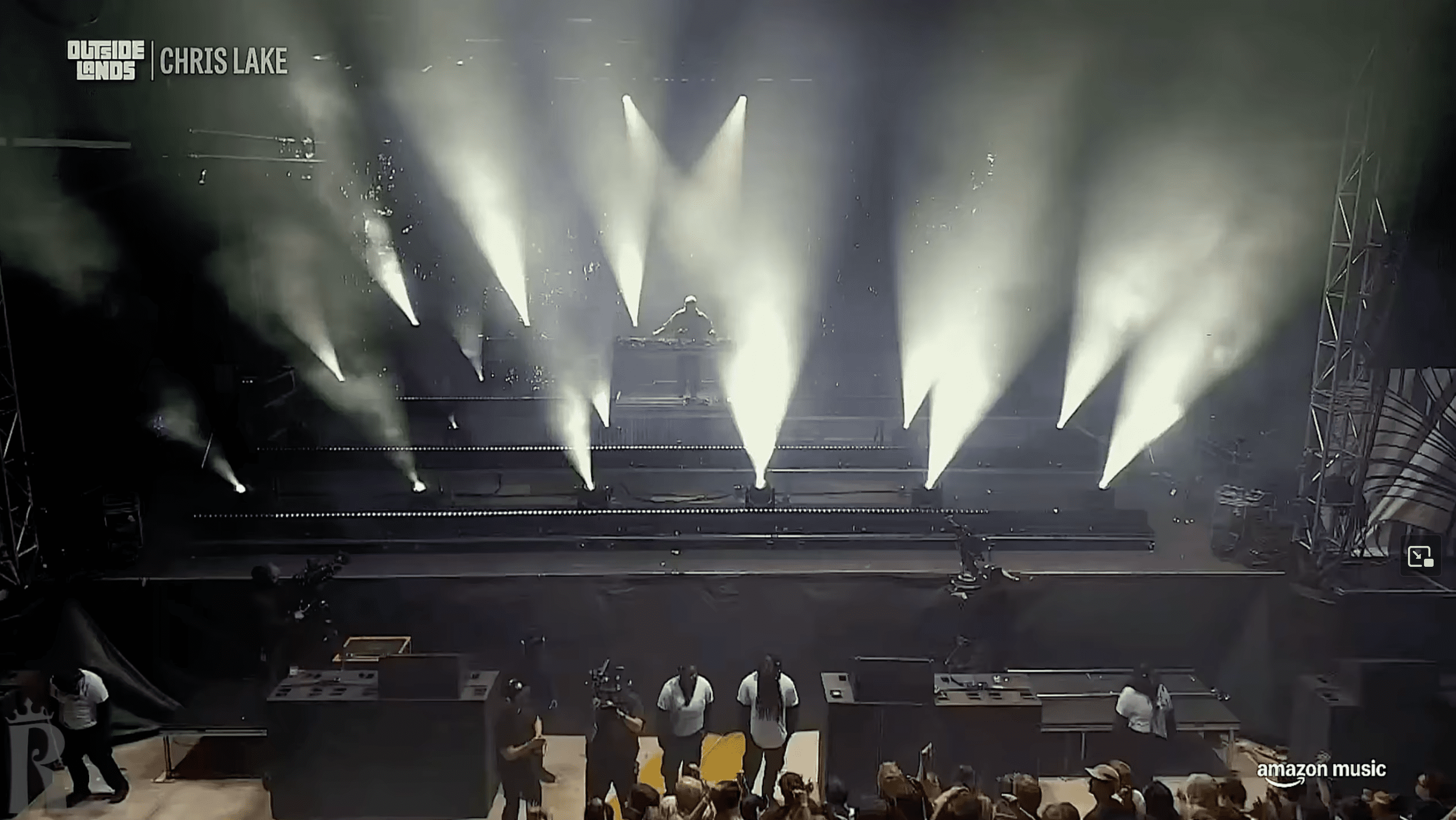
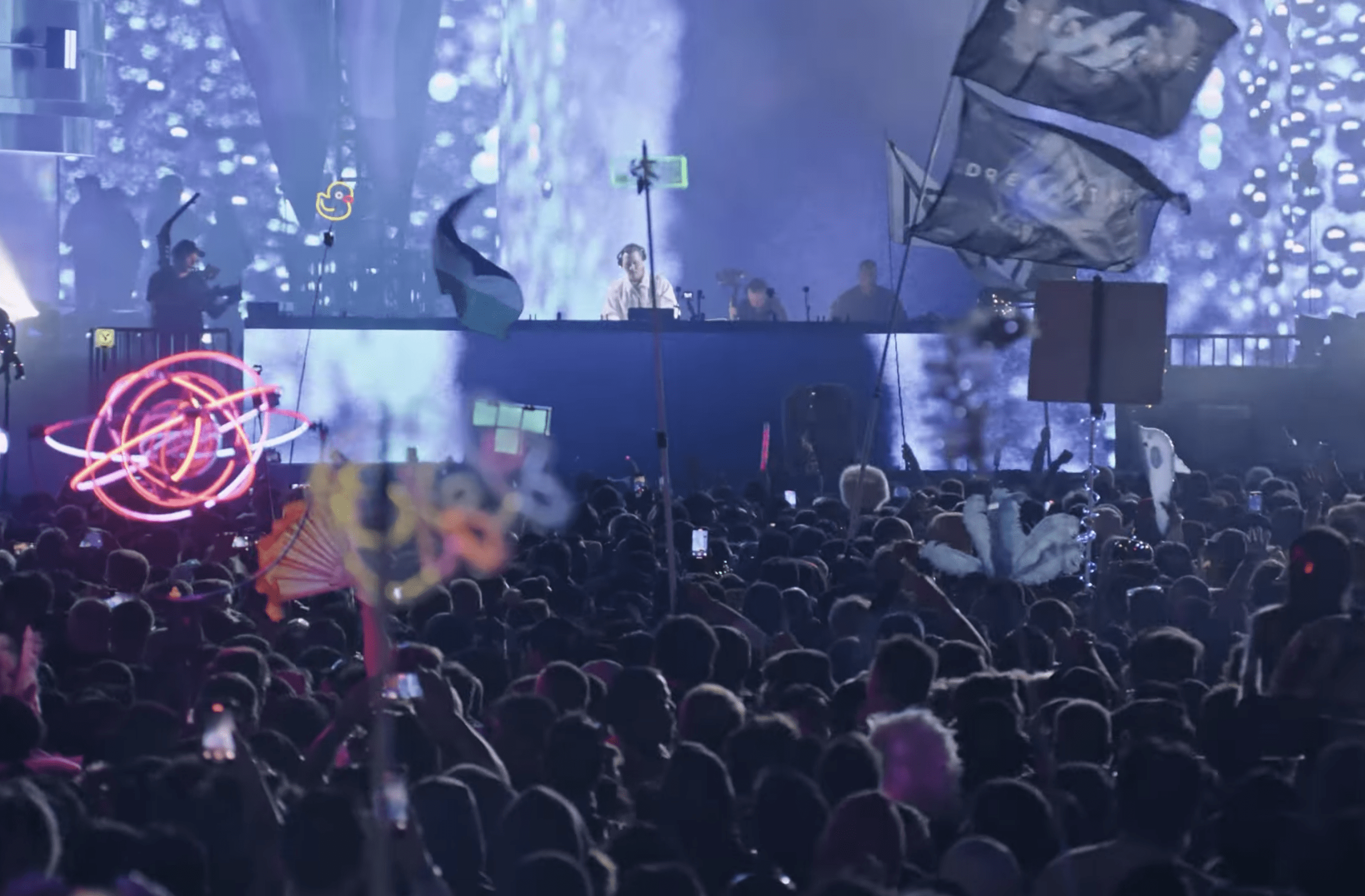
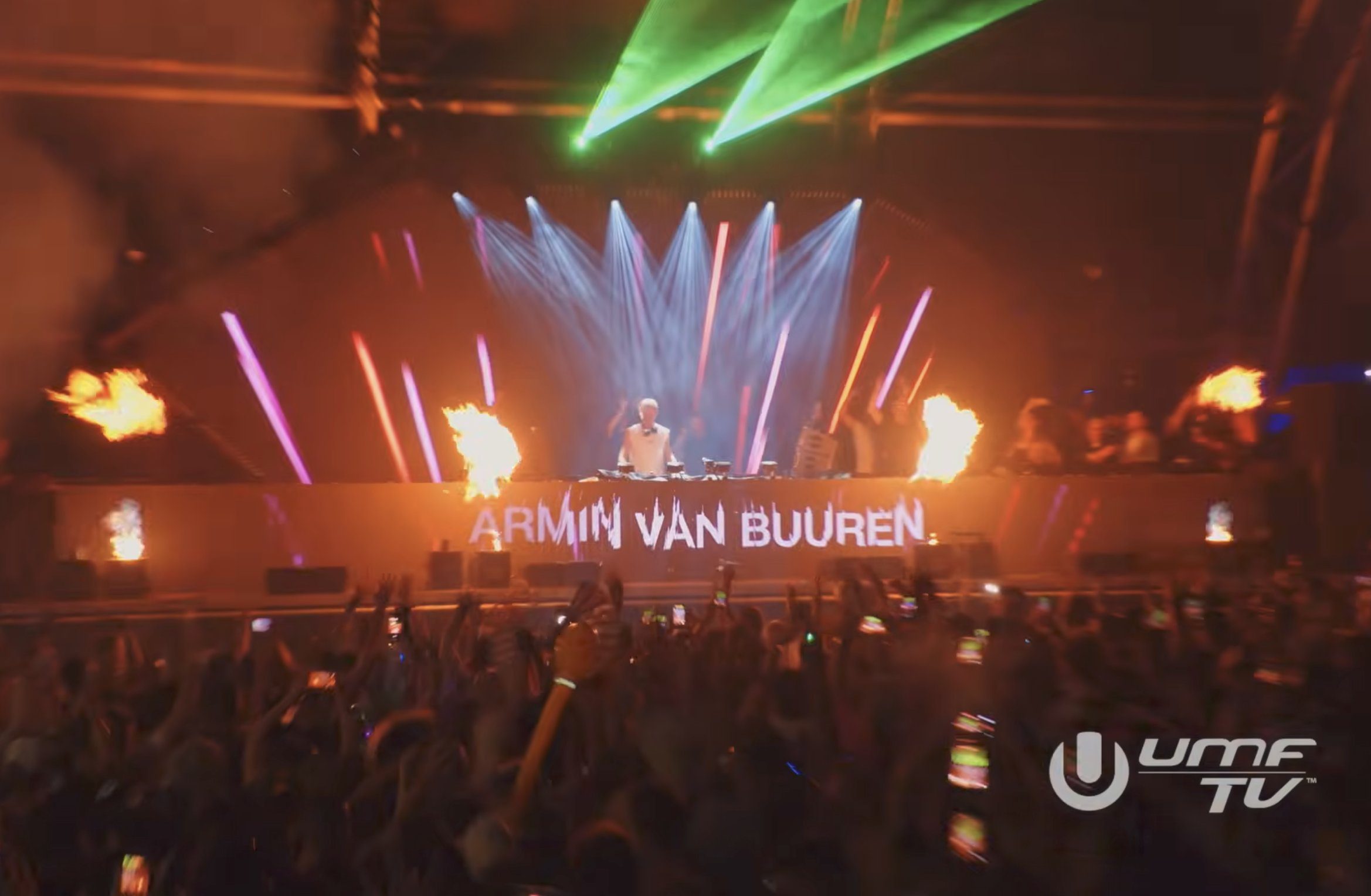
CHICAGO — Lollapalooza has always been built around musical collisions, but Disco Lines took that philosophy particularly seriously during his 2026 appearance in Grant Park, delivering a relentless 74 minute electronic set that bounced between house, tech house, bass heavy club music, hip-hop flips and instantly recognizable pop samples.
Disco Lines, the stage name of producer and DJ Thadeus Labuszewski, performed Saturday, Aug. 1, during the third day of Lollapalooza’s four day Chicago run. The festival officially returned to Grant Park from July 30 through Aug. 2 with more than 170 artists performing across eight stages, while Saturday’s lineup included Olivia Dean, JENNIE, The Neighbourhood, Ethel Cain, Alison Wonderland and Disco Lines. Disco Lines was scheduled for an 8:30 p.m. set on Perry’s Stage, putting him in one of the festival’s prime electronic slots.
What followed was less a traditional DJ set than a rapid fire tour through the modern American festival sound. Disco Lines repeatedly used familiar vocals, hip-hop records, pop references and internet-era cultural samples as entry points before tearing them apart and rebuilding them over pounding house production. The approach gave even casual listeners something recognizable to grab onto while keeping the set firmly aimed at the massive dance crowd assembled in Grant Park.
Disco Lines Came Out Swinging
There was virtually no warm up period. Within the opening minutes, Disco Lines was already driving the crowd through heavy bass-house territory, opening with a high energy sequence built around “Push It” before quickly moving into one of the stranger moments of the performance: dialogue from The Mandalorian.
Around the four-minute mark, the set suddenly dropped into the Star Wars universe before the familiar “This is the way” line became part of a massive electronic transition. It was ridiculous in exactly the way a giant festival DJ set sometimes should be, a recognizable cultural reference turned into ammunition for another drop.
From there, Disco Lines moved into “TECHNO + TEQUILA,” a track that has become part of his live repertoire, before bringing out “Disco Bus” roughly 10 minutes into the performance. The latter delivered one of the early moments when the set felt unmistakably like a Disco Lines show rather than simply another tightly mixed festival performance.
Hip Hop Became Fuel for the House Music Machine
One of the defining characteristics of the Lollapalooza set was Disco Lines’ willingness to move outside the traditional boundaries of house music. Instead of treating hip-hop as something separate from electronic music, he repeatedly pulled rap vocals into the set and dropped them over entirely different rhythmic structures.
That formula became particularly obvious around the 30 minute mark, when 21 Savage vocals were folded into a faster tech-house framework. Later portions of the performance continued the strategy, taking recognizable rap and pop elements and using them as temporary landmarks inside a constantly changing electronic mix.
It’s a style particularly well suited to a festival like Lollapalooza, where an electronic artist isn’t necessarily playing exclusively to dedicated house fans. Grant Park’s audience is a cross section of pop, hip-hop, alternative, rock and EDM listeners, and Disco Lines built a set capable of communicating with all of them without abandoning the dance floor.
The Set Wasn’t Just One Giant Drop
The middle of the performance also demonstrated that Disco Lines understands the danger of maintaining maximum intensity for more than an hour. Around the 40-minute mark, the performance shifted toward a more melodic and vocal driven house section, giving the crowd a temporary emotional release from the heavier bass production.
The change in pacing mattered. Instead of stacking increasingly aggressive drops until they became meaningless, Disco Lines allowed melodic sections and vocals to reset the room before ramping the energy back up.
That dynamic became increasingly important during the second half of the set, when classic pop and hip hop references began appearing alongside club records. Michael Jackson and Biggie associated samples were flipped into house production before the performance moved into the high energy “No Boys” section around the 46 minute mark. The result was controlled chaos, recognizable enough to keep thousands of festivalgoers engaged, but unpredictable enough that the next transition was rarely obvious.
Disco Lines Understands the Modern Festival Crowd
There is a reason this type of DJ performance has become increasingly dominant at major American festivals. Younger audiences grew up with playlists rather than rigid genre boundaries. Hip hop, EDM, pop, rock and viral internet audio can coexist within the same person’s listening history, and modern DJs increasingly treat that entire cultural archive as usable material.
Disco Lines appears particularly comfortable operating inside that environment. His Lollapalooza performance didn’t demand that the crowd understand the historical boundaries between house, bass house or tech house. Instead, he used those genres as a foundation and then layered recognizable cultural material on top of them.
A 21 Savage vocal can become a house record. A Star Wars quote can become a festival drop. A decades-old pop sample can suddenly appear inside a modern electronic mix. The genre becomes less important than whether the transition works. And for much of this set, it worked.
Pitbull Gets the Late Set Festival Treatment
One of the biggest nostalgia punches arrived near the end of the performance when Disco Lines reached for Pitbull’s “Hotel Room Service.” The late 2000s club record is almost genetically engineered for this kind of treatment. Its instantly recognizable vocal entered the mix around the 68 minute mark before being pushed into another house-driven festival sequence.
For an artist whose entire performance relied heavily on the tension between familiarity and surprise, Pitbull was an almost inevitable choice. By this stage of the show, Disco Lines had already moved through bass music, tech house, hip-hop vocals, melodic house, movie dialogue and pop samples. Dropping a record associated with the peak late-2000s club era into a 2026 Lollapalooza set essentially completed the circle.
A Massive Moment for Disco Lines
The Lollapalooza appearance also illustrates how far Disco Lines has climbed within the American electronic festival circuit. The official 2026 lineup placed him alongside an unusually deep group of major electronic artists, including John Summit, Major Lazer, The Chainsmokers, Alison Wonderland, Boys Noize, Duke Dumont, Max Styler, Sidepiece and Dombresky.
Landing the 8:30 p.m. Perry’s Stage slot on Saturday put Disco Lines at the end of a full electronic progression that included OMNOM, AYYBO, Whethan, Max Styler and Alison Wonderland earlier in the day. That is significant territory for an artist whose rise has increasingly positioned him among the recognizable faces of America’s new generation of festival DJs.
The performance also came during an aggressive 2026 touring schedule. Listings around the Lollapalooza appearance showed Disco Lines moving from Chicago to Toronto’s Veld Music Festival the following day, followed by additional festival and club appearances across North America and Europe.
Lollapalooza’s Electronic Side Remains Alive and Very Loud
Lollapalooza’s 2026 lineup was enormous and deliberately genre-defying. Headliners included Lorde, John Summit, Charli XCX, The Smashing Pumpkins, Olivia Dean, JENNIE, Tate McRae and The xx, while the broader lineup stretched across virtually every corner of contemporary popular music.
Disco Lines’ performance represented the festival’s electronic side at its most accessible and chaotic. There was no attempt to turn the show into an underground club set transplanted into Grant Park. This was unapologetically festival-sized dance music, enormous drops, recognizable samples, sudden stylistic pivots and enough bass to remind everyone exactly why Perry’s Stage has developed its own identity within Lollapalooza.
Over roughly 74 minutes, Disco Lines demonstrated that his appeal isn’t based simply on individual records. It’s the ability to stitch together wildly different pieces of popular culture and make the whole thing feel like one enormous party. In a festival filled with more than 170 artists fighting for attention across eight stages, that’s an increasingly valuable skill. And on Saturday night in Chicago, Disco Lines knew exactly what room he was playing.
Sources
Watch Disco Lines Live at Lollapalooza Chicago 2026





























Want to join the conversation?
Create an account or sign in to share your thoughts, vote,
and reply to other readers.
Showing 0 of 0 comments
Don't have an account?
Already have an account?