
Disco Lines: How a Bedroom Producer Became EDM’s Most Unlikely Crowd-Controller
Disco Lines didn’t come up through the traditional EDM pipeline of massive festival debuts or industry co-signs. He built his name the slow way online, in clubs, and in chaotic, joy-forward sets that feel more like shared experiences than performances. In an era where electronic music can feel overproduced and emotionally distant, Disco Lines has carved out a lane that’s messy, human, and wildly effective. That approach has turned him from a relatively unknown producer into one of the most talked-about rising DJs in the American dance scene.
From the Internet to the Dance Floor
Disco Lines is the stage name of Thadeus Labuszewski, a Denver-based DJ and producer who began releasing music independently while still figuring out his sound. Early on, his tracks leaned into house music, but not the minimalist, aloof variety. His productions were upbeat, melodic, and deliberately accessible built for people who wanted to dance, not analyze waveforms.
His breakout moment came when snippets of his music, particularly the track “Baby Girl” started circulating on social media. The song didn’t explode because of a label push or a massive marketing campaign. It spread because it worked in real rooms with real people. That organic rise would become a defining feature of his career.
A DJ Who Refuses to Take Himself Too Seriously
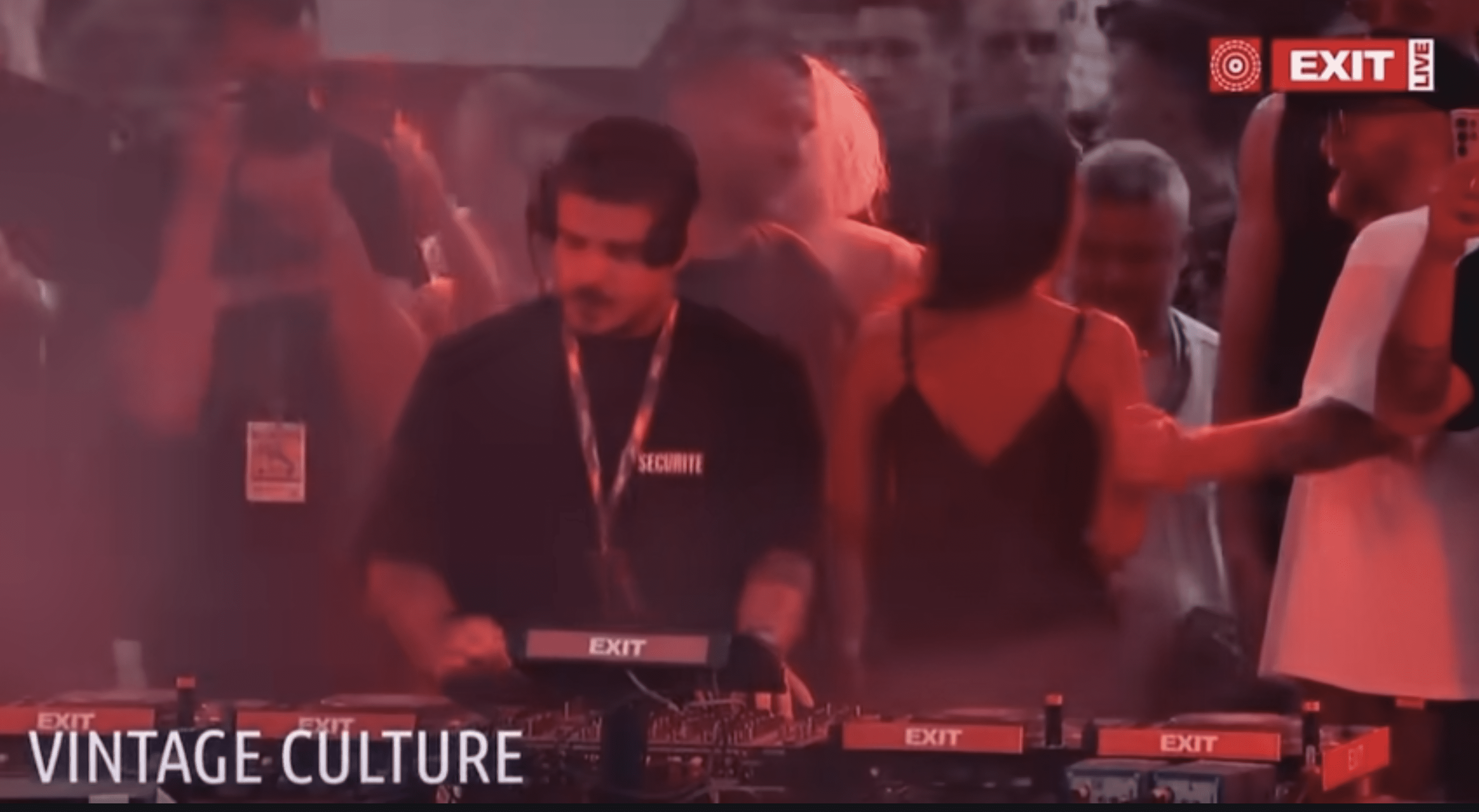
What separates Disco Lines from a crowded EDM field is not technical virtuosity, plenty of DJs have that, but tone. His sets are intentionally loose. He talks to the crowd. He laughs. He embraces mistakes. The energy feels closer to a house party than a corporate festival slot. That authenticity is not accidental.
“I just want people to feel good and forget about whatever they’ve got going on for an hour,” Disco Lines has said in interviews discussing his approach to live shows.
In a genre often dominated by rigid setlists and pre-programmed moments, that attitude resonates — especially with younger audiences burned out on polish and perfection.
Viral Momentum Without the Industry Machine
Disco Lines’ growth mirrors a larger shift in electronic music: the decline of gatekeepers. He didn’t need radio play or EDM blogs to break through. TikTok, Instagram, and word-of-mouth did the heavy lifting. Clips of packed rooms, singalong moments, and euphoric drops helped turn him into a touring draw. Soon, club dates turned into theater shows. Theater shows turned into festival bookings. His name began appearing on lineups alongside far more established acts without losing the DIY edge that made him appealing in the first place.
Sound That Prioritizes Feeling Over Trends
Musically, Disco Lines sits at the intersection of house, dance-pop, and feel-good EDM. His tracks are structured for maximum emotional payoff, clean builds, catchy vocal hooks, and drops that invite collective release rather than aggressive chaos. It’s not groundbreaking in a technical sense. That’s the point. His music succeeds because it understands the audience. It’s built for movement, connection, and repetition, the core elements that made dance music matter long before streaming metrics and algorithmic playlists.
Why Disco Lines Matters Right Now
Disco Lines represents a quiet correction in EDM culture. As festivals grow bigger and production gets flashier, his rise suggests listeners still crave something simpler: a DJ who looks like they’re having as much fun as the crowd. He’s not positioned as a savior of the genre or a revolutionary innovator. Instead, he’s a reminder that dance music doesn’t need to be complicated to be meaningful, it just needs to make people feel something together, in the same space, at the same time.
That may not sound radical. In today’s EDM landscape, it absolutely is.
















































Want to join the conversation?
Create an account or sign in to share your thoughts, vote,
and reply to other readers.
Showing 0 of 0 comments
Don't have an account?
Already have an account?