
The State Reconsiders Recreational Marijuana Legalization as Voters Prepare for Another Historic Cannabis Vote
Nearly a decade after Massachusetts voters approved recreational marijuana, the Commonwealth is preparing for what could become one of the most significant cannabis votes in American history. This fall, Massachusetts voters may decide whether to effectively dismantle the state’s adult-use marijuana industry while leaving its medical marijuana program intact. If approved, the measure would repeal the laws governing the commercial cultivation, sale, taxation, and home cultivation of recreational cannabis, making Massachusetts the first state in the modern legalization era to reverse recreational marijuana legalization after it had already been implemented.
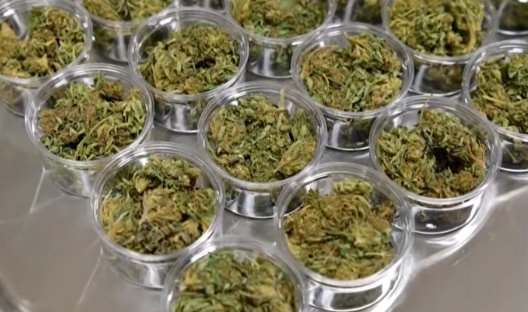
The proposal would still allow adults over 21 to possess limited amounts of cannabis, but licensed dispensaries, commercial growers, and the regulated recreational marketplace would disappear. The initiative recently cleared a major legal hurdle after the state’s highest court ruled it could remain on the November ballot, setting up what promises to be one of the nation’s most closely watched marijuana elections.
Those Against Recreational Have a List of Unintended Consequences
Supporters of the repeal argue that legalization has produced unintended consequences that lawmakers and voters did not fully anticipate back in 2016. They point to concerns about youth access, impaired driving, increasing THC potency, accidental poisonings involving children and pets, and what they believe has become an overly commercialized cannabis industry. The coalition behind the ballot question says the state expanded marijuana legalization too quickly and believes it is time to scale back recreational sales while preserving access for legitimate medical patients.
Opponents strongly disagree, arguing that shutting down the regulated industry would simply drive consumers back to the black market while eliminating thousands of jobs, hundreds of licensed businesses, and significant tax revenue generated by legal cannabis sales. They also contend that legal dispensaries provide lab-tested products that are considerably safer than unregulated marijuana sold illegally.
The History of Marijuana Policy in Massachusetts
Massachusetts has played a pivotal role in the evolution of marijuana policy for decades. Like nearly every other state, cannabis was prohibited throughout much of the twentieth century following federal restrictions established during the 1930s and later reinforced by the Controlled Substances Act of 1970. Public attitudes slowly began shifting in the early 2000s as medical marijuana gained wider acceptance across the country. In 2008, Massachusetts voters approved a ballot initiative decriminalizing possession of one ounce or less of marijuana, replacing criminal penalties with a civil fine. That vote marked one of the earliest signs that residents were ready to rethink decades of prohibition.
Momentum continued to build, and in 2012 Massachusetts voters legalized medical marijuana through another statewide ballot initiative. Qualified patients suffering from serious illnesses gained access to cannabis through a regulated dispensary system, and the program steadily expanded over the following years. Then came the watershed election of 2016, when voters approved Question 4 with approximately 54% support, making Massachusetts the first state on the East Coast to legalize recreational marijuana for adults 21 and older.
Retail sales officially began in late 2018, creating one of the largest legal cannabis markets in the northeastern United States. Since then, hundreds of dispensaries have opened across the state, billions of dollars in legal cannabis have been sold, and state and local governments have collected substantial tax revenues that supporters say have benefited public programs and municipal budgets.
Weedheads Shouldn’t Cry So Much… You Can Still Smoke Your Pot
The current ballot proposal is unusual because it does not seek to recriminalize marijuana possession outright. Instead, it focuses almost entirely on eliminating the commercial recreational marketplace. Adults would still be allowed to possess limited quantities of cannabis, and medical marijuana would remain legal for qualified patients. However, recreational dispensaries would close, home cultivation rights would largely disappear, and the extensive regulatory system created over the past several years would be dismantled. The proposal represents a middle ground between full prohibition and the current commercial model, although critics argue that limiting legal access would inevitably strengthen illicit cannabis sales.
The Massachusetts vote is also being watched nationally because it reflects a broader shift in the marijuana debate. For nearly fifteen years, legalization efforts consistently expanded across the United States as more states approved either medical or recreational cannabis. Recently, however, some states have begun reconsidering aspects of legalization, tightening regulations, or debating whether commercial marijuana has expanded beyond what voters originally intended. Massachusetts now finds itself at the center of that national conversation. Whether voters choose to preserve the existing system or significantly scale it back could influence future marijuana policy debates in states across the country.
***Editor’s Note***
Regardless of the outcome of this upcoming vote, the ballot question demonstrates that marijuana legalization is no longer simply about whether cannabis should be legal or not. The debate has shifted toward how marijuana should be regulated, how powerful the commercial industry should become, what public health safeguards should exist, and whether states have struck the right balance between personal freedom and public safety.
It seems like they are not trying to take marijuana away. They just realized that recreational use and sales create too many headaches for the state. So they are just going to scale it back a bit. Is that really that horrible? I guess the upcoming vote and how it goes will speak very loudly. And the whole country should be listening, because this vote could create a domino effect of other states looking to reconsider their legislation as well.
















































Want to join the conversation?
Create an account or sign in to share your thoughts, vote,
and reply to other readers.
Showing 1 of 1 comment
Don't have an account?
Already have an account?