
How a Convenience Store-Inspired Sneaker Turned Into a Major Trademark Battle
Nike is no stranger to lawsuits. In fact, the athletic apparel giant has spent decades aggressively protecting its own intellectual property, often taking counterfeiters, resellers, and even other footwear companies to court over trademarks and design patents. This time, however, the Swoosh finds itself on the opposite side of the courtroom after convenience store giant 7-Eleven filed a federal trademark infringement lawsuit over Nike’s upcoming Air Max 95 “Big Bubble” sneaker. What many sneakerheads initially viewed as a fun homage to one of the world’s most recognizable convenience store chains has quickly evolved into one of the year’s most interesting intellectual property disputes.
What is This Lawsuit All About?
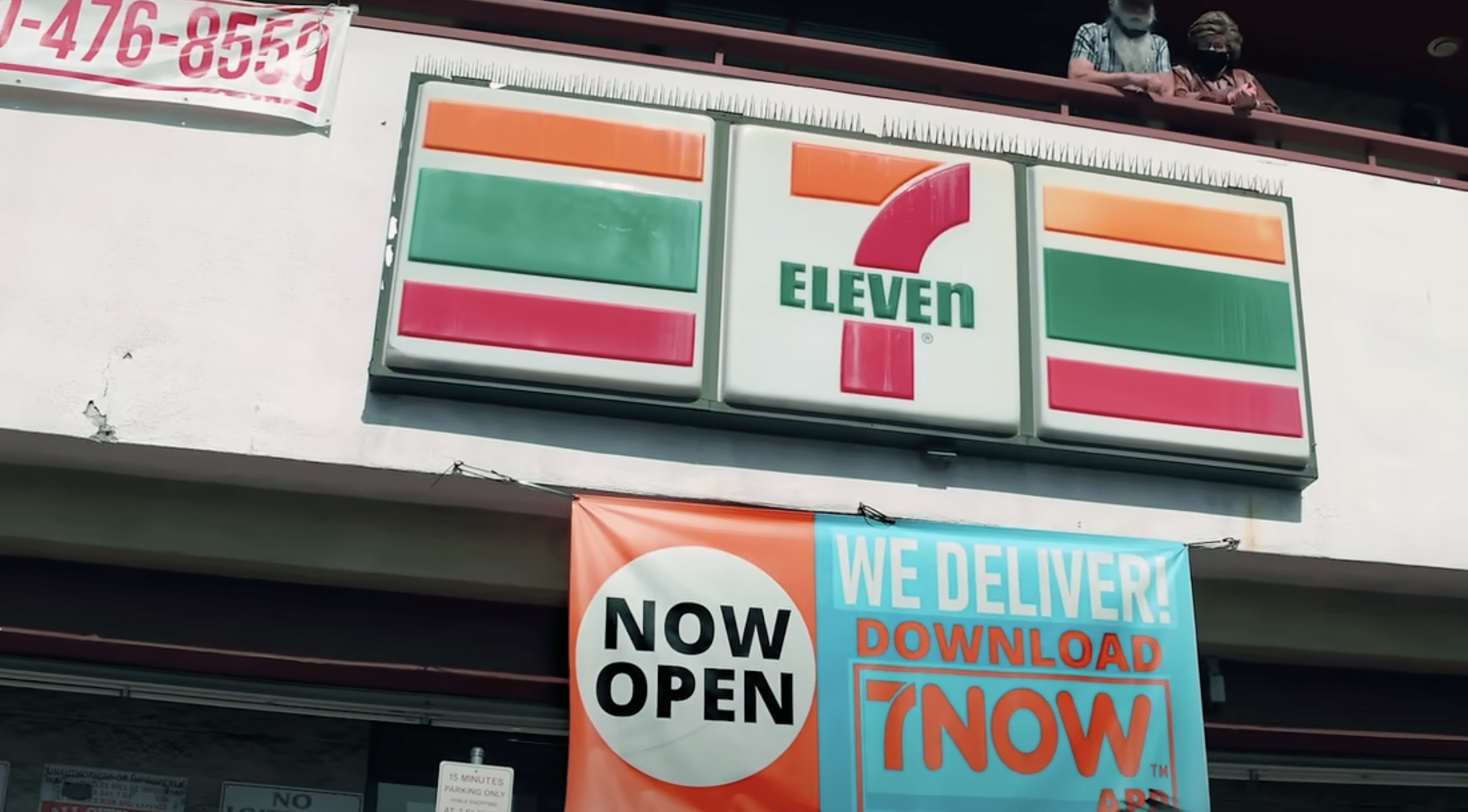
The controversy centers around Nike’s upcoming Air Max 95 colorway, unofficially dubbed the “7-Eleven” edition by sneaker enthusiasts. The shoe features a striking combination of bright green, orange, and red—the same trio of colors that have represented 7-Eleven’s brand identity for decades. While color combinations alone are not always enough to establish trademark infringement, 7-Eleven argues that Nike didn’t stop there. According to the lawsuit filed in the U.S. District Court for the Northern District of Texas, Nike intentionally designed the sneaker to evoke the convenience store chain and capitalize on its instantly recognizable branding.
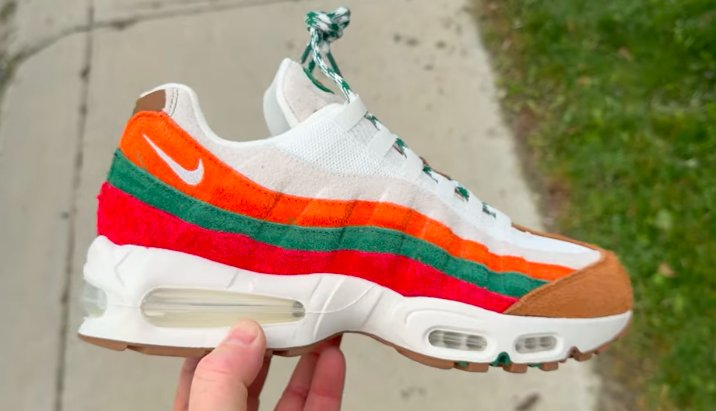
What pushed the situation over the edge was the timing and marketing surrounding the sneaker. Nike planned to release the Air Max 95 on July 11 (better known nationwide as “7-Eleven Day” or simply “7/11”), the company’s biggest promotional day of the year, when participating stores traditionally give away free Slurpees. The lawsuit also alleges that Nike incorporated subtle design cues resembling convenience store shelving into the insoles while promotional material referenced stopping at the “corner store,” details that 7-Eleven believes were deliberate attempts to strengthen the public’s association between the shoe and its brand.
Ironically, this legal battle comes after the two companies nearly worked together several years ago. Around 2020, Nike and 7-Eleven reportedly explored an official sneaker collaboration, but those plans were ultimately scrapped during the COVID-19 pandemic. Because of that history, many sneaker collectors naturally assumed this latest Air Max 95 was finally that long-awaited collaboration, even though Nike never officially branded it as such. That widespread public assumption is exactly what 7-Eleven says proves its case that consumers are being confused into believing the shoe is endorsed by or affiliated with the convenience chain.
In its complaint, 7-Eleven accuses Nike of acting with “callous and malicious disregard” for its trademark rights. The company says it repeatedly attempted to resolve the matter privately before filing suit but claims Nike continued marketing the sneaker and planned to move forward with its release anyway. As a result, 7-Eleven is asking the court for a permanent injunction preventing Nike from selling or advertising the sneaker, a recall of any products already distributed, destruction of marketing materials, monetary damages, legal fees, and potentially the profits Nike earns from the shoe if it ultimately reaches consumers.
What Does Nike Have to Say in Its Defense?
From Nike’s perspective, the company has remained largely silent. As of now, Nike has not publicly responded in court filings or issued an official statement explaining its design choices. However, one noticeable development has fueled speculation. Shortly after news of the lawsuit became public, the Air Max 95 disappeared from Nike’s SNKRS app, suggesting the company may be reassessing its release strategy while the legal proceedings unfold. That removal has also caused resale interest to skyrocket, with collectors anticipating that the sneaker could become significantly more valuable if production is delayed or canceled altogether.
Legally, the case will likely hinge on one key question: would the average consumer reasonably believe the sneaker is connected to 7-Eleven? Trademark law exists not simply to protect logos and colors but to prevent consumer confusion regarding sponsorship, endorsement, or affiliation. 7-Eleven argues that the combination of the signature tri-color palette, the July 11 release date, the convenience-store-inspired graphics, and the marketing language all work together to create that confusion. Nike, should it choose to defend the case publicly, will likely argue that the design represents artistic inspiration rather than trademark infringement and that colors alone should not grant one company exclusive rights over an entire aesthetic.
Branding and Intellectual Property Laws Matter
The lawsuit also serves as another reminder that even the world’s largest corporations must navigate the increasingly complicated world of branding and intellectual property. Companies spend billions building recognizable visual identities, and courts have become more willing over the years to recognize color schemes, packaging, and trade dress as protectable trademarks when consumers closely associate them with a specific brand.
For now, the case remains in its early stages. No judge has ruled on the merits of 7-Eleven’s claims, and Nike has yet to formally present its defense. Until that happens, the future of the Air Max 95 “7-Eleven” remains uncertain. Whether the sneaker ultimately reaches store shelves, receives a redesign, or disappears entirely may depend on how convincingly each side can argue whether inspiration crossed the legal line into infringement.
*****Editor’s Note*****
IN my opinion, Nike knows exactly what it is doing. They can play games and act ignorant. They have whole legal departments that go over all of these possible situations. Regardless of the outcome, the dispute has already become one of the sneaker industry’s biggest stories of 2026. It highlights just how valuable branding has become in modern business and how something as simple as a familiar combination of green, orange, and red can ignite a multimillion-dollar legal fight between two global corporate giants.













































Want to join the conversation?
Create an account or sign in to share your thoughts, vote,
and reply to other readers.
Showing 0 of 0 comments
Don't have an account?
Already have an account?