
Nashville Zoo Data Center Fight
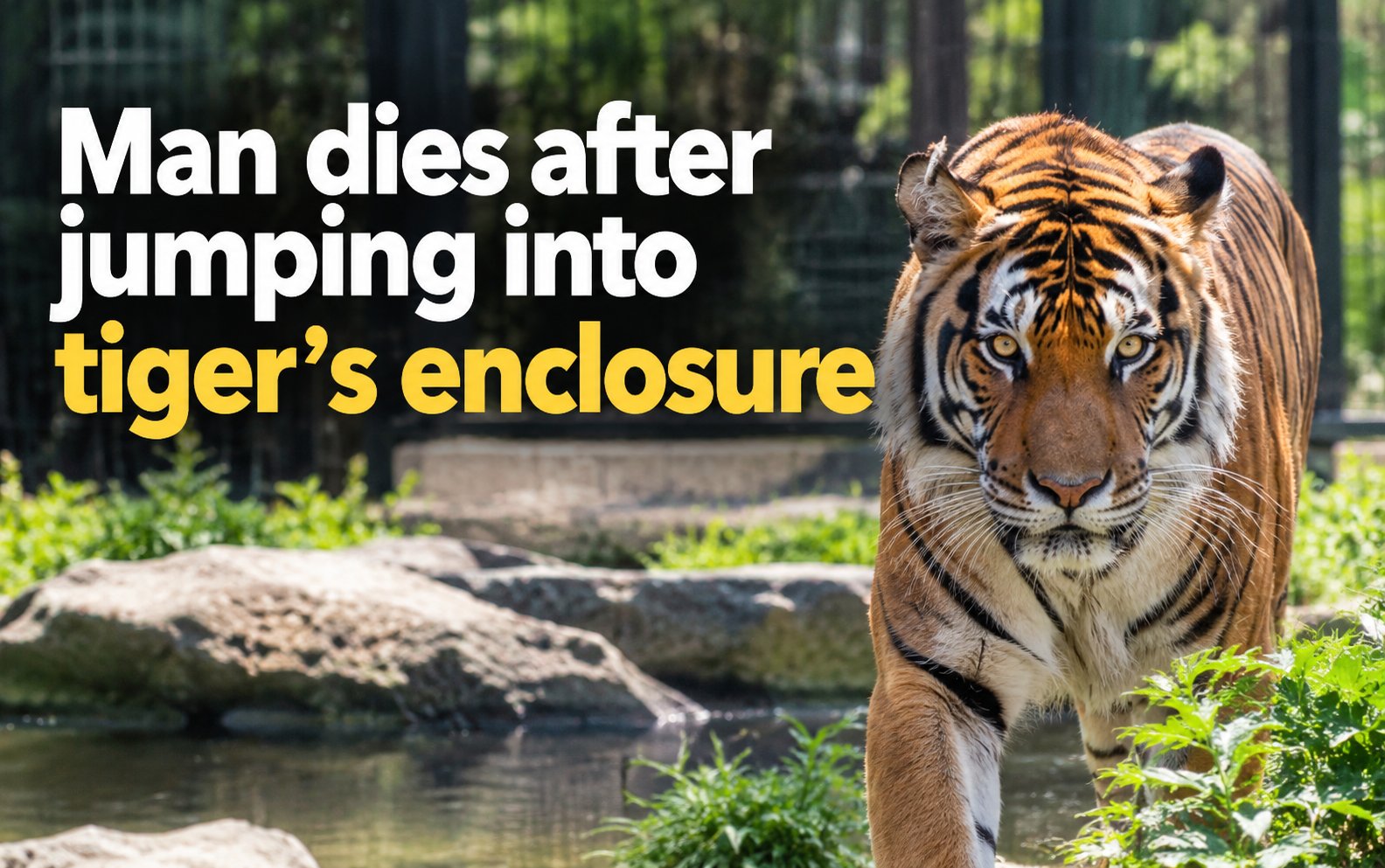
The Nashville Zoo is mounting a public campaign against a proposed artificial intelligence data center that developers want to build directly adjacent to the zoo’s property, warning that the project could pose serious risks to thousands of animals, including some of the world’s rarest and most endangered species.
The controversy centers on a proposed 69,220 square foot data center planned for a parcel of land next to the zoo’s parking lot in South Nashville. The project, proposed by data center company DC BLOX, would require the demolition of existing structures before construction could begin.
Zoo officials have taken an unusually strong stance against the development, describing themselves as “vehemently opposed” to the facility and launching a public petition aimed at stopping the project. “The next one could be located just feet away from one of the most fragile and rare collections of animals in the country unless Nashville Zoo supporters and city leaders intervene.” The dispute highlights a growing national conflict between the rapid expansion of AI infrastructure and concerns about environmental impacts on local communities and wildlife.
Concerns Over Noise, Light, and Animal Welfare
Nashville Zoo officials say the proposed facility could expose animals to constant industrial noise, increased lighting, heavy construction activity, and other disruptions that may negatively affect animal behavior and welfare. The zoo houses approximately 3,000 animals representing hundreds of species, including endangered animals involved in conservation and breeding programs.
Conservation experts have long noted that many species are highly sensitive to environmental changes. Persistent noise pollution can interfere with communication, feeding patterns, reproduction, and stress levels among wildlife. Artificial lighting can also disrupt natural day night cycles that many animals rely on for healthy behavior. Zoo leaders argue that placing a major AI focused data center directly next to animal habitats creates unnecessary risks for species that are already vulnerable.
AI Boom Driving Data Center Expansion
The proposed project comes amid an unprecedented surge in data center construction across the United States as technology companies race to build the computing infrastructure needed to power artificial intelligence systems.
Data centers serve as the backbone of AI operations, housing thousands of servers that process and store enormous amounts of information. Demand has skyrocketed as businesses increasingly adopt AI tools for everything from customer service to advanced data analysis.
While supporters argue that these facilities create jobs and strengthen digital infrastructure, critics point to concerns involving energy consumption, water use, noise, land development, and environmental impacts. According to local reports, Nashville already has dozens of data centers operating throughout the metropolitan area, and city leaders are considering new regulations governing where future facilities can be built.
Community Opposition Growing
The Nashville Zoo is not alone in its opposition. Residents living near the proposed site have also expressed concerns about the project’s impact on quality of life, resource consumption, and environmental sustainability.
The zoo’s petition has attracted significant public support, gathering thousands of signatures from residents and animal advocates who fear the project could compromise one of Tennessee’s most popular conservation attractions. The battle may become a test case for how cities balance the growing demand for AI infrastructure with environmental stewardship and wildlife protection.
As artificial intelligence drives a nationwide construction boom for data centers, Nashville’s debate illustrates a broader question facing communities across America: where should the digital infrastructure of the future be built, and what costs are acceptable when that infrastructure moves next door to sensitive ecosystems?











































Want to join the conversation?
Create an account or sign in to share your thoughts, vote,
and reply to other readers.
Showing 0 of 0 comments
Don't have an account?
Already have an account?