
Katt Williams Turns Farm Life Into a Brutal Comedy Lesson About America, Labor and Reinvention
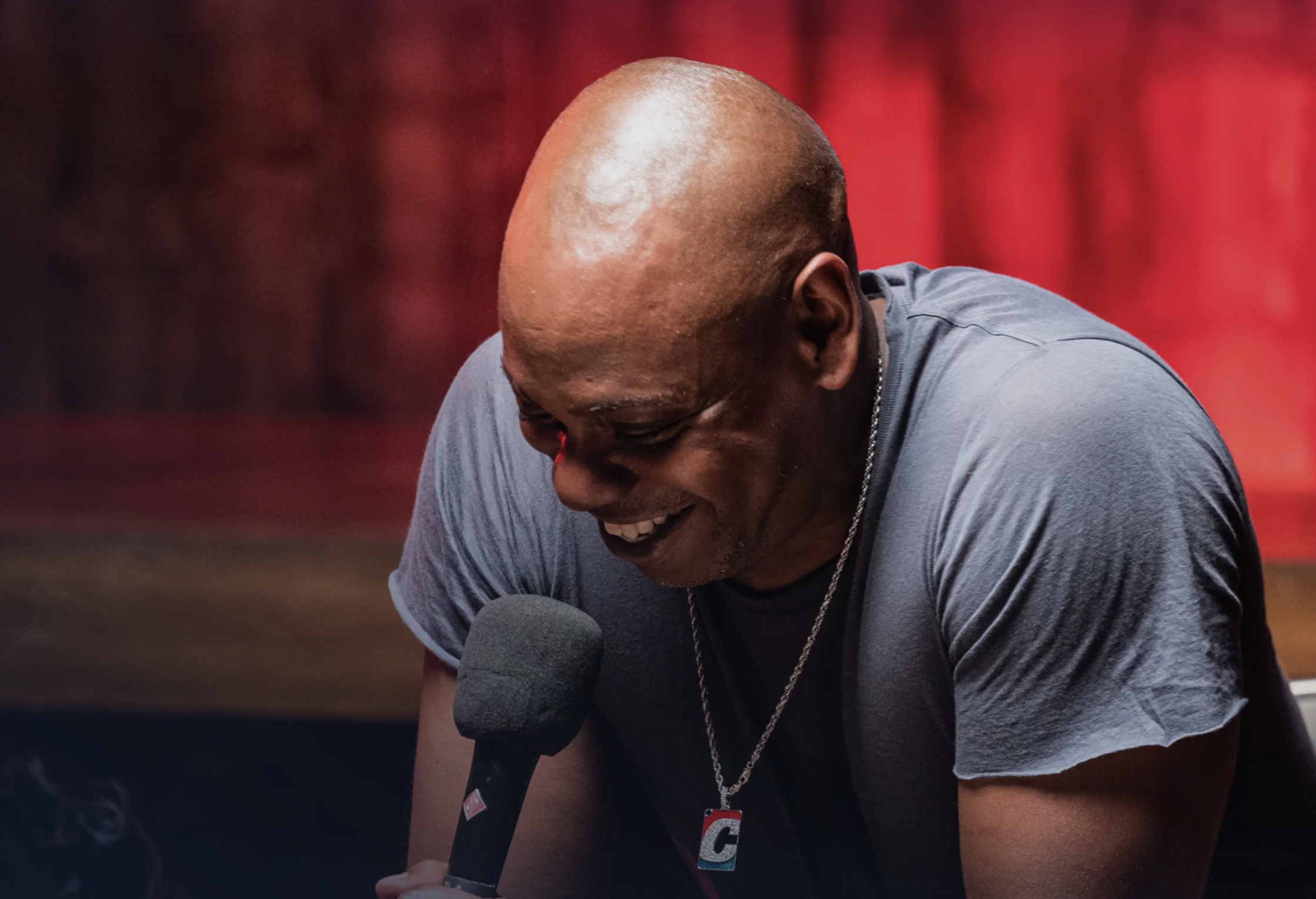
Katt Williams has built a career by finding uncomfortable truths hiding inside ordinary situations, then pushing them far enough that audiences have no choice but to laugh at the absurdity. In a stand up routine circulating under the title “Katt Williams: Farm Life Is REAL Gangster!,” the veteran comedian turns his experience buying a farm into something much larger, a sprawling commentary on American agriculture, immigration, race, mental health, celebrity culture and the strange power of simply changing the way something is presented. It begins with Williams discovering that living off the land is considerably harder than it looks. What follows is classic Katt Williams, an apparently ridiculous story that gradually becomes social commentary.
Katt Williams Tried Going “Off the Grid” Then Discovered He Likes the Grid
Williams begins by giving farmers something they rarely receive from celebrity culture: respect. After experiencing farm life himself, Williams portrays American farmers as essential workers whose jobs are dramatically more difficult than outsiders realize. His education came after buying roughly 100 acres and attempting to embrace the romantic idea of living “off the grid.” That dream apparently did not survive contact with reality. Williams jokes that once he actually experienced what being disconnected from modern infrastructure meant, he quickly discovered that he needed the grid after all. It is a simple joke, but underneath it is a recognizable American fantasy. People routinely romanticize self sufficient rural living without considering the enormous amount of labor, infrastructure and expertise required to actually produce food. Williams apparently learned that lesson firsthand.
The Farm Animals Became His Friends
His agricultural experiment became even more complicated when Williams attempted to stock the property. According to the routine, he purchased around 100 of practically every edible farm animal he could think of, including chickens, turkeys, ducks, rabbits, cows and pigs. There was just one problem: he couldn’t bring himself to kill them. After years on the farm, Williams jokes that he still hasn’t slaughtered a single animal because they stopped looking like food and started becoming individual animals with personalities and names. The result is one of the funniest contradictions in the routine. Williams owns a farm full of potential food while ordering commercially prepared food to the property. Instead of living entirely off the land, the supposedly self sufficient farmer is effectively feeding and caring for a giant collection of animals while modern food delivery brings dinner. The premise works because it exposes the enormous psychological distance between buying meat in a restaurant and actually raising the animal that becomes the meal.
Then the Joke Turns Toward America’s Agricultural Workforce
The routine eventually shifts from Williams’ personal inability to run a self sufficient farm toward a much larger issue: Who actually performs the backbreaking agricultural labor necessary to keep America fed? That’s where the comedy becomes considerably more political. Williams argues that Americans ultimately need one another despite the country’s seemingly endless racial, political and cultural divisions. Agriculture becomes his vehicle for making the point. Someone has to plant, harvest, process and move America’s food, and Williams turns that reality into a deliberately provocative racial joke about the history of agricultural labor in the United States.
Black Americans, he jokes, already have “400 years of credit” when it comes to working in the fields, an obvious reference to slavery and the generations of agricultural exploitation that followed emancipation. Then he turns toward America’s white population. In Williams’ fictional redistribution of agricultural responsibility, it is now their turn. His solution includes sunscreen, short shifts and plenty of encouragement from everybody else. The joke escalates as Williams imagines Black and Hispanic Americans cheering white agricultural workers through the fields with motivational chants. It is outrageous by design, but underneath the racial comedy is a legitimate economic question that has become increasingly important in American politics. Who performs America’s agricultural labor when the country restricts or disrupts the immigrant workforce that has become deeply embedded in the food-production system?
The Immigration Debate Looks Different From a Farm
Agricultural labor has long occupied an uncomfortable position in American immigration politics. Politicians can promise aggressive immigration enforcement from a podium, but the economics become more complicated when those policies collide with industries that rely heavily on immigrant labor. The U.S. Department of Agriculture has repeatedly documented the significant role foreign-born workers play in American agriculture, particularly in labor intensive crop production. That creates a tension that Williams turns into comedy. Americans want inexpensive and readily available food, but they also want secure borders, higher wages, safe working conditions and an immigration system that follows the law. Achieving all of those objectives simultaneously is considerably harder than reducing the issue to a political slogan. Williams’ joke effectively asks what happens after the rhetoric ends. The crops still have to be picked.
Katt Williams’ Larger Message Is About American Interdependence
The more interesting part of the routine is that Williams doesn’t ultimately frame the issue as one racial group against another. He argues the opposite: Americans need each other. That message cuts against a political and media environment frequently built around identifying which demographic group should be blamed for the country’s problems. Williams uses exaggerated racial stereotypes to arrive at an unexpectedly unifying conclusion. Different communities have different histories and experiences, but the country still functions because millions of people depend on one another.
Farmers depend on workers, cities depend on farms, businesses depend on customers, and consumers depend on supply chains populated by people they will probably never meet. America may argue constantly about identity, immigration and politics, but everybody still expects the grocery store shelves to be stocked tomorrow morning. Williams’ comedy strips away some of the abstraction surrounding those debates by bringing the conversation back to something basic: food does not magically appear at the supermarket. Somebody has to do the work.
Williams Pivots From Politics to Mental Health
Williams then takes another sharp turn, moving from agriculture and race into the way people talk to themselves. His argument is simple: Be careful what you repeatedly tell yourself. Williams jokes that the brain doesn’t necessarily understand when a person is joking, meaning constantly describing yourself as stupid, sick, ugly, unsuccessful or incapable can eventually influence how you think about yourself. The comedian’s solution is characteristically extreme. Instead of insulting himself, he lies to himself positively. Williams jokes about standing in front of a mirror and convincing himself that he has somehow grown taller and now looks 5 foot 11. The exaggeration gets the laugh, but the underlying point is about confidence. If people are going to repeat narratives about themselves every day, Williams suggests they might as well choose narratives that help them.
Britney Spears, Wendy Williams and Lil Nas X Enter the Conversation
Williams then uses celebrity culture as another avenue for discussing behavior, perception and mental health. Britney Spears becomes part of the routine through Williams’ recollection of supporting the “Free Britney” movement during the battle over her conservatorship. Williams jokes that after seeing some of Spears’ post conservatorship social media videos, he began questioning his previous certainty. It’s intentionally provocative comedy built around the disconnect between public campaigns surrounding celebrities and the complicated realities of people audiences know almost entirely through media. Williams also takes shots at Wendy Williams and Lil Nas X, using both celebrities as vehicles for jokes about rumors, public presentation and what society interprets as unusual behavior. The broader theme remains remarkably consistent despite the rapid subject changes: What people see isn’t always the entire story.
And Somehow, It All Ends With Paprika
Then Williams gets to paprika. It sounds completely disconnected from everything that came before it, but it isn’t. Williams asks the audience to consider whether they have ever encountered a mysterious paprika plant growing somewhere in nature. The punchline is that paprika is not some exotic species of plant. The spice is generally produced from dried and ground varieties of Capsicum annuum peppers, with different peppers and production methods producing sweet, hot or smoked varieties. Williams simplifies the concept into a joke about an ordinary pepper receiving a better name. Suddenly paprika becomes a metaphor: take something ordinary, change its presentation, give it a new identity, and people perceive it differently.
The Paprika Joke Is Really About Reinvention
That’s ultimately where Williams’ seemingly disconnected routine comes together. Farm animals, agricultural workers, race, mental health, celebrities and paprika all revolve around versions of the same question: How much of life is determined by the story attached to something? Williams’ farm was supposed to represent independence until he discovered how difficult independence actually was. Animals were supposed to be food until they acquired names and personalities. Agricultural labor becomes politically invisible until someone asks who will actually perform it. Negative self talk becomes damaging when people repeatedly turn jokes about themselves into identities. And an ordinary pepper suddenly sounds exotic when somebody calls the finished product paprika.
Williams argues that people can apply the same principle to themselves. Change the habits, change the presentation and change the story. Sometimes changing direction begins with changing what you believe is possible. Beneath the absurdity, the paprika joke becomes one of the routine’s clearest observations about reinvention: the way something is defined can dramatically influence the way people perceive its value.
Katt Williams Does What Katt Williams Does Best
That is what separates Williams from comedians who simply move from punchline to punchline. His routines frequently operate like chaotic social essays. He can begin with livestock, jump into slavery, immigration, agricultural economics, Britney Spears and mental health, somehow arrive at paprika and still leave the audience with a recognizable argument about American life. The jokes are intentionally exaggerated, occasionally offensive and frequently absurd, but Williams’ underlying observation is difficult to dismiss.
Modern America is enormously interconnected. The person eating dinner in Miami depends on agricultural workers hundreds or thousands of miles away. The farmer depends on infrastructure, transportation networks, energy, technology and labor. Businesses depend on workers, and workers depend on functioning communities. Even a wealthy comedian with 100 acres and a farm full of animals eventually discovers that complete independence is mostly an illusion. Sometimes you need the grid. Sometimes you need the farmer. Sometimes the farmer needs the immigrant worker. And sometimes, apparently, you just need to rename a pepper. That is Katt Williams’ particular brand of comedy, start with something ridiculous, keep pulling on the thread, and eventually discover that the ridiculous thing might have been America all along.





































Want to join the conversation?
Create an account or sign in to share your thoughts, vote,
and reply to other readers.
Showing 0 of 0 comments
Don't have an account?
Already have an account?