
TikTok and YouTube Sports Viewership
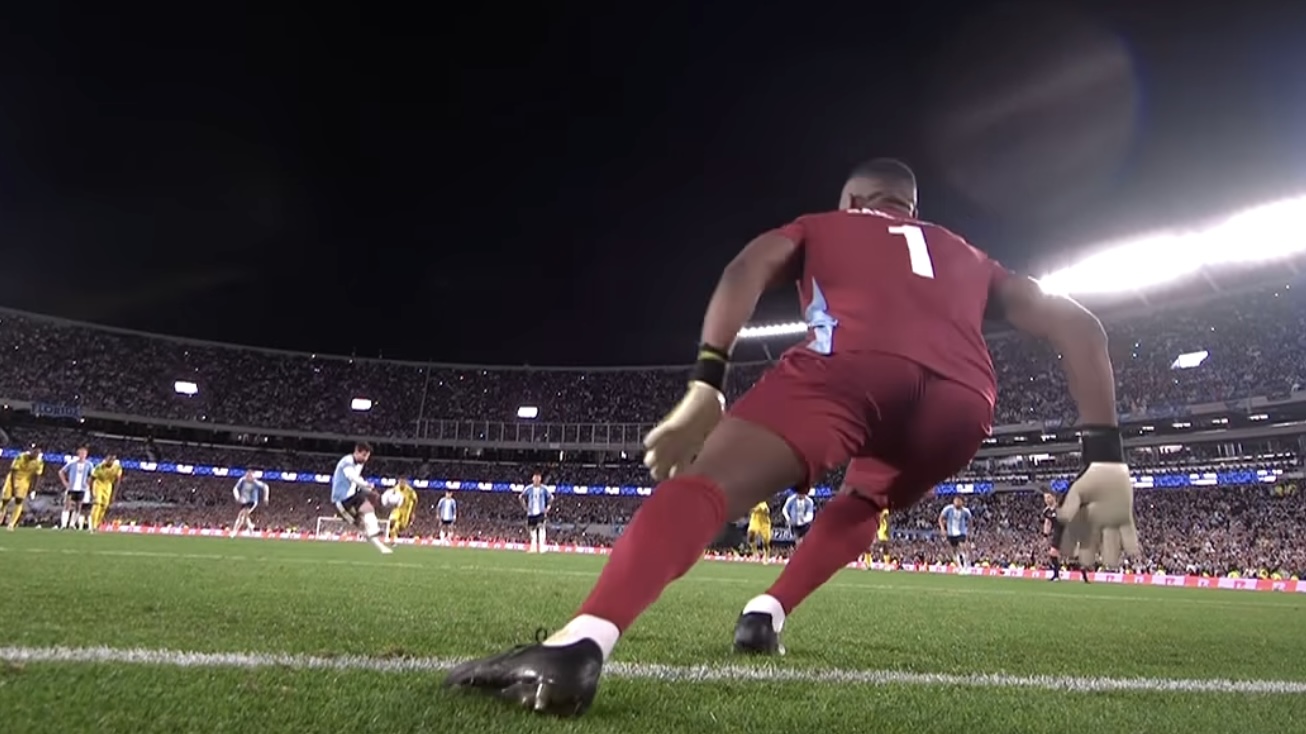
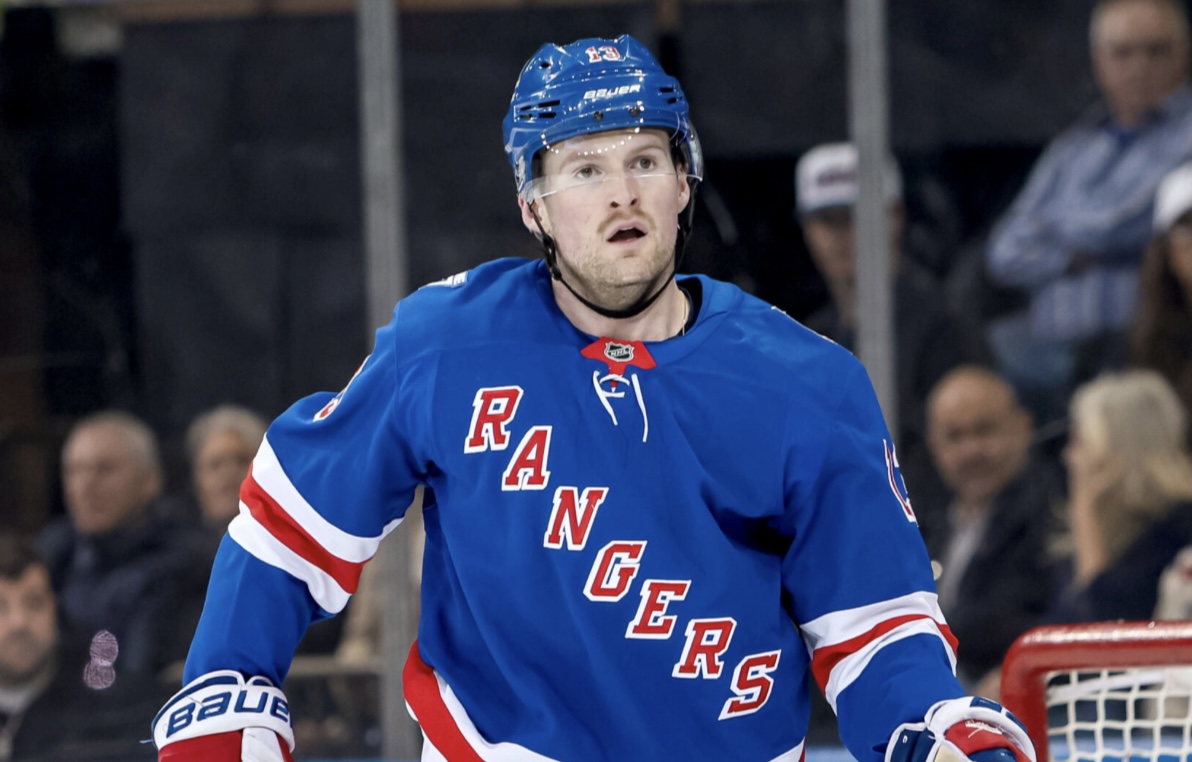
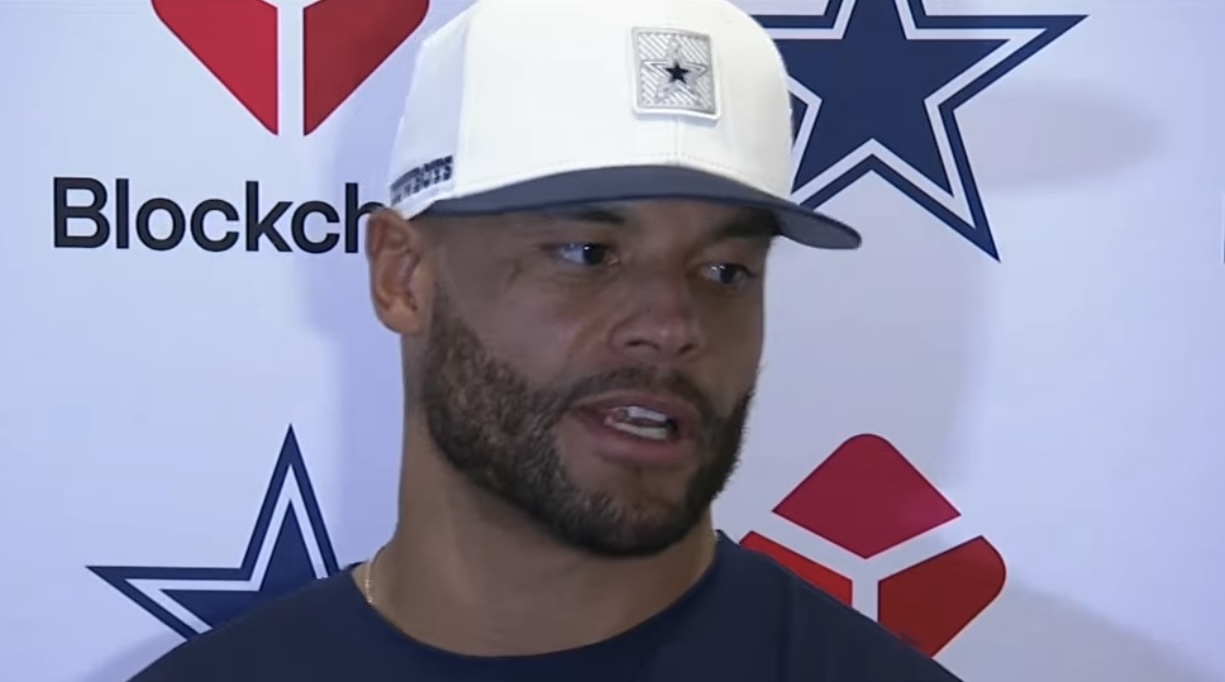
The future of sports fandom is no longer beginning on television. Instead, millions of younger viewers are discovering their favorite athletes, teams and leagues through TikTok, YouTube and other social media platforms before ever watching a live game.
While live sports continue to command record breaking media rights deals and strong television audiences, professional leagues and broadcasters are increasingly focused on how Generation Z and Generation Alpha consume content. Rather than sitting through an entire game, many younger fans first engage with sports through highlights, creator videos, behind-the-scenes content and short-form clips shared across social media. Sports organizations are recognizing that social media has become the new entry point for fandom.
A New Generation of Sports Fans
Younger audiences increasingly consume sports differently than previous generations. Instead of scheduling their day around a live broadcast, they often watch game winning moments, player reactions, interviews and analysis through short form videos that appear in their social media feeds.
This shift allows leagues to reach potential fans who may never have intentionally searched for a game but become interested after seeing viral content. Highlights can spread across multiple platforms within minutes, exposing teams and athletes to millions of viewers worldwide.
Live Sports Still Remain King
Despite changing viewing habits, live sporting events continue to be among the most valuable programming in media. Major broadcasters and streaming services continue investing billions of dollars in exclusive sports rights because live games consistently attract large audiences and premium advertisers. Sporting events remain one of the few types of programming that viewers prefer to watch in real time, making them especially valuable in today’s fragmented media landscape.
Social Media Is Becoming a Marketing Engine
Leagues increasingly view TikTok and YouTube not as competitors but as powerful marketing tools. Short form videos introduce new fans to teams, players and rivalries while encouraging deeper engagement through merchandise purchases, ticket sales and live broadcasts. Instead of replacing television, social platforms are expanding the sports ecosystem by creating additional ways for audiences to connect with their favorite teams. Many organizations have also embraced partnerships with digital creators whose personalities and storytelling styles resonate with younger audiences.
The Challenge of Turning Views Into Revenue
Although social media generates enormous engagement, monetizing those audiences remains one of the industry’s biggest challenges. Sports organizations are working to convert casual viewers into long-term fans who subscribe to streaming services, attend games, purchase merchandise and remain engaged throughout an entire season. The goal is to transform a viewer who watches a 30-second highlight into someone who regularly follows a team or league.
The Future of Sports Media
As viewing habits continue to evolve, sports media is becoming a blend of traditional broadcasts and digital-first content. Television remains the centerpiece for live competition, while TikTok and YouTube increasingly serve as discovery platforms that introduce sports to younger audiences.
Rather than replacing traditional broadcasts, social media is reshaping how fans find, follow and interact with sports. For leagues, broadcasters and advertisers, success will depend on connecting those viral moments with lasting fan engagement and sustainable business growth.























































Want to join the conversation?
Create an account or sign in to share your thoughts, vote,
and reply to other readers.
Showing 0 of 0 comments
Don't have an account?
Already have an account?