
FIFA World Cup Halftime Show
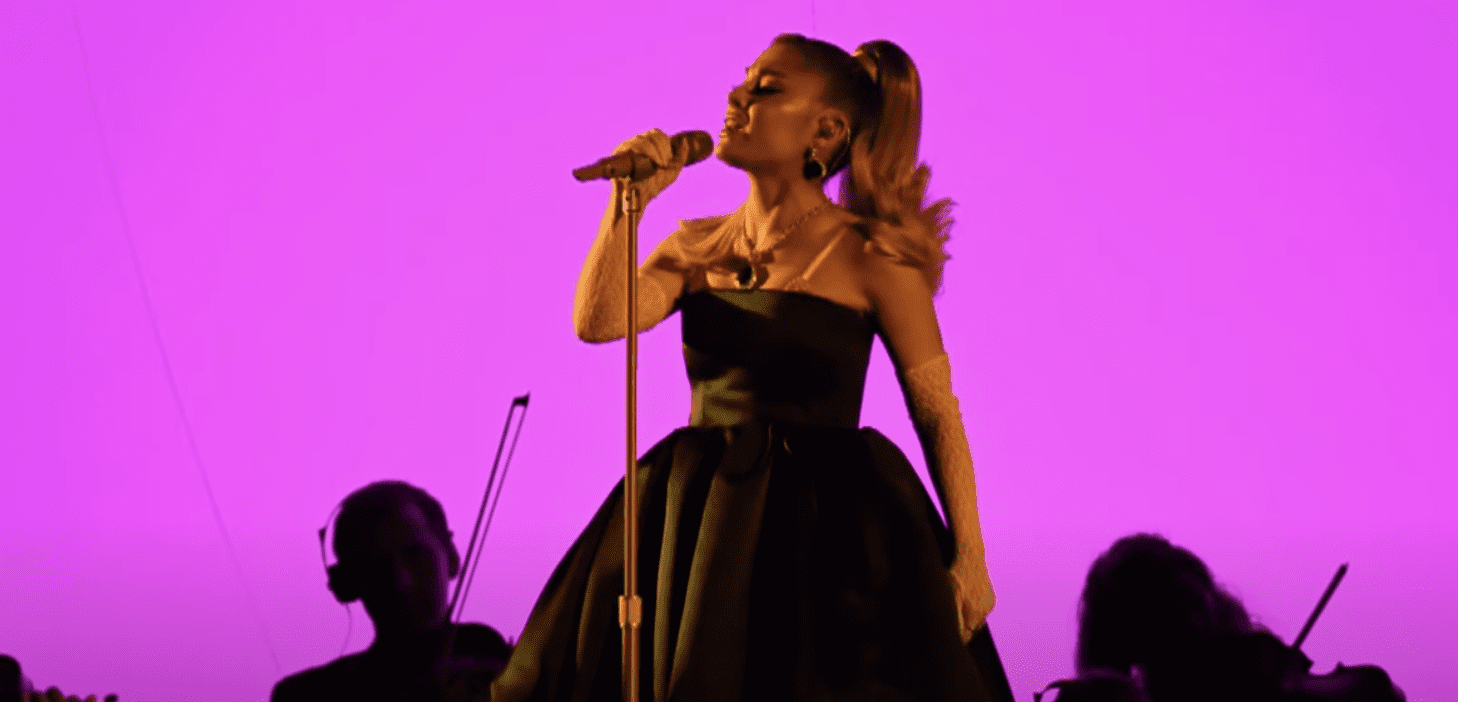
The inaugural FIFA World Cup Final halftime show made history on July 19 by bringing together some of the world’s biggest music stars. Justin Bieber, Shakira, Madonna, BTS, Burna Boy and several other performers took the stage during the championship match at MetLife Stadium in East Rutherford, New Jersey, entertaining a global audience of billions.
With a lineup featuring internationally recognized artists, many fans assumed the performers received multimillion-dollar paychecks. Instead, the reality was quite different.
The Performers Donated Their Time
Unlike many high profile concerts and private events where superstar artists can command enormous appearance fees, the musicians who participated in the World Cup Final halftime show performed without compensation.
The event was organized as a charitable initiative in partnership with Global Citizen and FIFA, with the goal of raising money for the FIFA Global Citizen Education Fund. Rather than paying the artists, organizers directed resources toward expanding educational opportunities and increasing access to youth sports programs around the world.
For artists such as Justin Bieber, Shakira, Madonna, Burna Boy and BTS, the performance represented an opportunity to support a global cause while participating in one of the largest live entertainment events ever staged.
A Fund Focused on Education
The FIFA Global Citizen Education Fund was created to improve educational access for children worldwide. Organizers have committed to raising $100 million to help fund schools, educational programs and youth development initiatives in communities that need them most.
FIFA also pledged that a portion of ticket revenue from the 2026 World Cup would support the initiative. By the time the tournament concluded, tens of millions of dollars had already been raised through donations and fundraising efforts connected to the event.
The Show Still Cost Millions to Produce
Although the performers volunteered their appearances, producing a halftime show on the scale of the World Cup Final was still an enormous undertaking.
The production required months of planning and included elaborate stage construction, advanced lighting systems, broadcast technology, sound engineering, choreography, security, transportation and hundreds of production staff working behind the scenes.
Global Citizen partnered with FIFA and entertainment companies to produce the show, while Coldplay frontman Chris Martin helped curate the musical lineup.
Following the Super Bowl Model
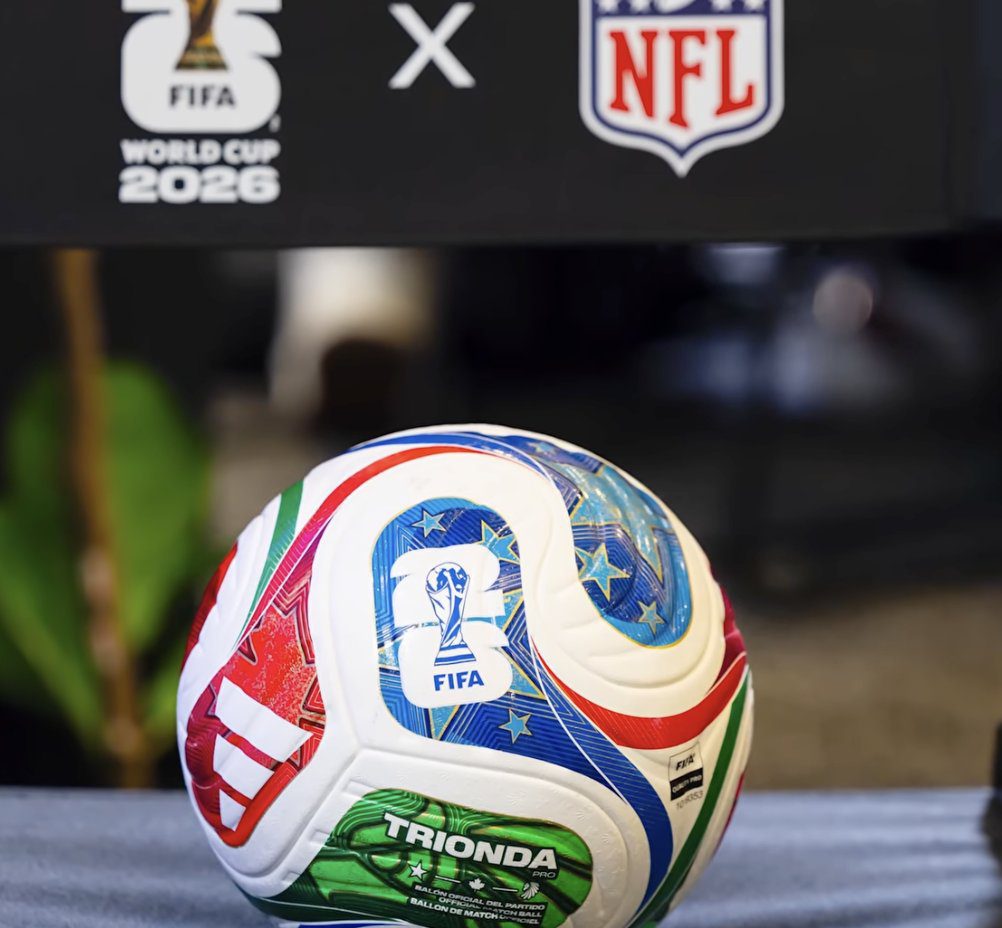
The World Cup halftime show followed a model familiar to American football fans.
For years, performers at the Super Bowl halftime show have not received an appearance fee from the NFL. Instead, artists benefit from worldwide exposure that often leads to increased music streaming, album sales, merchandise purchases and ticket sales for future tours.
The FIFA World Cup Final offered similar exposure on one of the largest stages in global sports. With billions of viewers tuning in from around the world, the performance provided artists with unparalleled international visibility while supporting a charitable mission.
A New Tradition for FIFA
The 2026 tournament marked the first time FIFA included a dedicated halftime entertainment show during the World Cup Final. Previous finals focused exclusively on pre-match ceremonies, but organizers embraced a new format designed to combine world-class football with a globally recognized musical performance.
The historic event featured an eclectic mix of artists spanning multiple generations and musical genres, highlighting FIFA’s effort to create an entertainment experience that resonated with audiences across continents.
Whether future World Cup finals continue the tradition remains to be seen, but the success of the inaugural halftime show has already established a new chapter in the tournament’s history.
The Bottom Line
While many viewers expected the world’s biggest entertainers to receive enormous paychecks, every headline performer appeared without compensation. Instead of collecting appearance fees, the artists chose to support a fundraising campaign dedicated to expanding educational opportunities for children around the world.
The result was a historic performance that blended entertainment with philanthropy, demonstrating that one of the world’s biggest sporting events can also serve as a platform for global charitable giving.







































Want to join the conversation?
Create an account or sign in to share your thoughts, vote,
and reply to other readers.
Showing 0 of 0 comments
Don't have an account?
Already have an account?