
Hurricane Lala Pummels Hawaii,
Hurricane Lala battered Hawaii over the weekend, unleashing torrential rain, powerful winds and catastrophic flooding across the islands while leaving hundreds of thousands of utility customers without electricity and damaging or destroying homes.
Lala, which strengthened into a Category 1 hurricane before passing south of Hawaii’s Big Island, was later downgraded to a tropical storm. Although the storm’s center did not make landfall, its strongest winds and enormous amounts of rainfall caused significant destruction across the state.
Homes Swept Away by Floodwaters
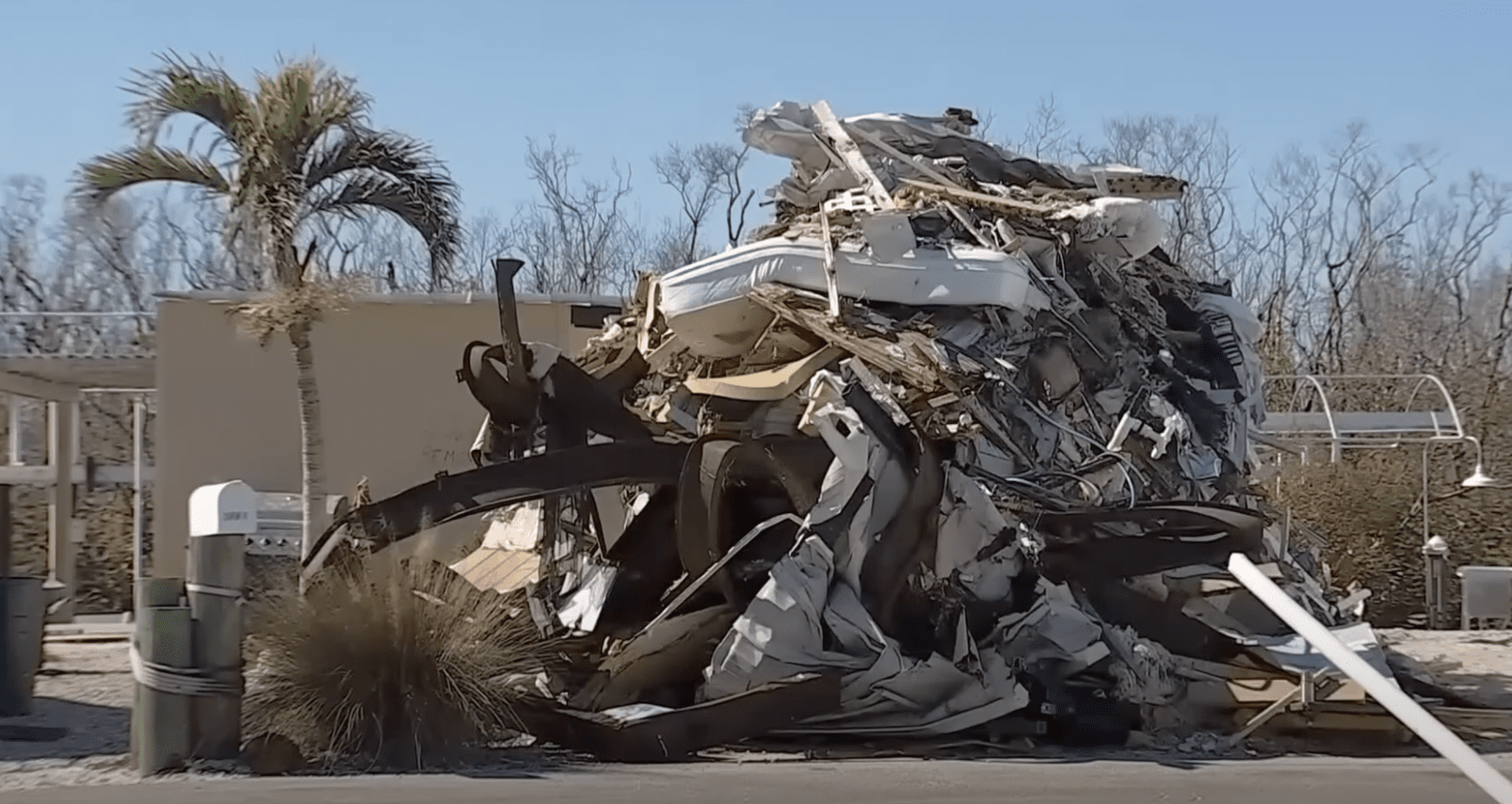
The Big Island suffered some of the most severe damage. Hawaii Gov. Josh Green said more than 100 homes in the southern portion of the island were damaged or destroyed, with some structures swept from their foundations by rapidly rising floodwaters.
Emergency crews conducted multiple water rescues as flooding overwhelmed roads and communities. In one particularly dramatic rescue, an elderly woman was pulled from a tree after floodwaters swept away her home, according to state officials.
The storm also damaged bridges and roads, leaving some communities difficult or impossible to reach. Officials warned that landslides remained a serious concern because of the enormous amount of rain that saturated the ground.
More Than 30 Inches of Rain
Lala delivered extraordinary rainfall totals across parts of Hawaii. Some locations on the Big Island received more than 30 inches of rain, while rainfall totals in several areas exceeded 35 inches. Laupahoehoe recorded more than 43 inches during a 48 hour period, according to weather reports.
Maui also experienced significant rainfall. One location recorded more than 23 inches, contributing to flooding and dangerous conditions across the island.
At the height of the storm, some areas experienced rainfall rates of several inches per hour. The National Weather Service issued flash flood emergencies as rapidly moving water threatened homes, roads and infrastructure.
Power Outages Spread Across the State
Lala also caused extensive damage to Hawaii’s electrical grid. More than 180,000 utility customers were without power at one point Sunday, with outages affecting Oahu, Maui and the Big Island.
By Monday, approximately 179,000 customers remained without electricity as crews continued dealing with downed trees, damaged power lines, flooding and blocked roads. Utility officials warned that restoration could take considerably longer in some of the hardest hit rural areas.
The widespread outages have complicated recovery efforts because crews have faced hazardous road conditions while attempting to reach damaged infrastructure.
Wind, Flooding and Dangerous Surf
Lala generated damaging winds throughout the islands. While the storm’s strongest winds were concentrated near the Big Island, gusts were recorded at lower elevations across the state, with significantly stronger winds measured at higher elevations.
A weather station near the summit of Mauna Kea recorded a wind gust of approximately 140 mph during the storm. Lower elevation locations experienced winds reaching roughly 70 to 80 mph.
The storm also produced dangerous ocean conditions. Large waves battered exposed coastlines, while powerful surf and rip currents created additional hazards for residents and visitors.
Tourists Stranded as Roads and Flights Were Disrupted
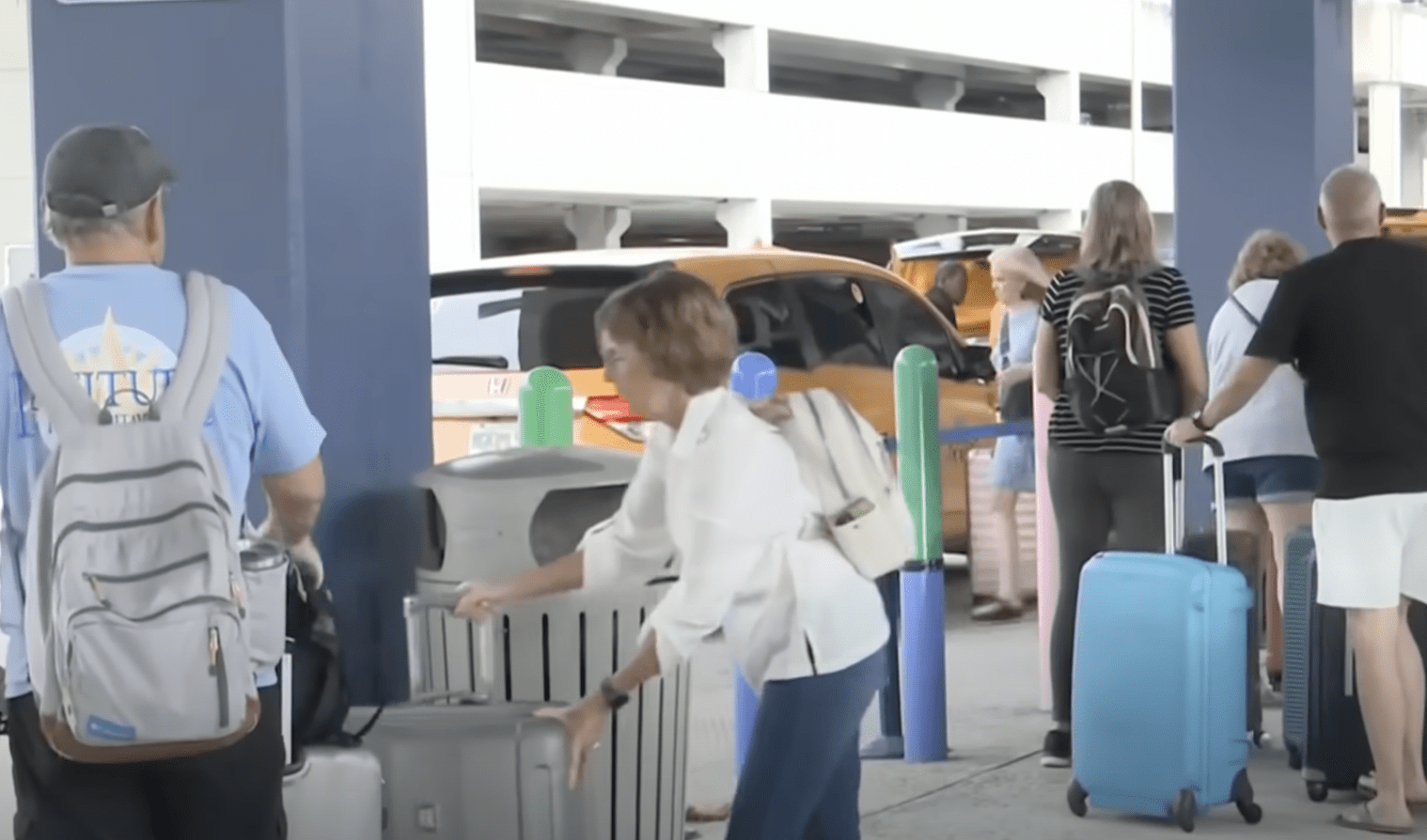
The storm created significant disruptions for visitors in Hawaii as roads closed because of flooding, fallen trees and debris. Some travelers were left dealing with canceled or delayed transportation while officials urged people to remain indoors and avoid unnecessary travel.
The disruption came during the busy summer travel season, creating an additional challenge for hotels, airports, transportation providers and emergency responders.
Officials emphasized that visitors should not assume conditions are safe simply because Lala weakened from a hurricane into a tropical storm. Flooding can continue well after the strongest winds have moved away, particularly when rivers and drainage systems remain overwhelmed.
A Rare and Dangerous Storm for Hawaii
Hurricanes affecting Hawaii are relatively uncommon, making Lala’s approach particularly significant. The Big Island has historically experienced very few direct impacts from tropical cyclones, and its mountainous terrain can weaken or disrupt storms approaching the island.
Lala demonstrated why a storm does not necessarily have to make a direct landfall to produce catastrophic consequences. Its center remained offshore, but the combination of hurricane force winds, torrential rainfall, flooding and dangerous surf still caused extensive damage.
The storm also followed Hurricane Hone’s close approach to the Big Island in 2024, another reminder that tropical systems can threaten Hawaii even when their centers remain offshore.
Recovery Efforts Underway
As Lala moved westward away from Hawaii, emergency crews shifted their focus from preparation to rescue, damage assessment and restoration.
Schools and government facilities in some affected areas were closed as officials assessed damage and worked to clear roads. Utility crews began repairing transmission lines while additional personnel were brought in to help accelerate restoration efforts.
The full financial cost of the disaster remains unclear, but Gov. Green has estimated that the storm caused hundreds of millions of dollars in damage statewide. The immediate priority remains reaching isolated communities, restoring electricity and water service, clearing transportation routes and helping residents whose homes were damaged or destroyed.
Lala has weakened, but Hawaii’s emergency is far from over. Floodwaters, damaged infrastructure, power outages and unstable terrain continue to pose risks even as the storm moves farther away from the islands.
The disaster is a stark reminder that the most dangerous part of a tropical cyclone is not always the moment its center passes. In Hawaii, Lala never made landfall, yet it still managed to leave behind flooded communities, destroyed homes, widespread power outages and a long recovery ahead.
















































Want to join the conversation?
Create an account or sign in to share your thoughts, vote,
and reply to other readers.
Showing 0 of 0 comments
Don't have an account?
Already have an account?