
Extreme Cold Pushes Deep Into the Country
A mass of frigid Arctic air has pushed south from Canada, driving temperatures 10 to 20 degrees below seasonal norms across large parts of the United States. Cities throughout the Midwest, Plains and Northeast are experiencing some of the coldest air of the season, with daytime highs struggling to rise above freezing and overnight lows dropping well below zero in multiple regions. Meteorologists report that the pattern is expected to persist for several days, keeping millions under prolonged cold-weather alerts.
Travel Risks Increase as Ice and Snow Spread
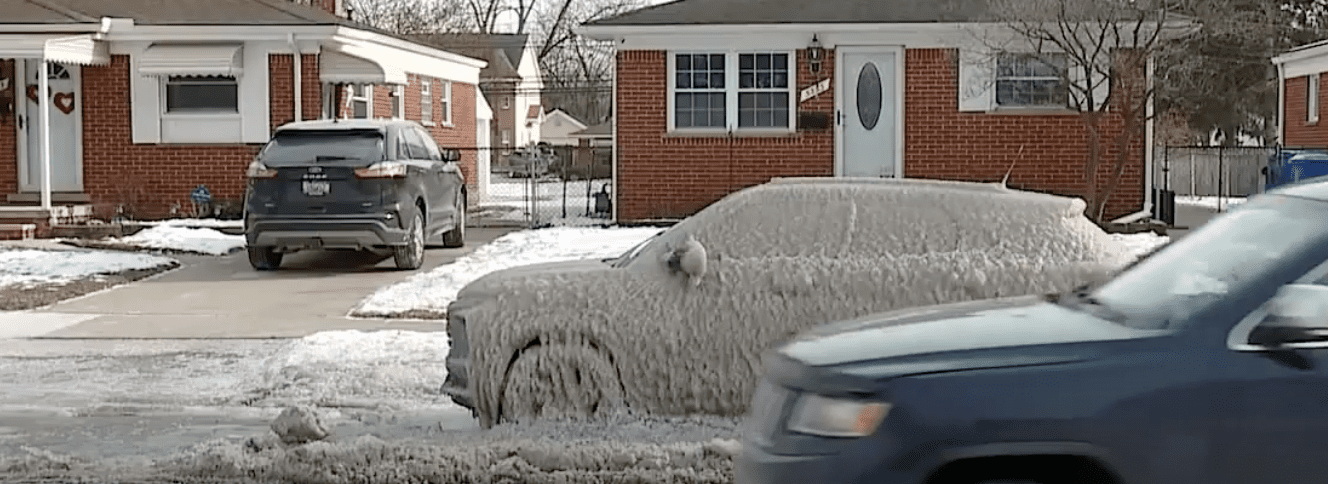
The cold blast has combined with snow, freezing drizzle and gusty winds to create treacherous travel conditions. One of the biggest dangers is black ice, a thin layer of transparent ice that forms when moisture refreezes on cold pavement. Because it blends into the road surface, drivers often don’t recognize it until a vehicle begins to slide. Black ice is especially likely on bridges, overpasses and shaded roadways, where temperatures drop fastest and stay below freezing longer than on other surfaces.
Crashes and Emergency Calls Rise
Across several states, slick roads have triggered a surge in accidents. Authorities are reporting spinouts, multi-vehicle pileups and stranded motorists as icy conditions catch drivers off guard. Emergency responders have been dispatched to assist vehicles stuck on highways and rural routes, and some areas have already seen travel delays, school closures and government office disruptions as the storm system moves east and south.
Staying Safe as Conditions Worsen
Officials are urging caution as the Arctic blast continues. Drivers are being advised to reduce speed, increase following distance and avoid sudden braking that can trigger skidding on hidden ice. Residents are also encouraged to prepare vehicles with winter emergency kits including blankets, water, food, flashlights and phone chargers. Mechanical checks such as tire pressure, wiper function and antifreeze levels are strongly recommended before traveling in hazardous conditions.
Impact Beyond the Frozen Regions
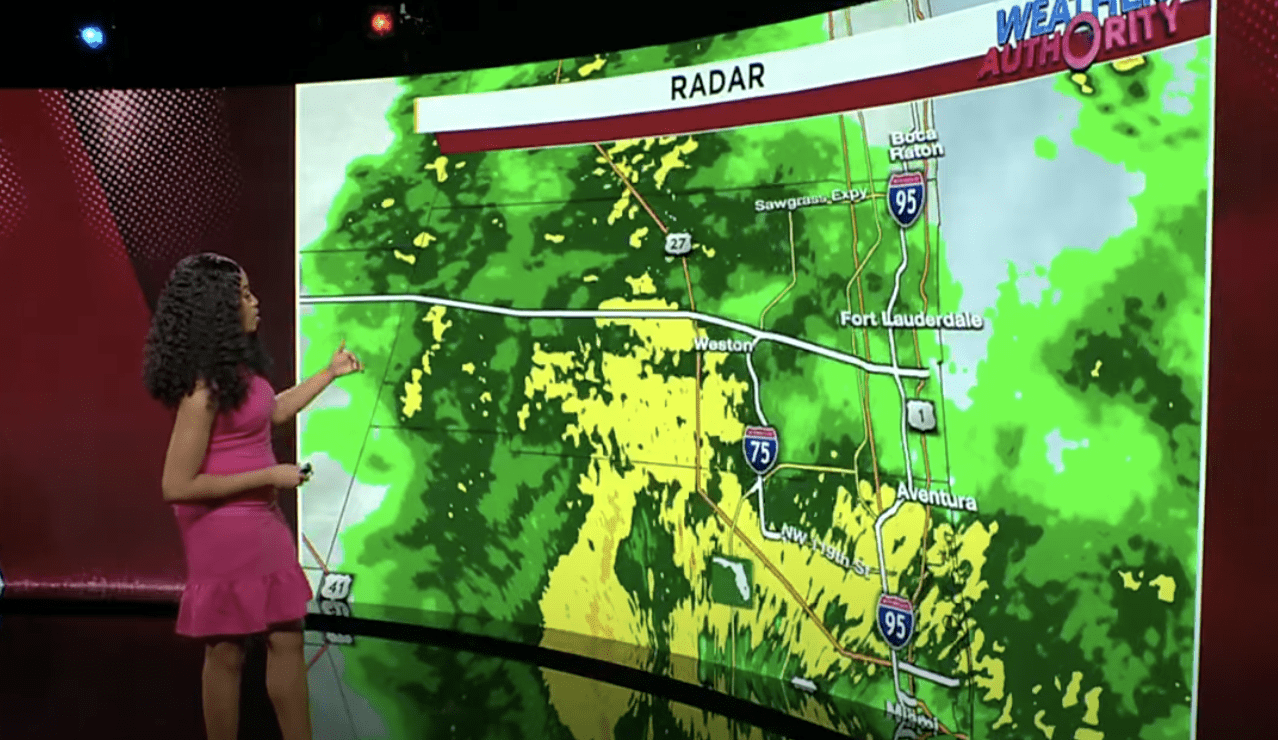
While South Florida remains insulated from the bitter temperatures, the nationwide cold pattern still sends ripple effects across the country. Flight delays, supply-chain slowdowns and energy-demand spikes are already being felt, underscoring how extreme weather in northern states can influence daily life thousands of miles away. As the system continues to move, more regions are expected to experience dangerous wind chills, slick roads and weather-related disruptions.














































Want to join the conversation?
Create an account or sign in to share your thoughts, vote,
and reply to other readers.
Showing 0 of 0 comments
Don't have an account?
Already have an account?