
The Future Of TV
The television industry is entering another major period of disruption, and some of the executives shaping that transformation are already looking three years ahead.
The traditional television business is no longer simply a battle between broadcast networks, cable channels and streaming services. The lines between those categories are rapidly disappearing, forcing media companies to rethink how television is produced, distributed, discovered and paid for.
Executives including ESPN Chairman Jimmy Pitaro, Charter Communications CEO Chris Winfrey, Tubi CEO Anjali Sud and media executive Jeff Zucker recently offered their perspectives on where the industry could be heading by 2029. Their predictions point toward a television market that is more fragmented, increasingly digital and heavily influenced by consumer behavior, advertising and technology.
The biggest takeaway is that television is unlikely to disappear. Instead, the definition of television itself is changing.
The Cable Bundle Is Not Coming Back
For decades, the television industry revolved around the traditional cable bundle. Consumers paid for packages containing dozens or even hundreds of channels, regardless of how many they actually watched.
That model has been steadily weakened by cord cutting and the growth of streaming.
The next three years could accelerate that transformation. Rather than replacing the cable bundle with one universal streaming service, the industry appears to be moving toward a much more complicated ecosystem in which consumers combine traditional television, streaming platforms, free ad supported services and digital video.
That creates a significant challenge for media companies.
They are no longer competing only against other networks. They are competing for the limited amount of time consumers are willing to spend watching video.
Sports Could Become Even More Important
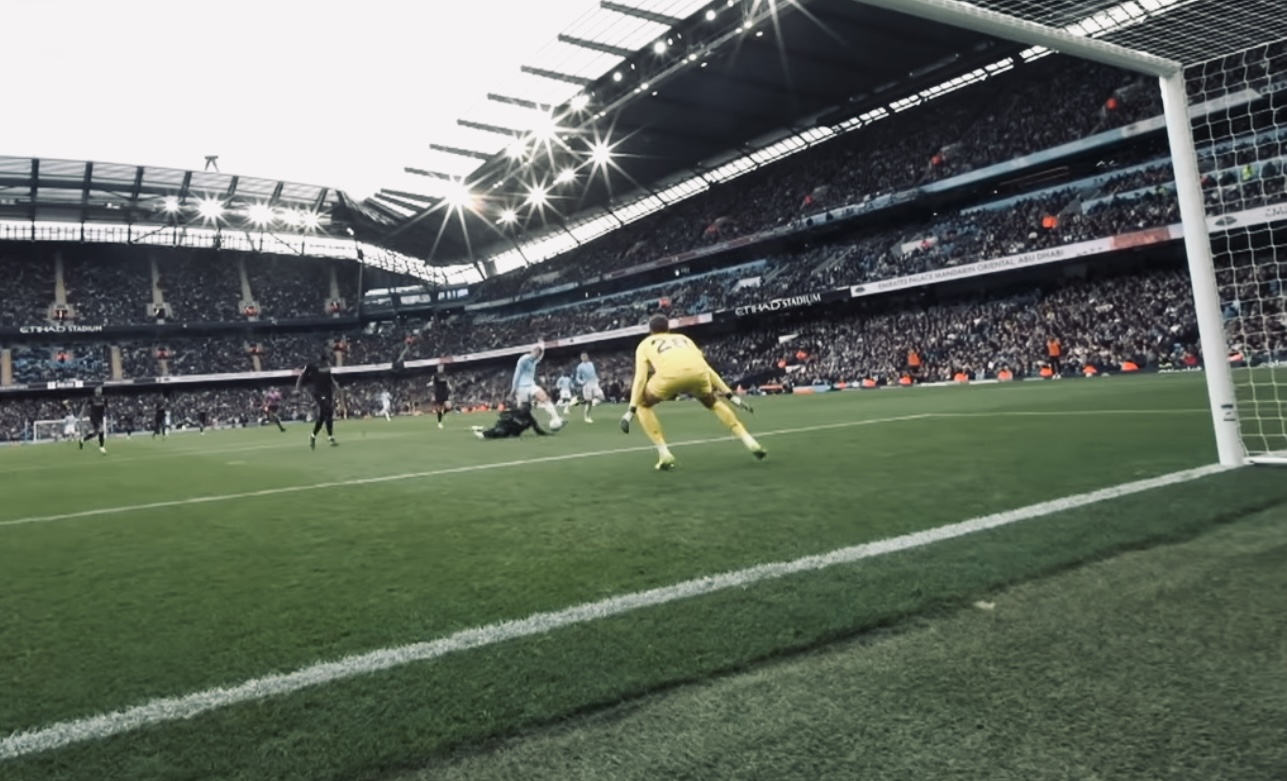
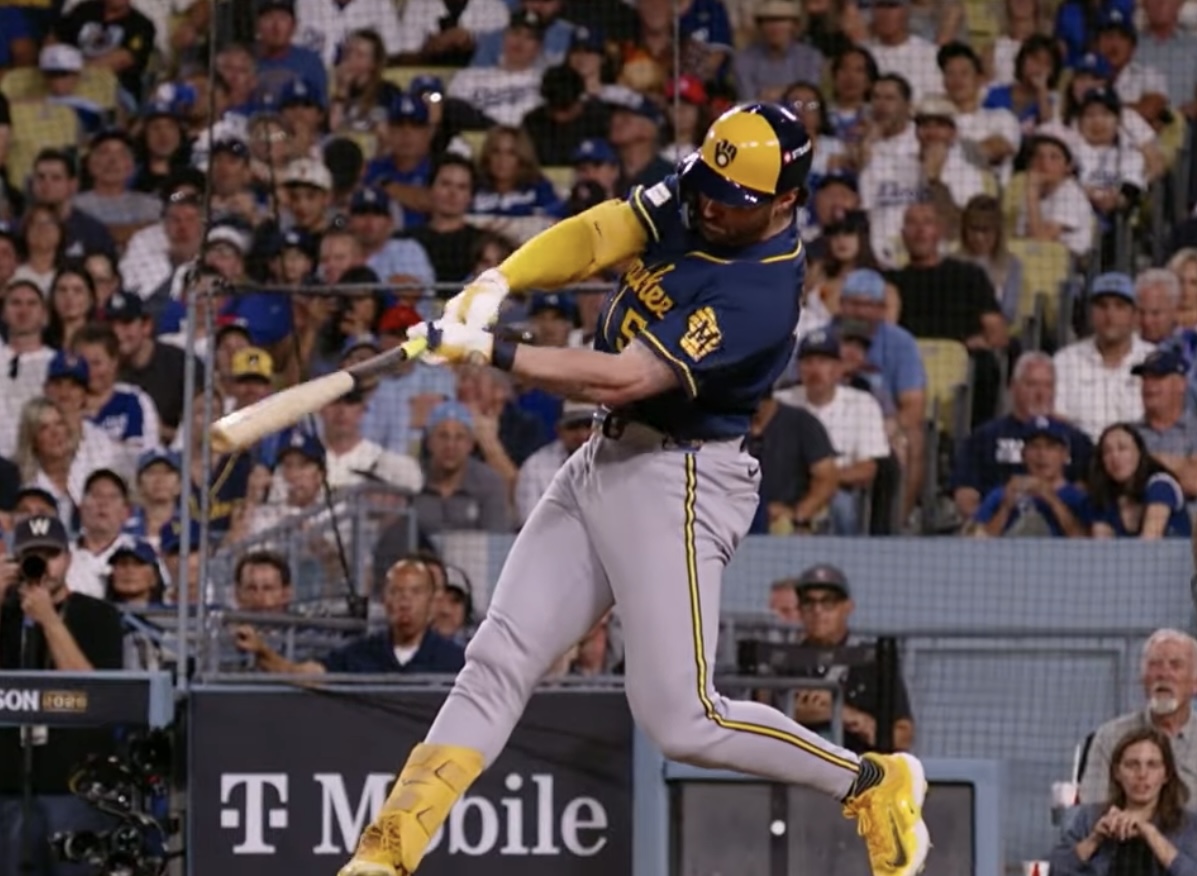
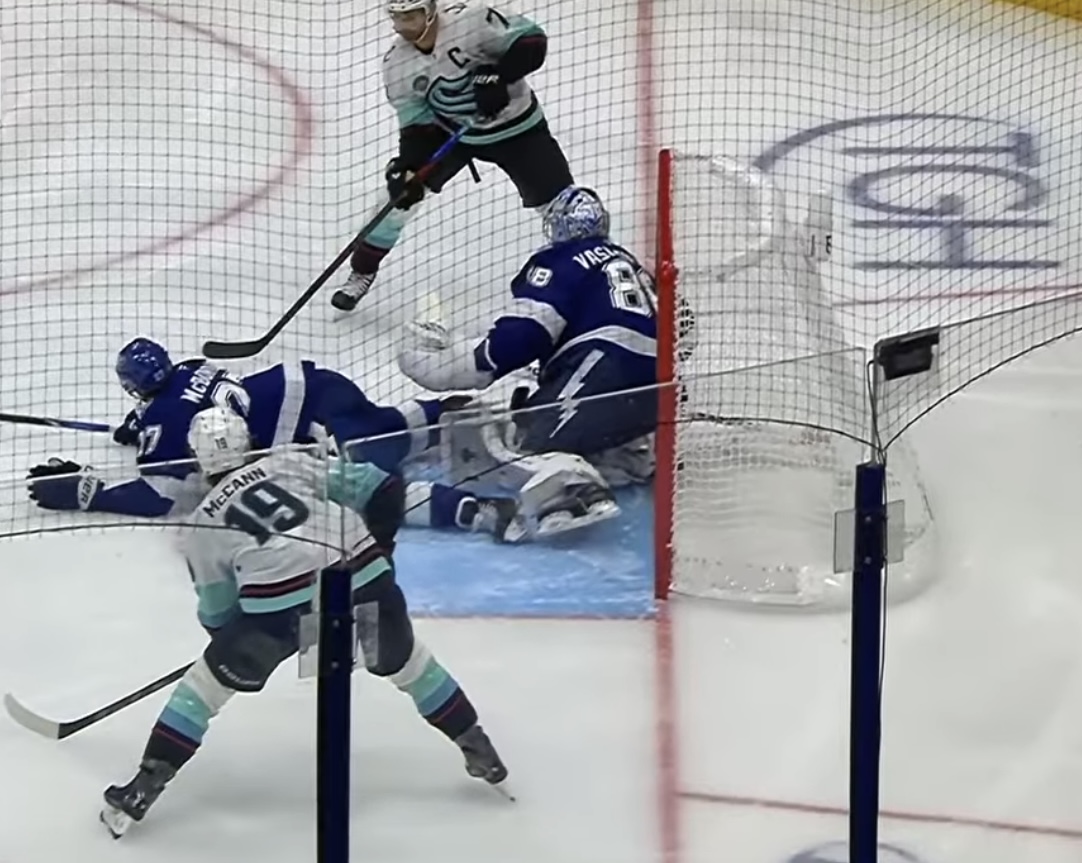
Sports remain one of the strongest arguments for traditional television.
Live games have something that most scripted programming does not: urgency. A viewer who wants to watch a game generally cannot wait several days and expect the experience to be the same.
That makes sports particularly valuable as media companies move toward direct to consumer streaming.
Pitaro’s perspective is especially important because ESPN sits at the center of that transition. The company has been expanding its direct to consumer strategy while maintaining its traditional television business, illustrating the increasingly hybrid nature of sports media.
The future may not be about choosing between cable and streaming. Instead, major sports properties could exist across multiple distribution systems simultaneously, with companies attempting to maximize both subscription revenue and advertising revenue.
For consumers, that could mean more ways to watch. It could also mean more services required to watch everything they want.
Free Streaming Is Becoming A Serious Force
One of the most significant developments in television is the rise of free ad supported streaming.
Tubi has emerged as a major example of that model. Instead of asking consumers to pay a monthly subscription, free streaming platforms allow viewers to watch programming without a traditional subscription fee while advertisers finance the service.
Sud has become one of the industry’s prominent advocates for this approach.
Tubi’s growth demonstrates that consumers do not necessarily view paid subscriptions as the only way to access streaming television. A large audience is willing to watch advertising if the content is easily accessible and the service offers enough programming.
That could become increasingly important as consumers confront subscription fatigue.
Americans have spent years adding streaming services to replace cable. But as the number of subscriptions has grown, so has the total monthly cost. Free ad supported television offers consumers another option.
The model also gives advertisers access to audiences that may no longer spend much time watching traditional television.
Advertising Could Become The Center Of The Streaming Economy
The streaming industry’s early business model was heavily focused on subscriptions.
That strategy is changing.
Advertising is becoming increasingly important across the television ecosystem, including services that originally built their businesses around commercial free viewing.
The reason is straightforward. Advertising can create revenue without requiring consumers to pay another monthly fee.
It also provides media companies with valuable information about viewing behavior and audience demographics.
That could eventually make streaming television resemble digital advertising more closely, with increasingly sophisticated targeting and measurement.
The result could be a television industry where the distinction between traditional television advertising and digital advertising becomes almost meaningless.
The Viewer Is Becoming The Distributor
The old television system determined what viewers watched and when they watched it.
The modern system increasingly allows the viewer to determine both.
Consumers can search for a program, receive algorithmic recommendations, watch clips on social platforms, discover shows through creators or move between live television and on demand programming.
That means the television industry is increasingly competing over discovery.
Having a great show is no longer enough. Media companies need consumers to actually find it.
Sud’s leadership at Tubi highlights the importance of personalization and discovery. Tubi has emphasized a broad content library and technology designed to help viewers find programming rather than simply presenting them with a fixed channel lineup.
That philosophy could become increasingly important over the next three years.
Technology Will Play A Bigger Role
The television industry is also becoming increasingly dependent on technology companies and digital platforms.
Streaming services require sophisticated recommendation systems, advertising technology, cloud infrastructure, data analytics and connected television distribution.
The television set itself has effectively become another internet connected device.
That shift gives companies operating smart TV platforms and streaming distribution systems enormous influence over what consumers see when they turn on their televisions.
The battle is therefore no longer just about who owns the content.
It is also about who controls the interface through which audiences discover that content.
The Biggest Question Is Who Pays
Despite all the technological changes, one issue remains fundamental: how does the industry make enough money to finance premium programming?
Consumers increasingly resist paying for numerous subscriptions. Advertisers want measurable audiences. Media companies need to cover enormous programming and sports rights costs.
That tension is likely to define the television business through 2029.
Some companies will emphasize subscriptions. Others will prioritize advertising. Others will combine the two.
The traditional television bundle may also continue to exist, particularly for households that value live sports, news and large collections of channels.
The difference is that the bundle will increasingly coexist with a much larger digital ecosystem.
Television Will Become More Fragmented, Not Less
The irony of the streaming revolution is that it was initially sold as a simpler alternative to cable.
Instead, consumers now face an enormous number of choices.
There are subscription services, free streaming platforms, FAST channels, social video, live sports packages, connected television platforms and traditional broadcast and cable networks.
The next three years are unlikely to reverse that fragmentation.
Instead, the industry may begin consolidating around a smaller number of powerful platforms while continuing to offer consumers an enormous amount of programming.
That could produce a television market where fewer companies control more of the infrastructure, while viewers have more individual choices than ever before.
The Television Set Is Not Going Anywhere
Predictions about the future of television often focus on the decline of traditional TV.
But the more interesting possibility is that television itself survives by becoming something different.
The screen in the living room is increasingly a gateway to virtually every form of video. Broadcast channels, streaming services, sports, social media content, movies and user generated programming can all appear on the same device.
The television set may therefore become less important as a piece of traditional media infrastructure and more important as a general purpose entertainment platform.
That distinction matters.
The industry executives looking toward 2029 are not necessarily predicting the death of television. They are describing the transformation of television from a scheduled channel based business into an on demand, advertising driven, technology enabled ecosystem.
What The Next Three Years Could Look Like
By 2029, the average American viewer may care much less about whether a program is technically considered broadcast, cable or streaming.
They may simply search for what they want to watch.
The companies that succeed will likely be those capable of meeting consumers wherever they are, whether that means a live sports broadcast, a subscription streaming service, a free ad supported platform or a connected television interface.
For media executives, the challenge is no longer simply producing enough television.
It is figuring out how to capture attention in an environment where viewers have nearly unlimited choices.
The predictions from Pitaro, Winfrey, Sud and Zucker offer different perspectives from different corners of the industry, but they point toward the same broader reality: television is not dying. The old television business is.
What replaces it will be more digital, more fragmented, more dependent on advertising and technology, and ultimately far more focused on giving viewers control over what they watch and how they watch it.








































Want to join the conversation?
Create an account or sign in to share your thoughts, vote,
and reply to other readers.
Showing 0 of 0 comments
Don't have an account?
Already have an account?