
Aston Martin Residences Is Everything Wrong With South Florida’s Condo Boom
Crumbling Concrete, Alleged Self Dealing, Missing Work, and a Billion Dollar Tower Already Facing Structural Lawsuits
The Aston Martin Residences was supposed to represent the pinnacle of Miami luxury. Standing 817 feet above Biscayne Bay, the gleaming glass tower carries one of the most recognizable luxury brands in the world. Units sold for millions. Penthouse residences commanded tens of millions. The building generated more than $1 billion in sales and became a centerpiece of Miami’s ever expanding skyline.
Less than two years after opening, however, the tower has become something else entirely…
Today, Aston Martin Residences is facing multiple lawsuits alleging serious construction defects, widespread water intrusion, structural failures, financial misconduct, self-dealing contracts, and millions of dollars in damages. If the allegations prove true, the tower may become one of the most expensive examples yet of a development culture that has transformed South Florida into a playground for luxury speculation while leaving residents to deal with the consequences. The building has become a case study in everything critics say is broken about Florida’s condo boom.
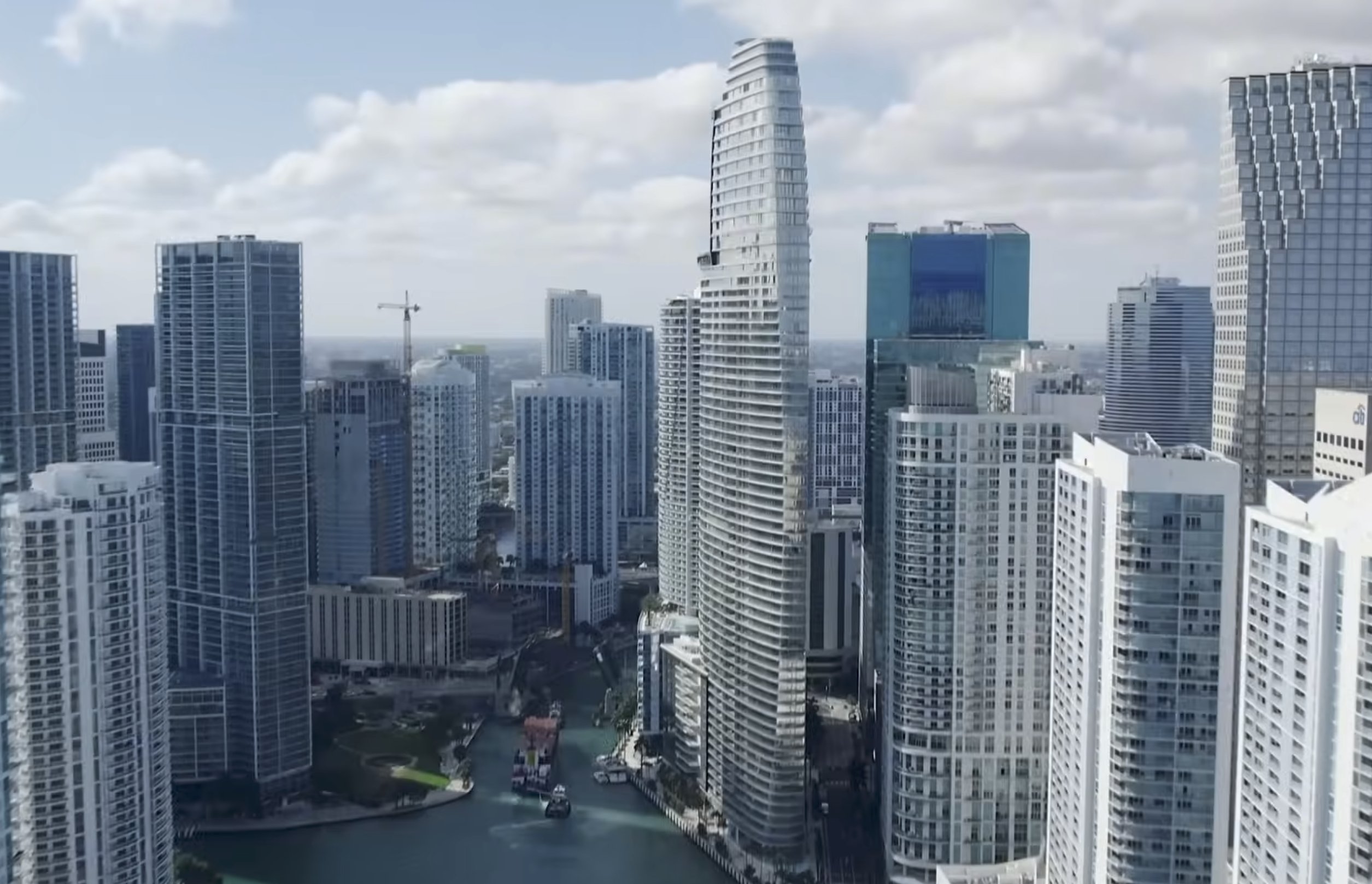
Engineers Describe a “Structural Autopsy”
The controversy exploded after control of the condominium association transferred from the developer to residents in 2025. Following the turnover, the new board retained independent engineering consultants to conduct a comprehensive review of the property. According to allegations contained in legal filings and engineering reports cited by the association, investigators discovered a long list of problems throughout the building.
Engineers allegedly identified exposed structural steel, post-tension system deficiencies, concrete deterioration, water intrusion, leaking pool systems, seawall cracking, fire suppression leaks, balcony concerns, and construction defects affecting numerous portions of the property. The findings were reportedly so extensive that one observer described the process not as a standard punch list review but as a “structural autopsy.”
The developer and construction teams have denied wrongdoing and are contesting the allegations in court.
Why Post Tension Problems Terrify Engineers
One of the most alarming allegations involves the tower’s post tension structural system. Modern high rise buildings often rely on steel tendons embedded inside concrete slabs. These cables are placed under tremendous tension and are critical to maintaining structural performance throughout the building.
According to the engineering allegations, portions of these systems may have been improperly protected, leaving steel components exposed to South Florida’s highly corrosive salt-air environment. If corrosion occurs within a post tension system, engineers warn the consequences can become extremely serious over time.
Residents and experts involved in the litigation argue that the alleged deficiencies require immediate attention because deterioration inside critical structural systems is far easier to prevent than repair.
Falling Debris Raises Safety Concerns
Perhaps the most visible warning sign occurred when a metal component reportedly detached from the building and fell dozens of stories to the pool deck below. Residents have alleged that concrete deterioration and spalling have appeared in portions of the structure, particularly around balcony edges and exterior surfaces.
At more than 800 feet tall, any object falling from the tower represents a significant life safety concern. Several residents interviewed publicly have expressed concerns about using balconies while litigation and inspections continue. Whether those concerns ultimately prove justified will likely be determined by ongoing engineering investigations and future court proceedings.
The Water Is Getting In
The lawsuits also describe extensive water related problems. According to the filings, improperly installed pool and spa systems allegedly allowed water to migrate into structural components where it was never intended to go. Residents further allege that portions of the seawall are already showing signs of cracking and deterioration despite the relative newness of the project. Water intrusion remains one of the most expensive and destructive problems facing any South Florida building. Left untreated, it can accelerate corrosion, weaken concrete, damage finishes, and create long term maintenance nightmares.
The Construction Lawsuit Is Only Half the Story
The structural allegations alone would be enough to create headlines. But the second lawsuit may be even more explosive. According to allegations filed by the condominium association, forensic accountants discovered a network of long term operational contracts executed shortly before residents assumed control of the building.
The lawsuit alleges many of these agreements were awarded without competitive bidding and instead went to companies allegedly connected to the developer or individuals within his business network. The complaint further alleges that contracts involving security, concierge services, management operations, cleaning, and other services generated hundreds of thousands of dollars in expenses for residents.
In some instances, the lawsuit claims services were billed despite limited evidence that work was performed at the levels represented. One allegation involves a concierge contract reportedly costing tens of thousands of dollars per month. Another concerns office space arrangements that allegedly benefited entities connected to the development team. The defendants have denied wrongdoing and dispute the allegations. No court has ruled on the claims.
The Missing Records Problem
Perhaps the most troubling allegation involves the building’s records. According to the lawsuit, when the resident controlled board assumed management of the property, they discovered significant gaps in financial and operational records. The complaint alleges certain computer systems and digital records had been wiped or were otherwise unavailable. If proven, such allegations could become a major issue during discovery proceedings. The claims remain allegations at this stage, but they have already intensified scrutiny surrounding the project.
The Aston Martin Name Means Nothing When Things Go Wrong
One of the most frustrating realities for residents is that Aston Martin itself is largely insulated from the dispute. The luxury automaker licensed its name and branding to the project but was not responsible for construction, engineering, property management, or day to day development decisions.
As a result, the famous logo displayed across marketing materials does little to help owners dealing with lawsuits, engineering reports, and emergency repairs. The brand helped sell the dream. It is not responsible for fixing the nightmare.
The Real Story Is Bigger Than One Building
The Aston Martin Residences controversy is not simply about one tower. It is about a development model that has become increasingly common throughout South Florida. Developers raise billions of dollars based on renderings, branding, and luxury promises. Towers are marketed globally before completion. Units sell quickly. Construction races forward. Profits are realized.
Only later do residents gain control of the association, hire independent experts, and begin discovering what was actually delivered. By then, the developer has often moved on to the next project. The owners remain. And if serious defects are discovered, they become responsible for emergency repairs, special assessments, legal fees, engineering studies, and years of litigation.
A Billion Dollar Warning Sign
The courts will ultimately determine which allegations are true and which are not. But one thing is already clear. The Aston Martin Residences has become a symbol of a deeper problem in South Florida real estate. A region obsessed with building faster, selling higher, and marketing harder has created an environment where luxury branding often receives more attention than long-term construction quality. For years, South Florida’s skyline has been sold as proof of prosperity. The lawsuits surrounding Aston Martin Residences suggest it may also be evidence of something else: a development culture where everyone gets paid before anyone finds out whether the building was actually built right.



















































Want to join the conversation?
Create an account or sign in to share your thoughts, vote,
and reply to other readers.
Showing 0 of 0 comments
Don't have an account?
Already have an account?