
Sounding the Alarm on America’s Growing Crisis of Trust
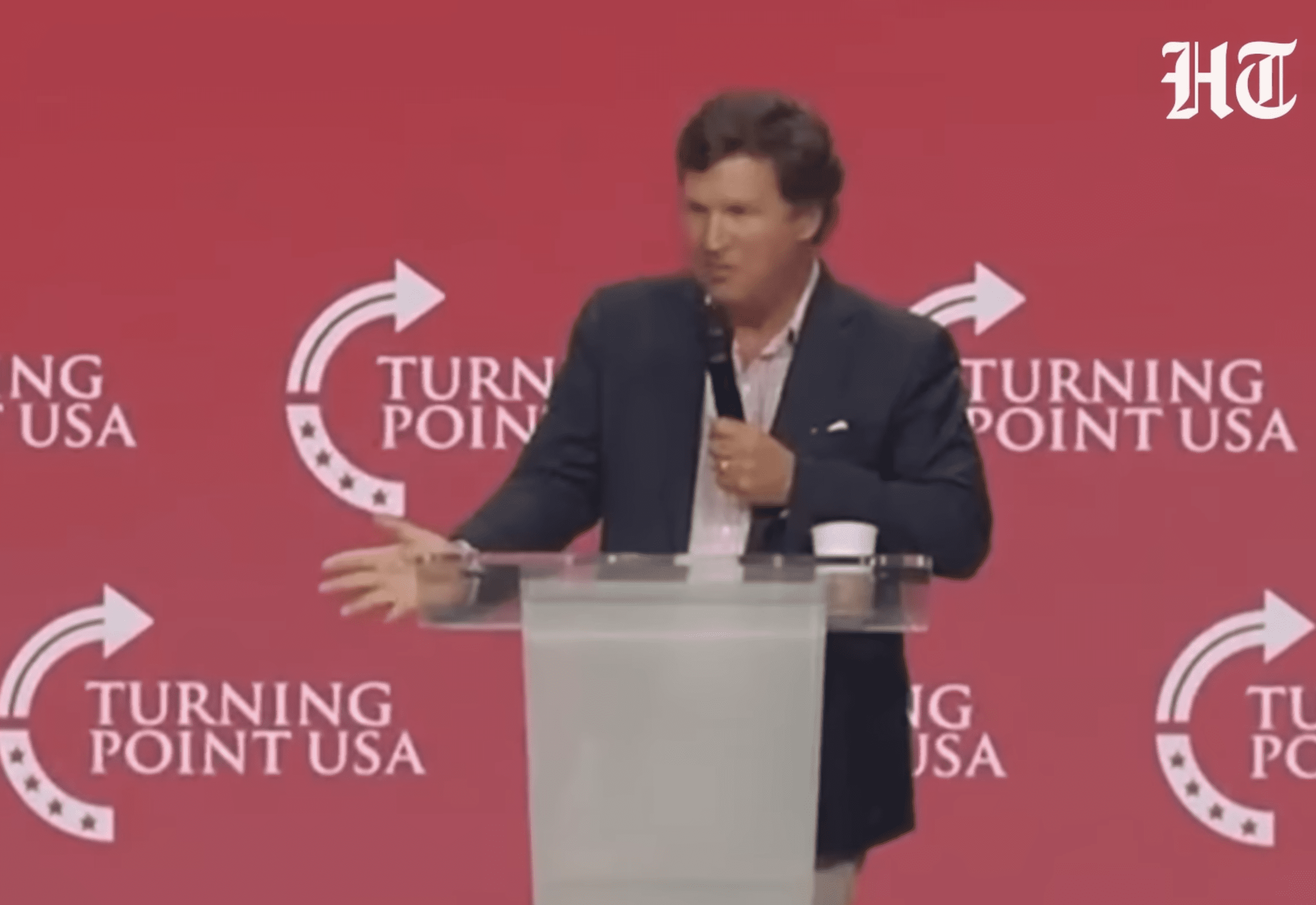
Every once in a while, an interview comes along that feels less like a political discussion and more like two people trying to make sense of a country that seems to be coming apart at the seams. That was the feeling I got listening to the recent conversation between Tucker Carlson and Jimmy Dore. Whether you agree with everything they said or not, the discussion tapped into something that millions of Americans have been feeling for years: a growing belief that the institutions we were taught to trust are no longer serving the people they were created to serve.
The conversation began with a discussion about politics and democracy, but it quickly expanded into something much larger. Jimmy Dore argued that America has drifted far away from the democratic ideals that politicians constantly promote around the world. He pointed to the influence of wealthy donors, corporations, and entrenched political interests, suggesting that ordinary voters have far less influence than they are led to believe. Dore repeatedly emphasized that both major political parties ultimately answer to many of the same powerful interests, leaving average Americans feeling increasingly disconnected from the political process.
A Real Dialogue With Two of the Most Intelligent in News
What made the discussion particularly interesting was that Tucker Carlson wasn’t simply acting as an interviewer. Throughout the conversation, Carlson openly acknowledged that many of Dore’s arguments echoed concerns he has developed himself over the years. Carlson admitted that he once viewed government as the primary threat to freedom but has gradually come to believe that massive corporations can be just as dangerous, if not more so. He observed that many conservatives have been conditioned to fear government overreach while often overlooking the enormous power wielded by multinational corporations, media conglomerates, and financial institutions.
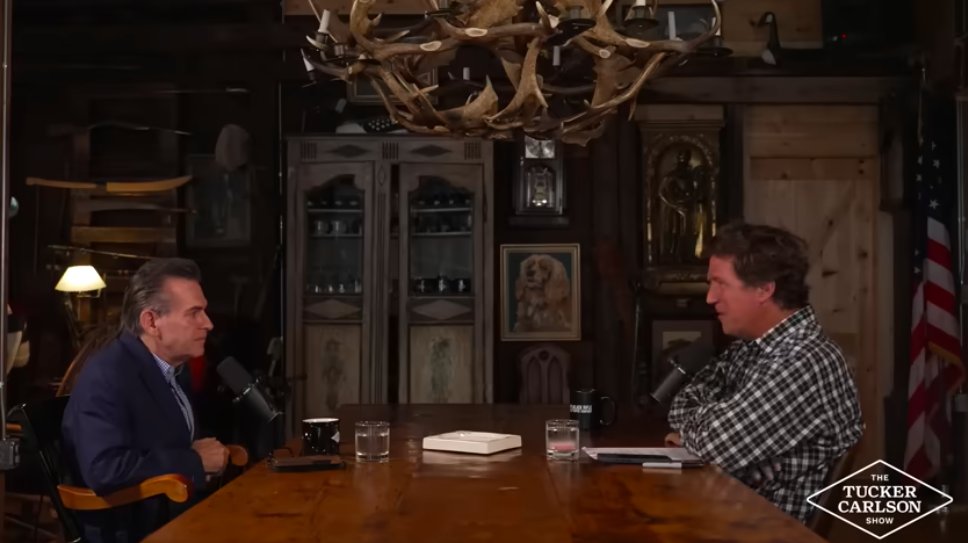
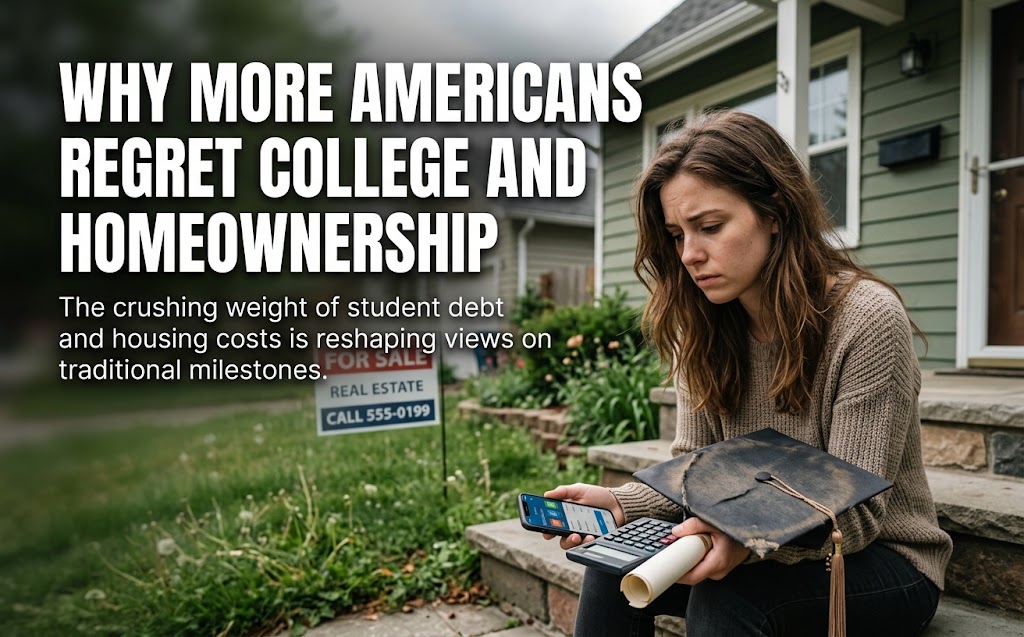
Both men returned repeatedly to the idea that America appears to be suffering from a crisis of accountability. Dore pointed to homelessness, healthcare costs, student debt, failing infrastructure, and declining quality of life as evidence that government priorities have become disconnected from the needs of ordinary citizens. Carlson seemed particularly interested in Dore’s argument that many of these problems persist not because they are unsolvable, but because solving them would threaten the interests of powerful groups that benefit from the current system.
One of the strongest themes throughout the interview was the role of media in shaping public perception. Dore argued that many major media organizations no longer function as independent watchdogs but instead act as gatekeepers that protect established narratives. Carlson appeared to agree, noting that some topics are aggressively promoted while others are treated as forbidden subjects. Both men suggested that the public’s declining trust in traditional media stems from years of selective reporting, narrative management, and the suppression of uncomfortable questions.
Both Not Afraid to Tackle Controversial Subjects
The discussion also touched on several controversial subjects, including election integrity, foreign policy, intelligence agencies, and government transparency. While many of the claims discussed remain highly disputed and controversial, the larger point Dore was making was not necessarily about any single event. Instead, he argued that Americans have become increasingly suspicious because institutions often react with hostility toward questions rather than providing clear answers. Carlson repeatedly returned to the idea that healthy societies should welcome scrutiny and debate rather than treating skepticism as a threat.
One area where both men seemed particularly passionate was the issue of working-class power. Dore argued that the greatest fear of political and corporate elites is not elections but organized workers. He pointed to labor strikes, trucker protests, and other grassroots movements as examples of ordinary people exercising real leverage. According to Dore, the political establishment reacts strongly whenever workers begin recognizing their collective power because such movements threaten existing power structures more than partisan politics ever could.
Carlson appeared fascinated by Dore’s argument that Americans are constantly encouraged to view one another as enemies while ignoring the interests they share in common. Throughout the conversation, both men suggested that cultural divisions are often amplified because they distract people from larger economic and political issues. Dore repeatedly argued that workers on the left and right have more in common with each other than they do with the billionaires, lobbyists, and institutions that dominate public policy.
Not Just Politics… Philosophy, Religion, and Psychology Too
The conversation became especially philosophical when it shifted toward psychology, religion, and the work of Carl Jung. Carlson expressed genuine curiosity as Dore discussed Jung’s belief that human beings possess a deep need for meaning, spirituality, and connection to something larger than themselves. Dore argued that many people have replaced traditional faith with political ideologies, scientific authorities, or public figures. He suggested that the intense emotional attachment many people developed toward political movements, media personalities, and public health officials during recent years reflected a deeper spiritual void rather than purely political disagreement.
Perhaps the most striking aspect of the interview was the degree to which both men appeared disillusioned with the current state of American politics. Neither seemed particularly optimistic about either major political party. Dore was especially critical of politicians he once supported, including Bernie Sanders and Alexandria Ocasio-Cortez, arguing that many figures who campaigned as outsiders eventually became part of the very system they promised to challenge. Carlson, meanwhile, reflected on how political movements often absorb and neutralize dissent rather than reforming themselves.
By the end of the conversation, the central message was clear. Both Tucker Carlson and Jimmy Dore believe that America is facing a crisis that goes far beyond elections or partisan politics. They see a country where trust in government, media, corporations, and public institutions has eroded dramatically. They see citizens who feel powerless, disconnected, and increasingly skeptical of official narratives. Most importantly, they see a political establishment that often seems more interested in preserving its own power than addressing the concerns of ordinary people.
Whether you agree with their conclusions or not, one thing is undeniable: the frustration they described is real. Millions of Americans across the political spectrum feel that something is fundamentally broken. The question is no longer whether trust in institutions is declining. The question is whether those institutions are willing—or even able—to rebuild that trust before the divide becomes impossible to repair.


























Want to join the conversation?
Create an account or sign in to share your thoughts, vote,
and reply to other readers.
Showing 0 of 0 comments
Don't have an account?
Already have an account?