
Are You Ready to Embrace Orlando’s Flying Future?
The idea of flying taxis has long been associated with science fiction, but Central Florida is rapidly positioning itself to become one of the first regions in the United States where the technology could become an everyday reality. According to a recent report, local officials, aviation companies, and transportation leaders are laying the groundwork for an electric air taxi network that could dramatically reduce travel times throughout the region. One of the most ambitious goals is a future route between Orlando and Tampa that could take just 30 minutes, compared to the hour-and-a-half or more many drivers spend battling traffic along Interstate 4.
The Unveiling of the “Charge Cube”
The latest milestone came at Kissimmee Gateway Airport, where officials unveiled new infrastructure designed specifically for the next generation of electric aircraft. Among the new additions is BETA Technologies’ “Charge Cube,” a fast-charging system capable of quickly recharging electric aircraft between flights. Aviation officials also demonstrated new air traffic management technologies that will eventually help safely integrate these aircraft into existing airspace. During testing, an electric aircraft completed two 80-mile flights before being recharged in roughly 50 minutes, showing that the technology is progressing beyond the concept stage and into real-world operations.
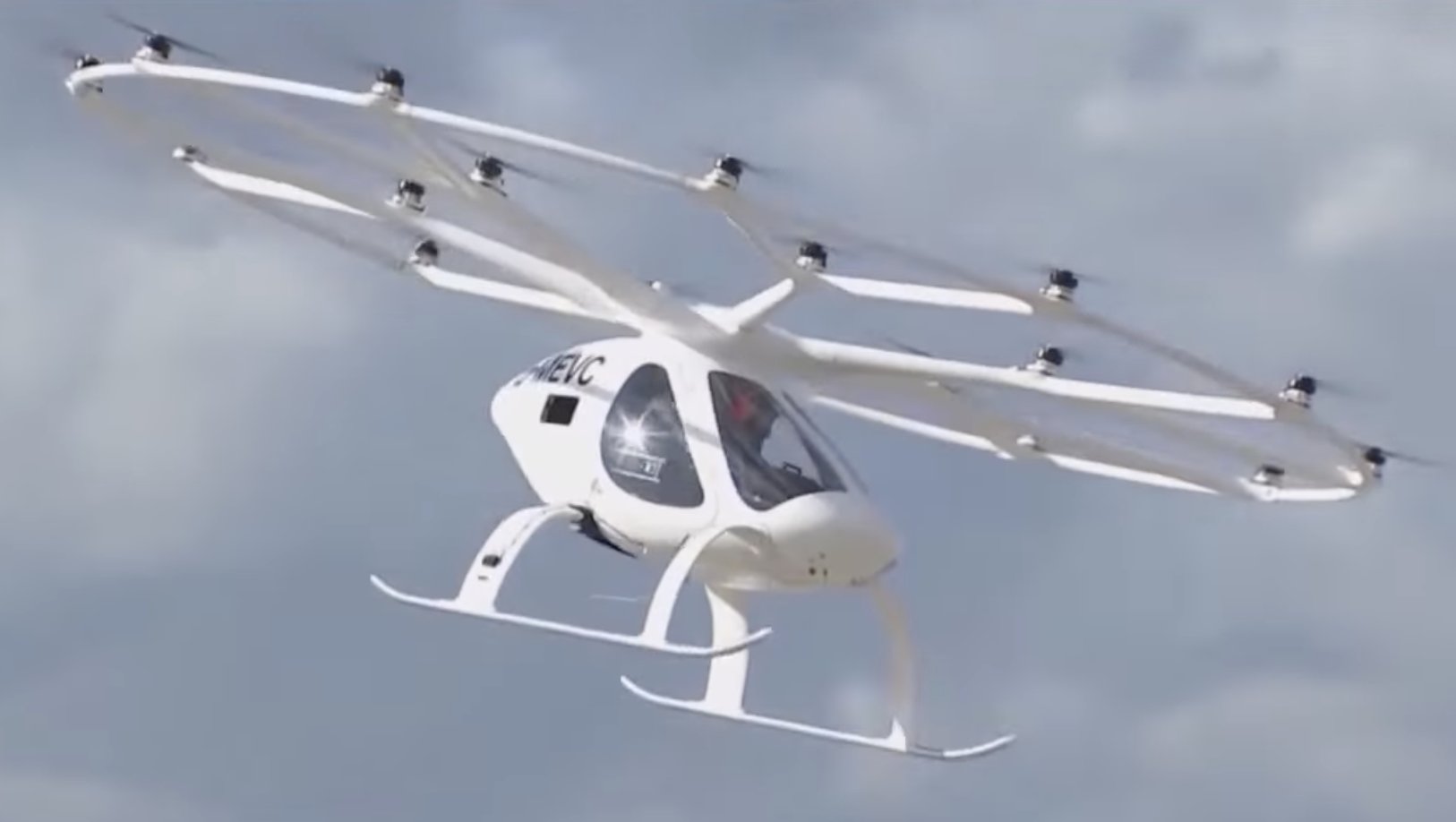
Unlike helicopters, these aircraft are known as electric Vertical Takeoff and Landing aircraft, or eVTOLs. They operate using multiple electric motors, produce far less noise than conventional helicopters, and generate zero direct emissions during flight. Most are designed to carry four to six passengers plus a pilot, making them ideal for short regional trips rather than long-distance travel.
Companies such as BETA Technologies, Archer Aviation, Joby Aviation, and Germany’s Volocopter have invested billions of dollars developing this emerging form of transportation, with several already conducting extensive flight testing and working toward commercial certification.
While Orlando is Leading the Way in the US… Dubai Has Already Made Waves Internationally
Central Florida is hardly the first region to pursue air taxis. Dubai has spent years preparing infrastructure alongside Joby Aviation, while New York has begun demonstration flights connecting airports with Manhattan. Singapore hosted some of the world’s earliest public flying taxi demonstrations using Volocopter aircraft, and Paris explored using eVTOL aircraft during preparations for the 2024 Summer Olympics.
Although widespread passenger service has taken longer than many early predictions suggested, the industry has steadily advanced as battery technology improves and aviation regulators work through rigorous certification requirements.
Florida has become one of the industry’s biggest proving grounds. Orlando International Airport has already begun planning future air taxi infrastructure, while Kissimmee Gateway Airport is positioning itself as one of the state’s first operational hubs for advanced air mobility.
What Does the Future Hold?
State officials believe the technology could do more than simply shorten commutes. They see electric aviation creating high-paying aerospace jobs, attracting technology companies, and strengthening Florida’s already massive aviation industry. Supporters also argue that shifting some regional travel into the air could help reduce highway congestion as Central Florida’s population continues to grow.
Despite the excitement, several hurdles remain before passengers can book an airborne Uber. Aircraft manufacturers must still receive full FAA certification, additional charging stations and vertiports must be constructed, air traffic systems need to be integrated, and regulators must establish safety standards for routine passenger operations. Public acceptance and pricing will also determine whether electric air taxis become a premium service for business travelers or eventually evolve into an affordable transportation option for everyday commuters.
*****Editor’s Note*****
For now, the vision of flying over Interstate 4 instead of sitting in bumper-to-bumper traffic remains just over the horizon. But unlike the flying car promises that have come and gone for decades, today’s electric air taxi industry has real aircraft, real infrastructure, and real investment behind it. If current testing continues successfully, Central Florida may soon become one of the first places in America where calling an air taxi is as simple as opening an app.



















































Want to join the conversation?
Create an account or sign in to share your thoughts, vote,
and reply to other readers.
Showing 0 of 0 comments
Don't have an account?
Already have an account?