
Jury Finds Elon Musk Misled Twitter Investors Ahead of $44 Billion Takeover
A federal jury has concluded that Elon Musk made materially misleading public statements about Twitter during his turbulent 2022 takeover bid, a landmark civil verdict that could carry multi-billion dollar financial consequences and deepen scrutiny of how the world’s richest individuals influence markets with social media posts. The decision, handed down in California following a shareholder class action trial, found that Musk’s tweets questioning Twitter’s spam and bot account numbers helped artificially drive down the company’s stock price after he had already agreed to acquire the platform. However, jurors stopped short of concluding that Musk engaged in a broader fraudulent scheme.
Tweets That Shook a $44 Billion Deal
At the center of the case were two tweets Musk posted in May 2022, during a period when he was publicly wavering on whether to complete the $44 billion acquisition.
On May 13, Musk announced the deal was “temporarily on hold,” citing concerns about Twitter’s claim that fake or spam accounts represented less than 5% of users. Just days later, he escalated the pressure, suggesting the number of fake accounts could be 20% or higher, while stating the acquisition could not proceed without proof.
Shareholder attorneys argued these statements were not simply opinion or negotiation tactics, but market moving claims that lacked factual support and caused investors to sell at depressed prices. The jury agreed that the tweets were misleading in a material way, but did not find Musk liable for orchestrating an intentional fraud conspiracy.
Potential Billions in Damages
Lawyers representing the shareholder class estimate the financial fallout could reach roughly $2.5 billion, reflecting losses suffered by investors who sold shares between May and October 2022. The lawsuit, Pampena v. Musk, was filed shortly after Musk ultimately reversed course and agreed to close the deal at the original price of $54.20 per share, despite months of public attempts to renegotiate or withdraw. Plaintiffs’ attorney Francis Bottini framed the verdict as a broader accountability moment for ultra-wealthy executives whose public statements can move markets instantly.
“Musk’s status as the world’s richest man is not a free pass. If you’re able to move markets with your tweets, you’re responsible for the harm you cause to investors.”
Musk’s Legal Team Signals Appeal
Attorneys for Musk characterized the mixed verdict as a temporary setback rather than a definitive loss.
“We view today’s verdict… as a bump in the road,” his legal team said in a statement, adding they expect vindication on appeal.
The ruling does not immediately resolve the question of final damages, which could still be reduced or overturned in higher courts.
A Pattern of Regulatory Battles
The jury decision arrives amid broader legal pressure on Musk tied to the Twitter takeover saga.
Separately, the U.S. Securities and Exchange Commission has accused Musk of failing to properly disclose his early stock purchases in the company, allegations the agency says cost shareholders at least $150 million by allowing him to accumulate shares before the market fully understood his intentions. Musk has also pursued sweeping corporate restructuring since completing the acquisition, renaming Twitter as X and integrating it into a larger technology ecosystem that includes his artificial intelligence venture xAI and aerospace giant SpaceX.
Market Power in the Social Media Era
The case underscores a defining reality of modern finance: Executives with massive online followings can influence stock prices, investor sentiment, and corporate negotiations in real time. For critics, the verdict highlights the risks of that power operating without sufficient guardrails. For supporters, it reinforces the argument that public entrepreneurs must be free to express concerns about business deals in progress.
As appeals move forward and damages are debated, the ruling may shape how courts, regulators, and investors interpret market moving speech in the digital age, particularly when it comes from figures whose tweets can send billions of dollars in value swinging within minutes.
When Billionaires Test the Boundaries of Accountability
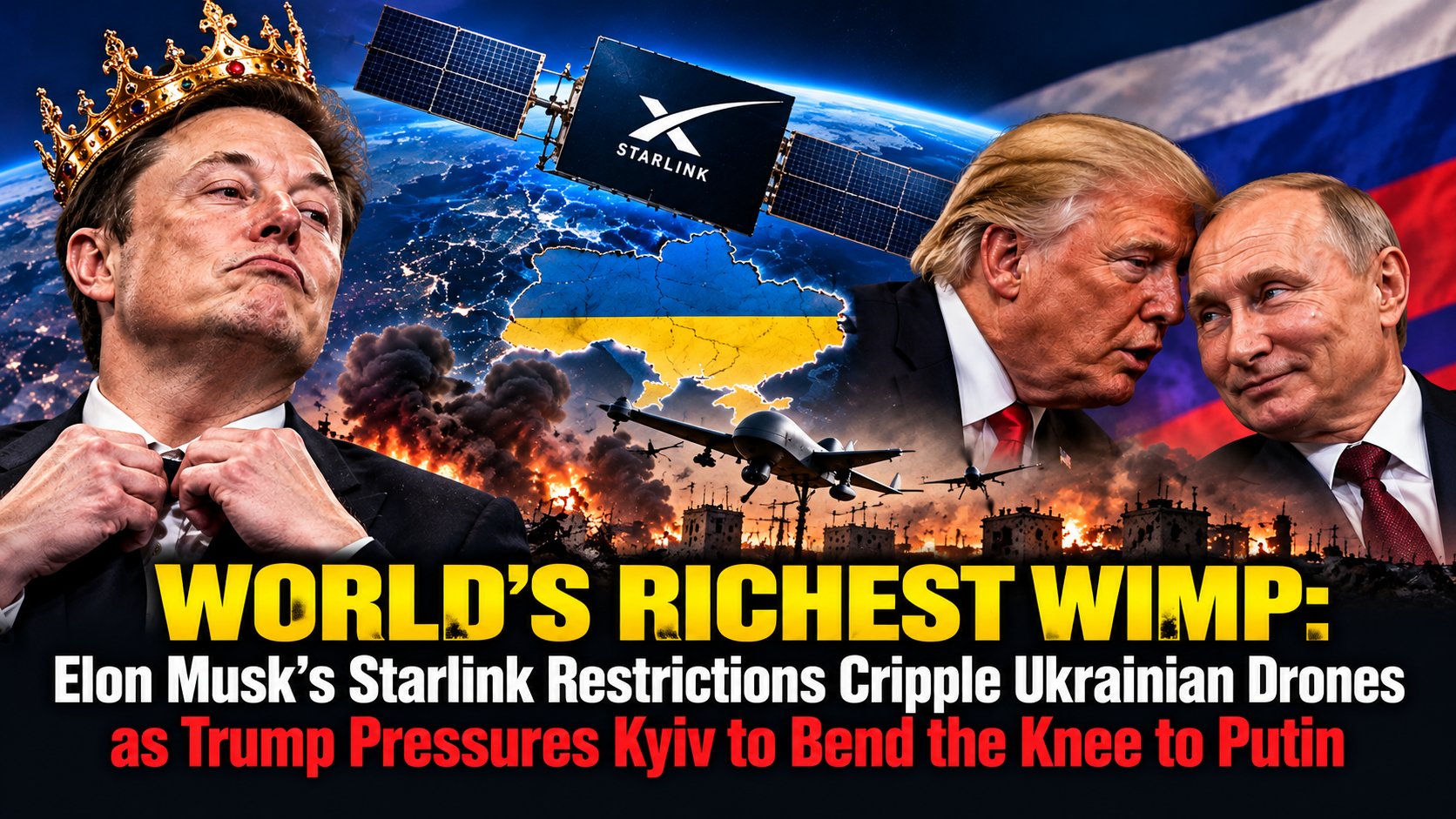
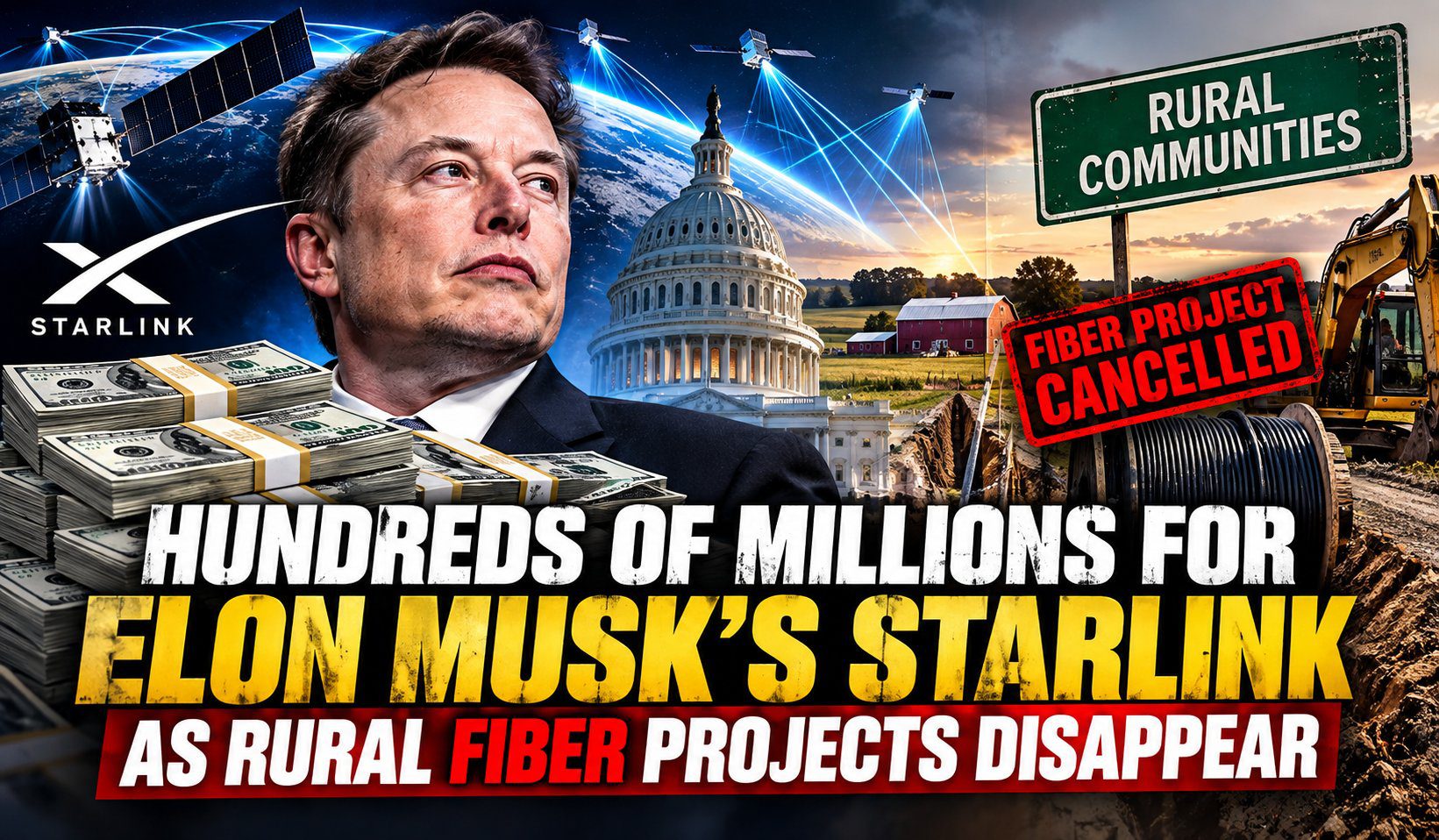
What makes this episode especially grating for many critics is not just the jury’s finding, it is the broader symbolism surrounding it. In a time when ordinary Americans are repeatedly told to trust institutions, follow the rules, and absorb economic shocks with quiet resilience, the spectacle of the world’s richest man entangled in yet another ethics controversy feels less like bold entrepreneurship and more like unchecked entitlement. Musk’s rise was not forged in isolation. His companies benefited from billions in government contracts, subsidies, and taxpayer-supported infrastructure that helped transform high risk ventures into dominant global forces.
To then watch markets sway on the back of impulsive tweets, legal brinkmanship, and credibility disputes strikes many observers as both exhausting and deeply ironic. The frustration is not simply about one lawsuit or one verdict, it reflects a widening public sentiment that extraordinary wealth and influence too often arrive without extraordinary accountability. For critics, the real issue is not innovation or ambition, but the growing perception that the rules shaping everyone else’s financial reality can still bend when enough money, and attention, is at stake.






























Want to join the conversation?
Create an account or sign in to share your thoughts, vote,
and reply to other readers.
Showing 0 of 0 comments
Don't have an account?
Already have an account?