
Hold On to Your Seats People… This is Fascinating
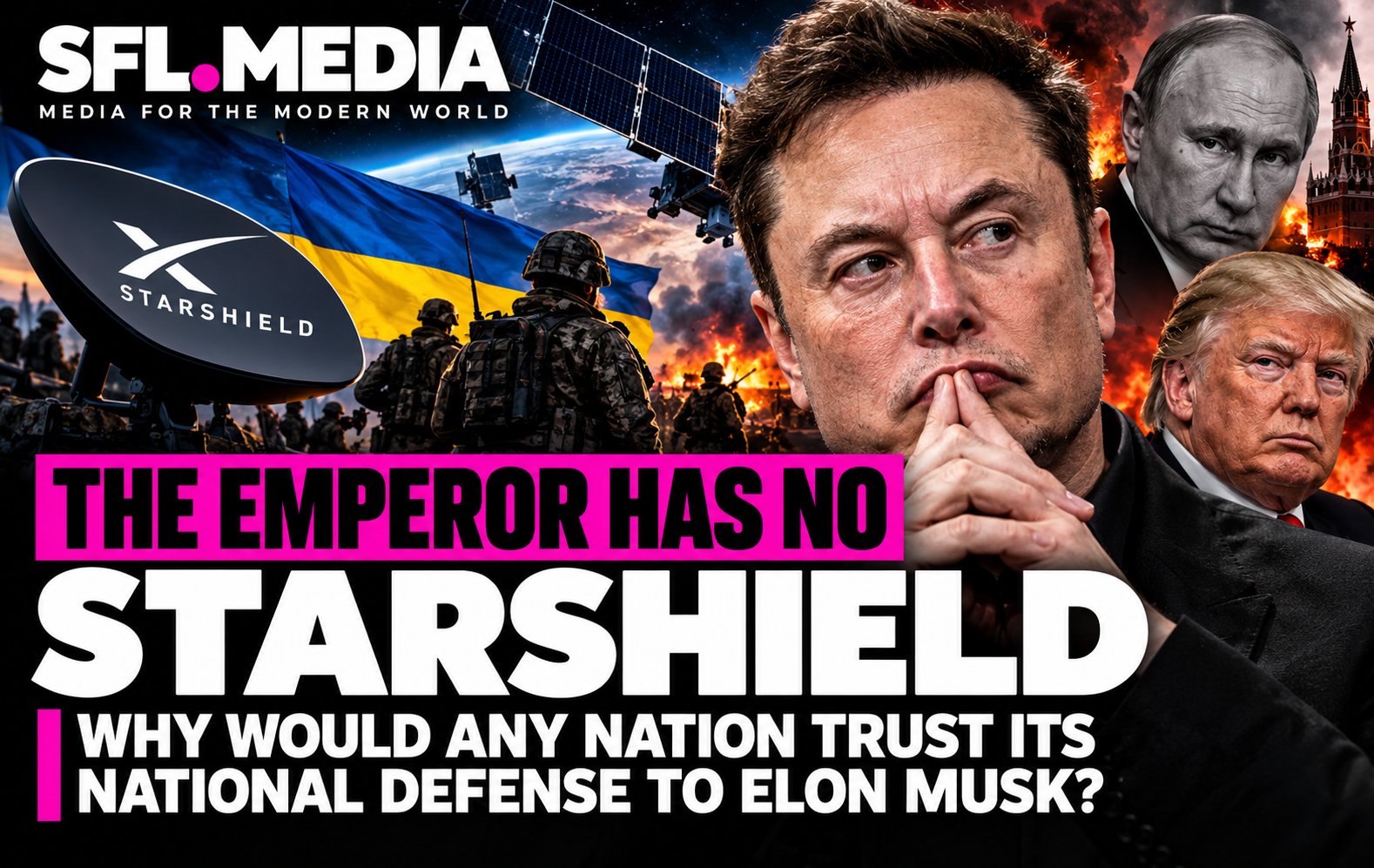
Before the rockets landed and the EVs took over the world, there was this 2007 interview. Watch as Elon Musk dismisses the threat of legacy giants like Lockheed Martin and Boeing to focus on disrupting the supercar market. But the real highlight? When pressed about the “Billionaire Space Race” against Bezos and Branson, Musk delivers one of the most legendary lines in tech history: “We have no competition.”
Sometimes, the most fascinating interviews are the ones that age like fine wine. This is one of those videos. You actually won’t believe what you hear in this, and how ahead of his time Elon really is.
The PBS Interview
A recently resurfaced 2007 interview with Elon Musk offers a rare glimpse into the mind of a man who, at the time, was still considered by many to be a wealthy dreamer chasing impossible goals. SpaceX had not yet revolutionized spaceflight. Tesla was little more than a startup with big ambitions. Most of the public had never heard of reusable rockets, and electric vehicles were often dismissed as glorified golf carts.

Yet watching this interview nearly two decades later feels less like looking into the past and more like watching a blueprint for the future.
Back in 2007, Musk was already talking about ideas that would eventually transform entire industries. What stands out most isn’t just that he was ambitious. It’s how confident he was that traditional industry giants were vulnerable.
At the time, the aerospace industry was dominated by massive defense contractors like Boeing and Lockheed Martin. These companies had decades of experience, government contracts worth billions, and armies of engineers. Most entrepreneurs would have viewed them as insurmountable obstacles.
Musk didn’t.
Instead, he spoke as though SpaceX was operating on an entirely different playing field. While others saw established giants, Musk saw inefficiencies. While others saw insurmountable barriers to entry, he saw opportunities to reinvent the way rockets were designed, built, and launched.
History would eventually prove him right.
Fast-Forward to Today
Today, SpaceX launches more rockets than virtually anyone else on Earth. The company’s reusable Falcon rockets fundamentally changed the economics of space travel, while its Starlink satellite network has become one of the largest telecommunications projects ever undertaken.
But perhaps even more striking was Musk’s confidence regarding Tesla.
In 2007, electric vehicles were nowhere near mainstream. The automotive industry was dominated by gasoline-powered vehicles, and many experts believed consumers would never embrace EVs in significant numbers. Musk, however, was focused on something most automakers ignored: making electric cars desirable.
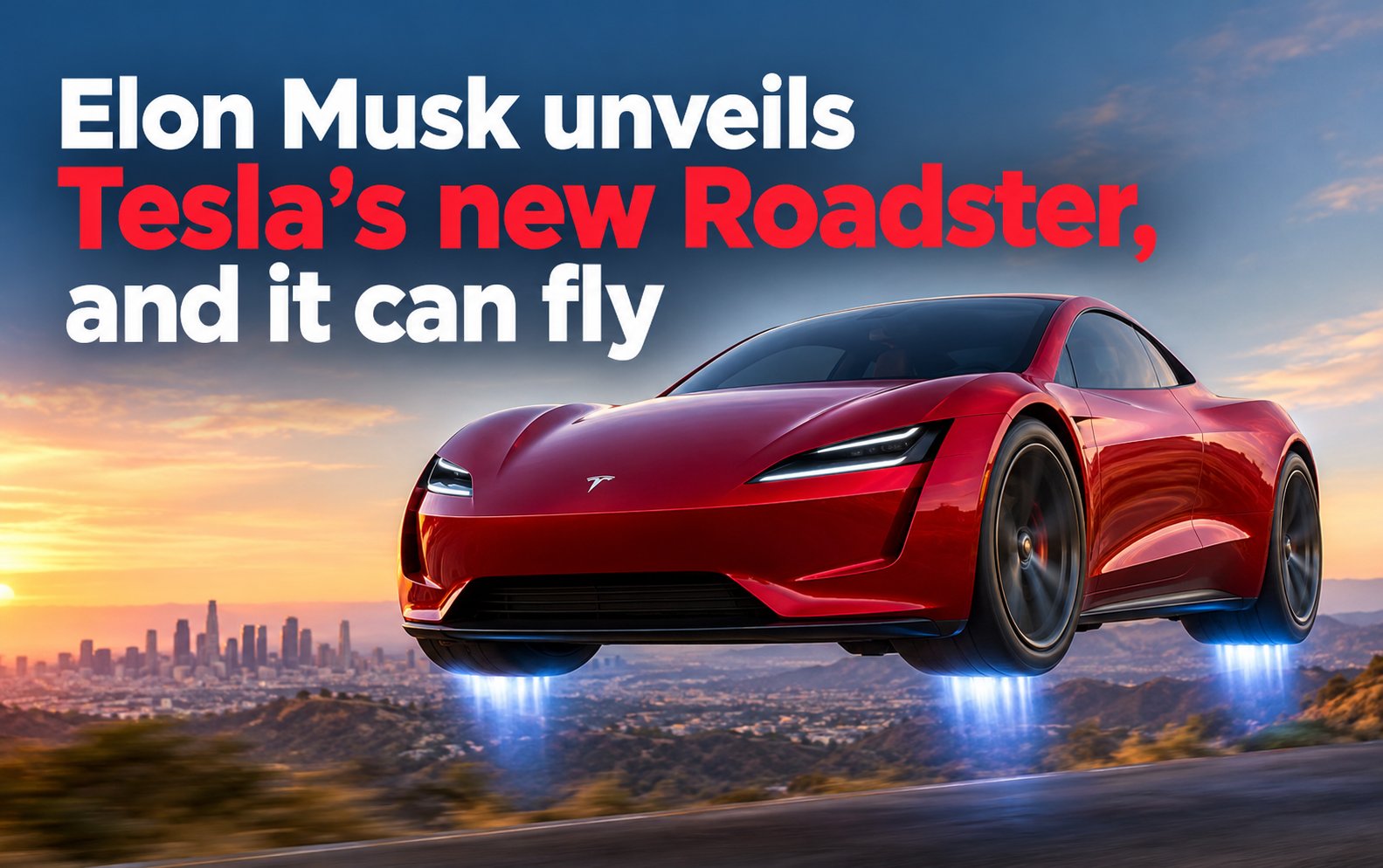
Instead of building cheap commuter cars first, Tesla targeted the luxury sports car market with the Roadster. The strategy was risky and widely criticized. Yet Musk understood something many industry veterans didn’t. If you could make an electric car faster, cooler, and more exciting than traditional sports cars, consumers would pay attention.
That approach ultimately helped reshape the entire automotive industry.
Now Every Automaker Wants an EV
Today, nearly every major automaker is racing to expand its electric vehicle lineup. Companies that once mocked EVs are now spending hundreds of billions of dollars trying to catch up.
The most memorable moment of the interview, however, comes when Musk is asked about what was then being called the “Billionaire Space Race.”
The media loved comparing Musk to fellow wealthy entrepreneurs like Jeff Bezos and Richard Branson. Reporters wanted rivalry. They wanted drama. They wanted a race. Musk wasn’t interested.
When asked about competing against Bezos and Branson, he responded with a line that sounds almost unbelievable in hindsight: “We have no competition.”
At the time, many viewers likely interpreted the comment as arrogance. Looking back, it appears more like conviction.
Musk wasn’t saying nobody else could build rockets. He expressed his belief that SpaceX’s mission, pace of innovation, and long-term goals were in a category of their own. While competitors were pursuing commercial space tourism or smaller ambitions, Musk was talking about reducing launch costs, making humanity multiplanetary, and ultimately reaching Mars.
Those goals sounded outrageous in 2007. They still sound ambitious today.
But that’s precisely what makes the interview so fascinating.
The video serves as a reminder that many transformative ideas initially appear unrealistic. Before Tesla became the world’s most valuable automaker, before Falcon rockets landed themselves, before astronauts flew to orbit aboard privately developed spacecraft, Musk was already describing the future he intended to build.
Watching this lost interview today feels like opening a time capsule from an era when most people still doubted everything Musk was attempting. Whether you admire him or criticize him, one thing becomes abundantly clear after watching the footage: Elon Musk wasn’t reacting to the future.
He was trying to create it. And in many ways, he succeeded.
*19 Years and change to be exact




































Want to join the conversation?
Create an account or sign in to share your thoughts, vote,
and reply to other readers.
Showing 0 of 0 comments
Don't have an account?
Already have an account?