
SpaceX Market Debut
SpaceX is no longer just a rocket company. As Elon Musk’s aerospace giant moves closer to a potential public market debut, investors and analysts are grappling with a question that has no easy answer: What exactly is SpaceX?
The company has transformed from an ambitious startup focused on reducing the cost of space travel into a sprawling technology powerhouse that now operates across aerospace, telecommunications, defense, manufacturing, artificial intelligence infrastructure, and national security. With private market valuations reportedly approaching or exceeding $400 billion, SpaceX is already worth more than many publicly traded blue chip corporations. Unlike traditional aerospace companies, SpaceX has built an ecosystem of interconnected businesses that could make it one of the most unique investments Wall Street has ever evaluated.
More Than a Rocket Company
Most people know SpaceX for its reusable Falcon 9 rockets and the massive Starship program currently under development. The company has revolutionized the launch industry by dramatically lowering the cost of sending satellites, cargo, and astronauts into orbit.
Today, SpaceX dominates the global commercial launch market. Falcon rockets conduct missions at a pace that was once unimaginable in the aerospace sector, often launching multiple times per week. The company has become the preferred launch provider for commercial satellite operators, NASA missions, and military payloads. But launches are increasingly becoming just one piece of a much larger business model.
Starlink Is Becoming a Telecom Giant
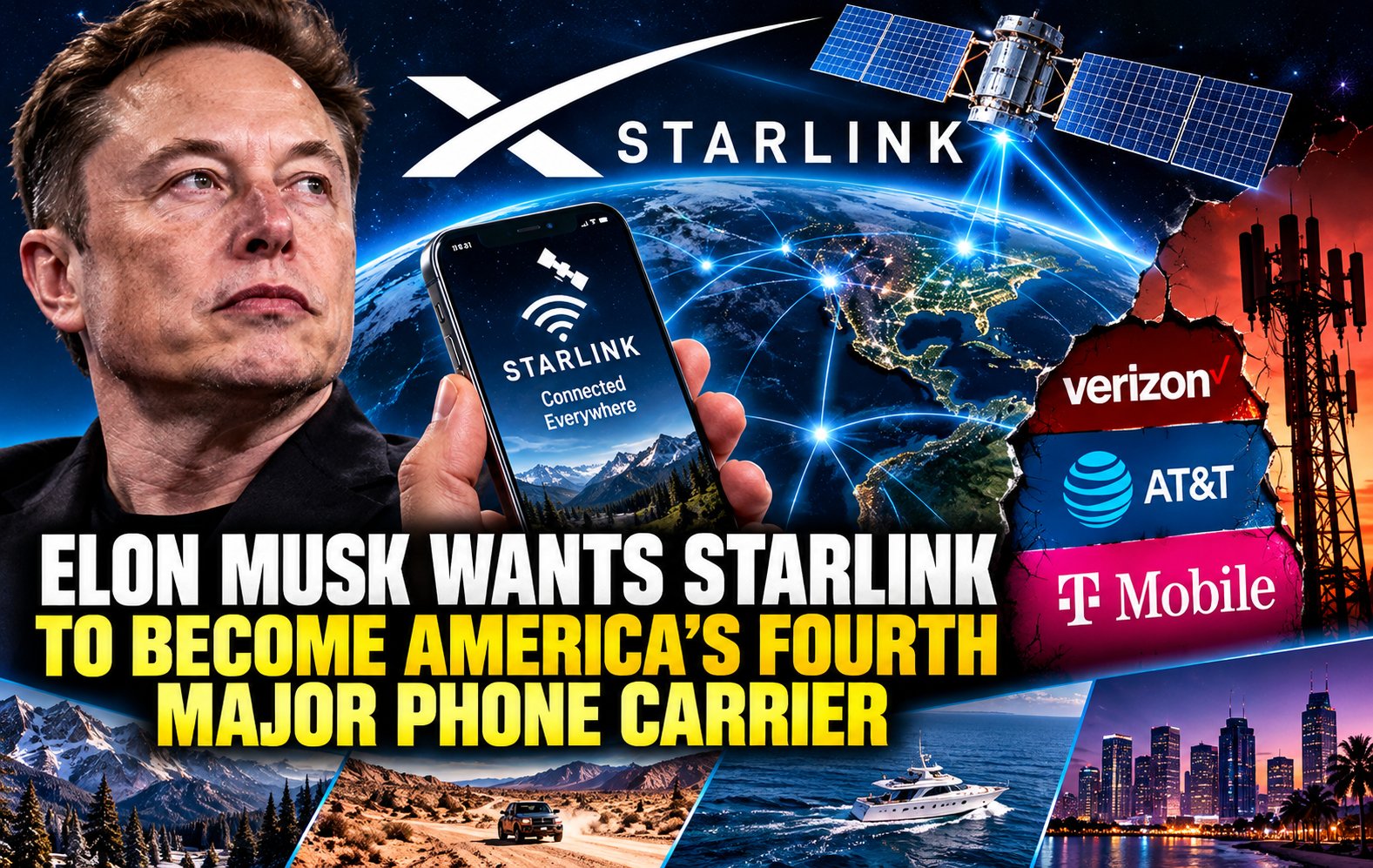
If SpaceX were valued solely on its launch business, it would still be considered one of the world’s most successful aerospace companies. However, Starlink has fundamentally changed the equation. Starlink’s growing constellation of thousands of low Earth orbit satellites provides broadband internet service across much of the globe. The service has rapidly expanded into residential markets, aviation, maritime operations, disaster response, rural communities, and military applications.
Many analysts believe Starlink could eventually generate more revenue than the rocket business itself. The satellite internet network has become one of the fastest growing telecommunications platforms in history, giving SpaceX recurring subscription revenue that resembles a technology company far more than a traditional aerospace contractor.
A Critical National Security Partner
SpaceX has also become deeply integrated into U.S. national security operations. The company launches sensitive military payloads, supports defense communications, and provides connectivity solutions used by governments and armed forces around the world. Starlink’s role in global conflicts and emergency response situations has highlighted the strategic importance of SpaceX’s infrastructure.
As geopolitical tensions rise, governments increasingly view access to resilient satellite networks as a critical national security asset. This places SpaceX in direct competition with traditional defense contractors while simultaneously creating opportunities that few private companies can match.
The AI Infrastructure Connection
A newer and often overlooked aspect of the SpaceX story is its connection to the rapidly expanding artificial intelligence economy. Massive AI systems require enormous amounts of computing power and data connectivity. As demand for AI infrastructure grows, the need for global communications networks and high capacity data transmission becomes increasingly important.
Starlink’s satellite network could play a role in supporting future AI driven applications, autonomous systems, remote operations, and global cloud connectivity. While SpaceX is not an AI company in the traditional sense, its infrastructure may become an important component of the digital backbone supporting future AI technologies.
The Starship Wild Card
Perhaps the biggest variable in SpaceX’s future valuation is Starship. The massive next generation rocket is designed to carry significantly larger payloads than existing launch systems while dramatically reducing transportation costs. If successful, Starship could unlock entirely new markets that barely exist today. Potential applications include large scale satellite deployment, lunar missions, deep space exploration, point to point cargo transportation, and eventually human settlement efforts beyond Earth. Investors often struggle to value Starship because many of its potential revenue streams remain speculative. Yet its success could fundamentally reshape industries that extend far beyond aerospace.
Why Traditional Valuation Models Struggle
Wall Street typically values companies based on established industry categories. Technology companies are compared to technology companies. Telecom firms are measured against telecom firms. Defense contractors are judged against defense contractors.
SpaceX does not fit neatly into any of these categories. Its launch business resembles an aerospace manufacturer. Starlink operates like a telecommunications provider. Government contracts mirror aspects of a defense contractor. Future infrastructure opportunities suggest characteristics of a technology platform. As a result, investors may eventually need to evaluate SpaceX using multiple valuation frameworks simultaneously. That challenge has few historical precedents.
A Company Creating Its Own Category
The closest comparison may be that there is no comparison. SpaceX has built an integrated business model that combines launch services, satellite communications, advanced manufacturing, national security capabilities, and emerging infrastructure technologies under a single corporate umbrella.
If the company eventually reaches public markets, investors will not simply be buying shares in a rocket manufacturer. They would be purchasing a stake in a business that touches some of the most important sectors of the modern economy.
For decades, Wall Street has categorized companies according to familiar industries. SpaceX may become one of the first major corporations that forces investors to rethink those categories altogether. As the company continues expanding its influence from Earth orbit to global communications and beyond, one thing is becoming increasingly clear: SpaceX is not just building rockets. It is building an entirely new industrial ecosystem, and Wall Street has never seen anything quite like it.



















































Want to join the conversation?
Create an account or sign in to share your thoughts, vote,
and reply to other readers.
Showing 0 of 0 comments
Don't have an account?
Already have an account?