
DHS Counterterrorism Official Placed on Leave Amid Explosive Misconduct Allegations
A senior counter terrorism official inside the Department of Homeland Security is now at the center of a rapidly escalating internal investigation, one that blends personal scandal with serious national security concerns.
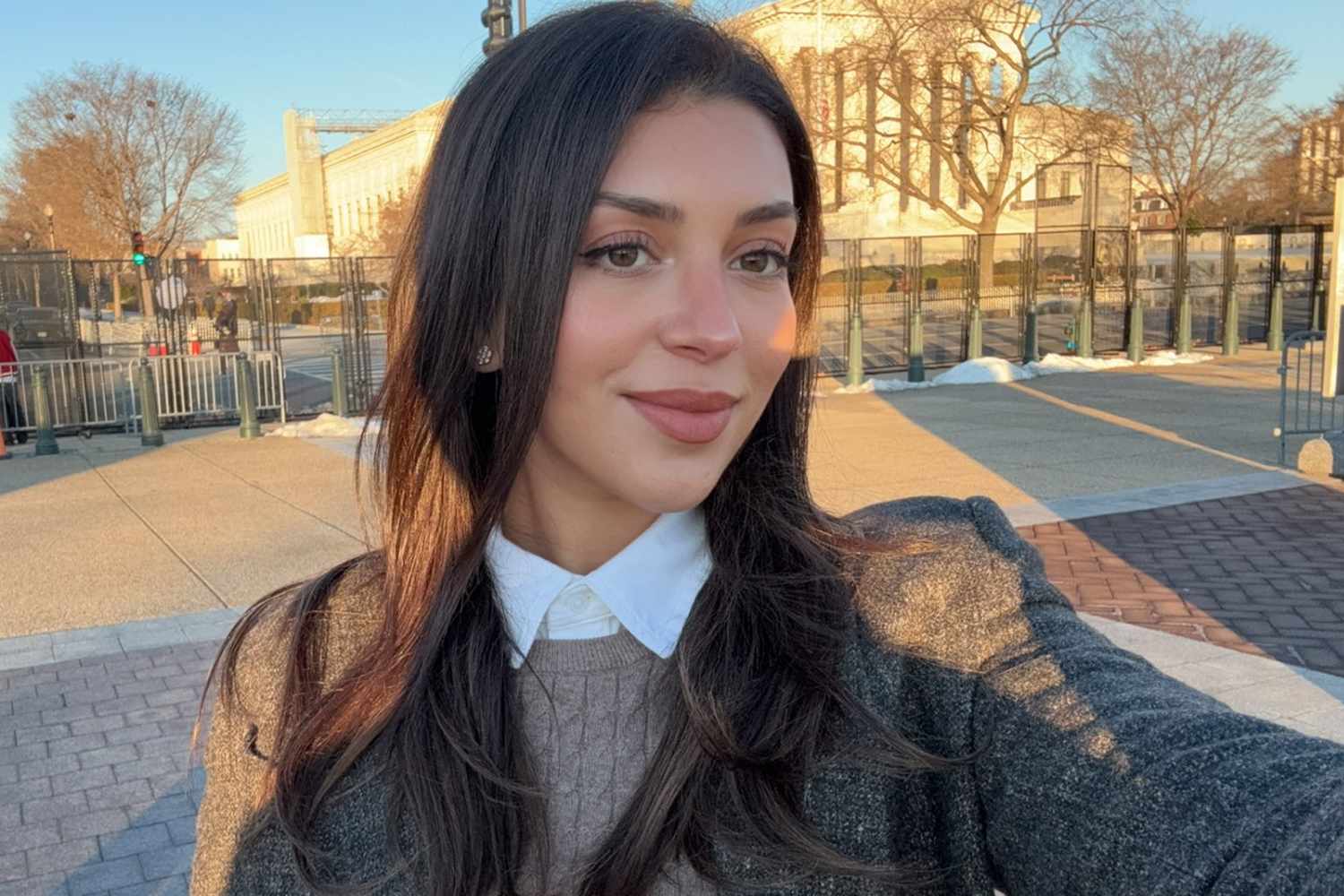
Julia Varvaro, 29, a Deputy Assistant Secretary for Counter terrorism, has been placed on administrative leave following a formal complaint filed with the department’s watchdog, the DHS Office of Inspector General. The allegations, still unproven, paint a picture that raises uncomfortable questions about judgment, access, and vulnerability at the highest levels of U.S. security. This isn’t just about a relationship gone wrong, this is about whether someone with top level access created a risk vector for foreign exploitation.
The Allegations: Luxury, Access, and Influence
At the center of the complaint is a businessman, identified in reports as “Robert” who claims his relationship with Varvaro was transactional, not romantic. According to the filing, he spent between $30,000 and $40,000 over a three month period funding a lifestyle that included international travel, high end fashion, and direct financial support.
Trips to Aruba, Italy, and Switzerland. Designer goods including a $3,500 Bottega Veneta handbag and Cartier jewelry. Requests for rent assistance during a federal funding lapse. Those details alone would typically remain in the realm of personal conduct. But the complaint goes further, alleging that Varvaro leveraged her government position in ways that could cross ethical and legal lines.
The businessman claims she bypassed airport security procedures at Dulles International Airport through a TSA contact, boasted about access to elite global events like the Winter Olympics, and made statements implying federal agencies such as ICE operated under her influence. If even partially accurate, those claims cut into the core expectation of discretion and restraint required for officials operating with high level clearance.
The Digital Trail: “Alessia” and the Risk Profile
The complaint also alleges Varvaro maintained a profile on the luxury dating platform Seeking.com under the alias “Alessia,” describing herself in language that emphasized exclusivity and “seductive sophistication.” That detail is not scandalous in isolation, but in a national security context, it becomes something else entirely.
Intelligence agencies have long warned that individuals with access to classified systems who engage in undisclosed financial relationships or maintain anonymous online identities may become targets for coercion or compromise. The concern is not morality, it’s leverage.
Add to that allegations of recreational drug use, including marijuana and Xanax both of which could jeopardize a Top Secret clearance and the risk profile intensifies. Substance use, if verified, is a standard disqualifier in clearance reviews precisely because it introduces unpredictability and potential vulnerability.
Why This Matters: A Counterintelligence Red Flag
The core issue now facing investigators is not whether Varvaro had a controversial personal life. It’s whether her behavior created an opening for foreign intelligence services. The Department of Homeland Security sits at the center of U.S. domestic security operations overseeing counter terrorism coordination, border enforcement, and intelligence sharing across agencies. A Deputy Assistant Secretary in that ecosystem is not a peripheral player.
Investigators are expected to examine three critical risk vectors:
First, whether financial dependence or lavish external support created susceptibility to bribery or coercion.
Second, whether participation in high end dating platforms exposed her identity and position to unknown actors, including foreign nationals.
Third, whether any claims of influence or access real or exaggerated were used to cultivate relationships that could intersect with sensitive information.
This is textbook counterintelligence territory. Not hypothetical risk, procedural red flags.
Varvaro Pushes Back: “A Relationship Turned Sour”
Varvaro has publicly denied the allegations, framing the situation as retaliation from a disgruntled former partner. In interviews, including with the Daily Mail, she described the claims as fabricated and exaggerated. She maintains the relationship was legitimate and exclusive, not transactional. Travel and gifts, she argues, are not evidence of misconduct but normal elements of a high income relationship dynamic.
She has also denied any drug use and rejected the notion that her career advancement was influenced by outside relationships. Varvaro earned a PhD in Homeland Security in 2024 and rose into her current role in 2025, a trajectory she insists was merit based.
Her defense hinges on a familiar argument in Washington scandals: personal behavior is being weaponized to imply professional wrongdoing.
A Department Under Pressure
The investigation comes at a volatile moment for DHS, which is already navigating leadership instability following the departure of former Secretary Kristi Noem. Even if the allegations ultimately collapse, the optics are damaging. DHS operates on public trust and internal discipline, particularly in counter terrorism, where credibility is currency.
A scandal like this doesn’t just raise questions about one official. It forces a broader examination of vetting, oversight, and how personal conduct intersects with national security risk in an era where digital footprints and private relationships are increasingly difficult to separate from public responsibility.
What Comes Next?
The DHS Office of Inspector General has not confirmed details of the investigation, consistent with its policy on active probes. But Varvaro remains on administrative leave a clear signal that DHS is treating the matter with seriousness.
The outcome will likely hinge on verifiable evidence: financial records, digital activity, travel logs, and witness corroboration. Until then, the case sits in a gray zone, part personal dispute, part extremely low level potential security breach. In Washington, behavior like this is just another day at the office these days…
“After writing this article, the allegations seem weak at best. It looks more like her sugar daddy is upset that she cut things off. Plus marijuana in 2026? Get Real. The only crime here is bad choice in men.” — Patrick Zarrelli



































Want to join the conversation?
Create an account or sign in to share your thoughts, vote,
and reply to other readers.
Showing 0 of 0 comments
Don't have an account?
Already have an account?