
Airlines Rising Tickets
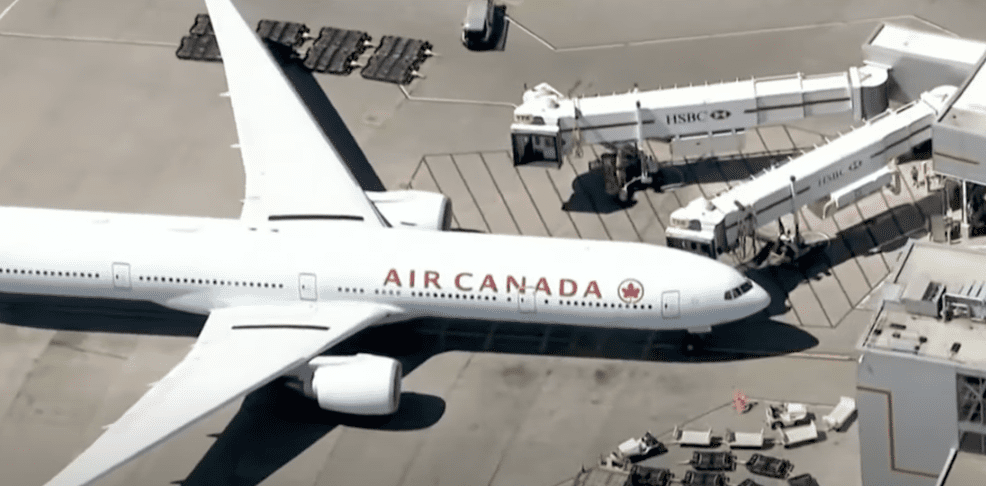
Travelers looking for cheaper airfare may be disappointed. Despite hopes that airline ticket prices would ease after several years of inflation, the cost of flying remains stubbornly high. Industry experts say the main reason is that airlines are facing soaring fuel costs while demand for travel continues to stay strong, giving carriers little reason to lower fares.
Jet fuel is one of the biggest expenses for any airline. When fuel prices rise, the cost of operating thousands of daily flights rises with them. Airlines have warned investors that they are paying billions of dollars more for fuel than they had anticipated earlier this year. Those added costs are making it more expensive to fly passengers across the country and around the world, and airlines are largely passing those expenses on through higher ticket prices.
Fuel Prices Continue to Pressure Airlines
Although oil prices often receive the most public attention, airlines purchase refined jet fuel, which can fluctuate independently and often becomes more expensive during periods of strong demand or supply disruptions. Even relatively small increases in fuel prices can have a major impact because airlines consume millions of gallons every day.
Executives from several major airlines have said that fuel has become one of the biggest challenges facing the industry in 2026. Higher fuel expenses have reduced profit margins and forced some carriers to adjust financial forecasts, even as passenger traffic remains healthy.
Unlike many other business costs, fuel is largely unavoidable. Every flight requires it, and airlines have few options to significantly reduce consumption in the short term beyond operating newer, more fuel-efficient aircraft and optimizing flight routes.
Travel Demand Hasn’t Slowed
Normally, rising prices would cause consumers to pull back, but that has not happened with air travel.
Americans continue booking vacations, family trips, cruises, international getaways, and business travel at a strong pace. Airlines say many flights are still filling up, particularly during weekends, holidays, and peak vacation seasons.
Because demand remains high, airlines have little incentive to offer widespread discounts. Modern pricing systems constantly adjust fares based on how quickly seats are selling. If flights continue filling up, ticket prices typically remain elevated instead of dropping.
For airlines, lowering prices simply isn’t necessary when customers continue purchasing tickets at current rates.
More Than Just Fuel
Fuel is not the only reason airfare remains expensive. Airlines are also dealing with higher labor costs after negotiating new contracts with pilots, flight attendants, mechanics, and ground workers. Inflation has also increased the price of aircraft maintenance, replacement parts, airport fees, insurance, and financing.
At the same time, aircraft manufacturers continue struggling with production delays, making it harder for airlines to expand fleets or replace older, less efficient airplanes. Limited aircraft availability means fewer seats are entering the market, helping keep prices elevated.
All of these factors add to the cost of operating flights, making it difficult for airlines to significantly reduce fares even if they wanted to.
Competition Isn’t Driving Prices Down
While competition among airlines still exists, the industry has become more disciplined about pricing than it was decades ago. Rather than engaging in fare wars that hurt profits, carriers increasingly focus on maximizing revenue through dynamic pricing, premium seating, baggage fees, and loyalty programs.
Budget airlines continue offering lower fares on some routes, but even they have warned that rising fuel prices are putting pressure on their business models. Many low-cost carriers have also reduced capacity on less profitable routes, limiting the number of bargain fares available.
Will Airfare Eventually Fall?
Airfares could decline if fuel prices retreat, travel demand weakens, or airlines add significantly more capacity. Seasonal trends also play a role, with prices often dropping during slower travel periods after major holidays.
However, none of those conditions appear likely to dramatically change in the near future. As long as consumers continue traveling in large numbers and airlines face elevated operating costs, ticket prices are expected to remain relatively high.
For travelers, the best way to save money may be booking flights well in advance, remaining flexible with travel dates, and comparing fares across multiple airlines.
The Bottom Line
The era of consistently cheap airfare is unlikely to return anytime soon. Rising fuel costs, higher labor expenses, limited aircraft availability, and strong consumer demand have created a market where airlines can maintain higher ticket prices without significantly hurting bookings.
While airfare will continue to fluctuate depending on destination and season, travelers should not expect widespread price cuts in the months ahead unless economic conditions or fuel markets change significantly.

















































Want to join the conversation?
Create an account or sign in to share your thoughts, vote,
and reply to other readers.
Showing 0 of 0 comments
Don't have an account?
Already have an account?