
Dana White’s 60 Minutes Interview: Power, Pay, and the Politics of UFC
“I can’t sit here right now and tell you it’s double, it’s one-and-a-half, it’s triple. But, yeah, fighter pay is — yeah, it’s going to be good.” — Dana White on UFC’s $7.7 billion rights deal
The Money Question UFC Won’t Answer
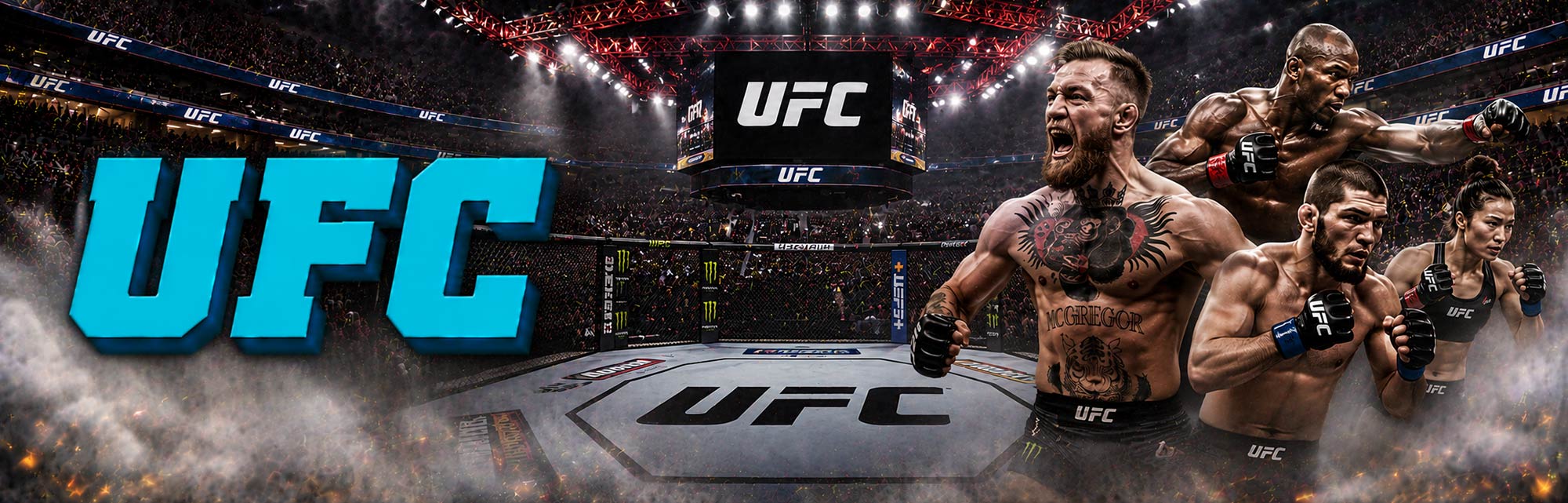
Dana White used his 60 Minutes platform to showcase the UFC as a global juggernaut but when pressed on fighter compensation, he danced around specifics. At the heart of the controversy is UFC’s long-standing reputation for paying athletes a far smaller percentage of revenue than other professional sports.
White cited the upcoming media rights windfall, insisting fighters would benefit, but refused to provide numbers. Entry-level fighters, those earning around $12,000 to show and $12,000 to win, were held up as examples of opportunity, not underpayment. What he didn’t engage with was the structural imbalance: independent analysis and ongoing lawsuits have pegged fighter pay at roughly 16–20% of UFC revenue, compared to more than 50% in leagues like the NFL or NBA.
Masculinity and “Cancel Culture”
The interview took a sharp cultural turn as White leaned into the UFC’s image as “unapologetically masculine.” When asked about “toxic masculinity,” he scoffed:
“What’s the definition … How can somebody be too masculine? Hell no.”
White positioned himself as a crusader against “cancel culture,” calling it destructive across the political spectrum. But the claim rings hollow given UFC’s history of disciplining fighters for public comments. White glossed over the contradiction by suggesting his views had “changed over time.” The message was clear: UFC under his watch will be defiant, confrontational, and resistant to cultural critique.
Politics in the Octagon’s Shadow
Perhaps the most politically charged section came when White addressed his long-time friendship with Donald Trump. He insisted their conversations were apolitical, claiming they talk about “Rocky movies” rather than elections. Yet he floated the idea of staging a UFC event on the White House lawn a move that would all but erase the line between sports entertainment and political theater.
White tried to blunt accusations of bias by recalling moments of respect with presidents across party lines, including Barack Obama. Still, his unwavering loyalty to Trump and the overlap between UFC branding and populist politics is impossible to ignore.
Leadership by Force
The interview also spotlighted White’s brash, authoritarian style. He described once kicking the door of a production truck when staff didn’t follow his order. He admitted to gambling millions at Las Vegas casinos, sometimes winning big, sometimes losing hard. And when labeled a bully, he embraced it:
“If you want to call me a bully, then yeah, I’m a bully.”
It’s a persona built on aggression and dominance traits that mirror the very sport he oversees. For critics, it raises questions about how much of UFC’s culture is shaped by White’s own temperament.
The Larger Picture
Dana White’s 60 Minutes appearance was more than a puff piece. It was a window into the contradictions driving the UFC empire: explosive growth paired with persistent inequities, swaggering cultural bravado coupled with political entanglements, and a CEO who openly embraces his own hard-edged reputation. For fighters still chasing a living wage, for fans questioning the culture UFC promotes, and for a sports industry increasingly entangled with politics, the unanswered questions from White’s interview matter as much as the ones he chose to answer.
Sources











































Want to join the conversation?
Create an account or sign in to share your thoughts, vote,
and reply to other readers.
Showing 0 of 0 comments
Don't have an account?
Already have an account?