
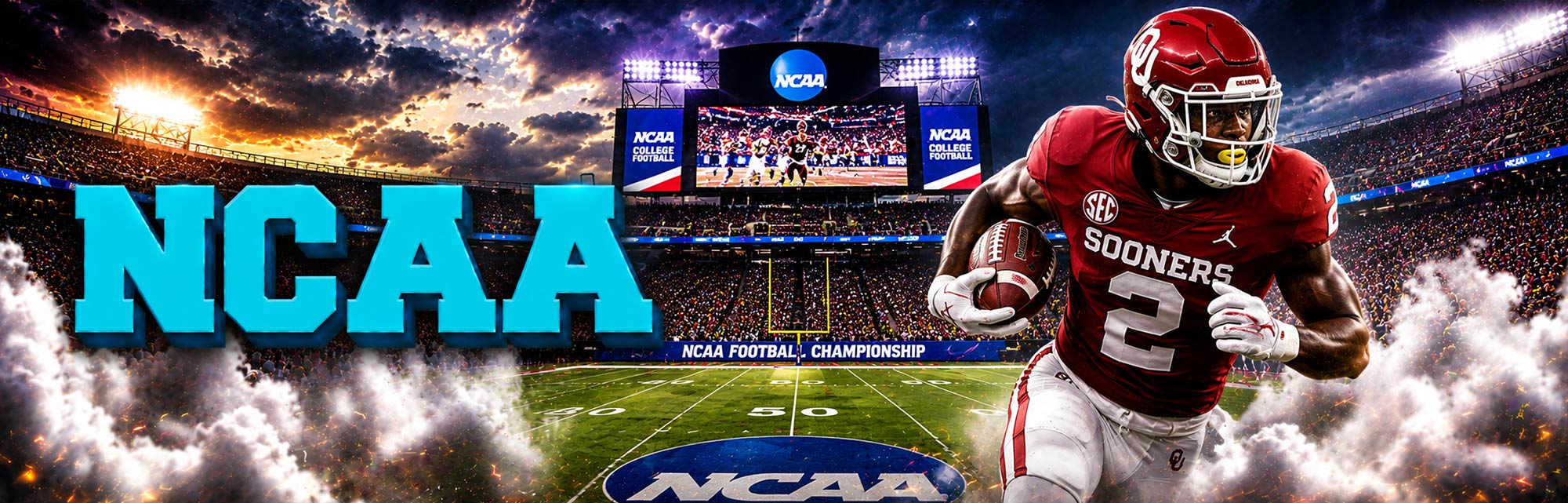
The college sports landscape is undergoing another major eligibility shift as the Southeastern Conference and Big Ten move to prevent athletes who have entered professional sports from returning to college competition.
The SEC announced Tuesday that its member schools unanimously approved a new conference policy prohibiting athletes with certain professional football or basketball experience from returning to an SEC roster. The 16-0 vote came during an in person meeting of conference presidents, chancellors and athletic directors and gives SEC Commissioner Greg Sankey authority to enforce the policy with penalties against member institutions.
The move follows the Big Ten’s similar opposition and comes amid a growing legal battle over whether athletes who have exhausted or altered their college eligibility should be allowed to return after pursuing professional careers.
The SEC’s new policy lays out three circumstances that would prevent an athlete from being on an SEC roster.
Under the conference’s announcement, SEC institutions are not permitted to have an athlete who has:
- Previously declared for the NFL, NBA or WNBA draft and did not appropriately withdraw.
- Signed a contract with an NFL or other professional football league, NBA or G League team, or WNBA or affiliated team.
- Been listed on an NFL or other professional football league, NBA or G League, or WNBA or affiliated roster.
The conference said Sankey is authorized to enforce the policy and impose penalties against member schools. The SEC has not yet announced what those penalties will be. The policy represents one of the strongest attempts by a major college conference to draw a line between professional and college athletics.
The debate intensified because of the unusual situation involving former Ole Miss tight end Dae’Quan Wright. Wright was attempting to return to college football after pursuing an NFL career with the Cleveland Browns. He dressed for Cleveland’s preseason game against the Buffalo Bills on Saturday but did not play. The Browns waived him Monday, and he went unclaimed by Tuesday’s deadline.
Wright is now available in the NCAA transfer portal after a Louisiana judge granted him a temporary restraining order and an opportunity to pursue a fifth season of college eligibility. His case has become a major test of the boundaries between professional football and college athletics, particularly as athletes and attorneys continue challenging NCAA eligibility restrictions in court.
The issue extends beyond football. Star basketball player RJ Luis Jr. also received a temporary injunction from a Louisiana judge Monday allowing him to play college basketball this season despite having signed multiple NBA contracts.
That ruling creates another potential challenge for conferences attempting to establish uniform eligibility standards.
LSU has been connected to both situations, with football coach Lane Kiffin and men’s basketball coach Will Wade reportedly interested in the players. It remains unclear whether LSU will continue pursuing either athlete under the new SEC policy, wait for the courts to resolve the eligibility disputes or ultimately move away from the players.
The situation puts schools in a difficult position as conference rules and court orders potentially collide.
The SEC had already expressed its opposition to professional athletes returning to college before Tuesday’s vote.
In a statement Monday, the conference argued that allowing athletes to move from professional sports back into college would blur the distinction between the two levels and create competitive-equity concerns.
The SEC also argued that allowing professional athletes to return could reduce opportunities for high school recruits and current college athletes.
“College sports are for college athletes,” the conference said, while also calling for action on the Protect College Sports Act.
The SEC believes Congress should establish a national eligibility standard rather than allowing eligibility rules to vary depending on individual court rulings and state laws.
The SEC is not alone in pushing back against professional-to-college transactions. The Big Ten has already adopted a similar position, while the ACC and Big 12 appear to be moving toward comparable policies.
Big 12 athletic directors met Tuesday and are scheduled to meet again Wednesday. Sources indicated the conference is expected to reach a position similar to the SEC and Big Ten regarding football players returning from professional football, although the Big 12 had not formally announced its policy.
The ACC also has meetings scheduled with Commissioner Jim Phillips and conference members Wednesday.
Notre Dame, which operates independently in football but competes in the ACC in most other sports, has also reportedly taken a strong stance against professional athletes returning to college.
“Notre Dame is also totally opposed” to pro-to-college transactions, school sources said.
The rapidly developing policies could set up a significant confrontation between college conferences and the courts. Judges in Louisiana have already issued temporary orders allowing individual athletes to pursue opportunities that conferences are now attempting to restrict through their own eligibility rules.
That creates uncertainty for schools that may want to sign athletes while also remaining compliant with conference policies.
The SEC’s unanimous vote is particularly significant because it demonstrates that the league’s leadership is united despite the fact that some of its coaches are interested in adding athletes who have recently been cut by professional teams.
For college coaches, the issue is no longer simply about whether a talented player is eligible under NCAA rules. Schools must now consider whether adding that player could violate conference policy and potentially result in institutional penalties.
The SEC and Big Ten’s actions could mark the beginning of a broader effort among major conferences to establish their own barriers against professional-to-college movement.
The debate comes at a time when college athletics is already undergoing enormous changes involving the transfer portal, name, image and likeness opportunities, revenue sharing and expanded athlete rights.
Allowing professional athletes to return to college would add another layer of complexity to an already unsettled system.
For now, the SEC has drawn a clear line: athletes who have crossed certain thresholds into professional football or basketball will not be permitted to return to an SEC roster.
With the Big Ten already taking a similar position and the ACC and Big 12 expected to follow, the next major question may be whether lawmakers or the courts ultimately determine how professional and college eligibility should coexist.
The cases involving Wright and Luis could become landmark tests for that question, particularly as conferences attempt to establish rules that apply across college athletics while courts continue issuing individual eligibility rulings.
































































Want to join the conversation?
Create an account or sign in to share your thoughts, vote,
and reply to other readers.
Showing 0 of 0 comments
Don't have an account?
Already have an account?