

Epstein Files Release Reveals Serious FBI Allegation Against Fort Lauderdale Mayor Dean Trantalis
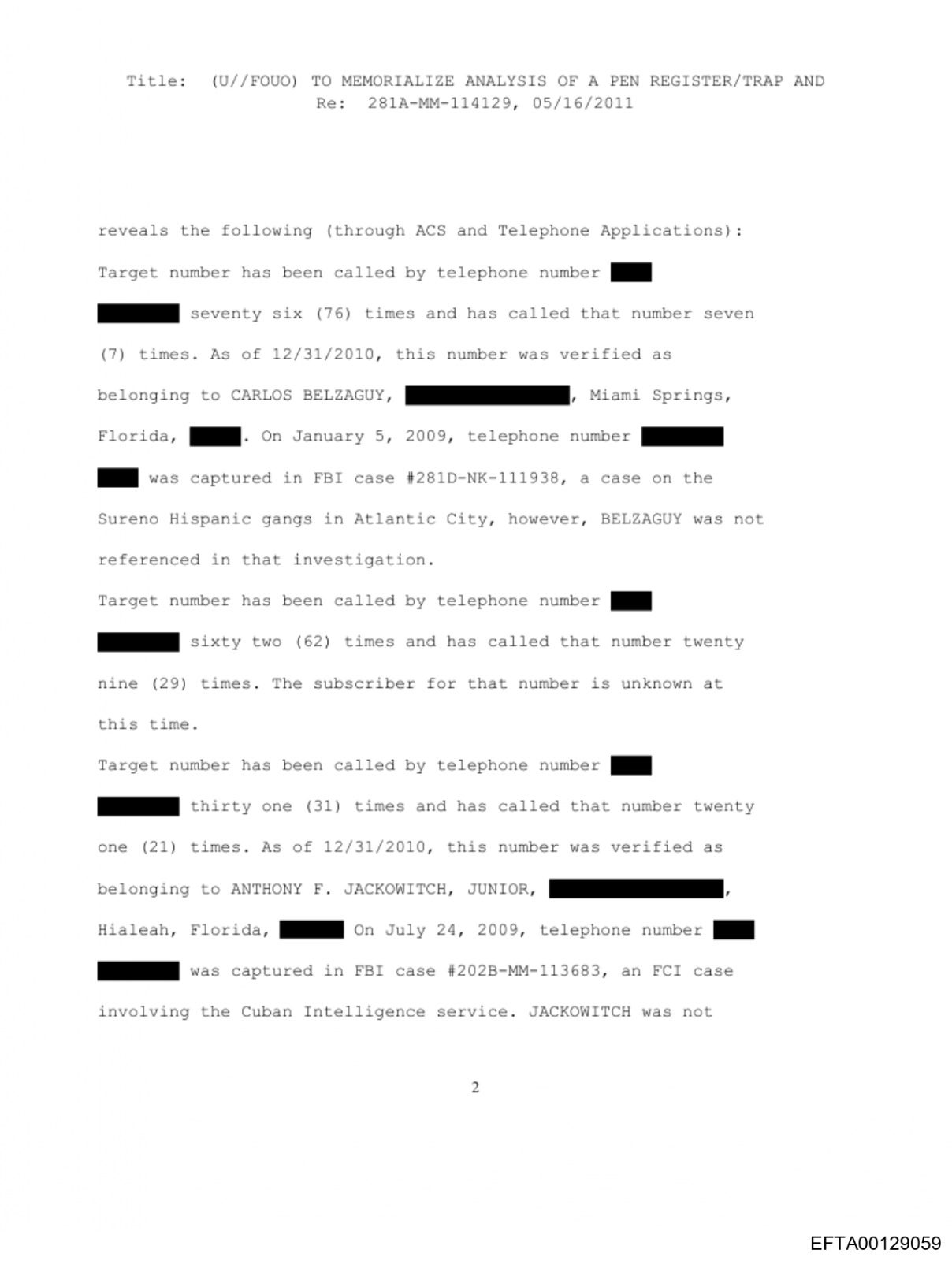
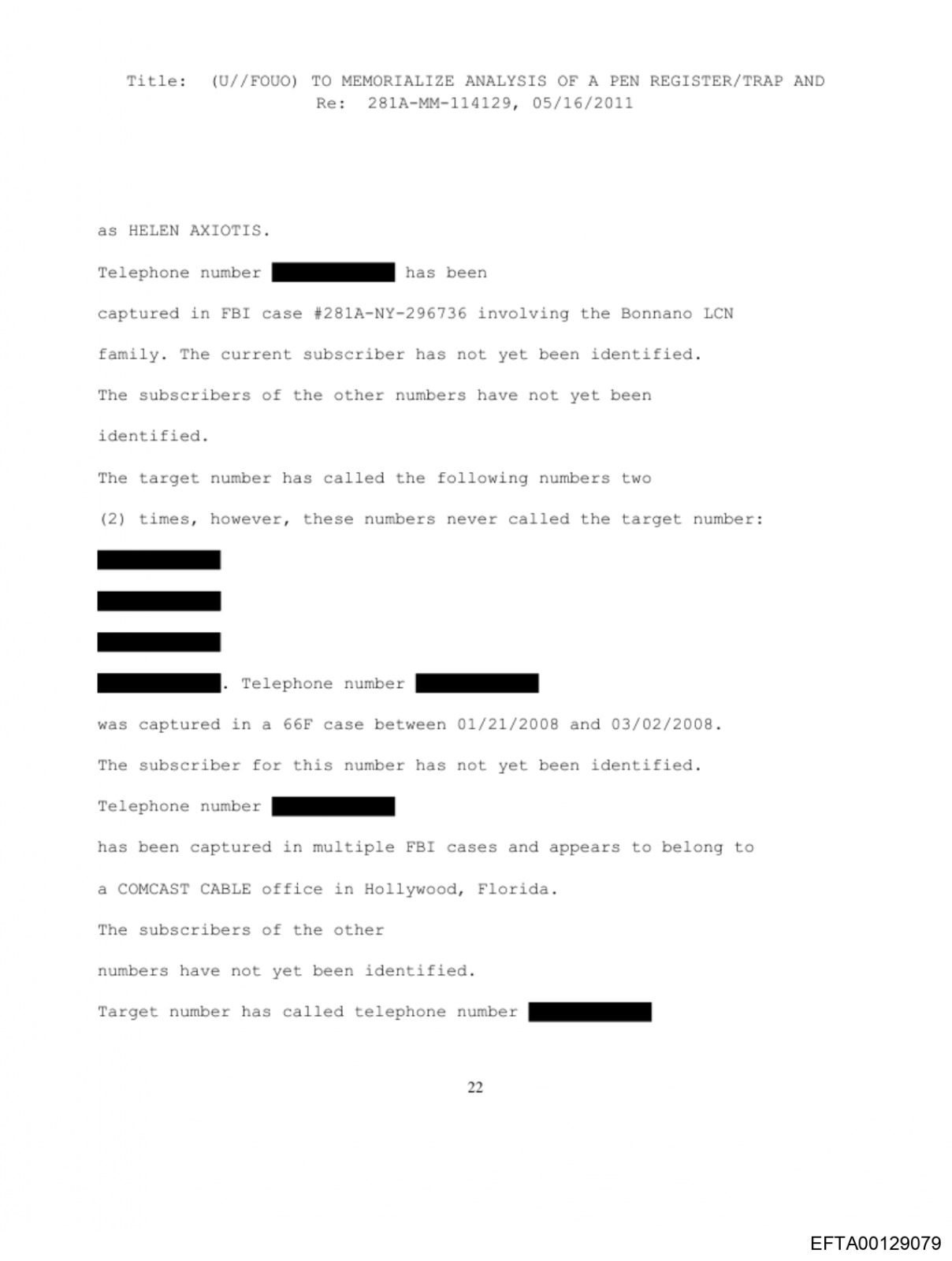
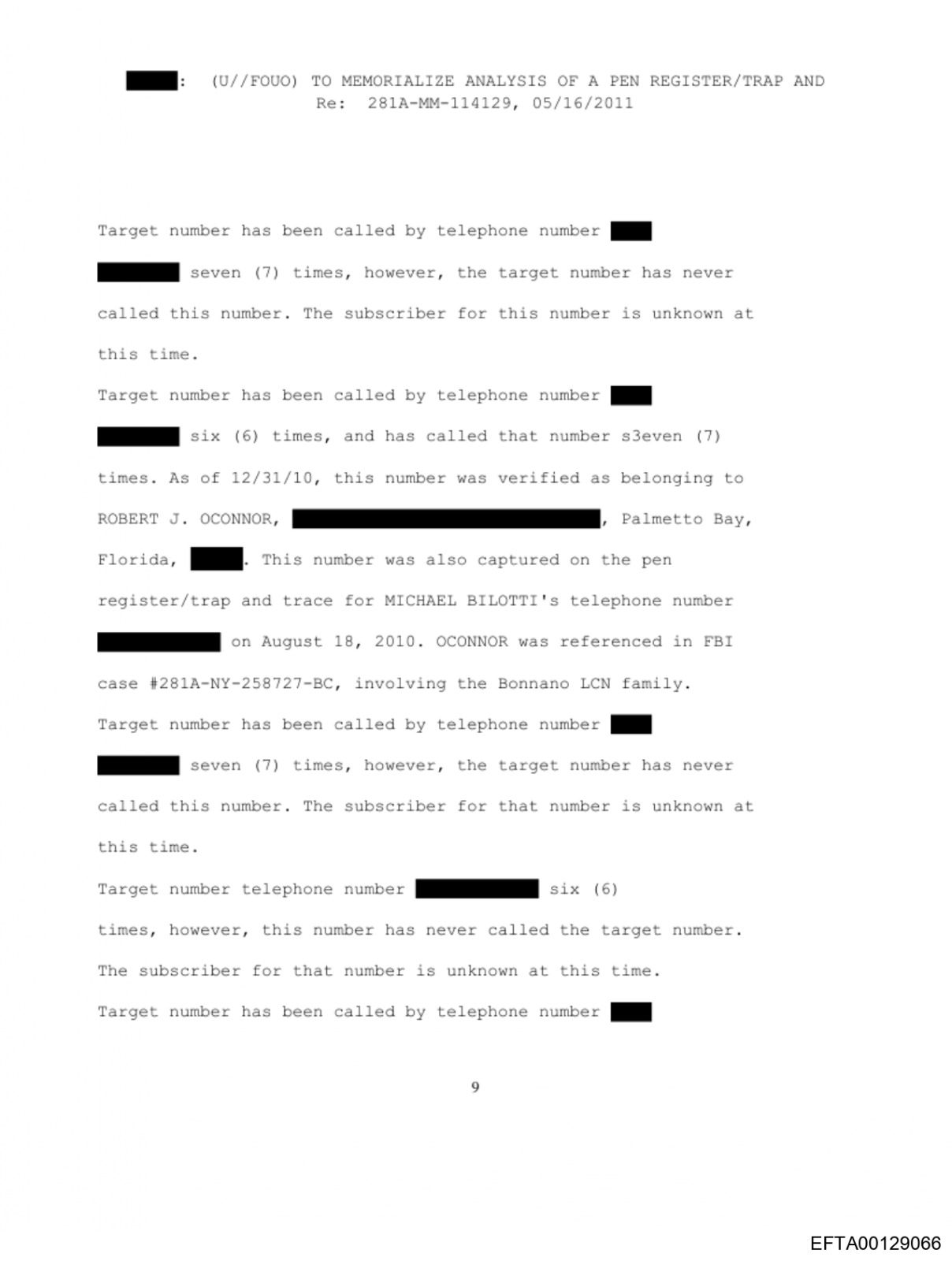
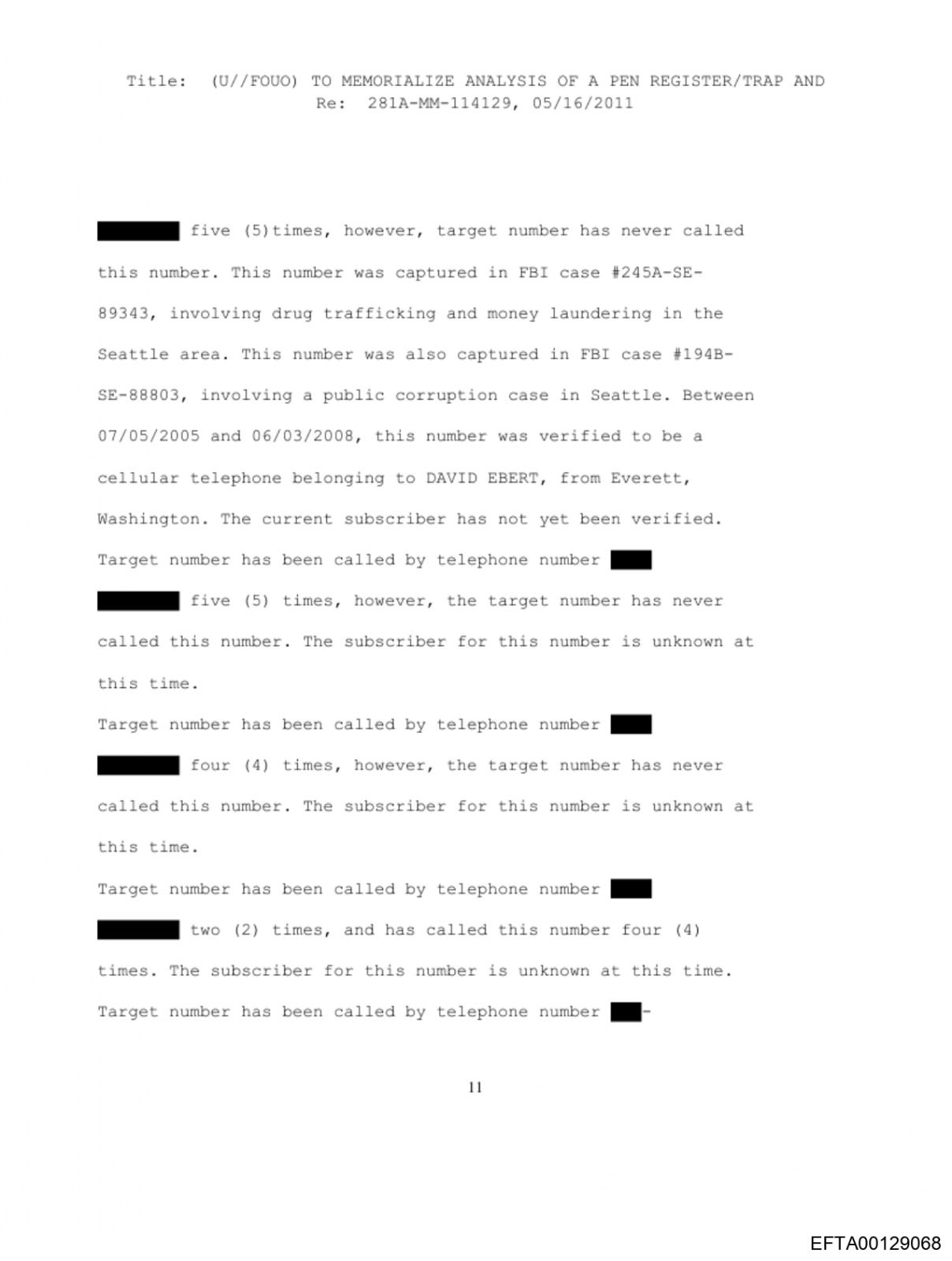
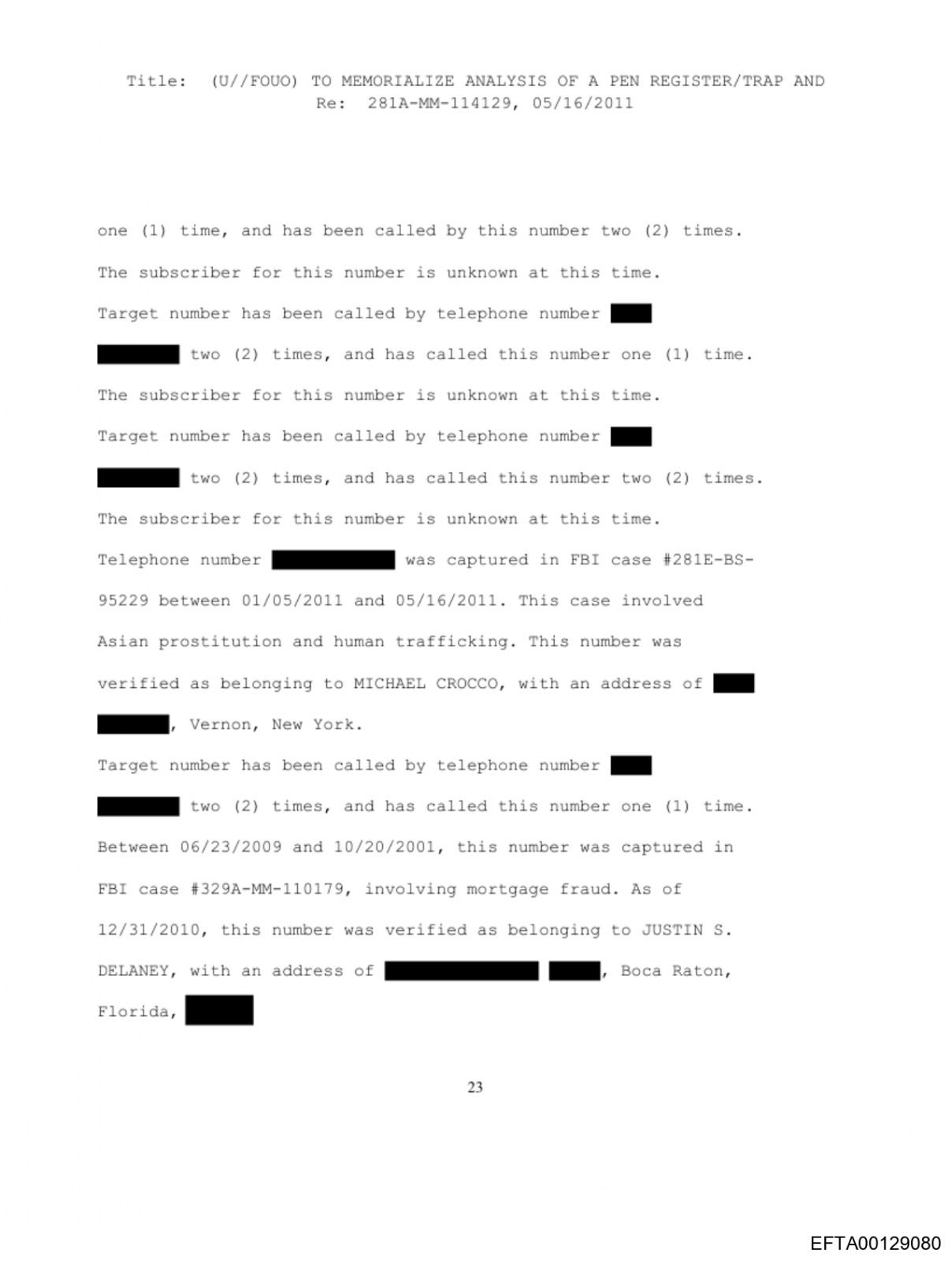
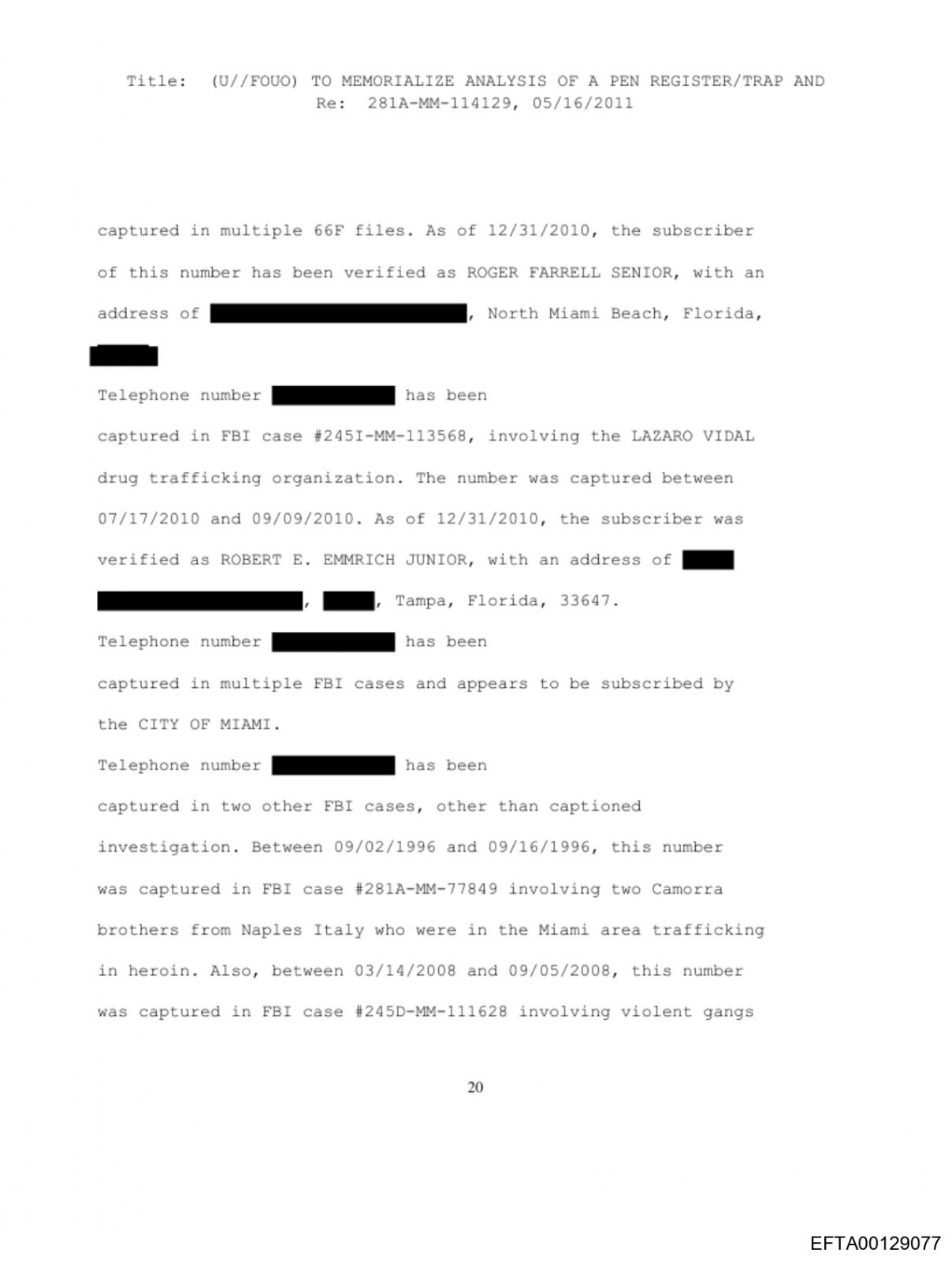
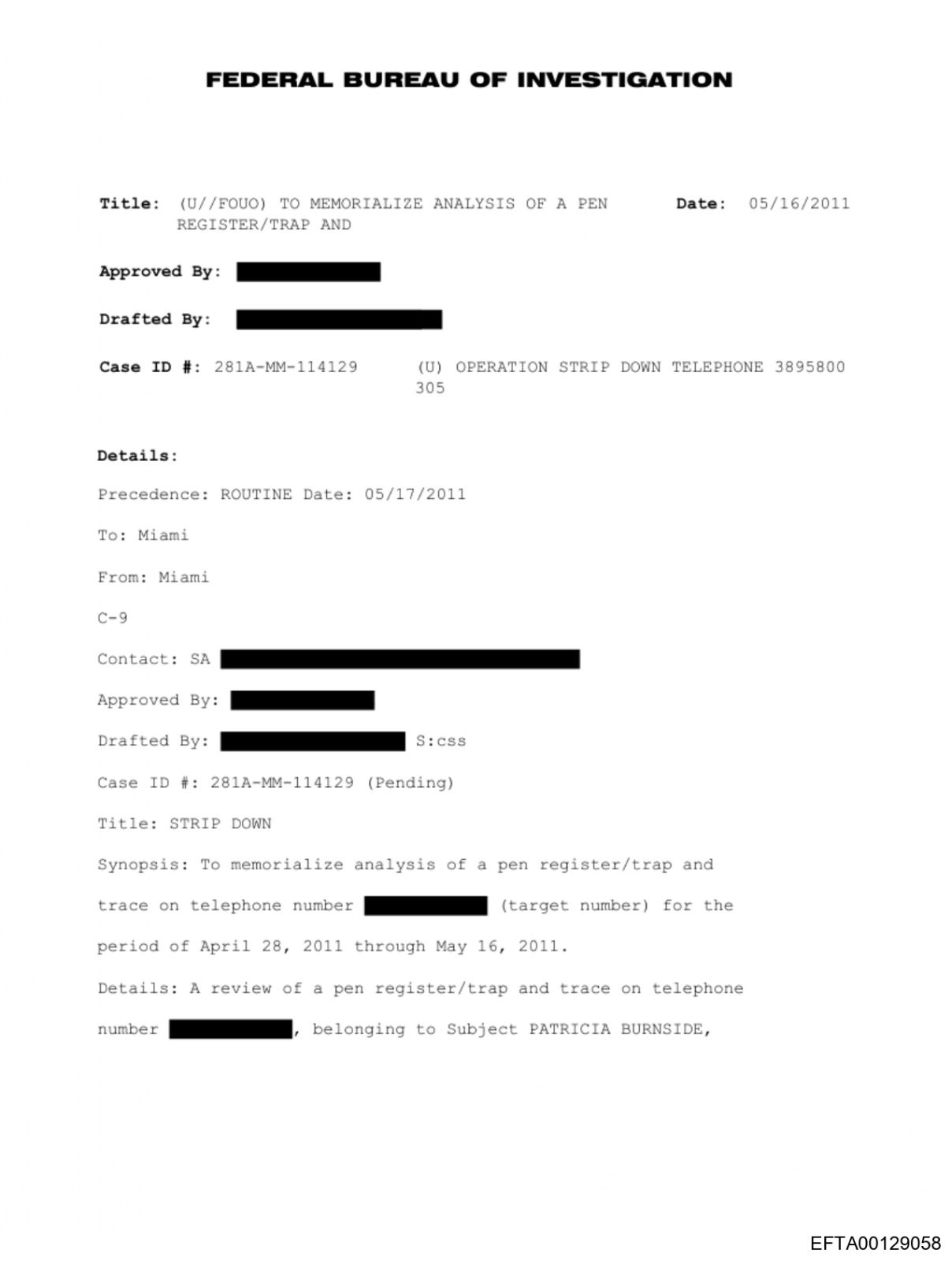
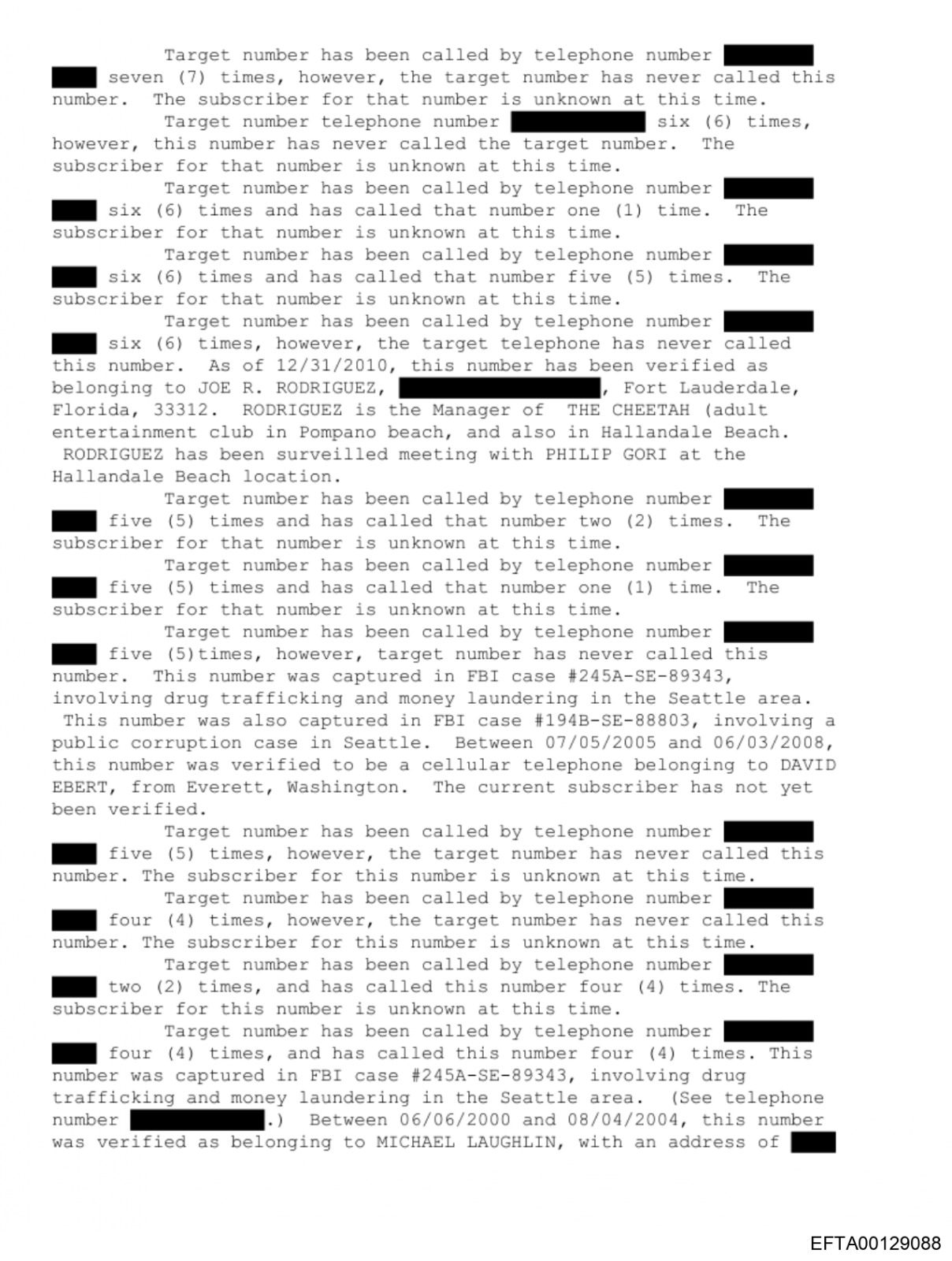
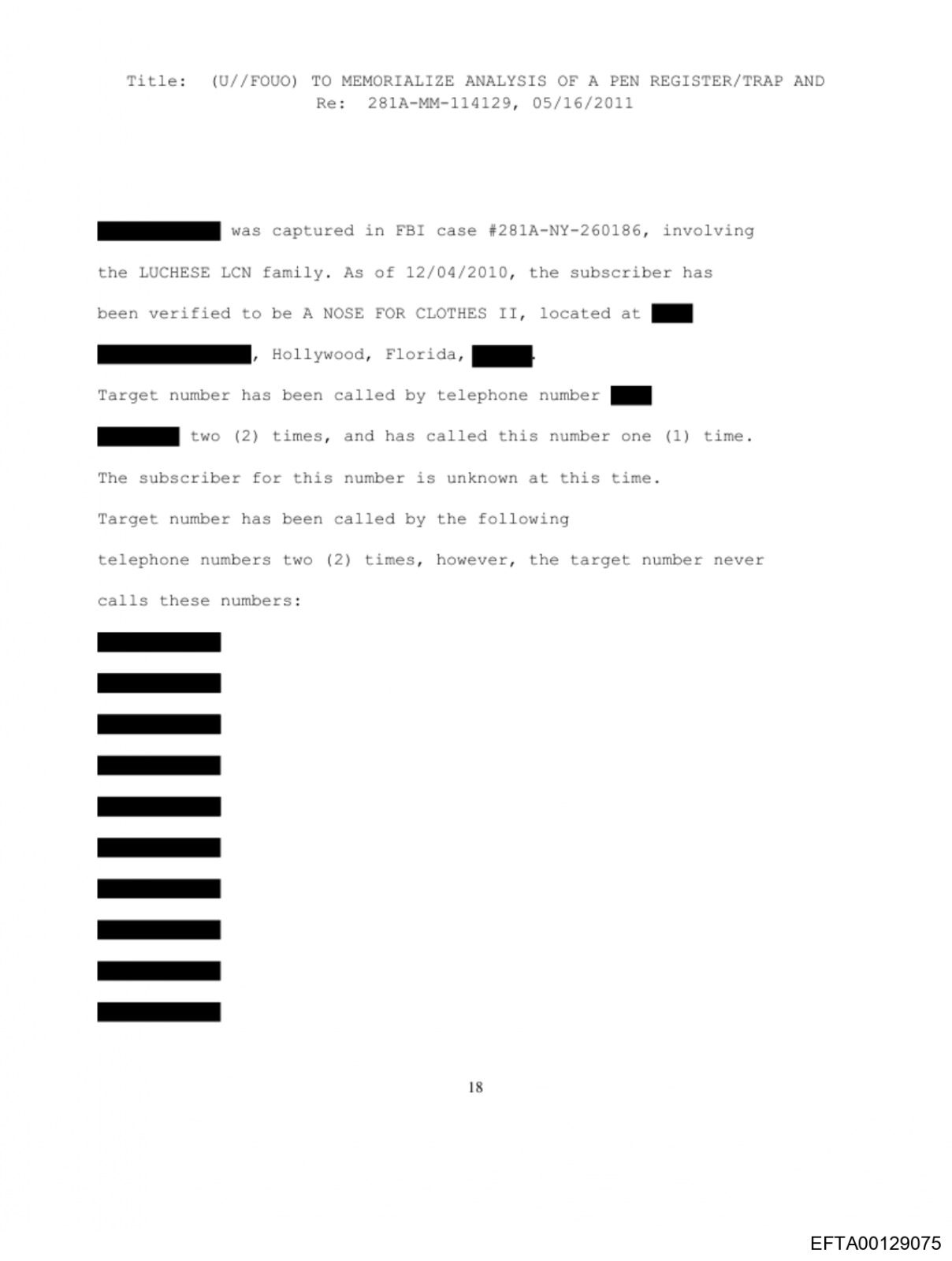
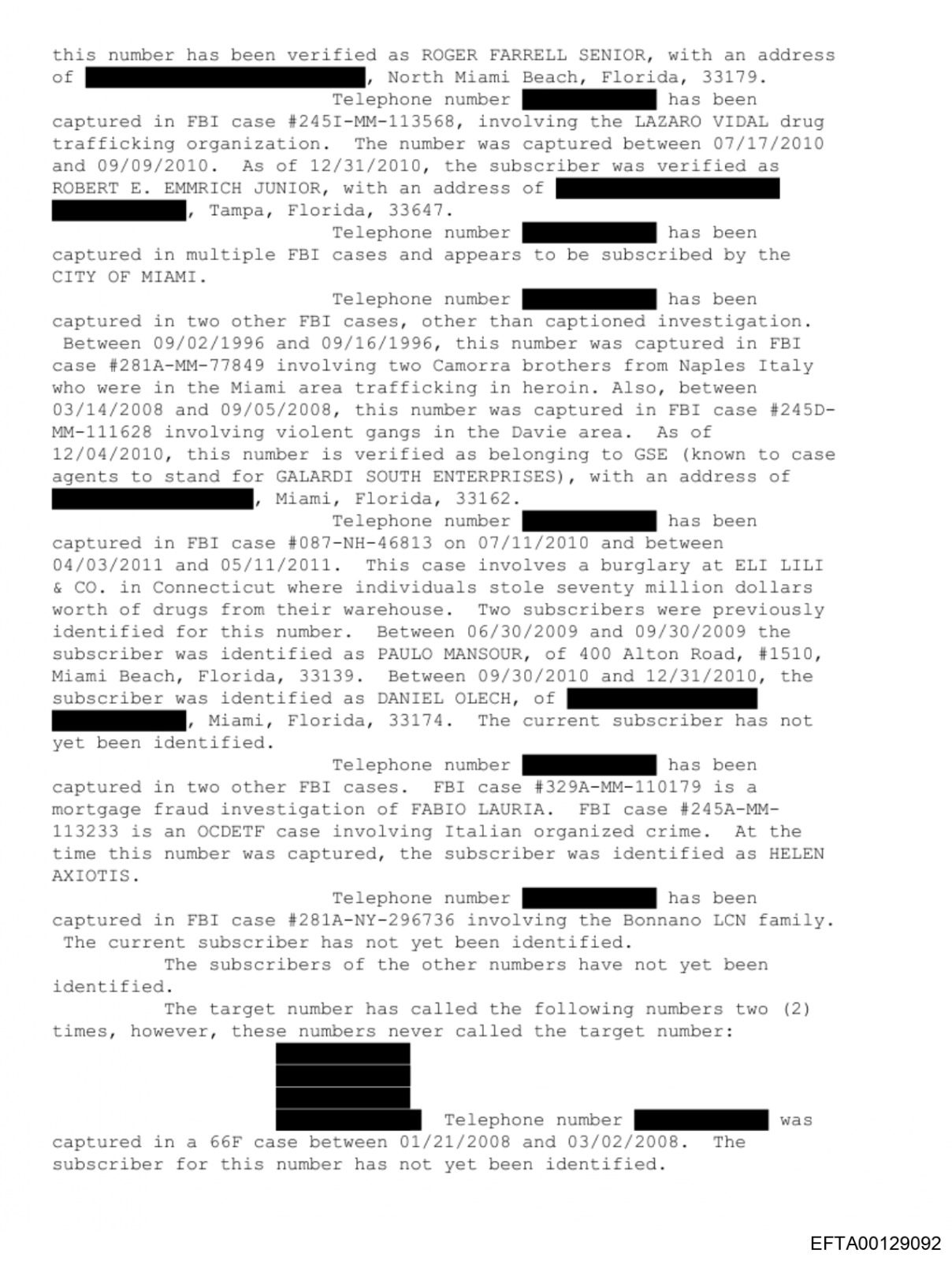
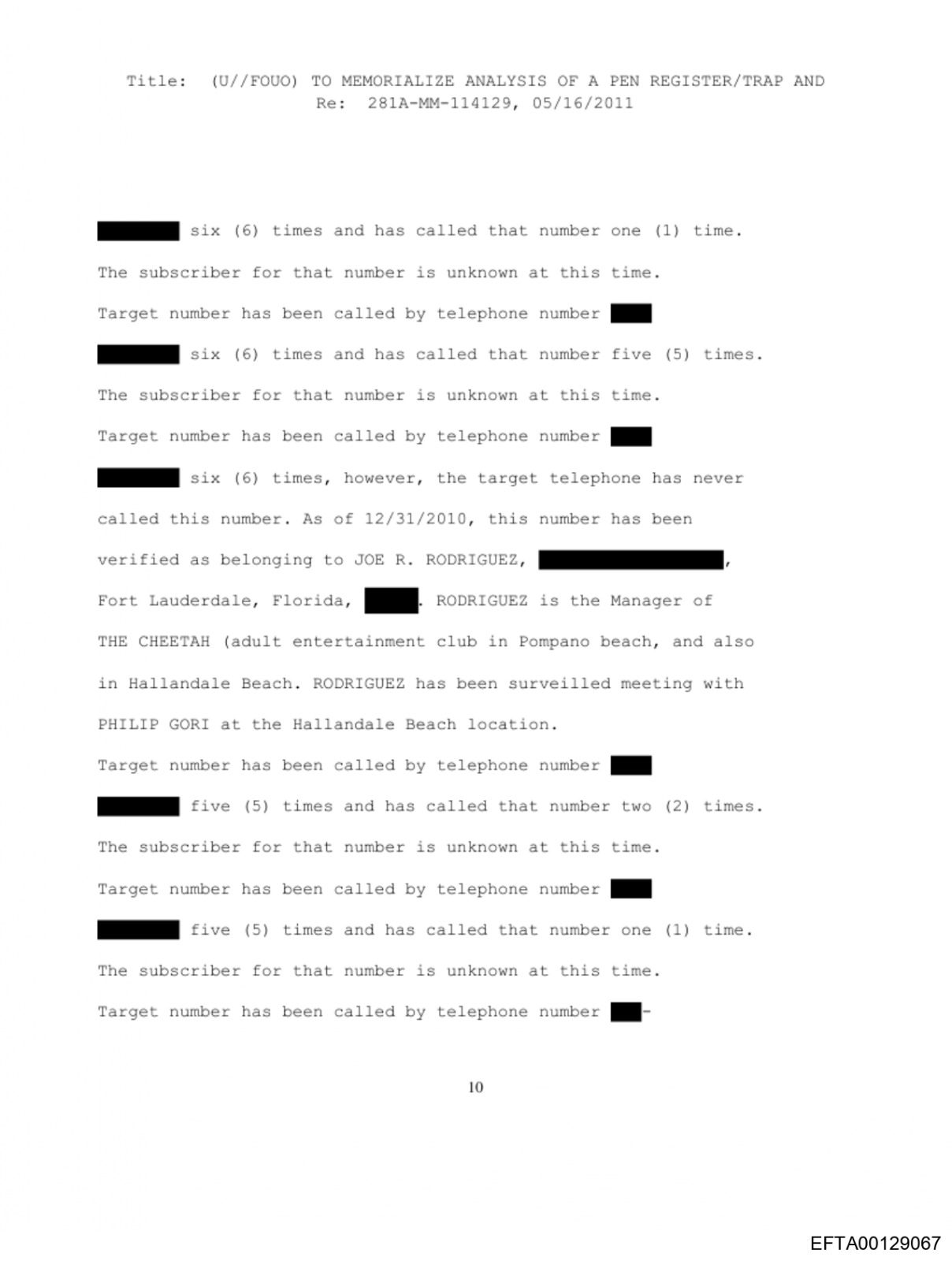
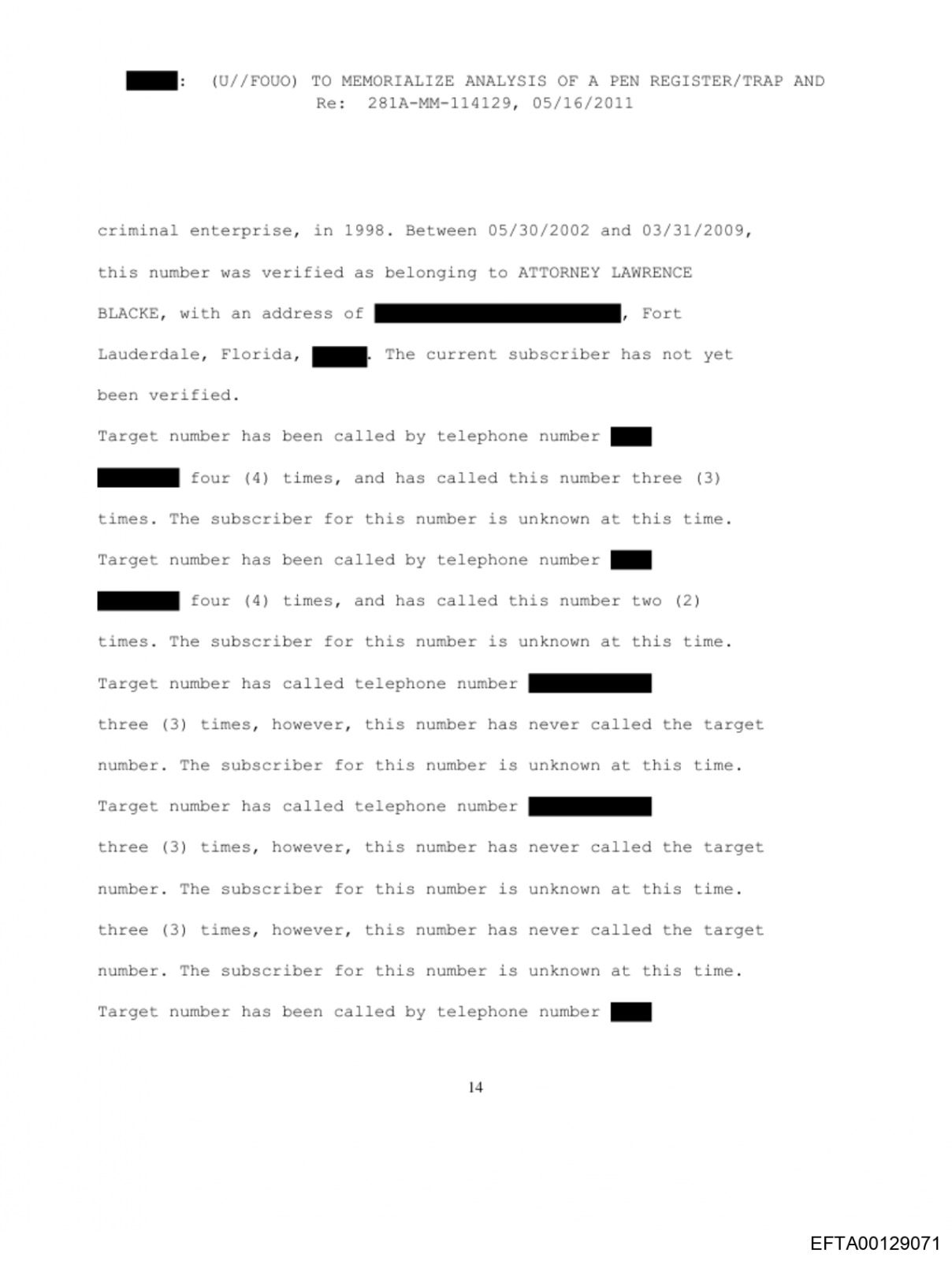
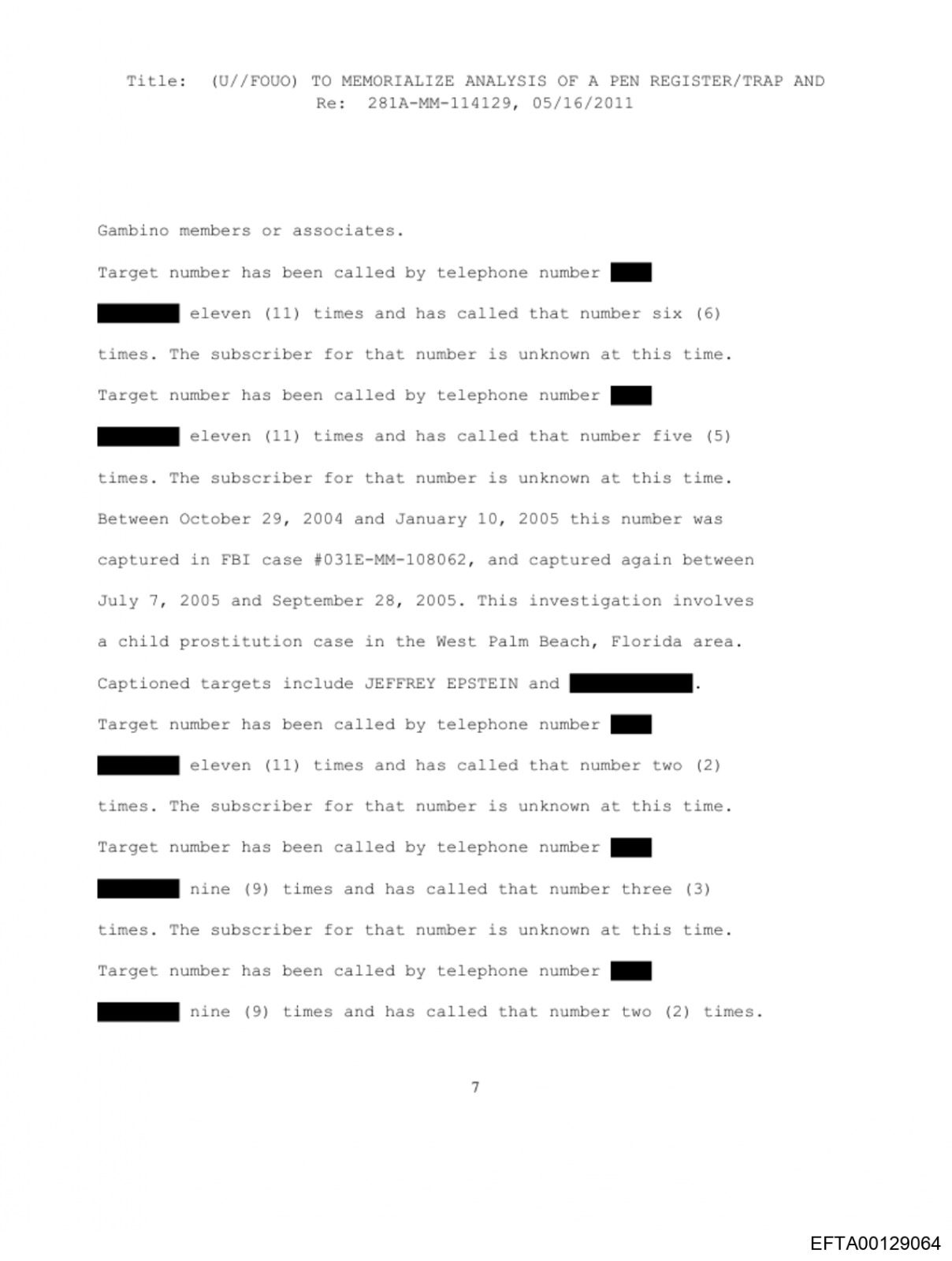
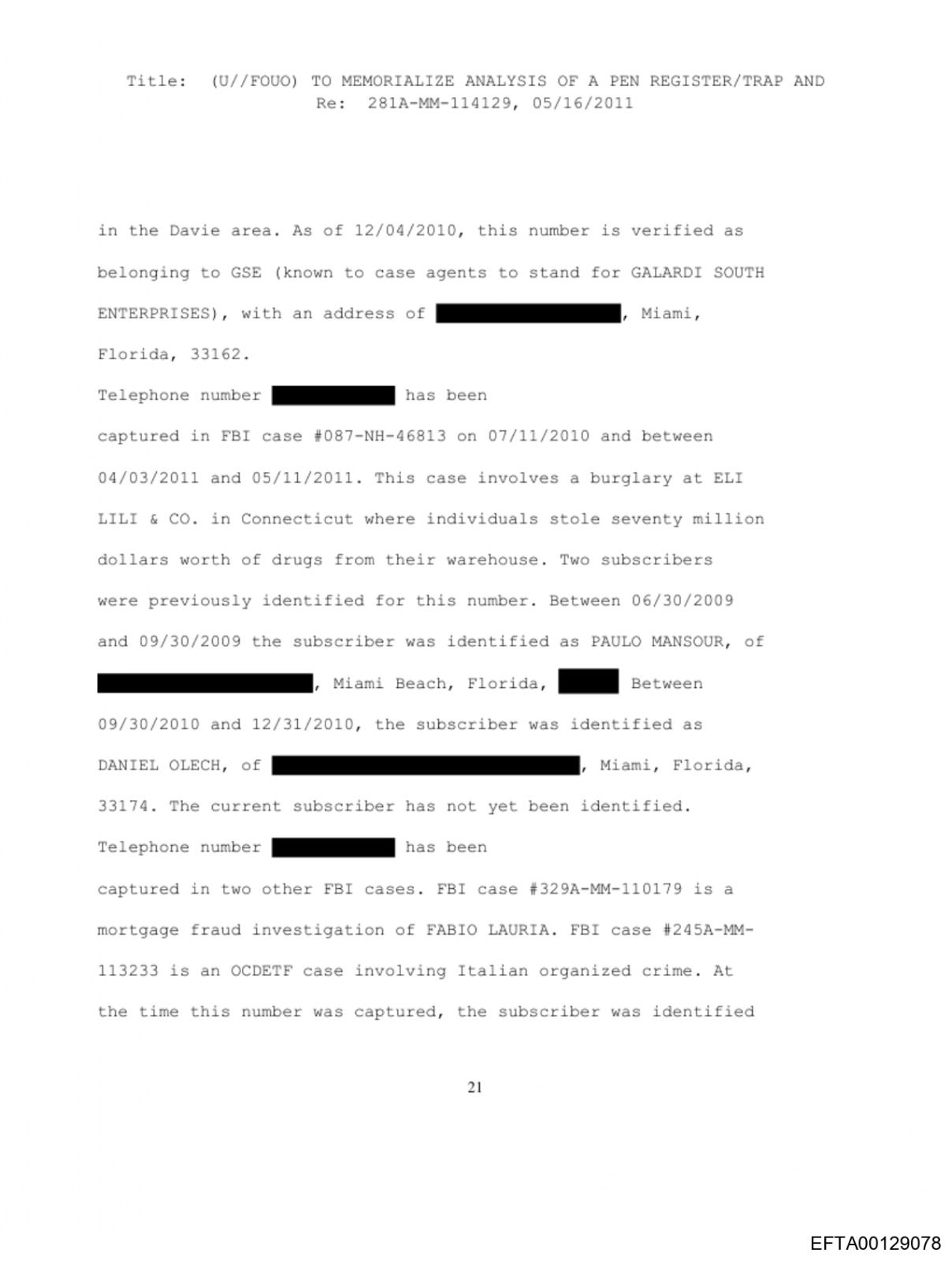
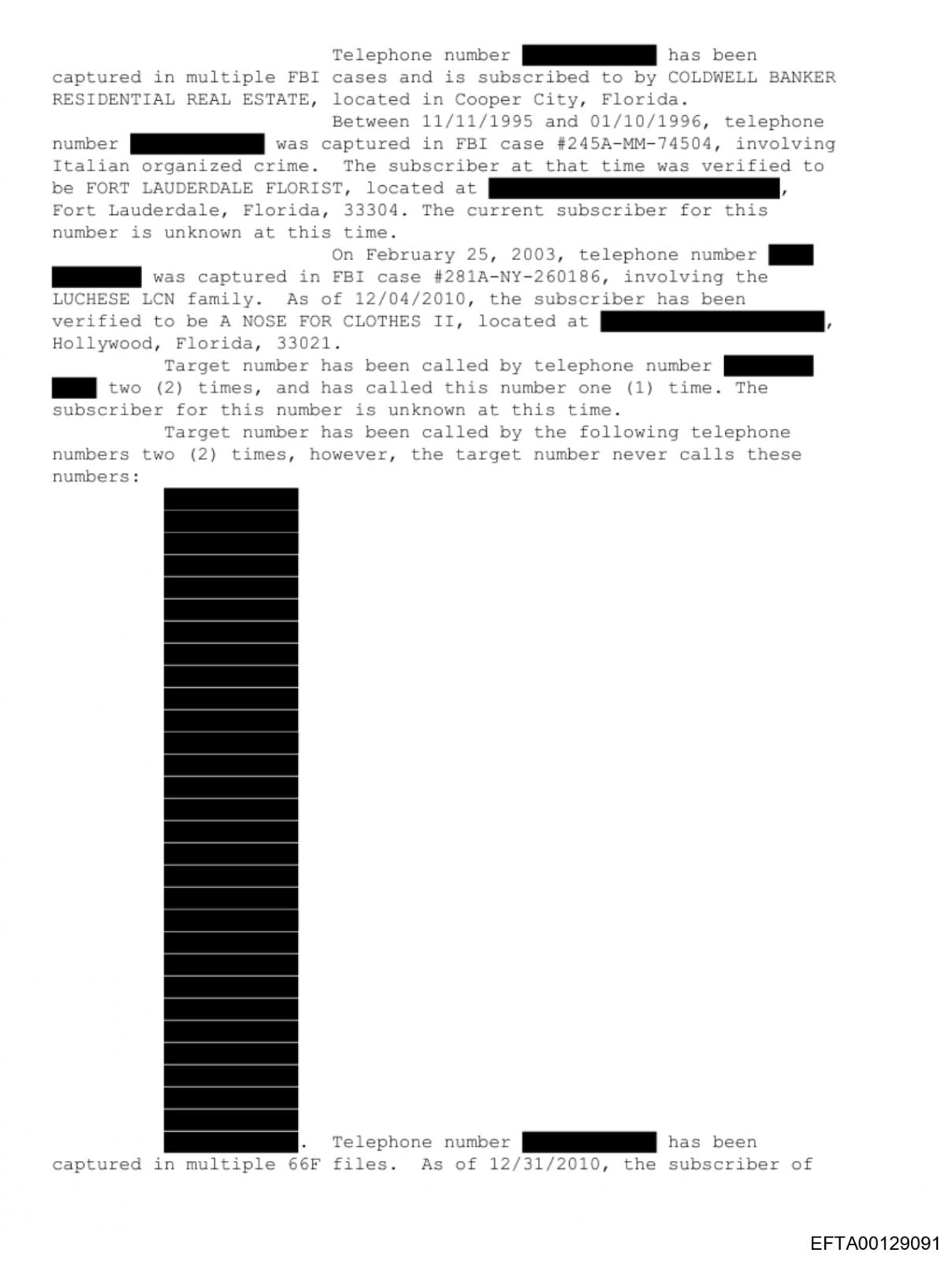
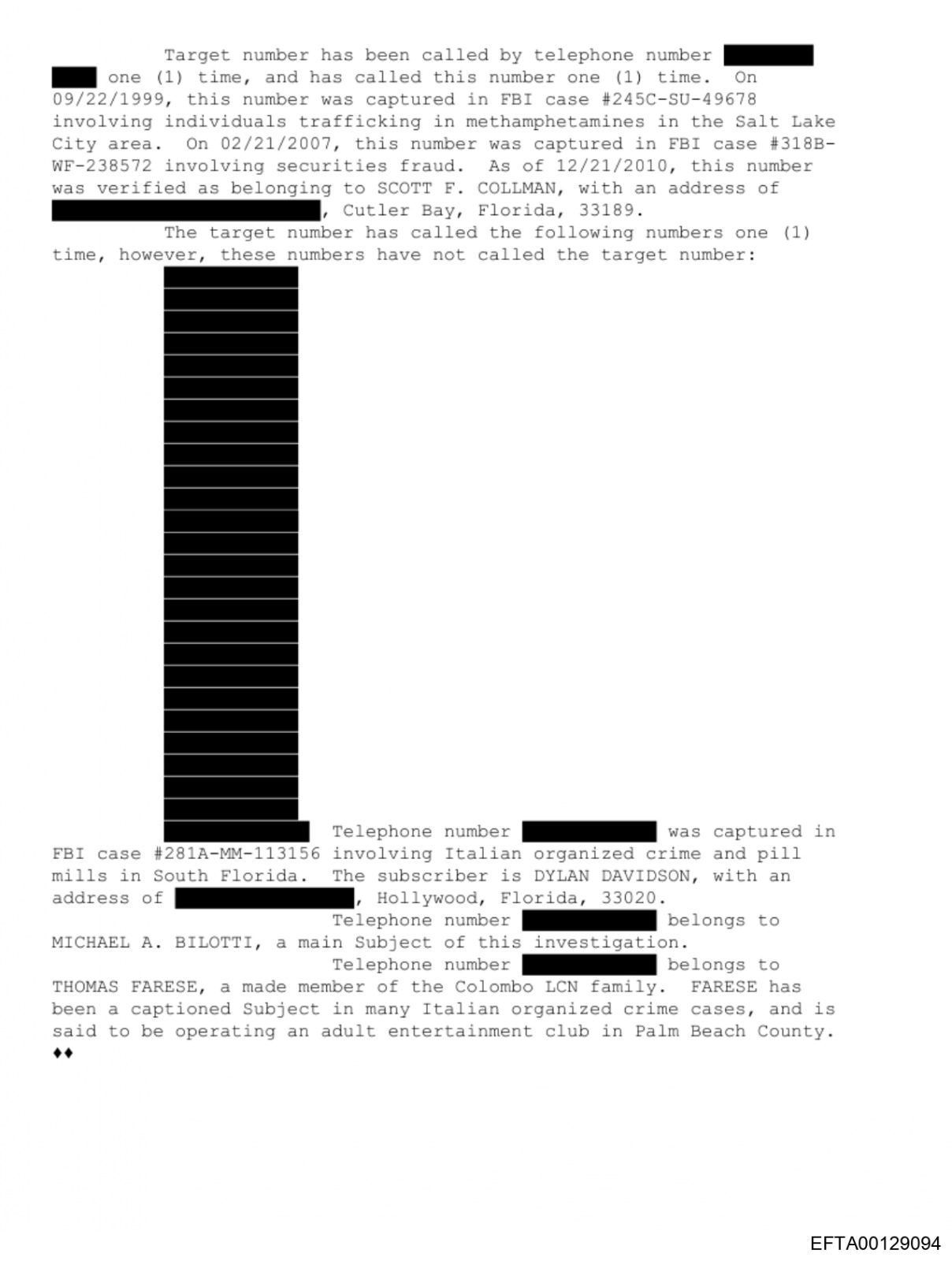
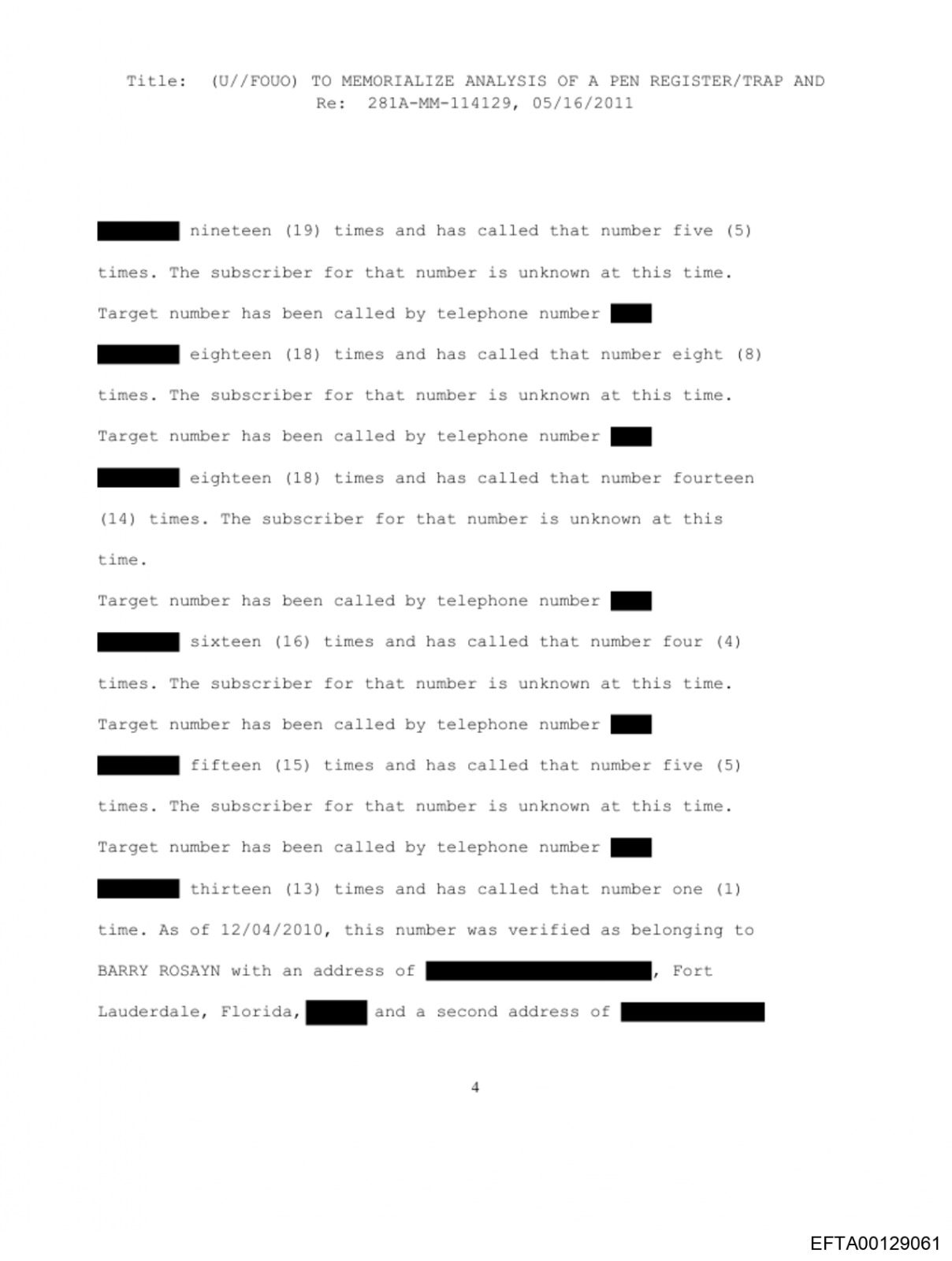
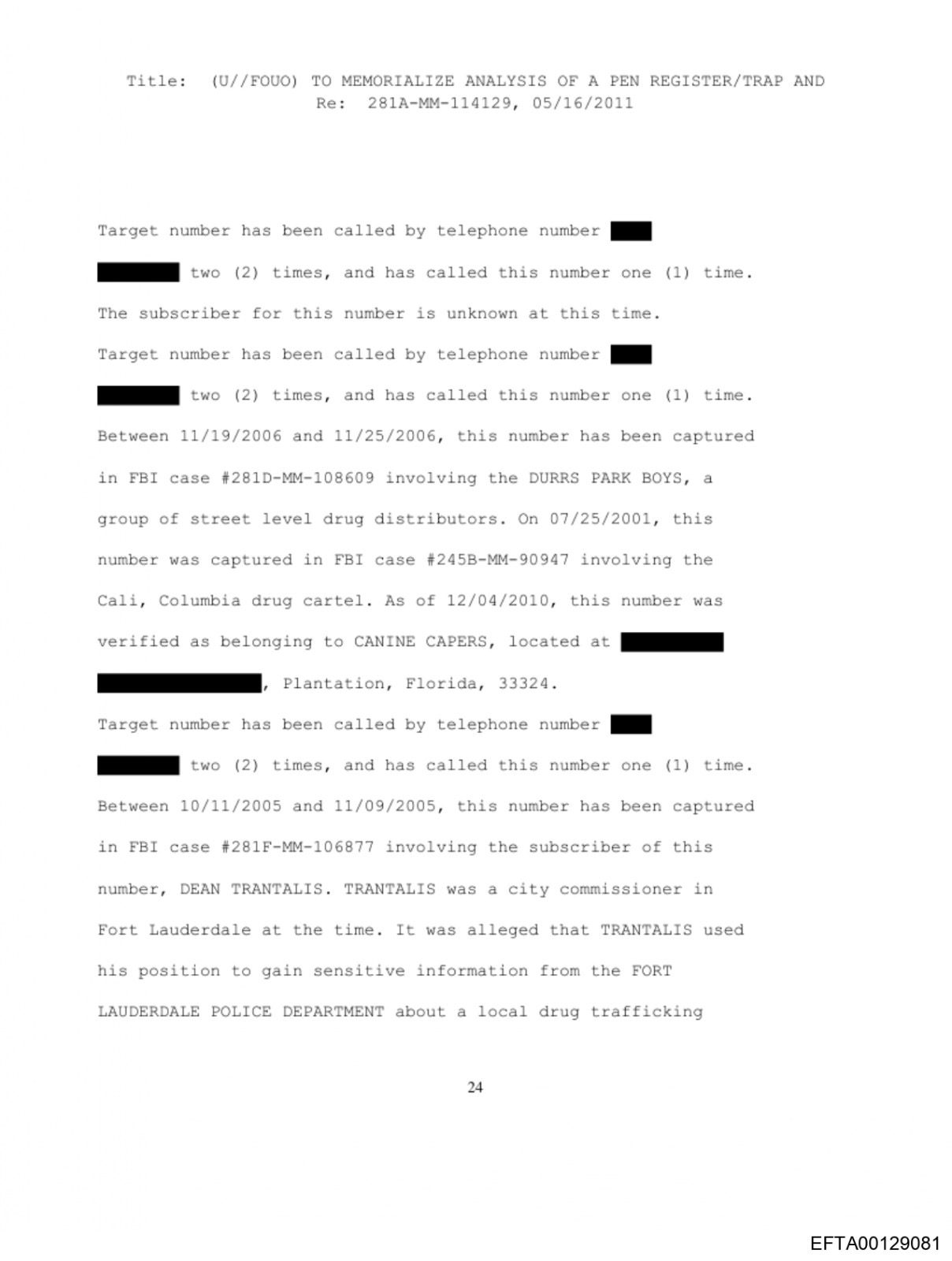
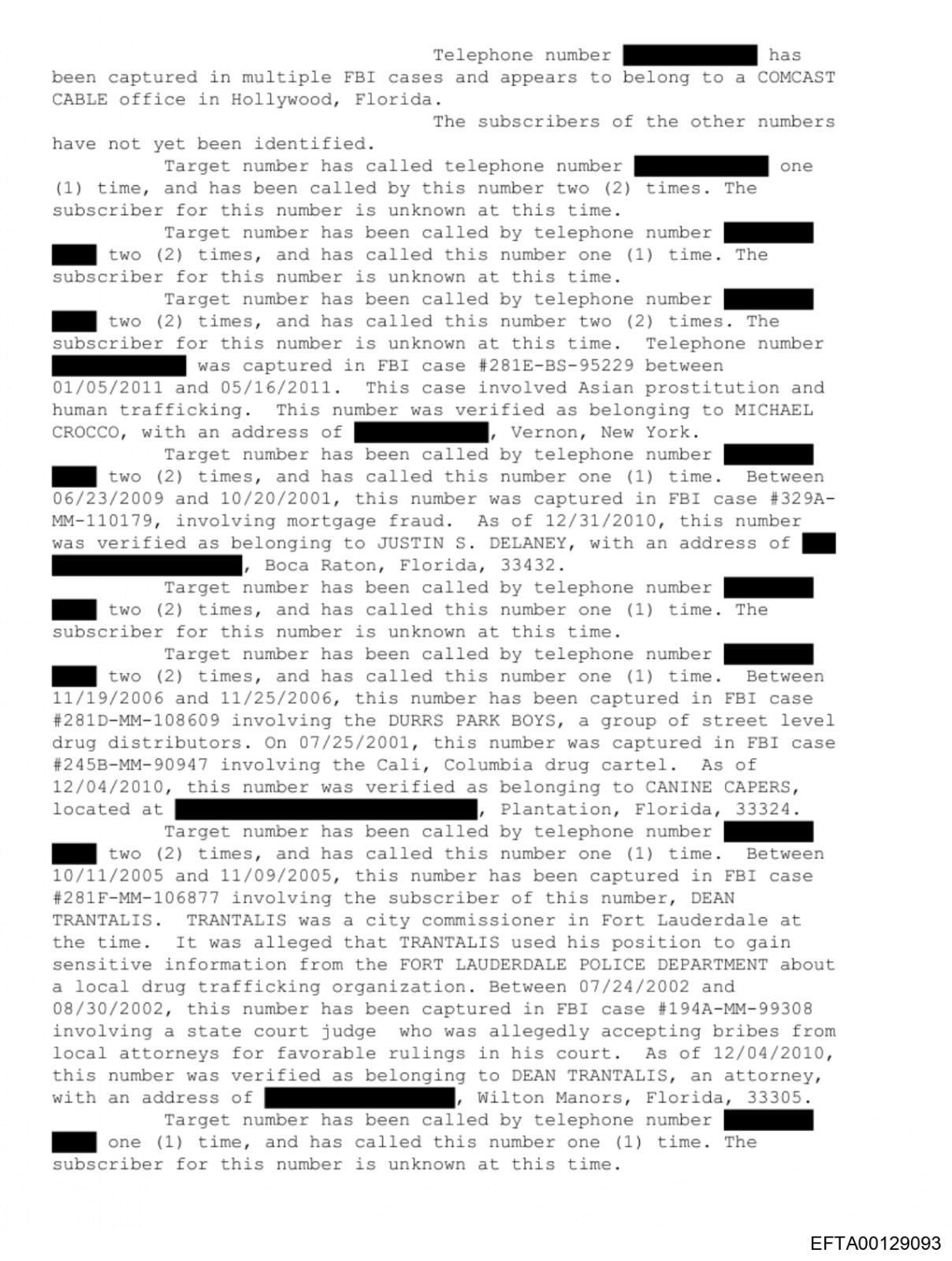
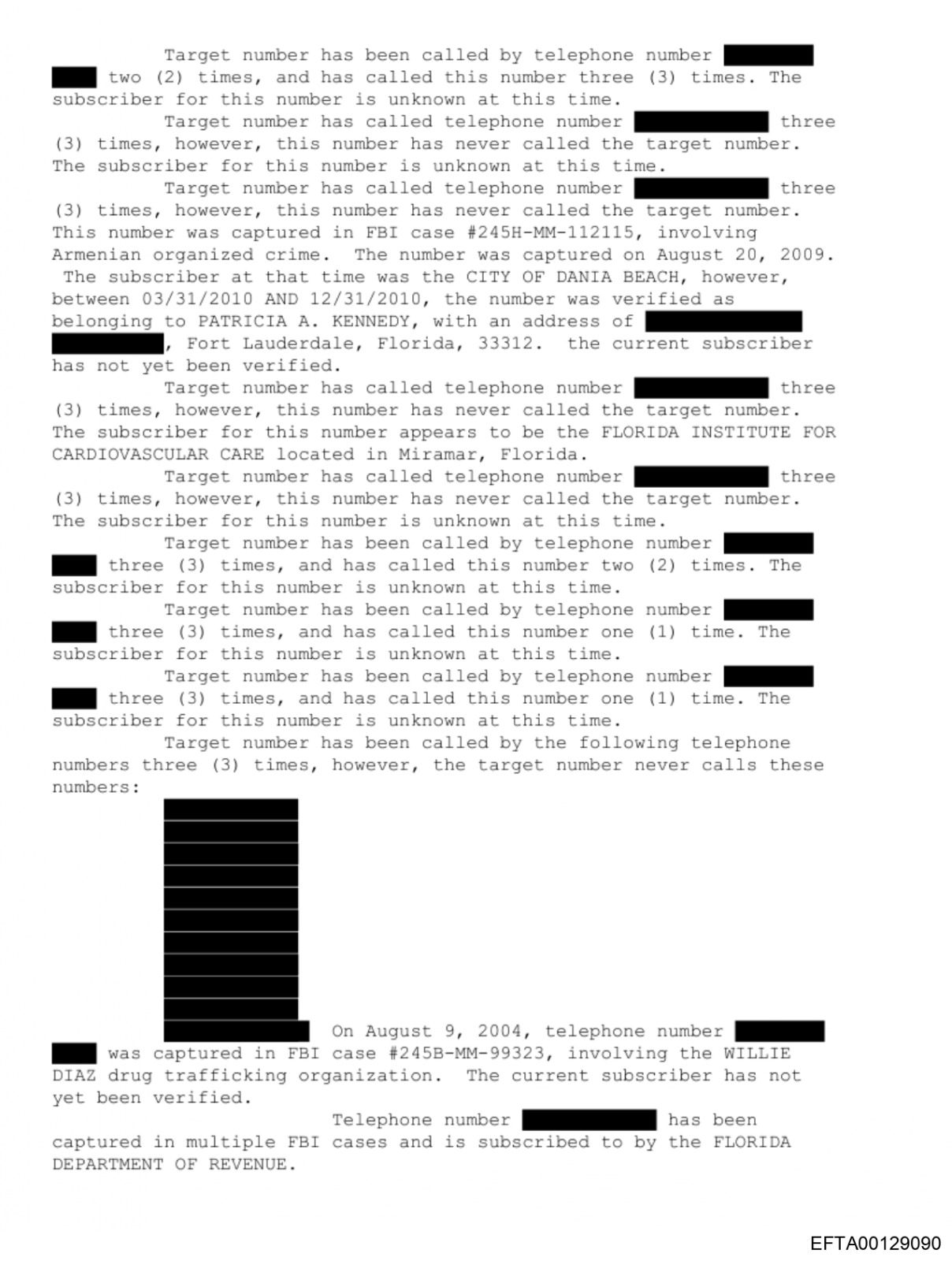
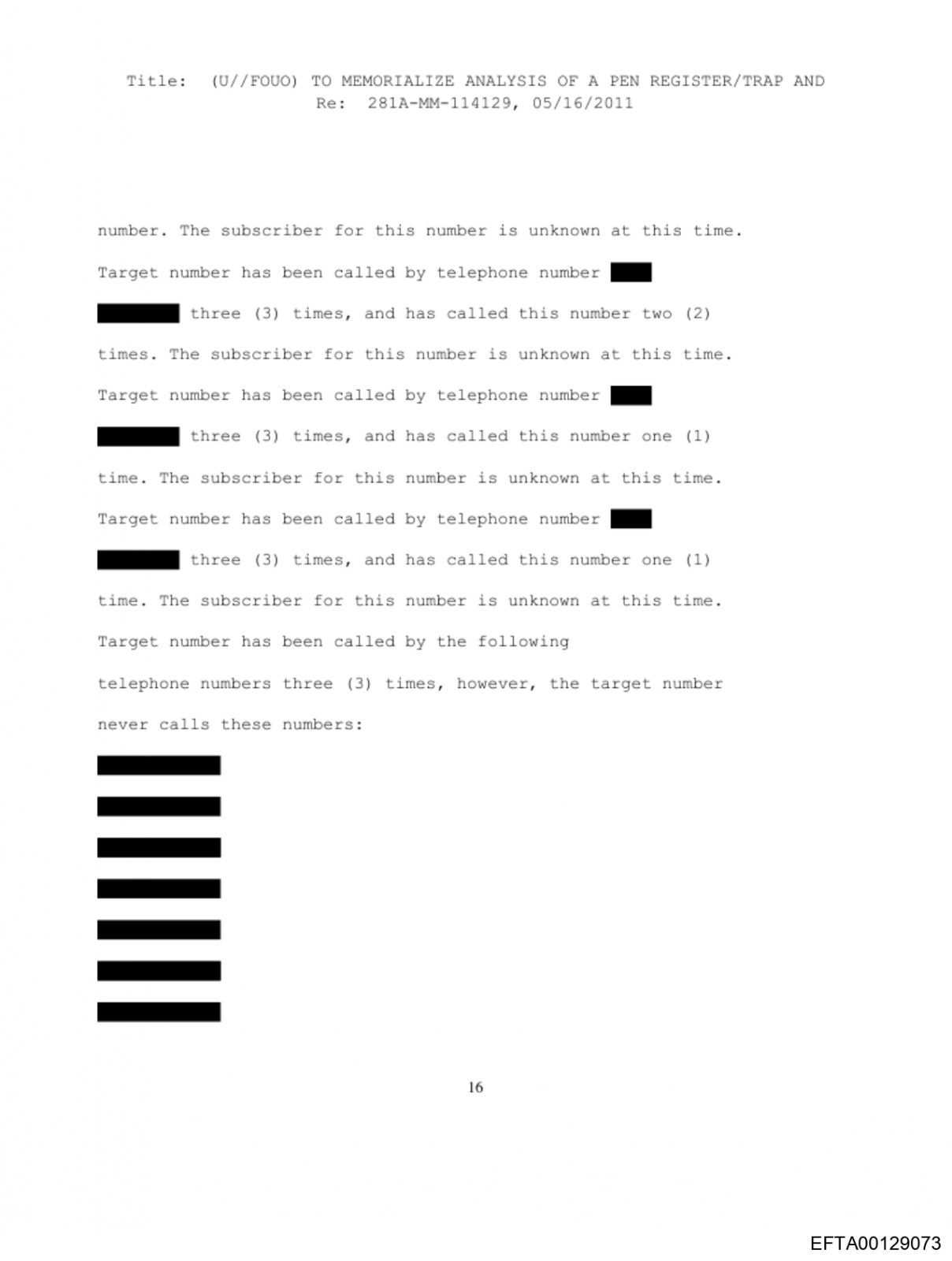
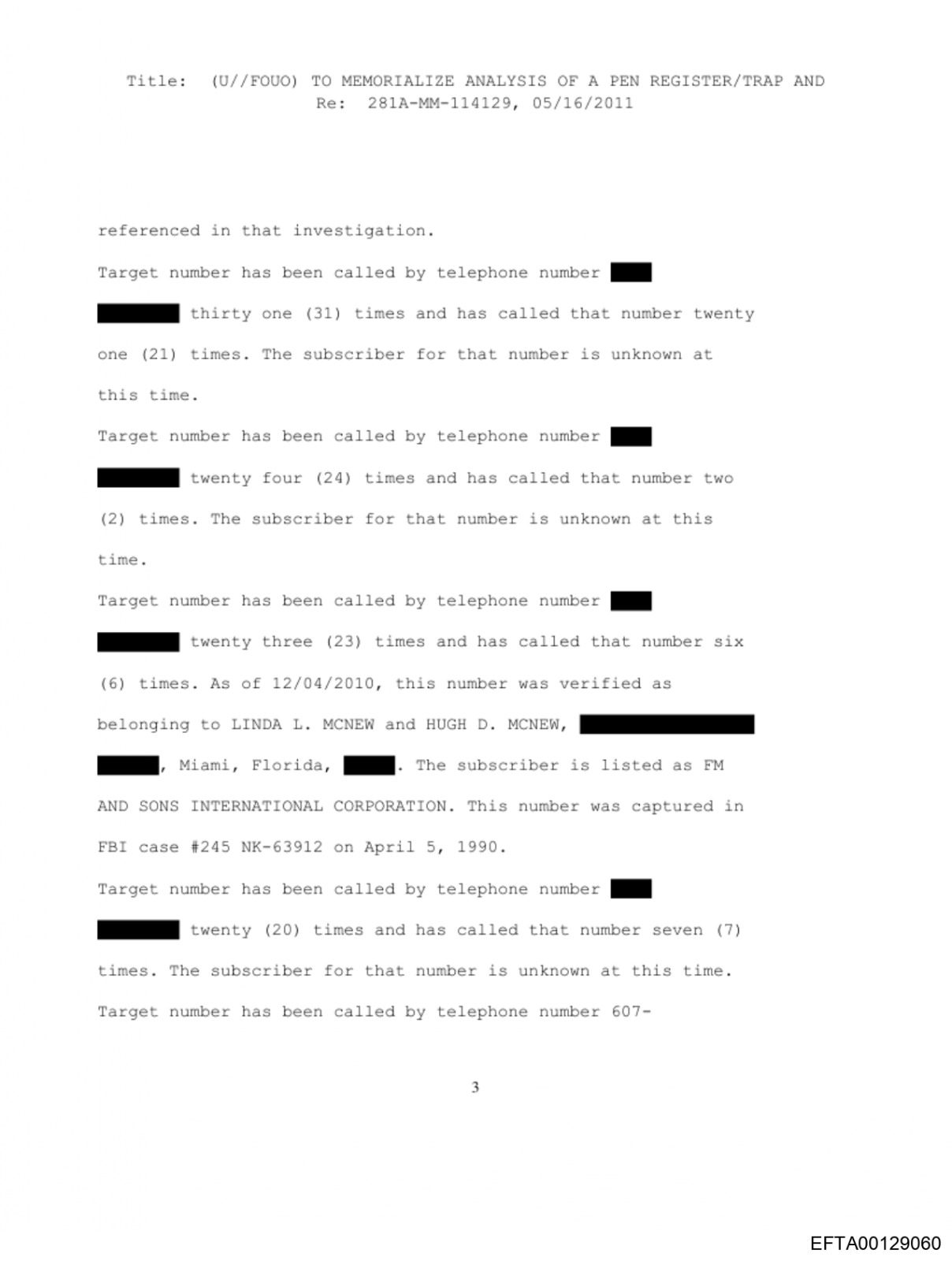
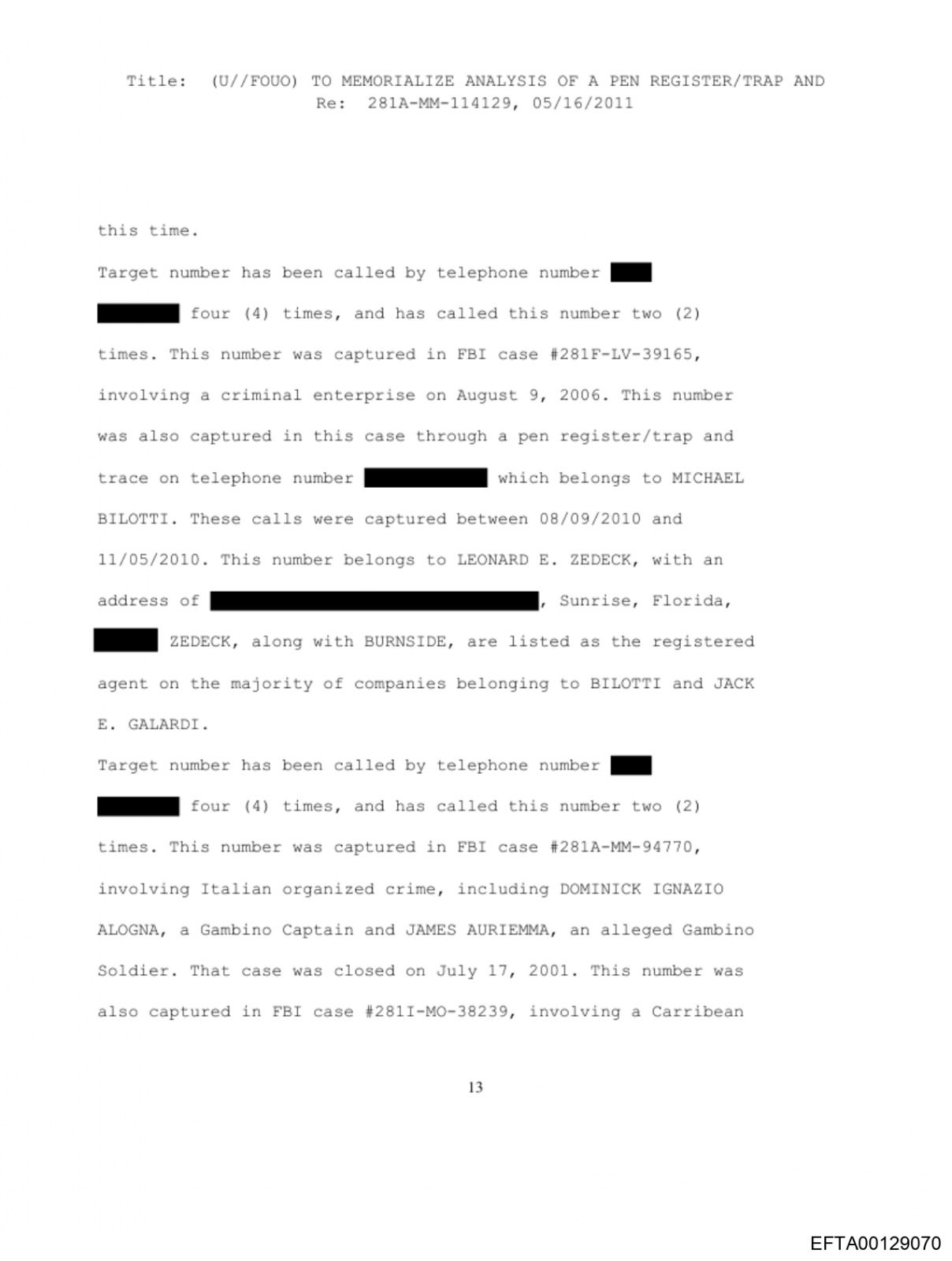
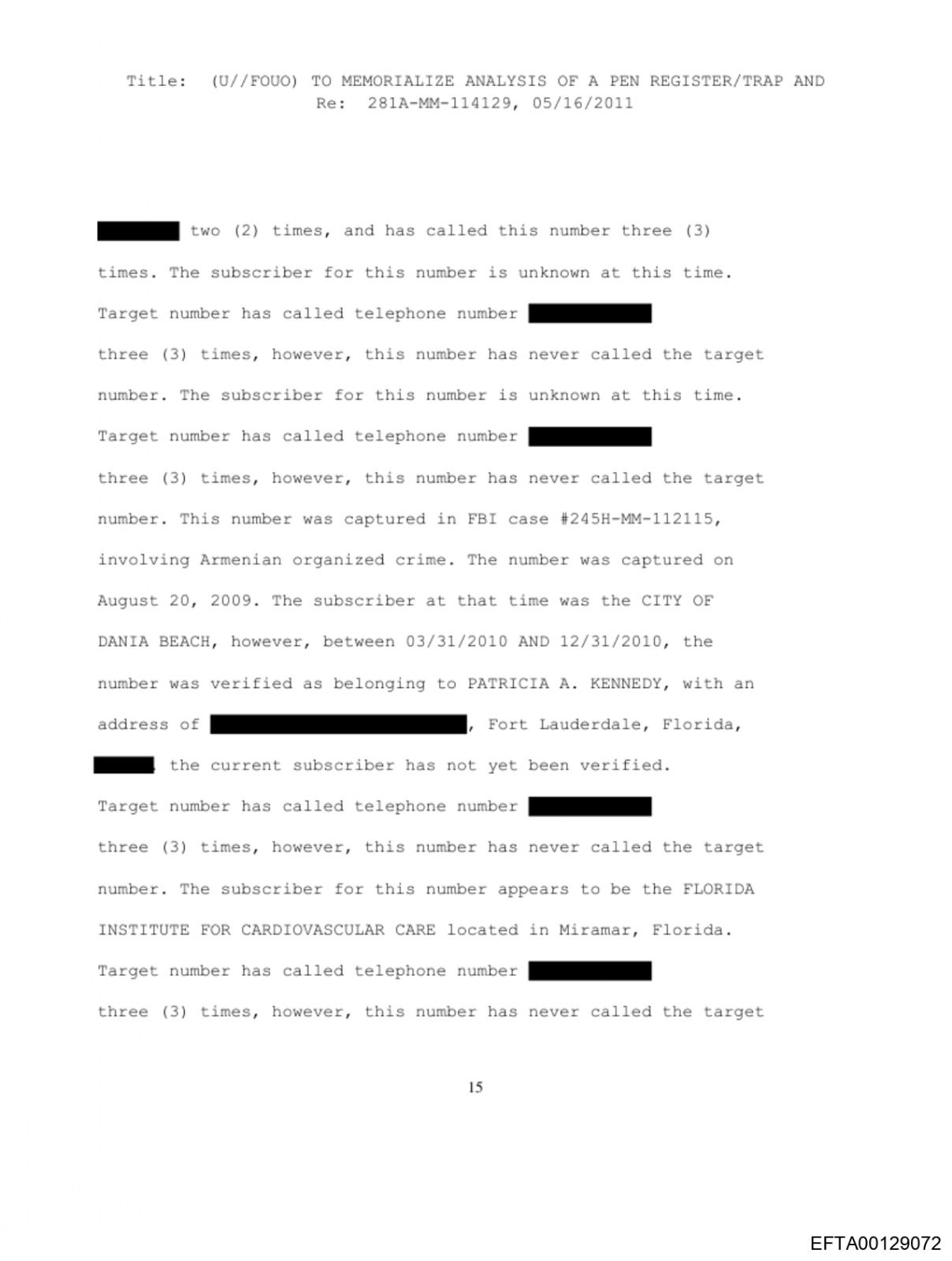
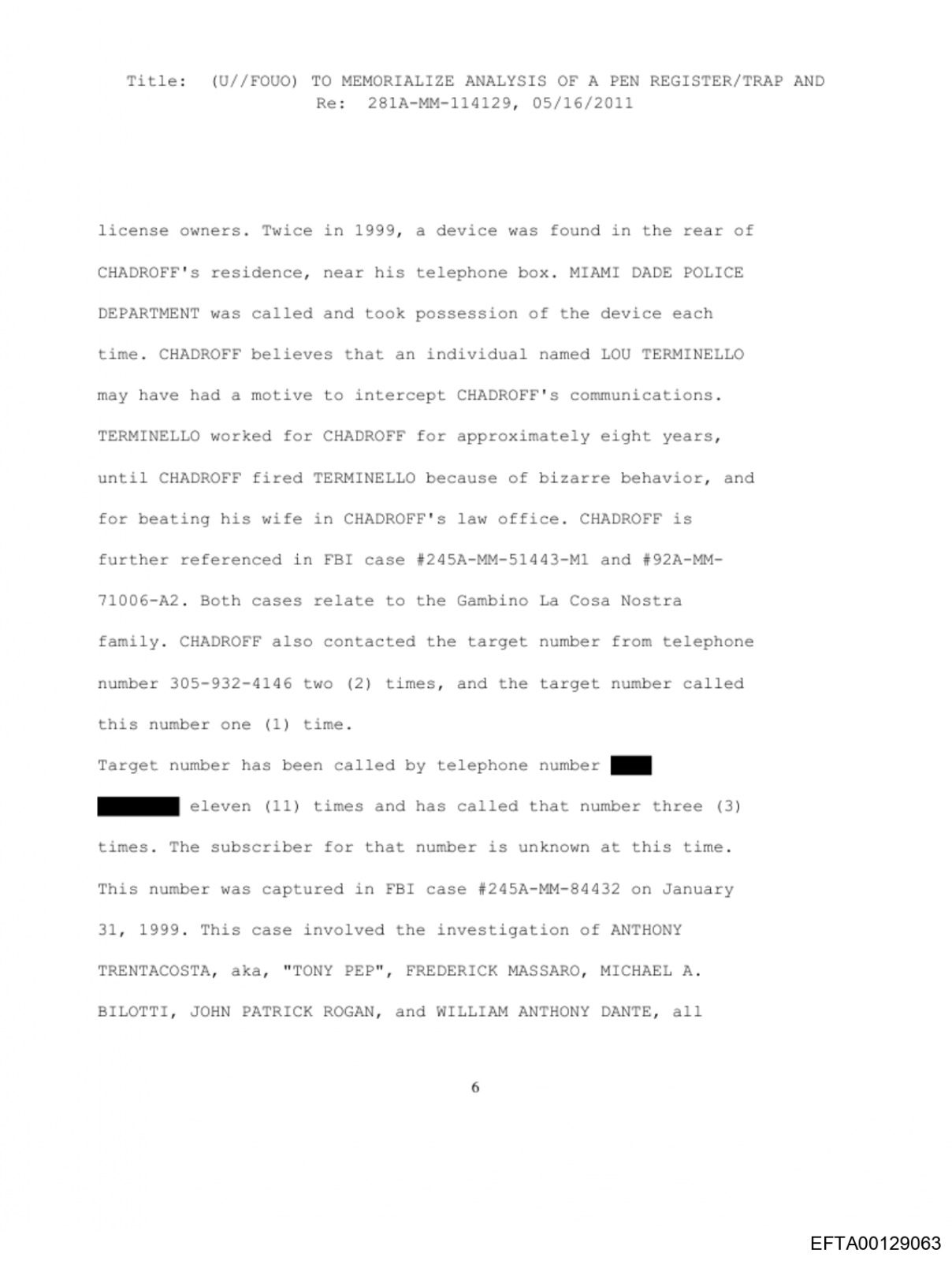
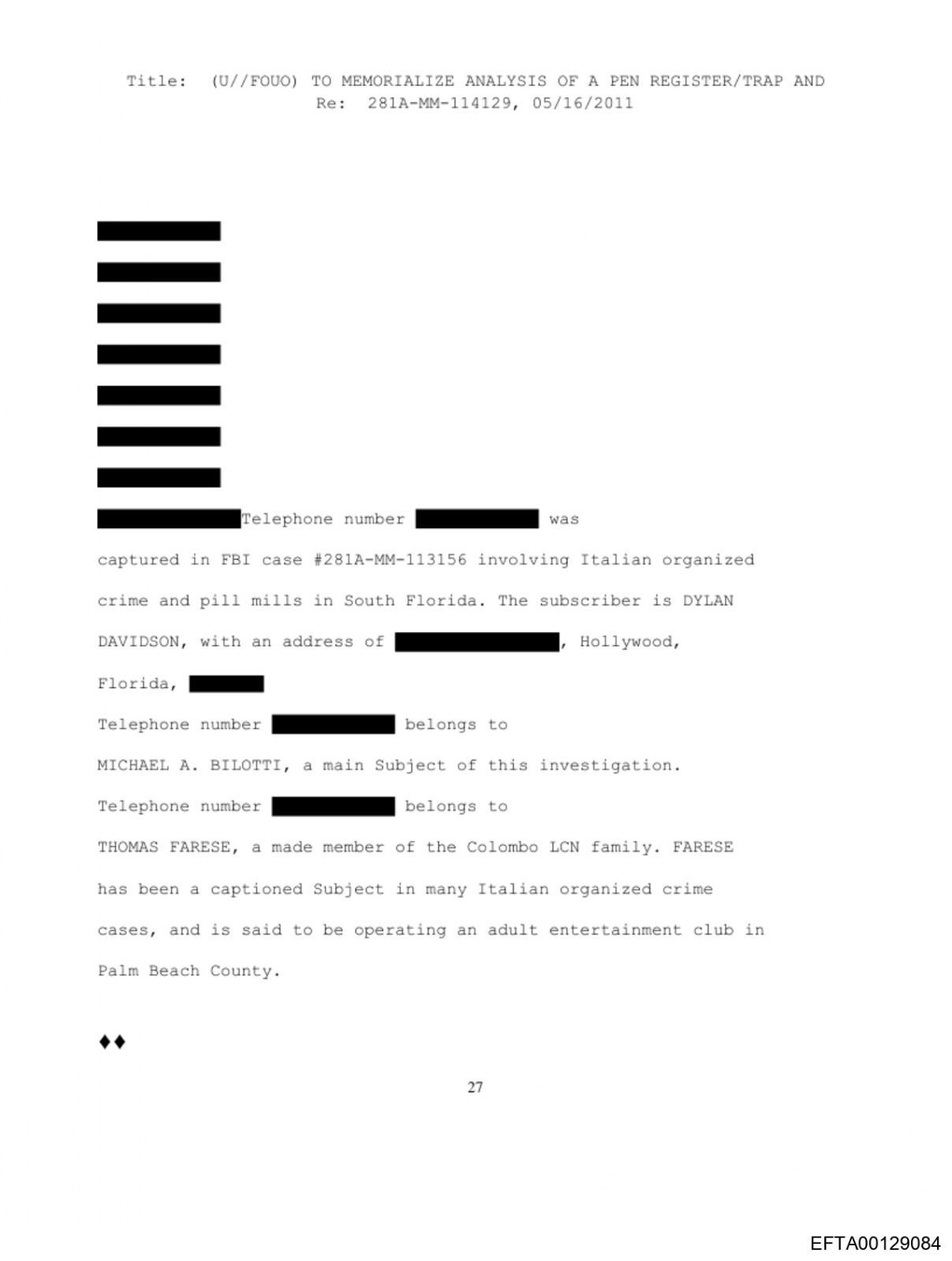
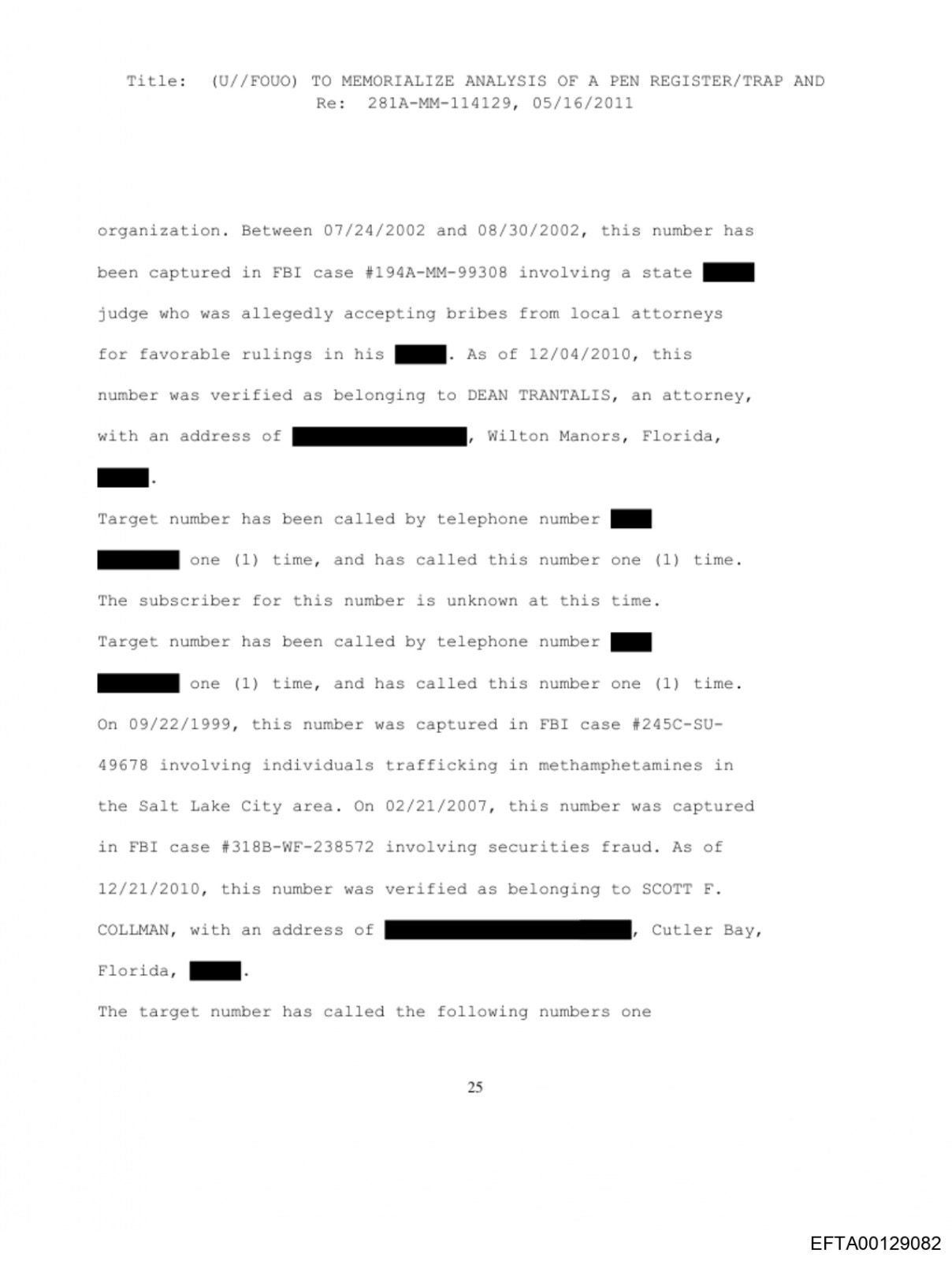
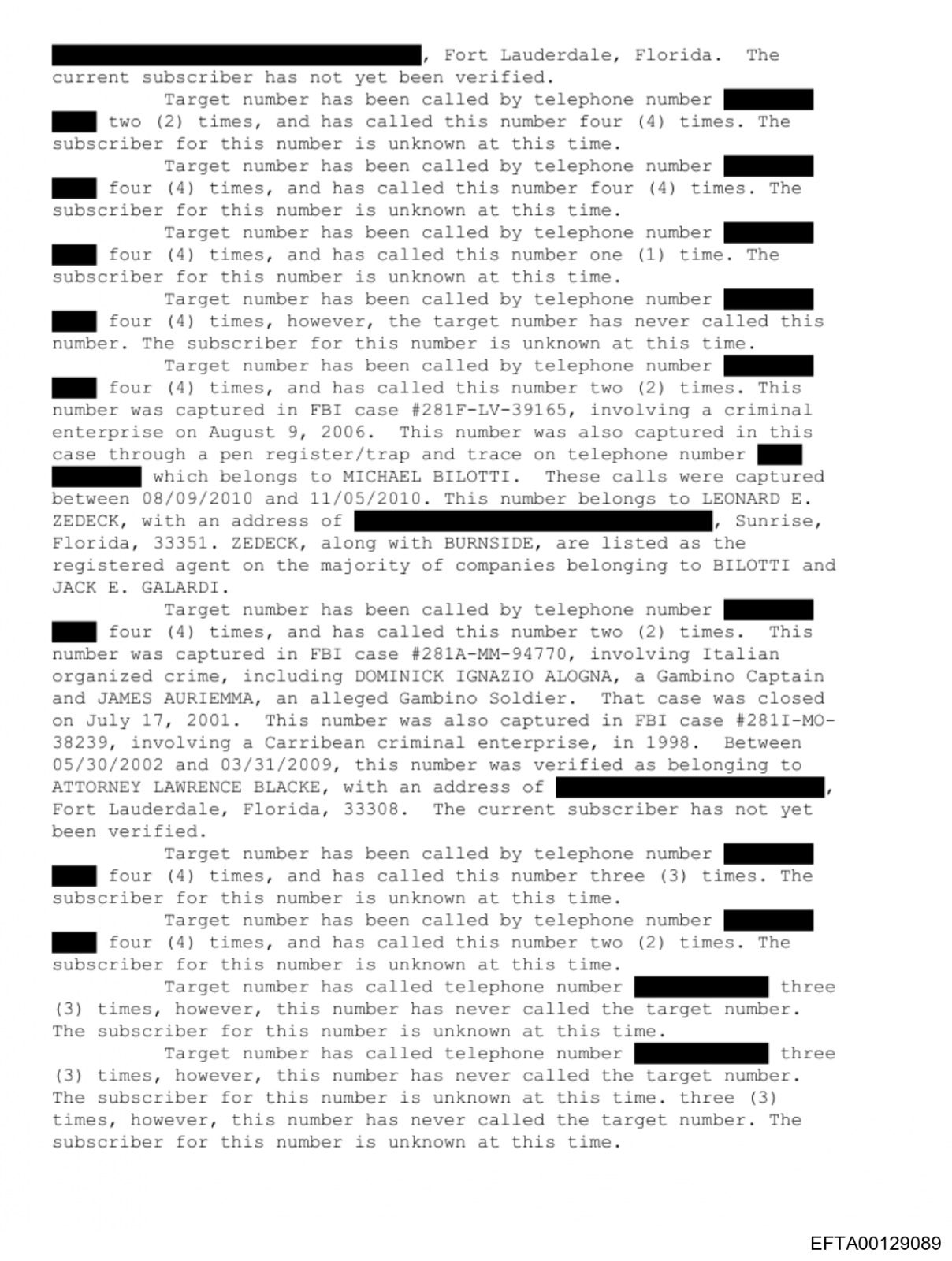
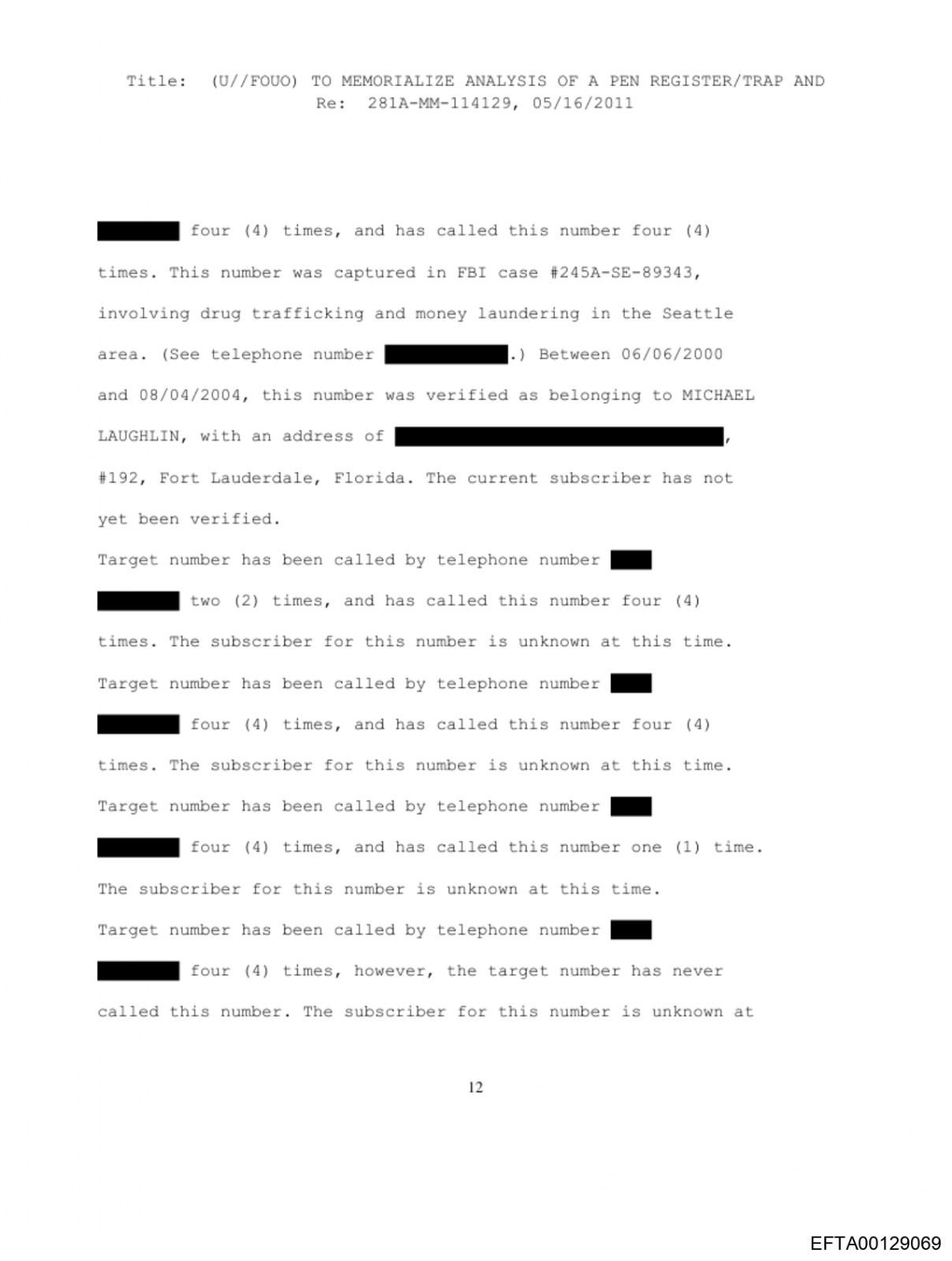
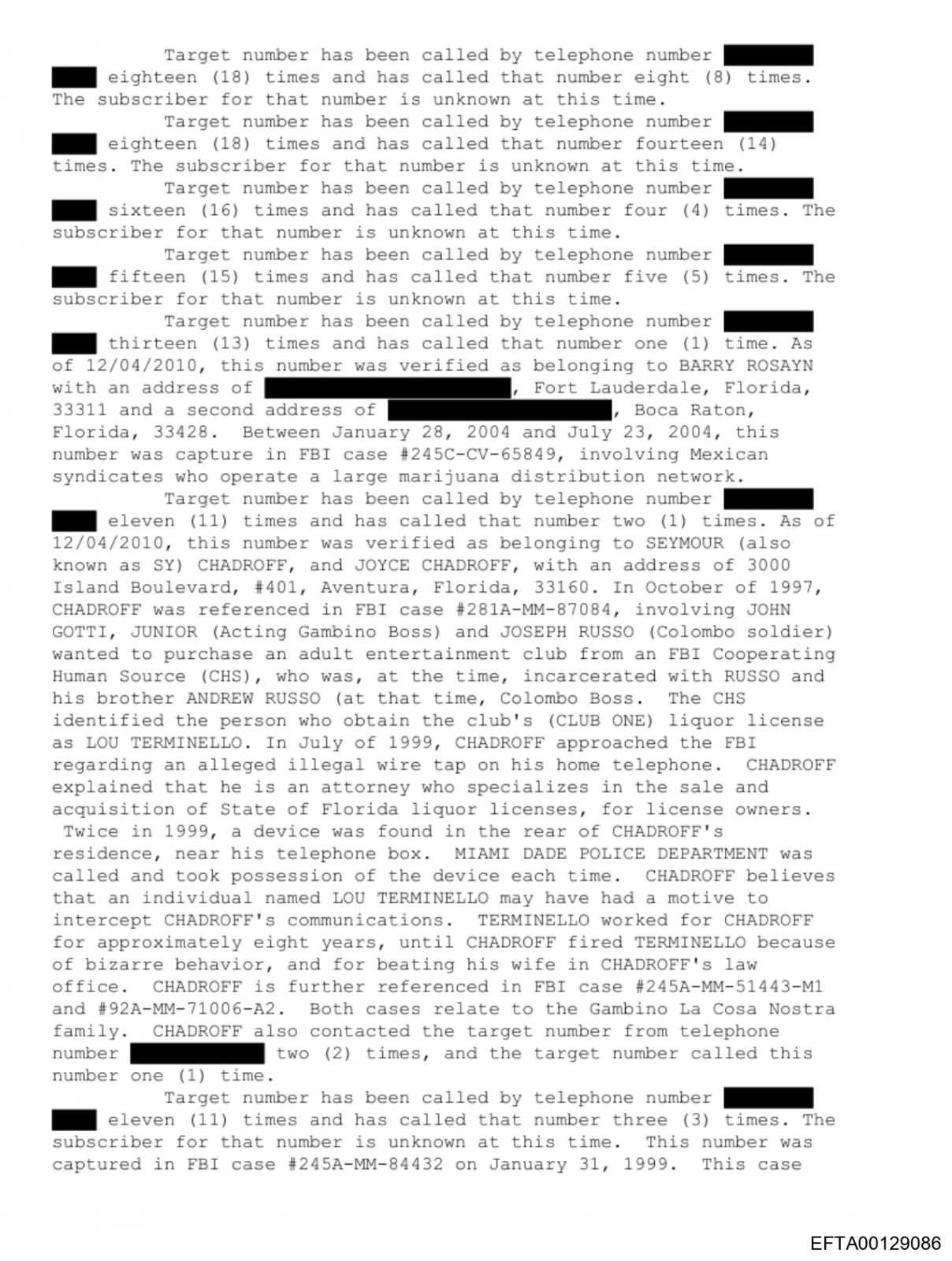
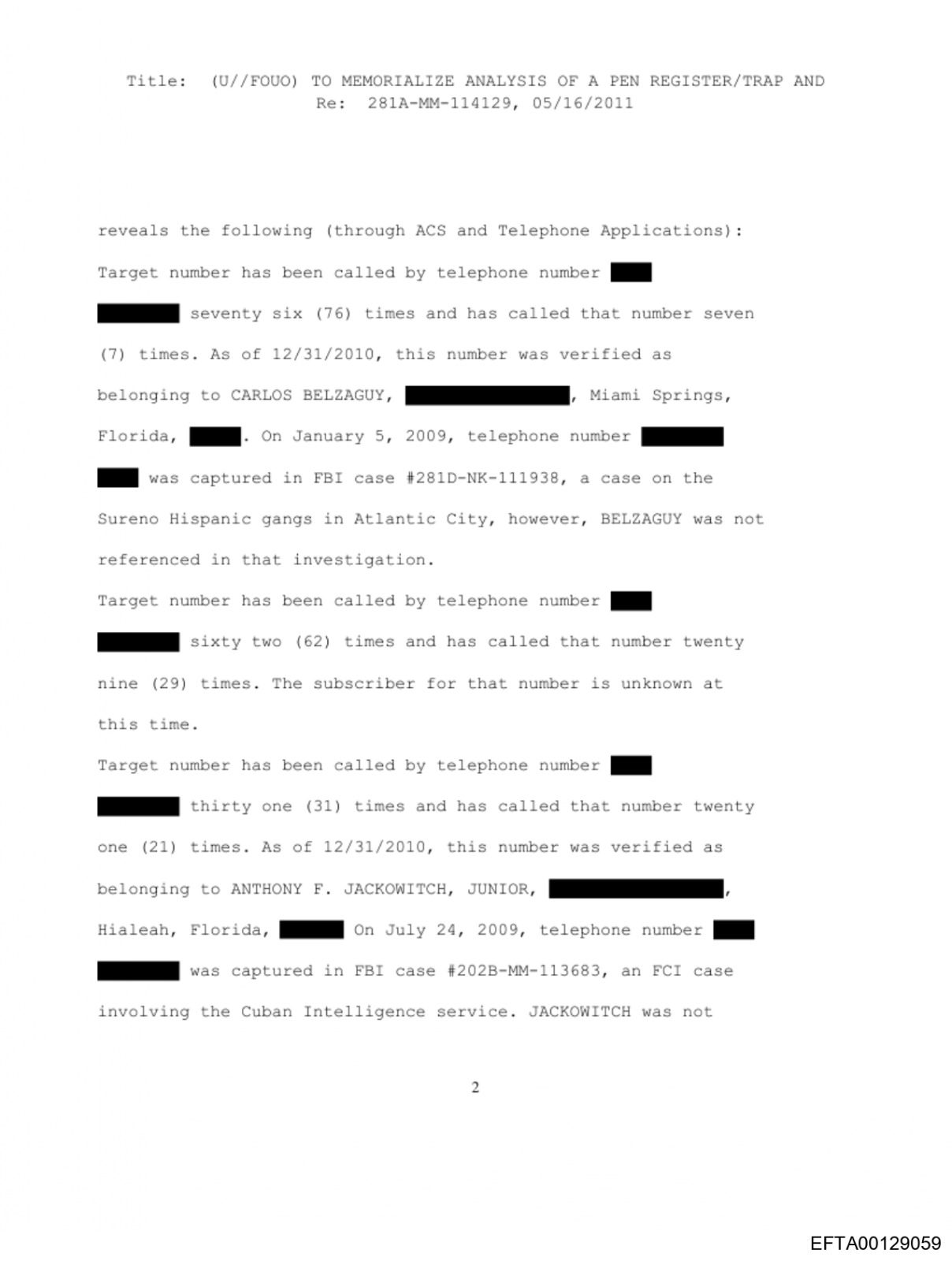
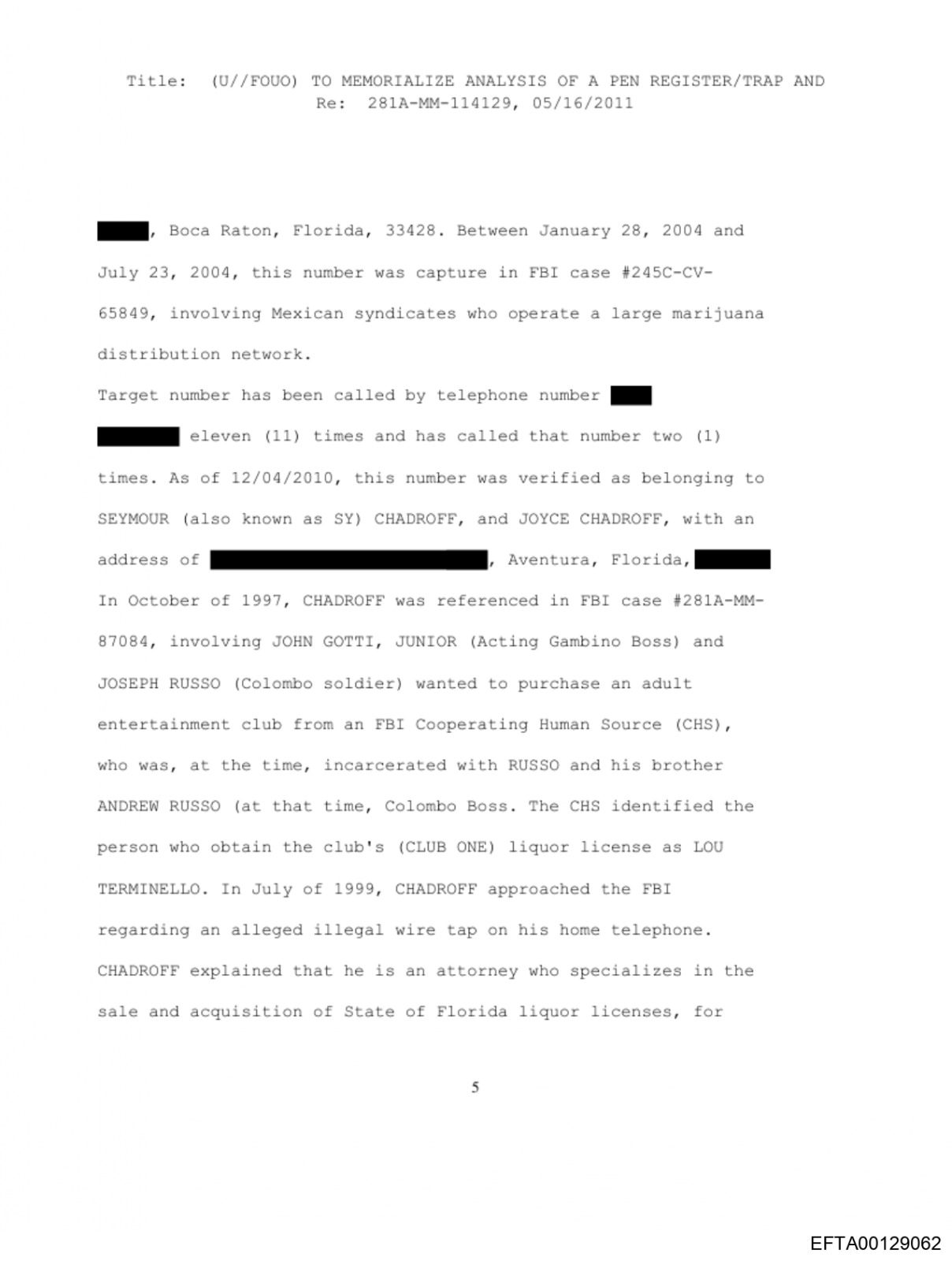
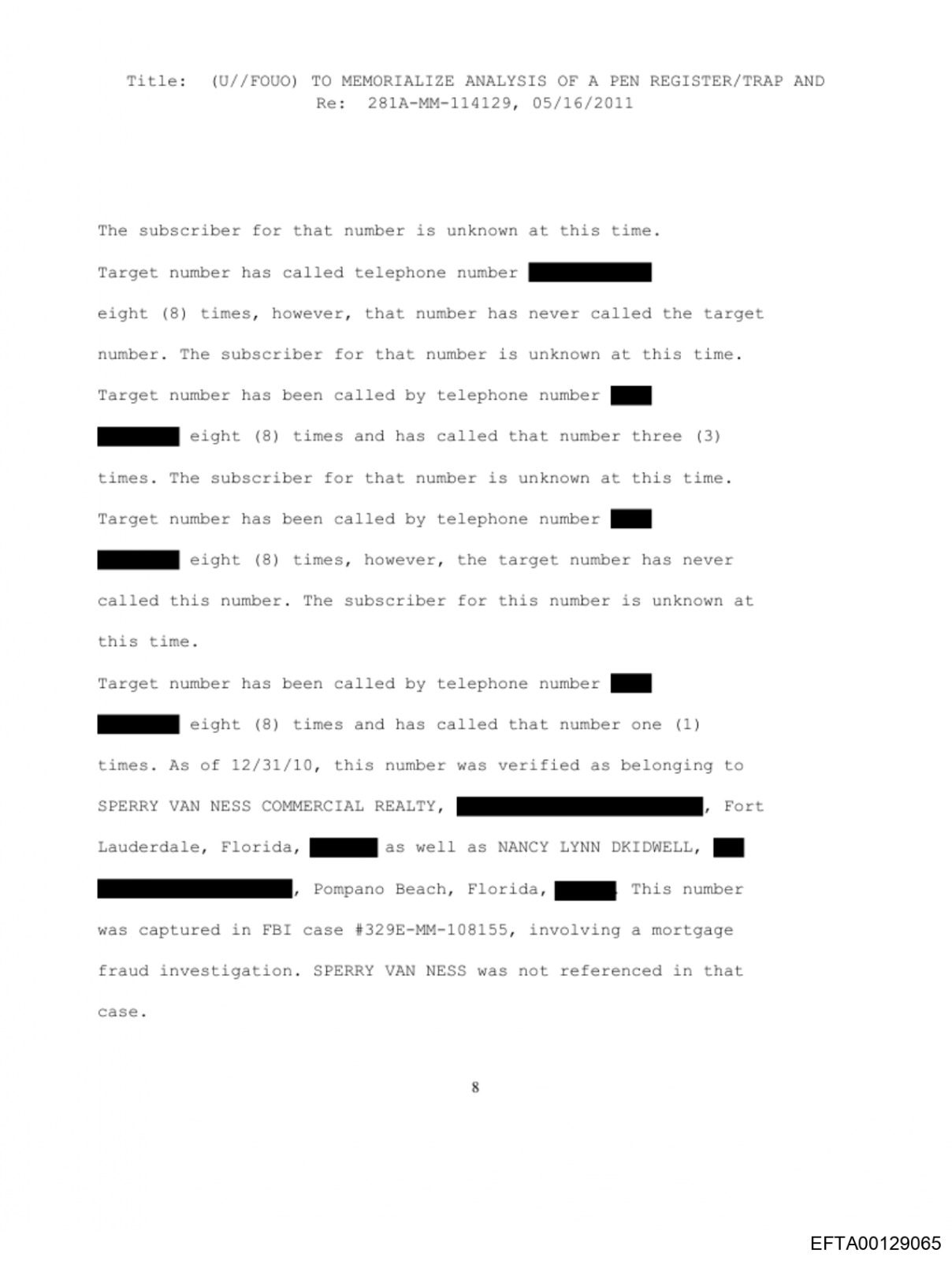
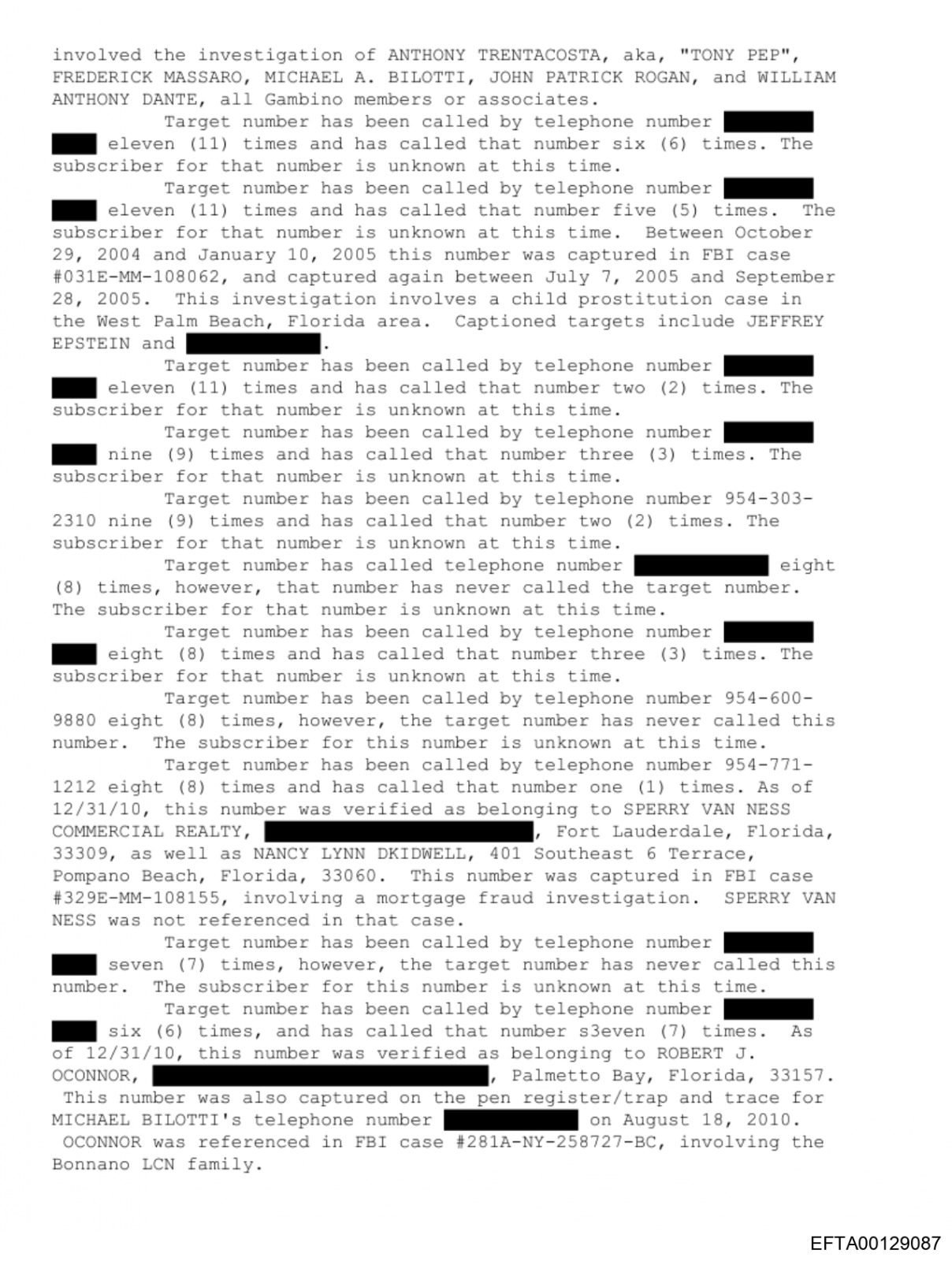
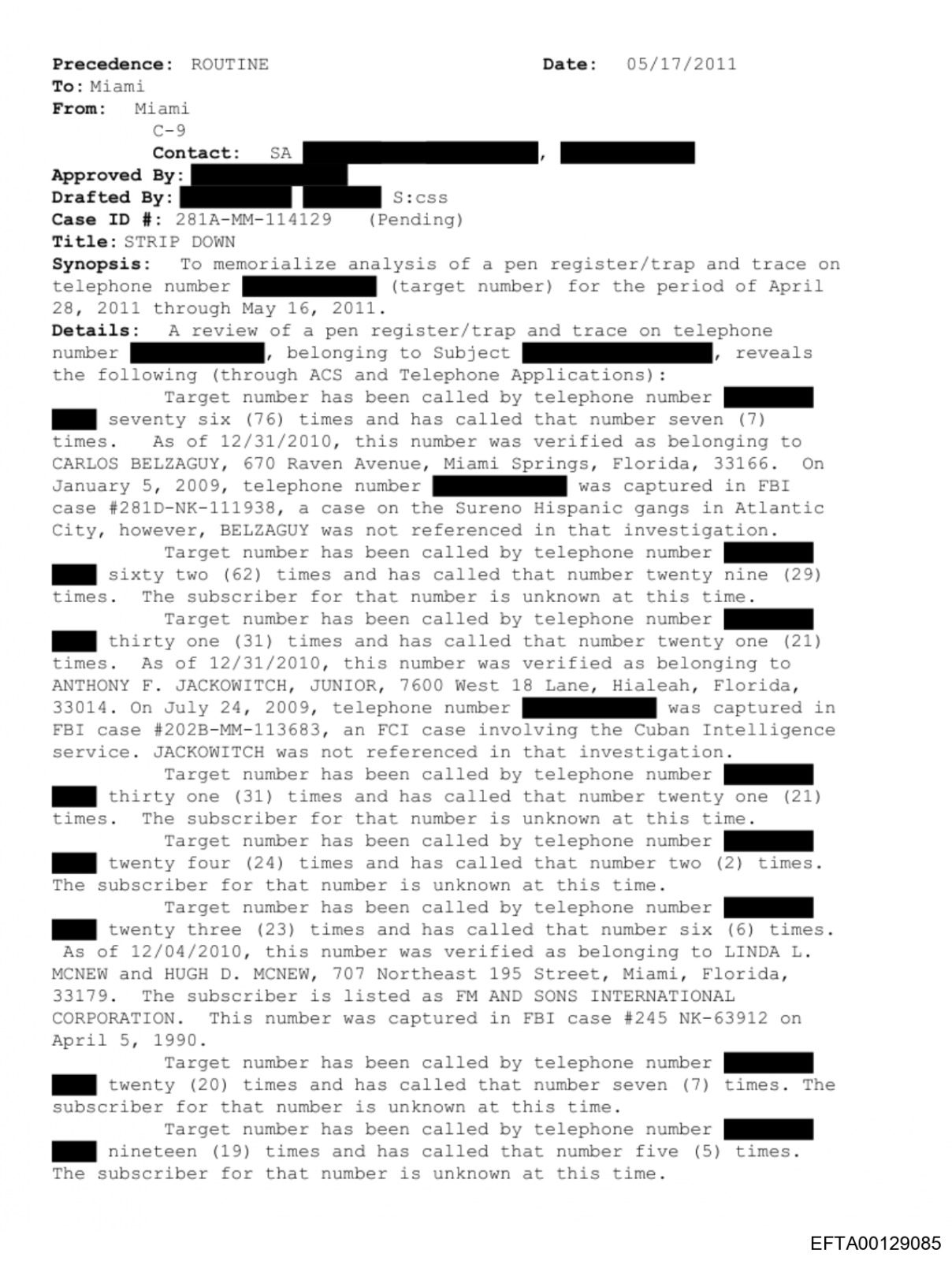
FORT LAUDERDALE — Newly released federal records contained within the Department of Justice’s Epstein document production include a reference that places Fort Lauderdale Mayor Dean Trantalis inside an FBI investigative memo tied to an allegation involving misuse of public office. The document, dated May 16, 2011, memorializes pen register and trap-and-trace analysis conducted by the FBI’s Miami Field Office and cross-references case number 281F-MM-106877. Inside that memo, agents documented that a phone number later verified as belonging to Trantalis was captured in the referenced investigation.
What the FBI Memo Actually Says
The memorandum includes the following language:
“It was alleged that TRANTALIS used his position to gain sensitive information from the Fort Lauderdale Police Department about a local drug trafficking organization.”
The document does not describe what he allegedly did with that information. It does not include charging language, arrest records, or a prosecutorial disposition. It reflects an allegation memorialized within investigative analysis. That distinction matters, but so does the allegation itself. When a sitting mayor’s name appears in a federal investigative record referencing alleged misuse of official position to access confidential law enforcement intelligence, the issue becomes one of public accountability, not partisan politics.
Why This Appears in the Epstein Release
The memo appears within a broader DOJ document production tied to the Jeffrey Epstein investigation. Within that same dataset, the FBI references a separate West Palm Beach child prostitution case captioned with Jeffrey Epstein. There is no evidence in the reviewed documents that Trantalis communicated with Epstein or participated in trafficking conduct. The connection exists through shared investigative indexing within federal systems. However, in South Florida, where the Epstein scandal began, the inclusion of any elected official’s name inside a federal release connected to that case inevitably heightens scrutiny. Context does not equal guilt. But context shapes public perception.
A Pattern of Political Turbulence
The FBI reference does not exist in a vacuum. Trantalis’s tenure has been marked by sustained controversy over development policy, campaign finance optics, and governance disputes.
Key areas of ongoing criticism include:
High-density development approvals opposed by neighborhood groups in Las Olas and Flagler Village
Campaign donations from developer-linked families that critics argue create influence optics
Infrastructure and zoning decisions that residents say prioritize growth over community preservation
Campaign finance records are public. While donations from related individuals may fall within Florida’s statutory limits absent proof of coordination or reimbursement schemes, patterns of giving often drive public skepticism, even when technical legality is maintained. Add to that a widely publicized domestic battery case in 2025 in which the mayor was the named victim, an incident that forced prosecutors to address venue considerations because of his elected position, and City Hall has operated under sustained glare.
Individually, these controversies are survivable. Collectively, they form a climate of distrust that can easily end the Mayor’s career or worse land him in prison.
What Is Known and What Remains Unanswered
What the federal record shows:
An FBI memo referencing an allegation involving misuse of office
A verified phone number associated with the mayor captured in case 281F-MM-106877
No charging language in the excerpted document
What remains unclear:
Whether the allegation was investigated and formally closed
Whether Trantalis was interviewed or cleared
Whether the case resulted in internal findings or dismissal
Those are not minor procedural details. They determine whether the allegation was a dead-end or something more substantial that simply never reached public view.
The Transparency Test
Fort Lauderdale is not a small municipality insulated from scrutiny. It is a rapidly developing coastal city where zoning decisions influence billions in property value and infrastructure planning. In that environment, public trust is currency. If the allegation documented in the FBI file was unfounded, the disposition should be released.
If it was reviewed and dismissed, the mayor should say so clearly. If he was cleared, that fact deserves to be part of the public record.
The issue is not proximity to the Epstein file release. The issue is whether an allegation involving access to sensitive law enforcement intelligence by a public official was fully resolved and whether residents have been informed of that resolution. Until that clarity is provided, the federal memo remains an open question in the public record. And unanswered federal allegations do not simply fade away.

















































Want to join the conversation?
Create an account or sign in to share your thoughts, vote,
and reply to other readers.
Showing 0 of 0 comments
Don't have an account?
Already have an account?