
After the Videos of Erling Haaland Went Viral… The Story Caught Fire
One of the more unusual stories to emerge from the 2026 FIFA World Cup has nothing to do with goals, tactics, or superstar striker Erling Haaland. Instead, it centers around Norway’s decision to bring its own chefs and hundreds of kilograms of food to its training base in the United States. The move quickly went viral online, with many social media users claiming the Norwegian national team refused to eat American food because they believed it was unhealthy or of lower quality. While that narrative spread rapidly, the reality is a bit more nuanced.
Norway’s delegation arrived in the United States with approximately 580 kilograms (about 1,275 pounds) of food, including traditional Norwegian salmon, trout, halibut, brown cheese, and other familiar ingredients. The team also traveled with its own chefs, who prepared every meal throughout the tournament.
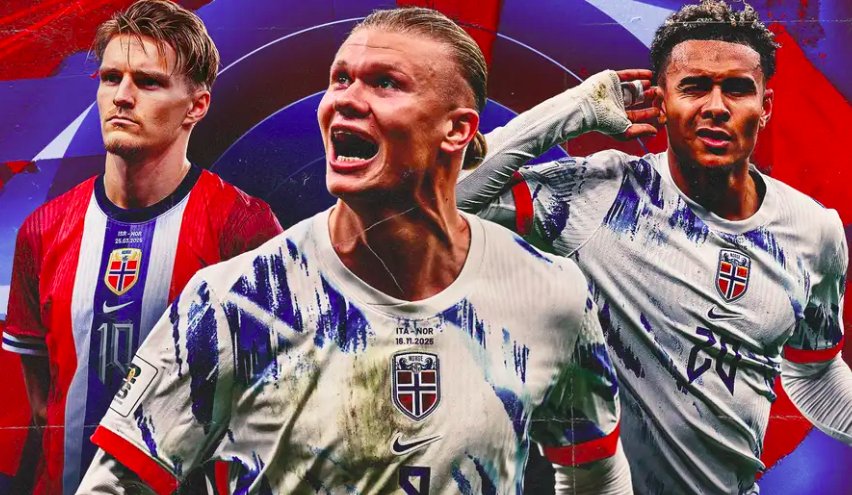
According to longtime national team chef Aron Espeland, this wasn’t intended as a criticism of American food at all. Instead, the goal was to provide players with the exact same foods they eat during training camps back home. Elite athletes often rely on carefully controlled nutrition plans, and even small changes in diet can affect digestion, recovery, hydration, and overall performance. Espeland explained that maintaining consistency is one of the most important parts of preparing athletes for the biggest tournament in the world. He also emphasized that Norway has been purchasing many fresh ingredients locally in the United States and praised the quality of American produce available near the team’s base in North Carolina.
The Differences Between American and European Food
That said, the story gained traction because there has long been an international perception that many American food products differ significantly from those sold in Europe. European food regulations generally prohibit or restrict dozens of food additives, artificial dyes, preservatives, growth hormones, and processing methods that remain legal in the United States.
European countries also tend to have stricter rules governing pesticide use, antibiotic use in livestock, genetically modified ingredients, and food labeling. Because of those regulatory differences, many Europeans believe their food supply is more natural or less processed than what is commonly found in American supermarkets.
Sports nutrition experts note that Norway’s approach is hardly unique. National teams from around the world frequently travel with chefs and specialized food supplies during major international competitions. Whether it’s the Olympics, FIFA World Cup, or other global sporting events, many countries prefer to control exactly what their athletes eat rather than relying entirely on local catering.
Familiar foods also provide a psychological benefit, giving athletes a small taste of home during weeks spent competing overseas. Similar practices have been used by teams from Argentina, Uruguay, Great Britain, and many other nations during international tournaments.
Whatever the True Reason Is, a Debate Has Been Sparked
The viral discussion surrounding Norway’s food shipment has nevertheless reignited a broader debate over the quality of the American food system. Critics often point to America’s reliance on highly processed foods, higher sugar consumption, artificial coloring, preservatives, and the country’s obesity rates as evidence that the typical American diet differs substantially from diets found across much of Europe.
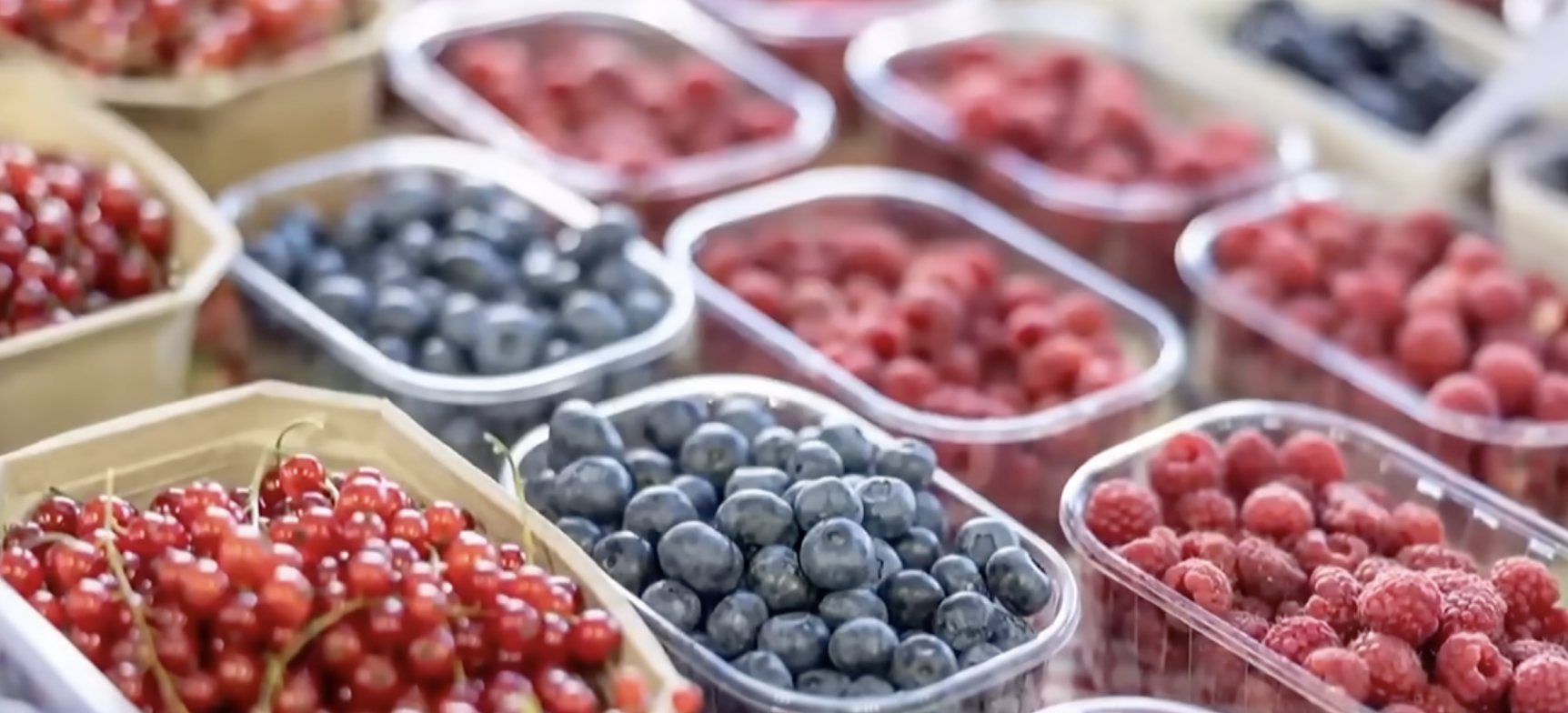
Supporters of the U.S. food industry counter that America also produces some of the highest-quality fruits, vegetables, meats, dairy products, and organic foods in the world, and that consumers have access to both highly processed convenience foods and premium healthy options. Norway’s own chef echoed that sentiment, saying his staff has had excellent access to high-quality local ingredients during the World Cup and that the imported Norwegian products were simply meant to complement, not replace, the food sourced in the United States.
For a team making its first World Cup appearance in nearly three decades, every competitive advantage matters. Bringing familiar foods, trusted recipes, and experienced chefs helps eliminate uncertainty, keeps players comfortable, and allows them to focus entirely on the matches ahead. While the internet turned the story into a debate over whether American food is “bad,” the Norwegian team itself has consistently maintained that its decision was driven by sports science, nutritional consistency, and a desire to make its players feel at home during the biggest tournament in soccer.
***Editor’s Note***
I am not really sure why Norway or any Norwegians feel they have to defend this or apologize for it, or even clarify why they brought their own food. As this article has pointed out, there are clear differences in the choices of food that the US and Europe present.
Of course, there are good choices and poor choices that a consumer can make, but that is not the point. It is the fact that we have sooooo many POOR CHOICES that are jammed down our throats that is the main problem. So because of that, Norway wasn’t taking any chances. And why should they? It should shed a light on how bad the food choices are in the US.
Here’s an idea. Go to Google and look up the obesity rates for each country. Once you see the results, the nail is in the coffin on this argument or discussion.
Again remember that many American food products differ significantly from those sold in Europe. European food regulations prohibit and/or restrict dozens of food additives, artificial dyes, preservatives, growth hormones, and processing methods that remain legal in the United States. Maybe this is why Norway did what they did?
European countries also have stricter rules governing pesticides, antibiotics in livestock, genetically modified ingredients (which are now HUGE in the US), and food labeling. Because of those regulatory differences, many Europeans believe their food supply is more natural or less processed than what is commonly found in American supermarkets. Maybe this is why Norway did what they did?
Do you really still have any questions? After reading this, you shouldn’t.











































Want to join the conversation?
Create an account or sign in to share your thoughts, vote,
and reply to other readers.
Showing 0 of 0 comments
Don't have an account?
Already have an account?