
Five Easy Mistakes You Can Exploit From the Best Poker Players
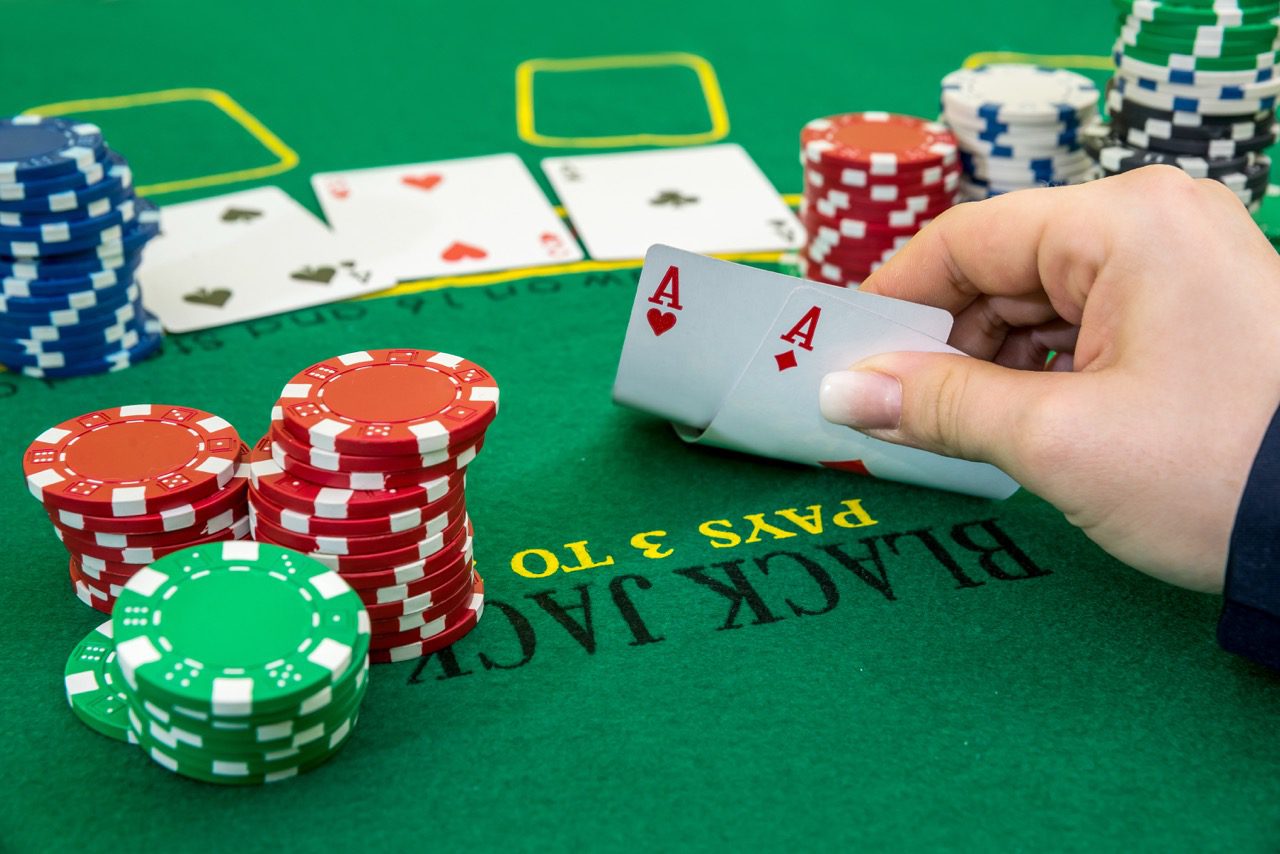
Online or offline, poker is a game of skill, chance and good money management. Some players start with a limited budget and want it to last as long as possible. For them, a long session is a win.
That’s the reality for many people at low and mid stakes tables. Chips equal time at the table. This drives cautious play but it also leads to mistakes as even the best players can slip when protecting a bankroll in games. If you’re playing online poker games, where you often have more time to think and less distractions, mistakes can often be easier to spot, but you have to be ready to take advantage.
These mistakes open the door. If you can spot them, you can take advantage. Here’s how:
Mistake 1: Playing Too Tight
Savvy players respect money. If they buy into a $1/$2 cash game with $200, they expect hours of play. But this can make them too tight. They fold borderline hands like ace-eight off-suit while they wait for premium cards. They make it easy to read them.
The exploit is to use aggression. If you spot a player folding too often, raise more. You pick up pots with weak holdings. Make a simple raise in late position with ten-nine suited and you can push a cautious rival off king-queen.
Mistake 2: Overvaluing Strong Hands Pre-flop
Strong hands can become a trap. Pocket kings are a good example – many skilled players overplay them. They raise big, sometimes go all-in – and then face trouble if an ace hits the flop.
Picture a hand at a $100 tournament. A player raises heavy with kings. Three callers come along. Flop comes ace-ten-seven. The king-holder fires again. But the ace on the board cuts their hand down. A cautious player might check, but many push on and commit too much. This is the chance. If you hold ace-queen and call the flop bet, you take the pot when they keep firing. The mistake is emotional. Players trust the strength of kings. They forget the odds of an ace appearing on the board is about 23%. That’s nearly one in four.
Mistake 3: Bluffing in the Wrong Spots
Even the best bluff too much. They believe their table image carries weight. They believe a continuation bet on every flop looks credible. But good players call lighter, forcing bluffers into bad situations.
Here’s an example: A pro opens with jack-nine suited. Flop comes ace-king-four rainbow. They bet heavy, trying to represent the ace. But against two opponents, that’s reckless. One caller with king-ten takes them to the turn. The bluffer fires again and gets called. By the river, their stack shrinks. The exploit is patience. If you know someone bets nearly every flop, call with mid-strength hands. Pocket sevens on a safe board can be enough. Let them bluff away chips and their image collapses.
Mistake 4: Mismanaging Tilt
Even the most skilled lose control. A bad beat hurts. A player on tilt makes poor choices. They speed up, raise too big or shove out of frustration.
Take the case of a $50 sit-and-go. A solid player loses queens against a rivered straight. Next hand, they shove ace-five offsuit because they want revenge quickly. This is classic tilt. Your exploit is simple: tighten up. You wait for a solid hand like ace-king or pocket tens. Call their shove and let tilt do the work. Even skilled players can self-destruct in minutes. Tilt makes them blind. They know what’s happening but can’t stop the emotion.
Mistake 5: Playing Predictable Patterns
Top players often rely on predictable systems. They raise three times the big blind in early position. They continuation bet 70% of flops. They size bets by the book. This predictability gives opponents a weak point to attack.
A live example: a player raises to $12 every time in a $1/$2 cash game. Sit back and track it. You notice they never vary. When they raise under the gun, it’s almost always ace-king or big pairs. So now you can trap. If they raise with ace-king and you hold a medium pair like eights, you can call. When the flop brings a low board, you’re ahead. Their predictability becomes your profit. Predictable continuation bets are another opening. If you know they always fire, you can check-raise with modest holdings. King-ten on a king-high board works well. They’ll walk into the trap.
Poker Patterns
Poker is never perfect. Even the best players fall into patterns. Each mistake comes from human instinct like protecting chips, trusting strong cards, relying on routine, losing control. These mistakes give you openings. They allow smart players to create profit where none should exist.
A final word of warning: do not fall into the same traps yourself. Chips are easy to lose when caution turns to predictability, when strength turns into overconfidence, or when anger turns into tilt. Recognise the signs in others. Avoid them in yourself.






























































Want to join the conversation?
Create an account or sign in to share your thoughts, vote,
and reply to other readers.
Showing 0 of 0 comments
Don't have an account?
Already have an account?