
Russian Reality: Putin Is Too Old to Fix the Damage the Ukraine War Has Done to His Country in His Lifetime
For more than two decades, Vladimir Putin has built his political identity around the idea of Russian resurgence, a restored great power reclaiming its place after the humiliation of the Soviet collapse. Military parades, nuclear threats, and carefully staged performances of strength have reinforced that image at home and abroad. The reality in 2025 is far less flattering. By nearly every serious measure of state power, military effectiveness, economic trajectory, political resilience, and diplomatic influence. Russia is weaker today than at any point in modern history that did not involve outright collapse. That weakness is structural, cumulative, and increasingly visible.
A Military Exposed by War
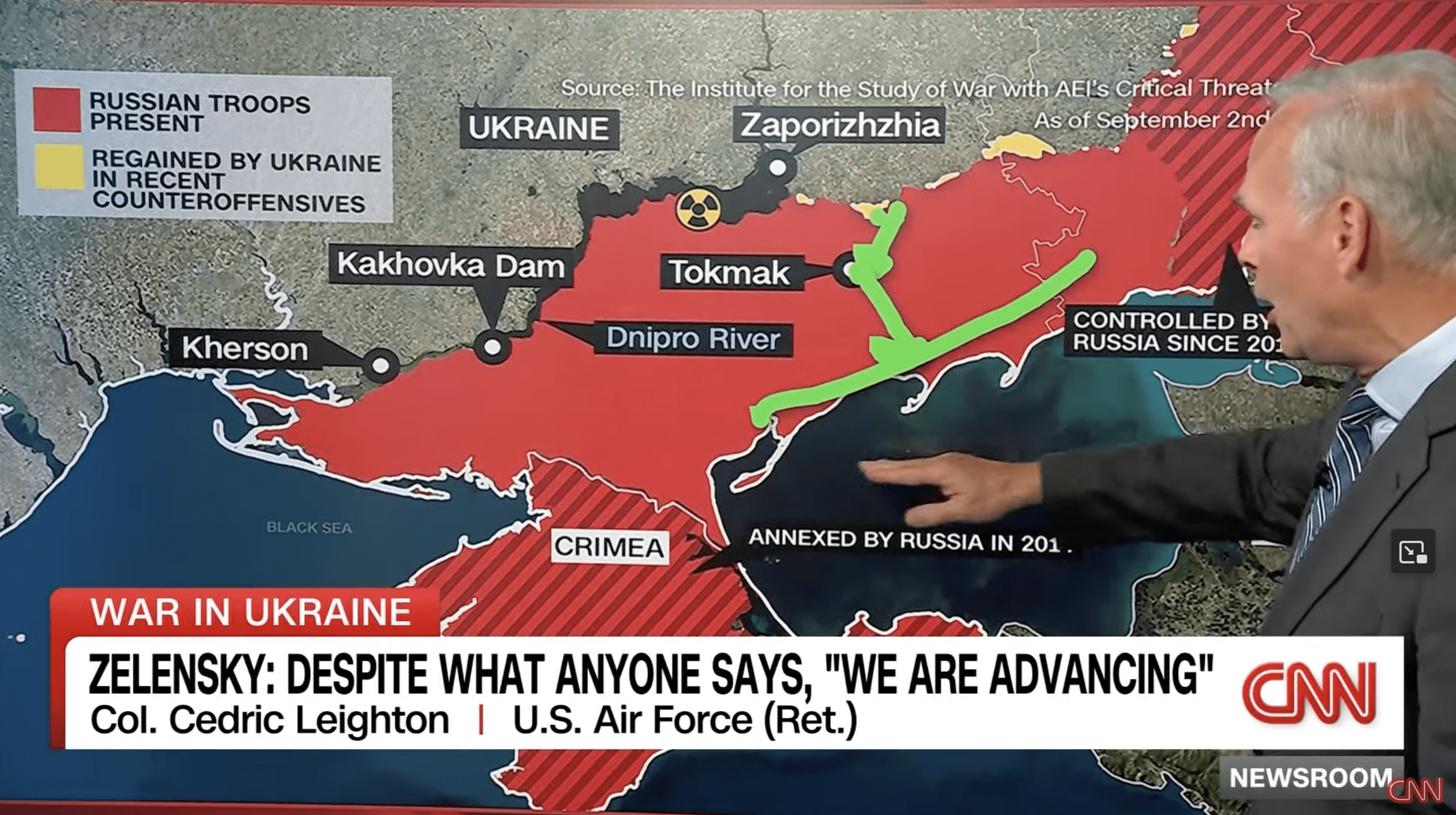
Russia entered its full-scale invasion of Ukraine expecting a rapid victory. Instead, the conflict has become a grinding demonstration of the limits of Russian power. What was once marketed as a modernized, professional fighting force has been revealed as rigid, corruption-ridden, and poorly coordinated at scale.
Losses of personnel and equipment have been severe, elite units have been depleted, and the inability to achieve sustained air superiority has upended long-standing assumptions about Russian military dominance. The fact that Moscow now relies on drones from Iran and ammunition from North Korea underscores how far its conventional capabilities have fallen. This is not the profile of a confident great power; it is the profile of a state struggling to sustain a war of attrition.
Power Concentrated, Stability Eroded
Politically, Putin appears unchallenged. In practice, the Russian system has become dangerously narrow. Over time, independent institutions, regional autonomy, and elite bargaining have been replaced by a model centered almost entirely on one man and the security services that protect him.
That concentration of power reduces flexibility and increases fragility. The 2023 Wagner Group mutiny, when an armed column moved toward Moscow with minimal immediate resistance, exposed how thin Russia’s margin for internal shock has become. Even though the crisis was defused, it revealed a system that depends on fear and loyalty enforcement rather than durable institutional strength.
An Economy That Endures but Does Not Advance
Russia’s economy has not collapsed under sanctions, but survival should not be confused with strength. The country has effectively traded long-term growth for short-term endurance, reorienting toward war production while cutting itself off from Western capital, technology, and innovation.
Energy exports continue, but often at discounted rates to fewer buyers. Labor shortages driven by emigration and mobilization are compounding demographic decline. Investment in productivity, research, and modernization has stalled. The result is an economy capable of funding conflict but ill-equipped to deliver rising living standards or long-term competitiveness.
Diminished Reach on the World Stage
Diplomatically, Russia is far more isolated than it was a decade ago. Once a central actor in European security, it is now largely excluded from Western political and economic frameworks. Outside the West, its relationships are increasingly transactional, with China occupying the dominant position in the partnership. Rather than shaping global outcomes, Moscow often reacts to them, using disruption, vetoes, or force where influence once sufficed. That shift reflects reduced leverage, not strategic confidence.
Why This Moment Is Different
Russia has experienced weakness before, including after major wars and after the collapse of the Soviet Union. Historically, those periods were followed by reinvention or reform, however uneven or authoritarian the process.
What makes the current moment distinct is the absence of a credible recovery path. There is no clear modernization agenda, no political succession plan, and no unifying national project beyond resistance to perceived external enemies. The state is not rebuilding; it is holding ground.
Putin’s personal clock matters here, and it is working against Russia. At 72, Vladimir Putin is not a leader with decades to rebuild institutions, demographics, or global trust. He presides over a country with a shrinking and aging population, a depleted pool of young men after mass casualties and emigration, and a military increasingly reliant on conscripts, prisoners, and mercenaries. Even if a coherent recovery strategy magically appeared tomorrow, the human capital required to execute it would not. Wars end, but demographic damage does not reverse on command. Putin can threaten, posture, and delay, but he has run out of time to remake Russia into a durable power within his own lifetime.
More critically, there is no next generation mobilized to carry that vision forward. Russia is not cultivating a confident, educated cohort ready to rebuild a modern state; it is driving its young talent abroad and burying its future soldiers in Ukraine. Power is not just weapons and territory, it is continuity. Putin’s Russia lacks it. Whatever comes after him will inherit exhaustion, isolation, and decay, not momentum. Russia may endure as a state, but the idea of a resurgent, dominant Russia under Putin is already over.
The Risk of a Weakened Power
A weaker Russia does not automatically mean a safer world. States facing internal constraints often seek external leverage to compensate, and Russia retains tools that still matter: a large nuclear arsenal, significant cyber capabilities, and the ability to disrupt energy and security markets.
Understanding Russia accurately is essential. Overestimating its strength feeds unnecessary fear. Underestimating the volatility of a declining, nuclear-armed state invites miscalculation. Russia under Vladimir Putin is not the resurgent superpower its leadership claims. It is militarily strained, economically constrained, politically brittle, and diplomatically diminished. That weakness is real, measurable, and historically significant. But it is also unstable and that is precisely why the world cannot afford to confuse Russian rhetoric with Russian reality.































Want to join the conversation?
Create an account or sign in to share your thoughts, vote,
and reply to other readers.
Showing 0 of 0 comments
Don't have an account?
Already have an account?