
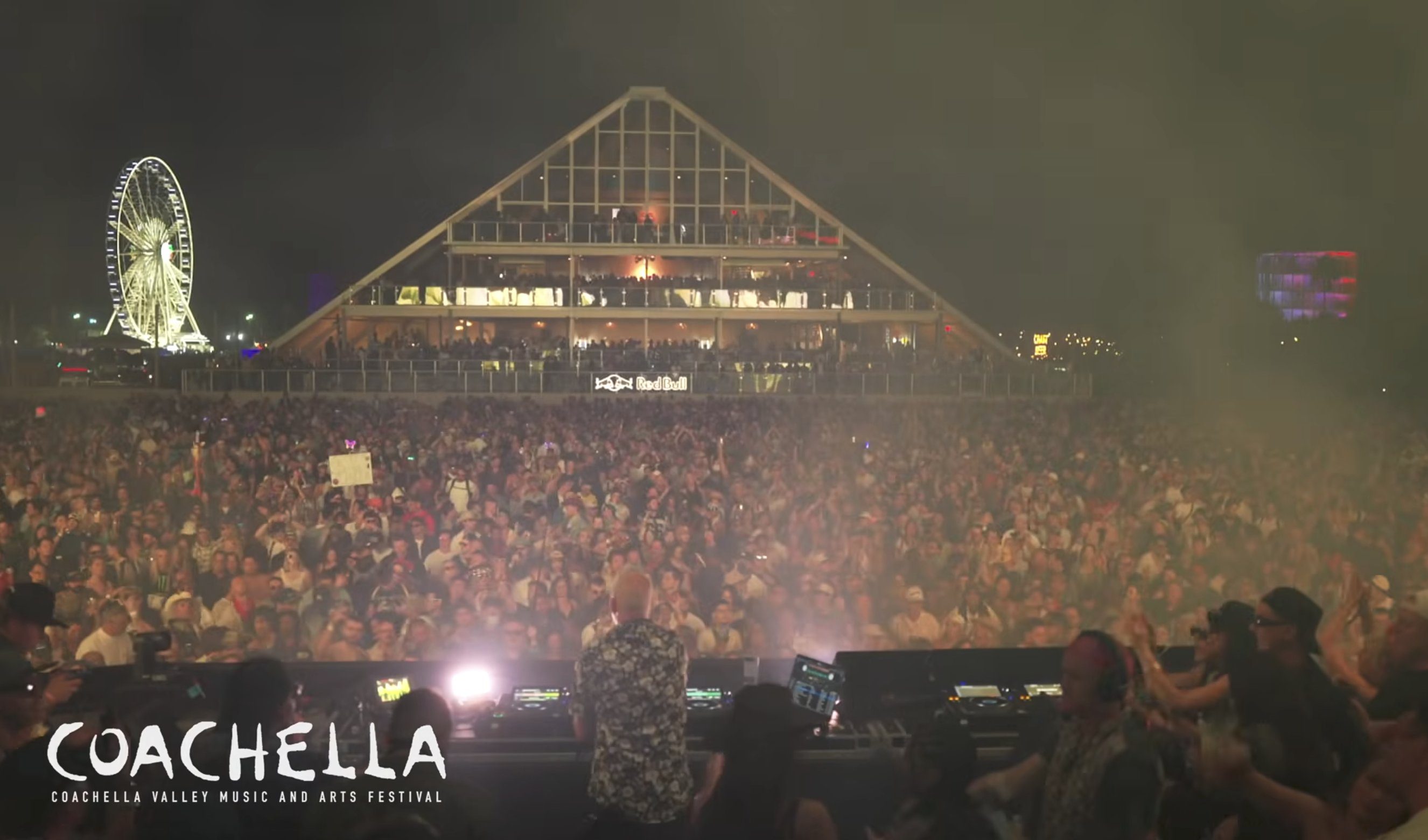
Fatboy Slim at Coachella 2026: The Godfather of Big Beat Reminds the Desert Who Built the Party
At a festival increasingly dominated by hyper polished EDM drops, TikTok virality, and algorithm friendly dance music, Fatboy Slim walked into the Coachella desert and reminded everyone what a real DJ set feels like.
No gimmicks.
No fake button pushing.
No overproduced influencer spectacle.
Just two and a half hours of controlled chaos from one of the architects of modern electronic music. Performing on Coachella’s immersive Quasar stage during the festival’s expanded electronic music push, Norman Cook, the legendary producer behind Fatboy Slim, delivered one of the most talked about dance sets of Coachella 2026. (DJ Mag) And honestly, it felt less like a festival set and more like a masterclass from a man who helped invent rave culture before half the crowd was born.
The Difference Between a DJ and a Performer
What separates Fatboy Slim from much of today’s festival circuit is simple: he understands pacing.
Modern EDM sets often feel like nonstop dopamine warfare, every song trying to out drop the previous one until the audience becomes numb. Fatboy Slim operates differently. His sets breathe. They build tension. They twist genres together. They weaponize nostalgia without becoming trapped by it. At Coachella 2026, he bounced effortlessly between big beat, acid house, techno, funk, rock edits, hip-hop samples, and absurd mashups that somehow should not work, but absolutely did.
The set included reworked versions of classics like:
- “Praise You”
- “Right Here, Right Now”
- “Star 69”
- “Eat Sleep Rave Repeat”
- “The Rockafeller Skank”
Alongside his now famous hybrid edits blending tracks from artists like The Rolling Stones, Underworld, Nirvana, and The Killers. (Setlist.fm) The crowd was not just dancing. They were reacting. That is a huge difference.
Coachella’s Electronic Evolution
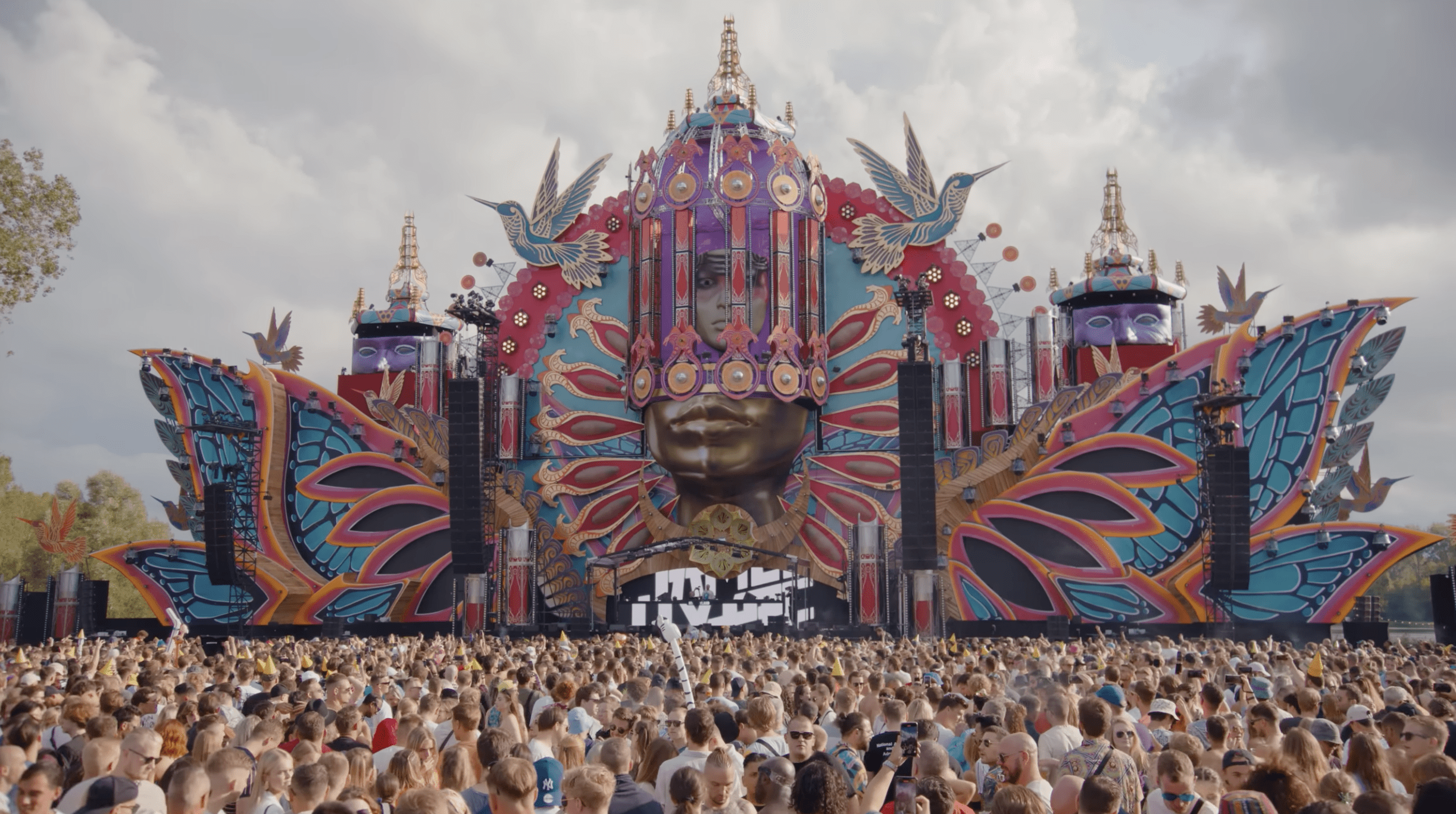
Coachella 2026 leaned heavily into dance music this year, expanding the Quasar stage concept into one of the festival’s defining attractions. The stage was designed specifically for long-form immersive electronic sets rather than compressed festival performances. (DJ Mag) And Fatboy Slim was the perfect artist to headline that vision.
At 62 years old, Norman Cook still understands something many younger DJs miss, dance music is supposed to be weird. It is supposed to be sweaty. Funny. Unpredictable. A little dangerous. A little stupid. And completely euphoric.
His visuals reportedly leaned into AI distortion, pop culture manipulation, old school rave absurdity, and surreal mashup aesthetics, turning the Quasar stage into something closer to an electronic fever dream than a standard EDM performance. (The Times) That matters because electronic music has become increasingly sanitized over the past decade. Massive festivals often feel corporatized and over-rehearsed. Fatboy Slim still brings the energy of someone throwing a giant illegal warehouse party in 1998. And somehow it still works.
The Longevity Is Insane
One of the most impressive things about Fatboy Slim’s Coachella performance was not the nostalgia. It was the relevance. Most artists from the late 1990s electronic boom now feel frozen in time. Fatboy Slim somehow avoids that trap by constantly remixing culture itself. His sets feel alive because they pull from every era simultaneously. He is not trying to recreate the past. He is remixing it in real time. That is why younger crowds still connect with him despite many not even being alive when tracks like “Praise You” or “Weapon of Choice” first exploded globally.
As one Coachella fan posted during the performance:
“Fatboy Slim is putting on a clinic right now.” (Reddit)
Honestly, that might be the best description of the entire set.
A Reminder of What Dance Music Used to Be
In many ways, Fatboy Slim’s Coachella set felt like a rebellion against modern electronic music culture itself. Before dance music became luxury bottle-service branding and influencer content farming, it was built by strange outsiders making weird sounds in dark rooms. Fatboy Slim comes from that era. You can still feel it in every transition, every sample choice, and every ridiculous visual edit flying across the screen. There is humor in his sets. Personality. Imperfection. Humanity. That is becoming increasingly rare. At a time when many DJs look interchangeable behind giant LED walls, Fatboy Slim still feels unmistakably like Fatboy Slim. And at Coachella 2026, the desert remembered exactly why that matters.


































Want to join the conversation?
Create an account or sign in to share your thoughts, vote,
and reply to other readers.
Showing 0 of 0 comments
Don't have an account?
Already have an account?