
A Retail Underdog Turned Apparel Powerhouse
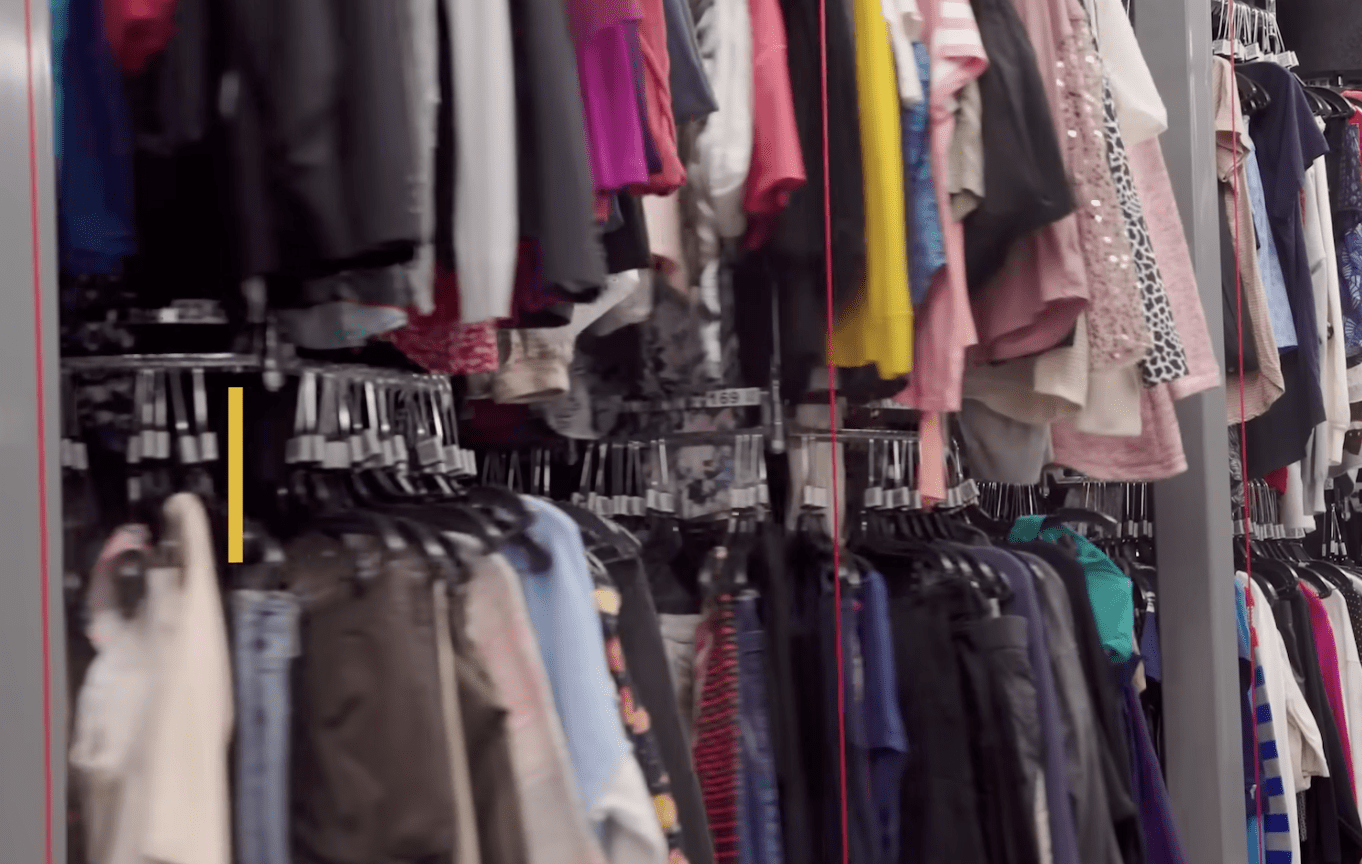
Clothing might not be the first thing shoppers think of when pushing a cart through Costco’s concrete aisles, but the wholesale giant has quietly built a fashion empire — one that now outsells some of America’s most recognizable clothing brands. According to retail analysts and sales data, Costco’s apparel business has surpassed major players like Abercrombie & Fitch, Gap, Calvin Klein, Tommy Hilfiger, and Old Navy, with category growth exceeding 40% in the last five years. That rate of expansion easily outpaces competitors Sam’s Club and BJ’s Wholesale, both of which have struggled to achieve even double-digit growth in apparel sales over the same period. The secret? Costco’s low-key formula: high-quality private-label basics, limited-time designer deals, and a reputation for value-driven trust.
The “Treasure Hunt” Shopping Model
Costco’s success in apparel isn’t the result of flashy marketing campaigns or celebrity endorsements. Instead, it’s built around what retail insiders call the “treasure hunt” model — the psychological thrill of finding unexpected, high-quality items at low prices. Shoppers may walk in for toilet paper and protein bars but end up walking out with a $20 Kirkland Signature cashmere sweater or name-brand yoga pants priced 70% below retail. “Costco has trained its customers to expect surprise,” said retail consultant Neil Saunders of GlobalData Retail, in an interview with CNBC. “That creates urgency — if you see something you like, you know it might not be there next week.”
The Rise of Kirkland Signature Fashion
While Costco carries big-name brands like Levi’s, Adidas, Puma, and Calvin Klein, the true star of its fashion portfolio is Kirkland Signature, the company’s private label. Kirkland clothing items — from outerwear to underwear — are designed to deliver premium quality at bulk prices. Costco often partners with the same manufacturers used by top retail brands, allowing it to undercut traditional fashion companies without sacrificing quality. “Consumers have learned to trust Kirkland as much as they trust name brands,” Saunders noted. “In some cases, more.”
A Legal Battle with Lululemon
But not everyone is applauding Costco’s rise in fashion. The retailer recently found itself in the crosshairs of Lululemon, which filed a lawsuit accusing Costco of “duping” its products by selling lookalike leggings and workout apparel that closely mimic Lululemon’s signature designs — but at a fraction of the price. Lululemon claims that Costco’s products “copy the overall appearance, trade dress, and distinctive design” of its Align leggings, arguing the imitation could cause consumer confusion. Costco has not publicly commented on the case, but industry observers say it underscores just how far the retailer has come — from selling socks in bulk to competing directly with luxury athleisure brands.
Why It Works: Price, Trust, and Timing
Costco’s edge lies in its ability to blend affordability with quality. Amid inflation and economic uncertainty, consumers have become increasingly focused on value. That shift has driven more shoppers to warehouse clubs, where they can stretch their dollars without feeling like they’re sacrificing style. Additionally, the company’s limited-time inventory model fosters a sense of scarcity — items change frequently, keeping the assortment fresh and encouraging repeat visits. Unlike fast fashion retailers that depend on constant product churn, Costco’s apparel strategy emphasizes timeless staples that appeal across demographics — family-friendly, reliable, and practical.
Outpacing the Fashion Establishment
While brands like Gap and Abercrombie are in the midst of rebranding efforts and retail consolidation, Costco’s apparel business has been expanding with minimal fanfare. Analysts estimate its annual clothing sales exceed $7 billion, putting it among the largest apparel retailers in the United States. That makes Costco not just a retail disruptor — but a quiet giant in the fashion industry, one built without runways, influencers, or ads.
The Takeaway
Costco’s apparel success story isn’t about glamour — it’s about execution. By focusing on quality, trust, and value, the warehouse chain has redefined what it means to sell fashion at scale. As lawsuits and brand rivalries heat up, one thing is clear: Costco is no longer just a place to stock up — it’s a legitimate contender in America’s $300 billion clothing market.

































Want to join the conversation?
Create an account or sign in to share your thoughts, vote,
and reply to other readers.
Showing 0 of 0 comments
Don't have an account?
Already have an account?